Audierne, les tonneaux — History & Analysis
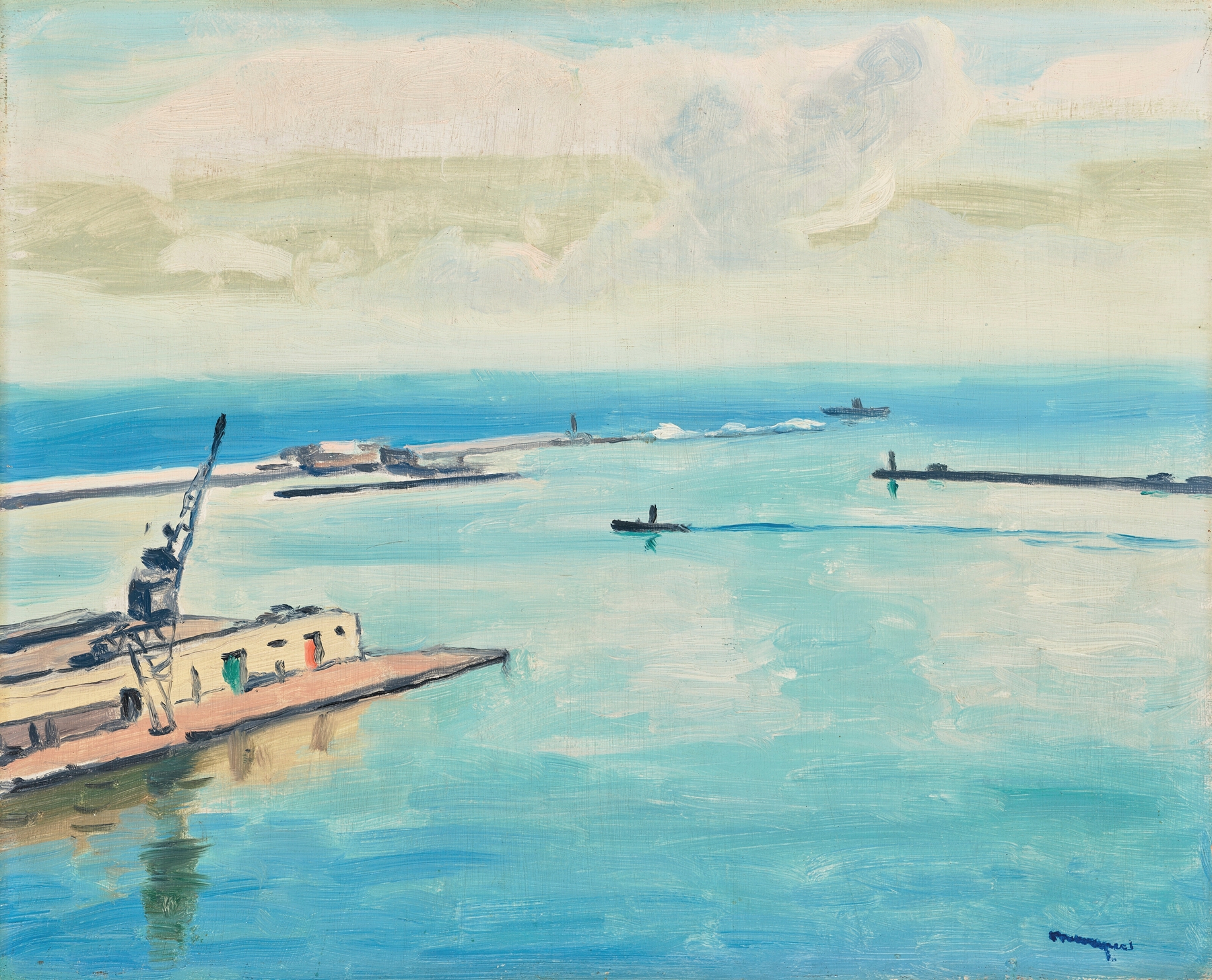
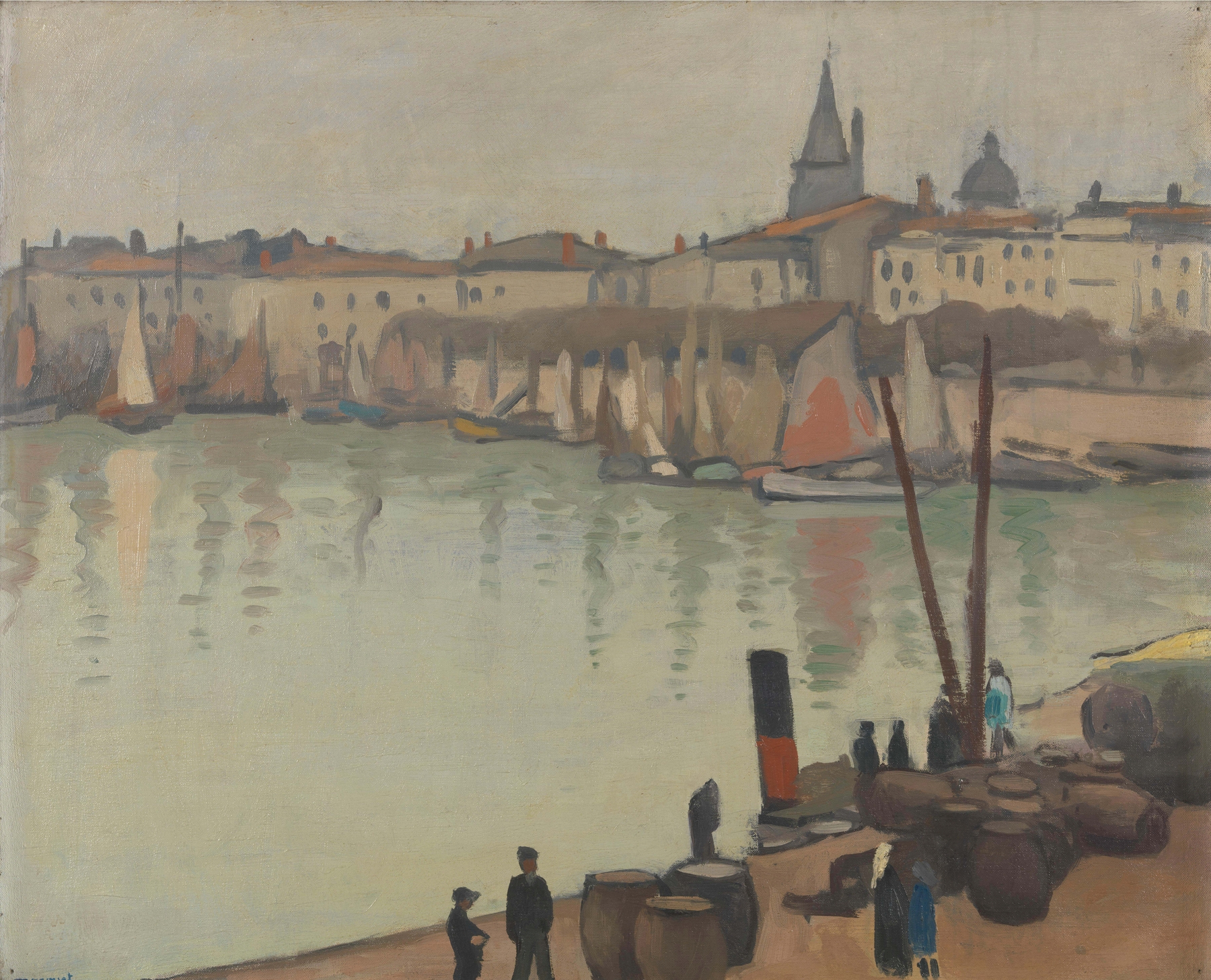
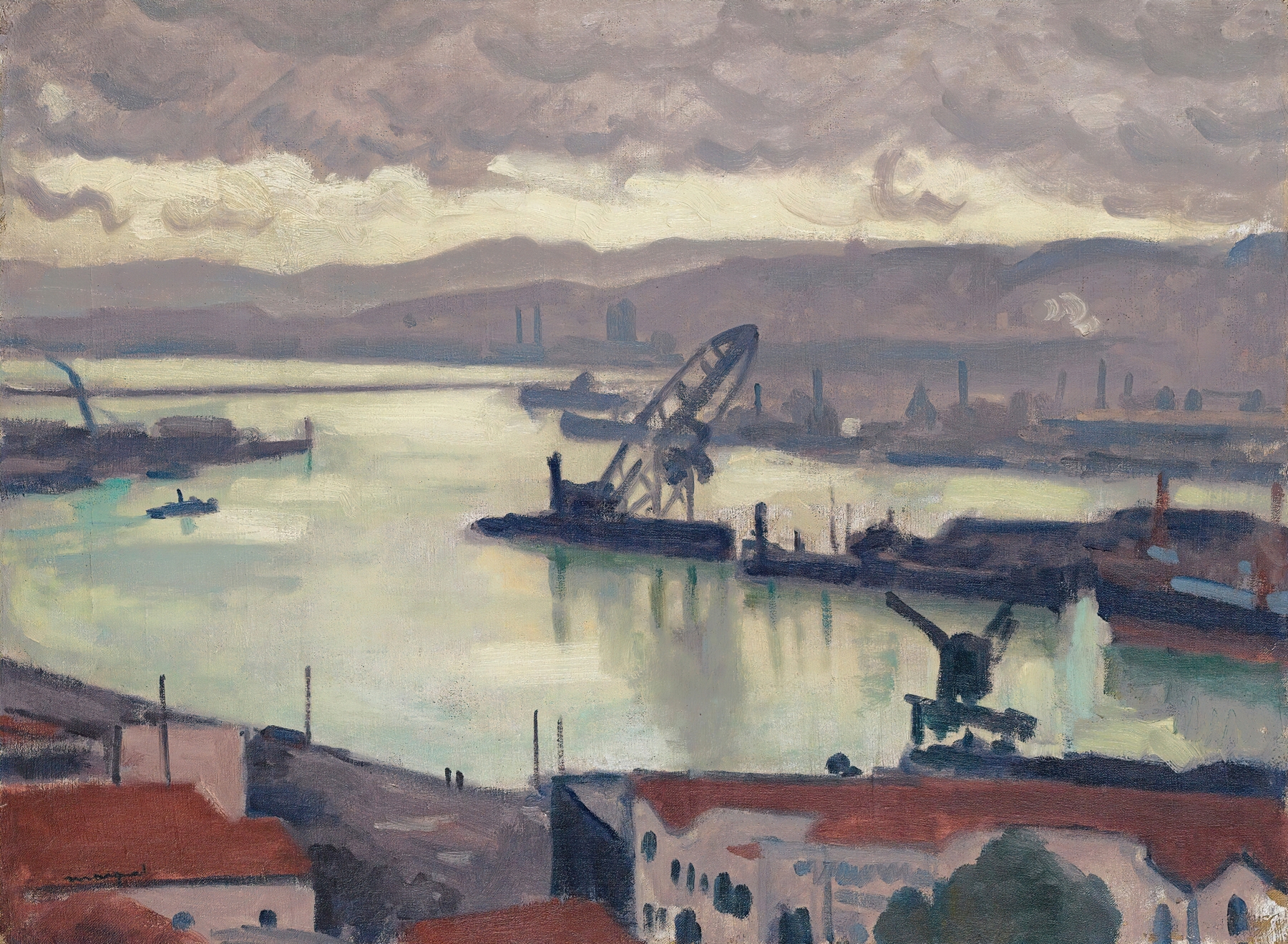
“Art reveals the soul when the world turns away.” In a moment of stillness, the beauty of life unfurls, awakening memories and dreams we often overlook. The canvas invites us into a world where color and form coalesce, prompting reflection and reverie. Look to the left at the vibrant hues of blue and green that define the tranquil waters of Audierne. The painter’s delicate brushstrokes suggest the gentle ripples of the sea, while bold, rhythmic lines depict the barrels that punctuate the scene. Notice how the light dances upon their surfaces, capturing the sun's fleeting magic and creating a dialogue between shadow and luminosity.
The composition feels effortlessly balanced, drawing the eye to the soft horizon where sky meets ocean, hinting at distance and the passage of time. Within this serene setting lies an exploration of contrast. The solidity of the barrels symbolizes human industry, while the fluidity of the water represents nature’s timeless rhythm. This dichotomy invites viewers to grapple with themes of permanence and transience, evoking a sense of nostalgia for moments lost yet eternally present.
The artist’s choice to immerse us in this quiet harbor scene awakens a yearning for simplicity in the chaos of modern life. In 1928, Marquet created this piece during a period marked by both personal and artistic transformation. Living in Paris, he was deeply influenced by Fauvism and his ongoing experimentations with color and light. This work reflects his mastery of capturing everyday scenes with a heightened sense of vibrancy and emotional depth, solidifying his place within the narrative of modern art.