Bergige Landschaft — History & Analysis
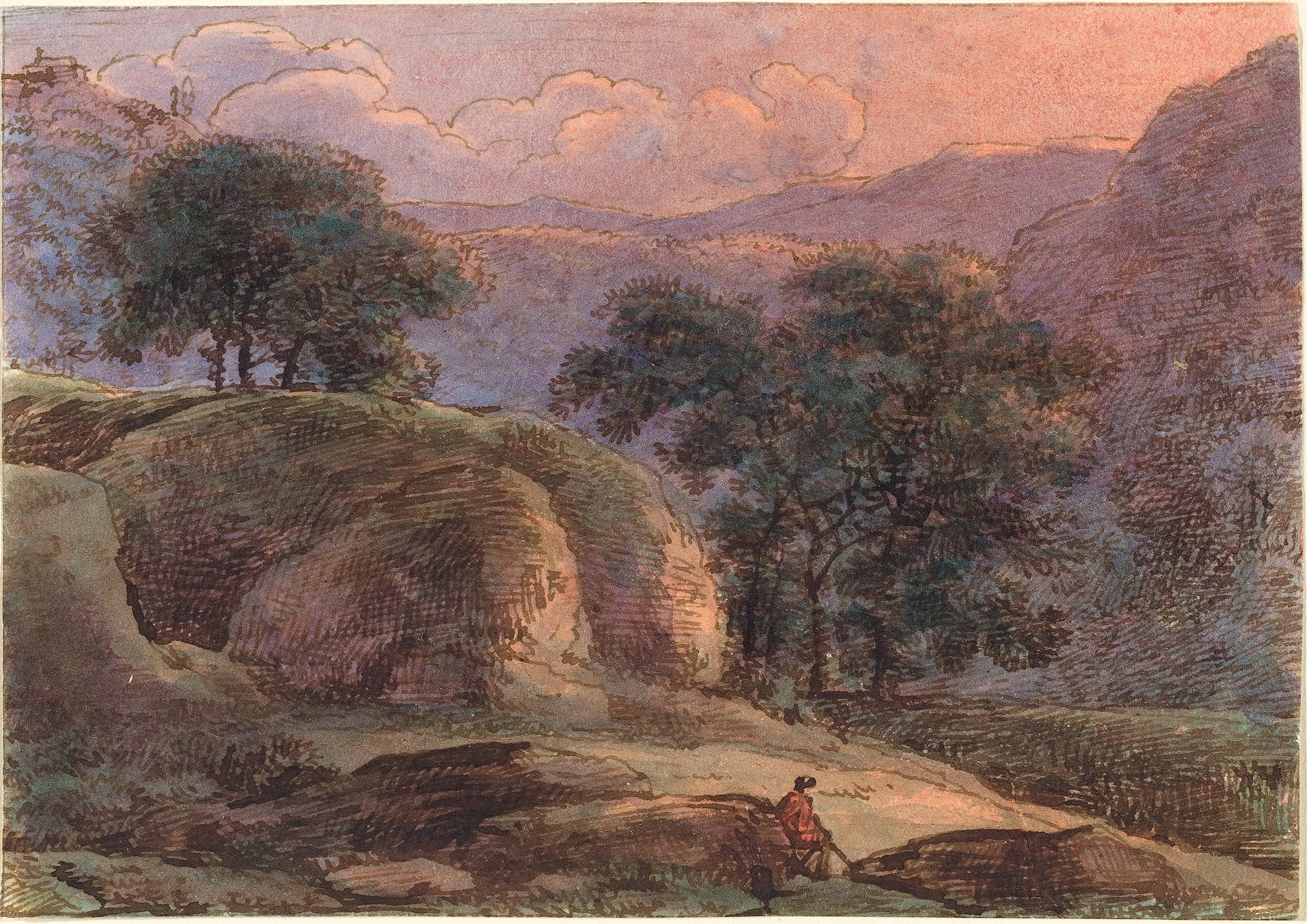
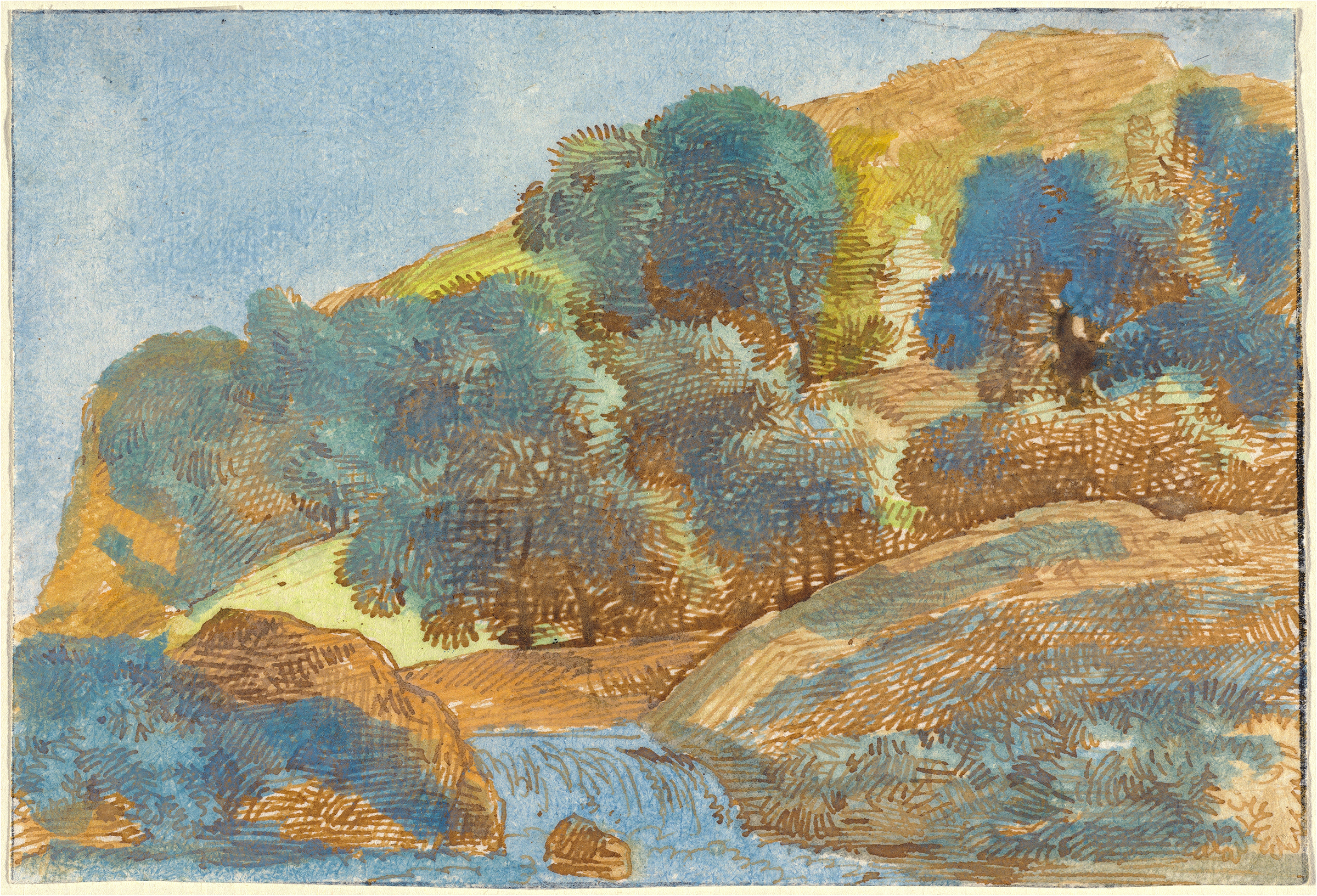
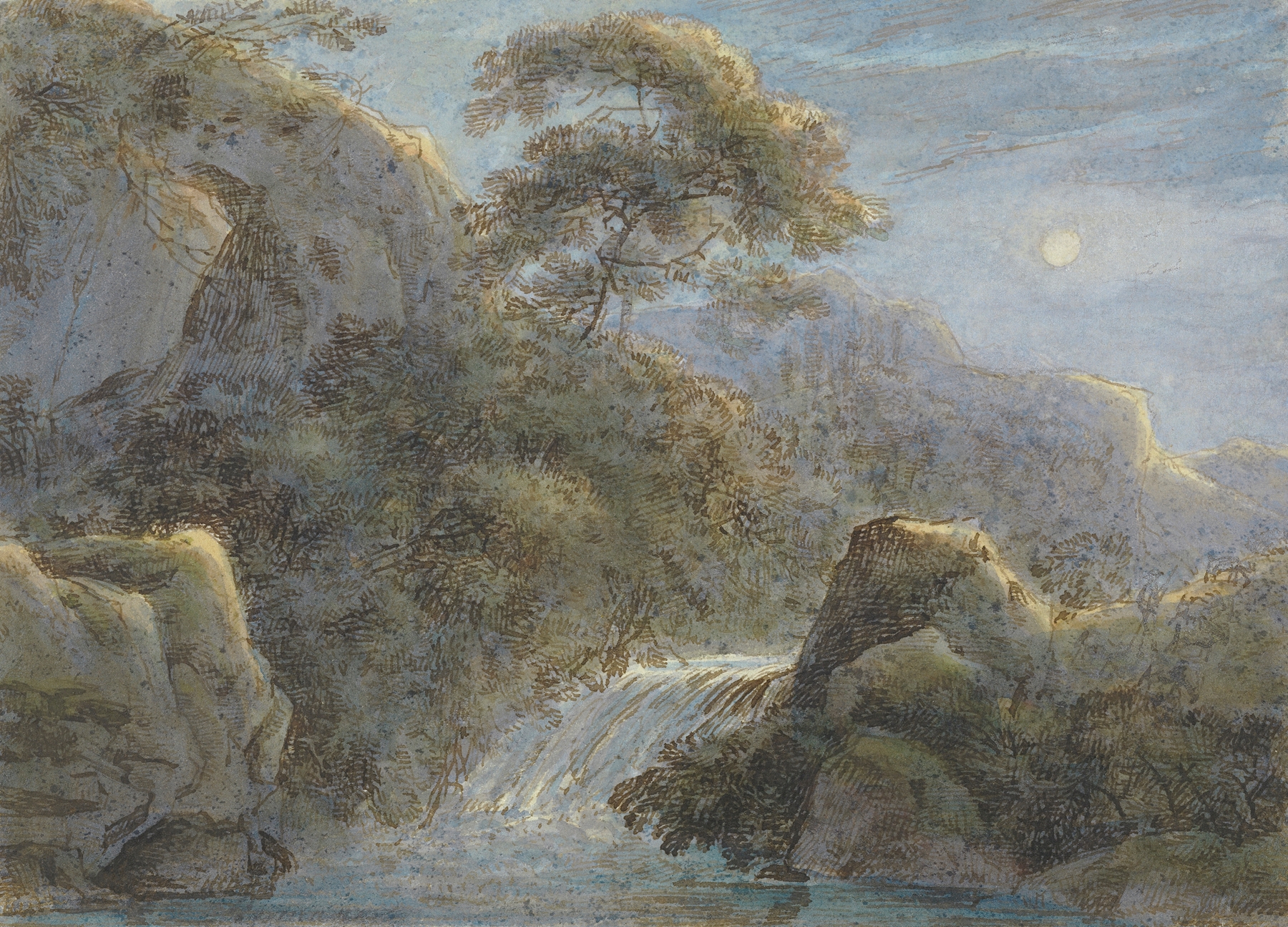
“To paint is to remember what time wants us to forget.” In the serene embrace of nature, truth unfolds in the gentle slopes of a mountainous landscape, where the past lingers like a whisper among the trees. Each brushstroke captures the essence of a moment that beckons us to pause and reflect. Look to the foreground at the interplay of rich greens and browns, where Kobell’s meticulous attention to detail reveals the texture of the earth beneath. The mountains rise majestically in the background, their peaks kissed by a soft, ethereal light that evokes both majesty and tranquility.
Notice how the composition guides your gaze upward, inviting a sense of adventure yet grounding you in the familiar warmth of the earth below. Hidden within this natural beauty lie contrasting emotions: the looming presence of the mountains suggests both stability and isolation, while the gentle curves of the land invite comfort and solace. This juxtaposition reflects the duality of truth itself—sometimes serene, at times stark—showcasing the artist’s keen understanding of nature’s complexities. The play of light and shadow further amplifies this tension, evoking a sense of introspection.
Franz Kobell created this work during a time when Romanticism was taking hold across Europe, prioritizing the emotional response to nature over classical representation. Although the exact date of this piece remains unknown, it aligns with his exploration of landscape painting in the late 18th century, a period marked by a deepening appreciation for the natural world amid the dramatic changes of the Industrial Revolution. This context enriches our understanding of his intent, urging us to reconnect with the truth nestled within the landscape.