Waterfall in the Mountains by Moonlight — History & Analysis
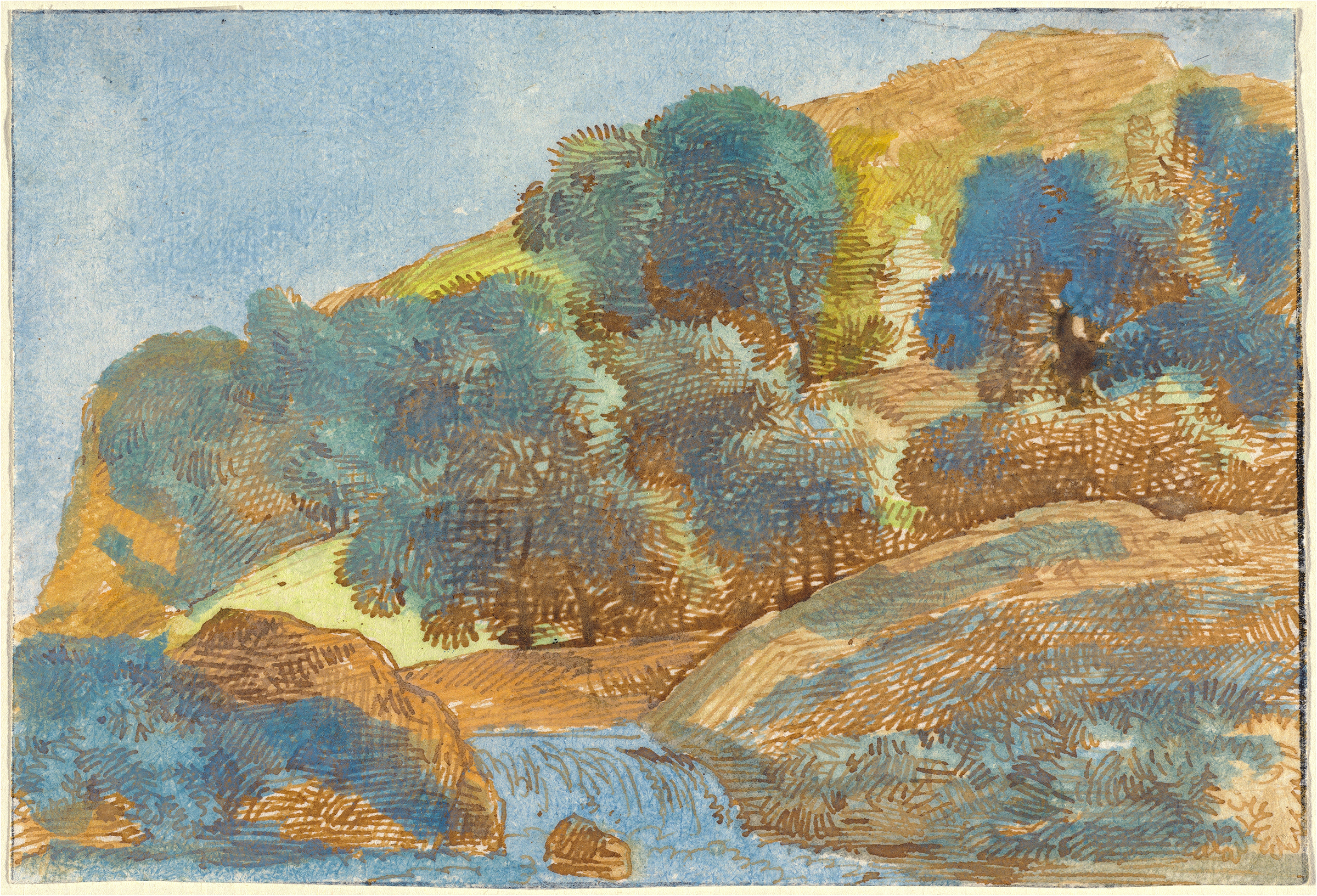
“The canvas doesn’t lie — it simply waits.” In that stillness, dreams intertwine with reality, inviting viewers into the depths of the imagination. Focus on the gentle cascade of water that seems to shimmer under the ghostly light of the moon. The cool blues and silvers dance together, reflecting the soft glow that bathes the scene in ethereal serenity. As you gaze at the rugged mountains framing the waterfall, notice the meticulous brushwork that captures the texture of the rocks, enhancing the scene's raw beauty.
The composition leads your eye through the flowing water, guiding you deeper into the tranquil landscape. The contrast between light and shadow reveals emotional layers within the painting. The silvery moonlight symbolizes hope, while the darkened mountains evoke a sense of solitude, creating a delicate balance between serenity and longing. This tension between nature’s beauty and its inherent wildness speaks to the universal human experience of searching for peace amidst chaos.
Subtle details, like the soft mist rising from the waterfall, seem to whisper secrets of a dreamscape, inviting contemplation of nature’s mysteries. Created around 1800, this work emerged during a transformative period in art, marked by a shift toward Romanticism. Kobell, working in Bavaria, was influenced by the natural landscapes that surrounded him, as well as the growing fascination with the sublime in nature. At this time, artists were increasingly drawn to explore emotional depth in their work, reflecting a society in flux, grappling with the changes brought by the Enlightenment and the rise of individual thought.