Traveler in a Mountainous Landscape at Sunset — History & Analysis
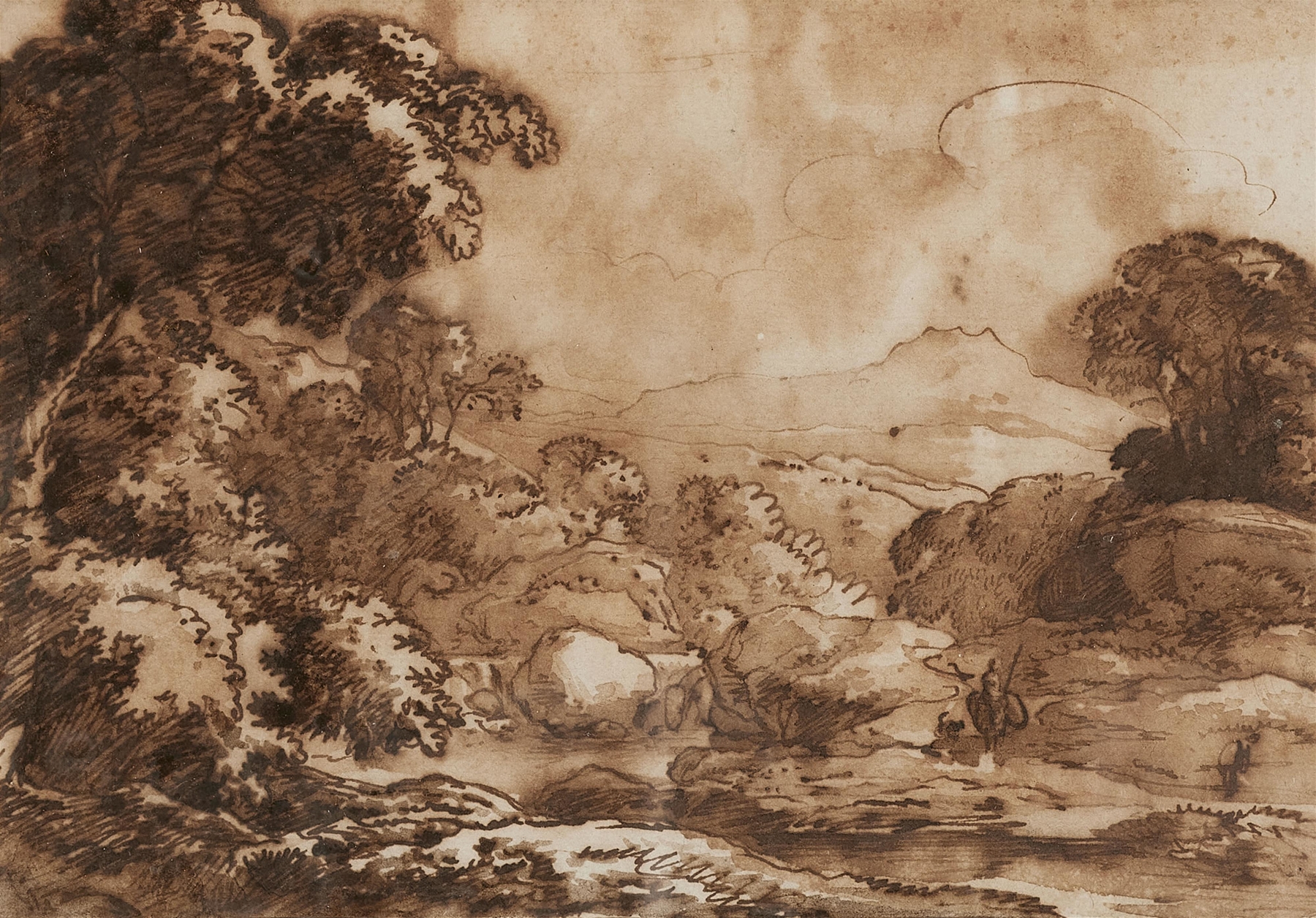
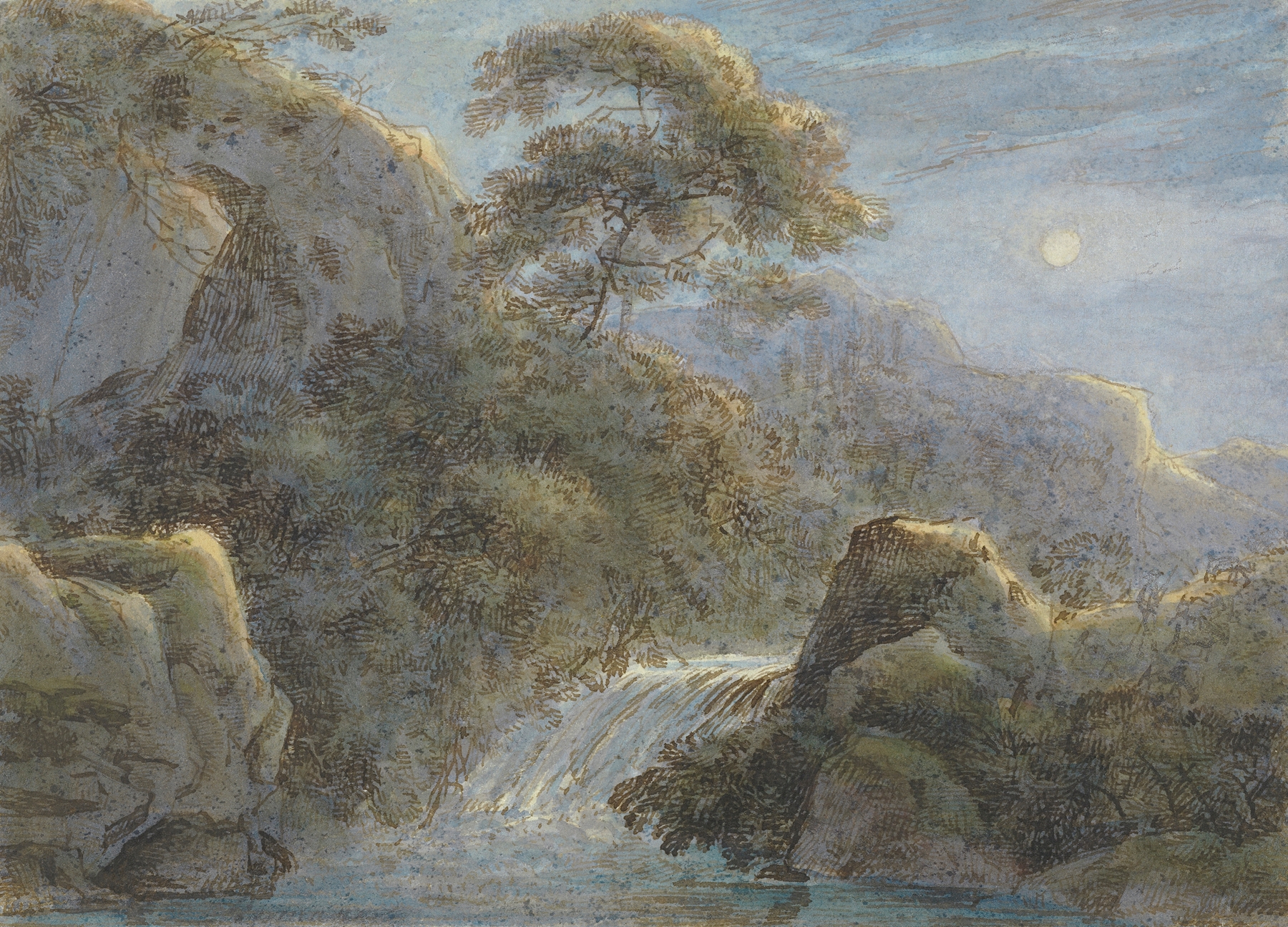
What if beauty was never meant to be finished? In the ethereal embrace of twilight, the rugged contours of a mountainous landscape invite us to question our perception of reality and illusion. Focus your gaze on the traveler, a solitary figure wrapped in contemplation as he traverses the winding path. The warm hues of sunset illuminate the scene, casting a golden veil over the peaks and valleys that cradle him.
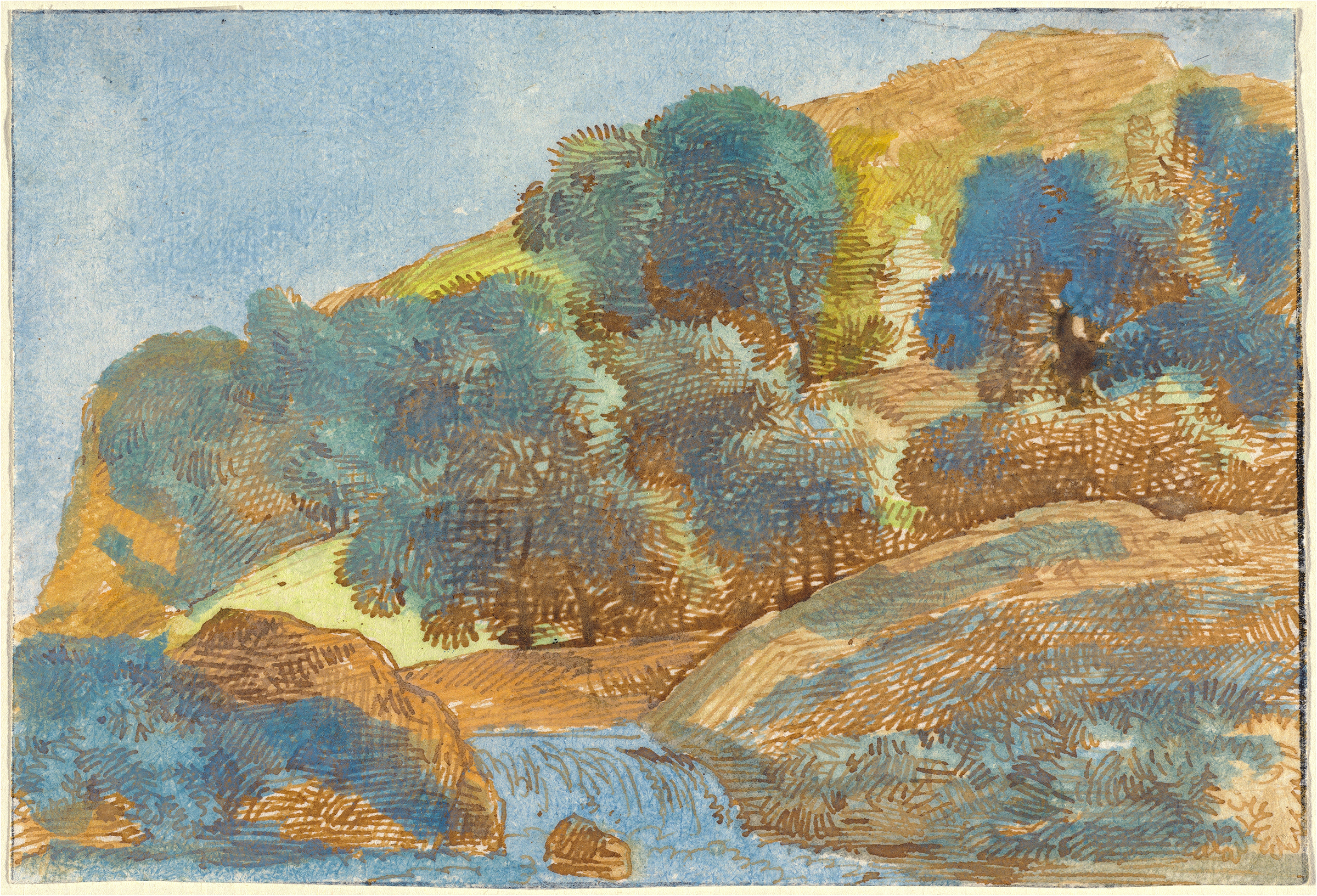
Notice how the interplay of light and shadow breathes life into the canvas, creating an almost dreamlike quality that encourages the viewer to step into this tranquil yet poignant moment in time. Yet, beneath the serene surface, a tension arises—the traveler stands at the precipice of adventure and uncertainty. The mountains loom large, symbolizing both the majesty of nature and the daunting challenges that lie ahead. Subtle details, such as the delicate brushwork that captures the undulating grass beneath his feet, evoke a sense of transience, emphasizing that the journey is as fleeting as the vibrant colors above.
In this liminal space, beauty is indeed an illusion, something perfect but unattainable. Franz Kobell painted this work between 1800 and 1805 during a period when Romanticism was igniting the art world, celebrating emotion and individual experience. Living in Germany, Kobell was influenced by the burgeoning interest in nature's sublime beauty and the human spirit's connection to it. This painting reflects not only his skillful technique but also the broader artistic movement aimed at exploring the relationship between man and the awe-inspiring landscapes that envelop him.