Römische Ruinen — History & Analysis
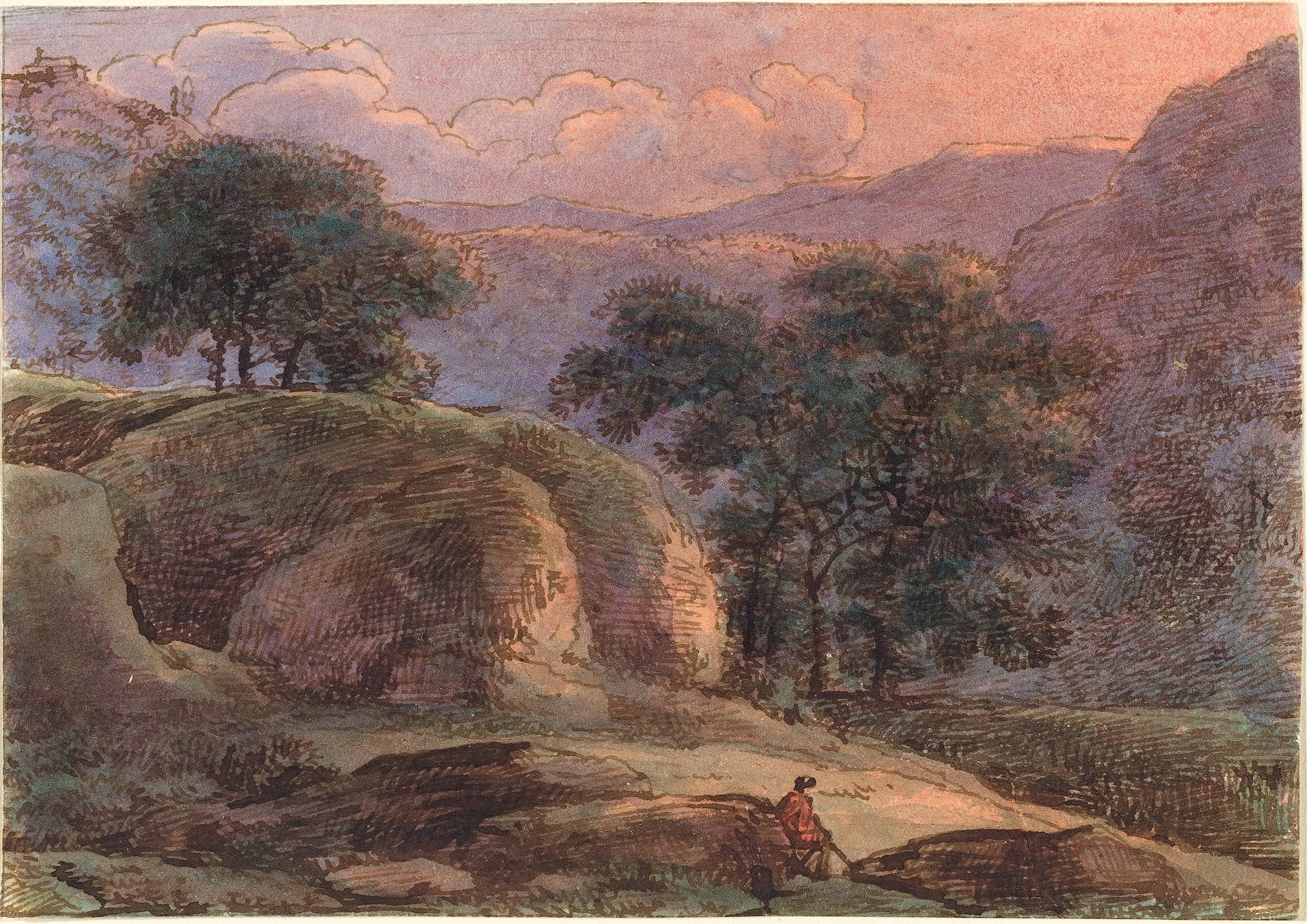
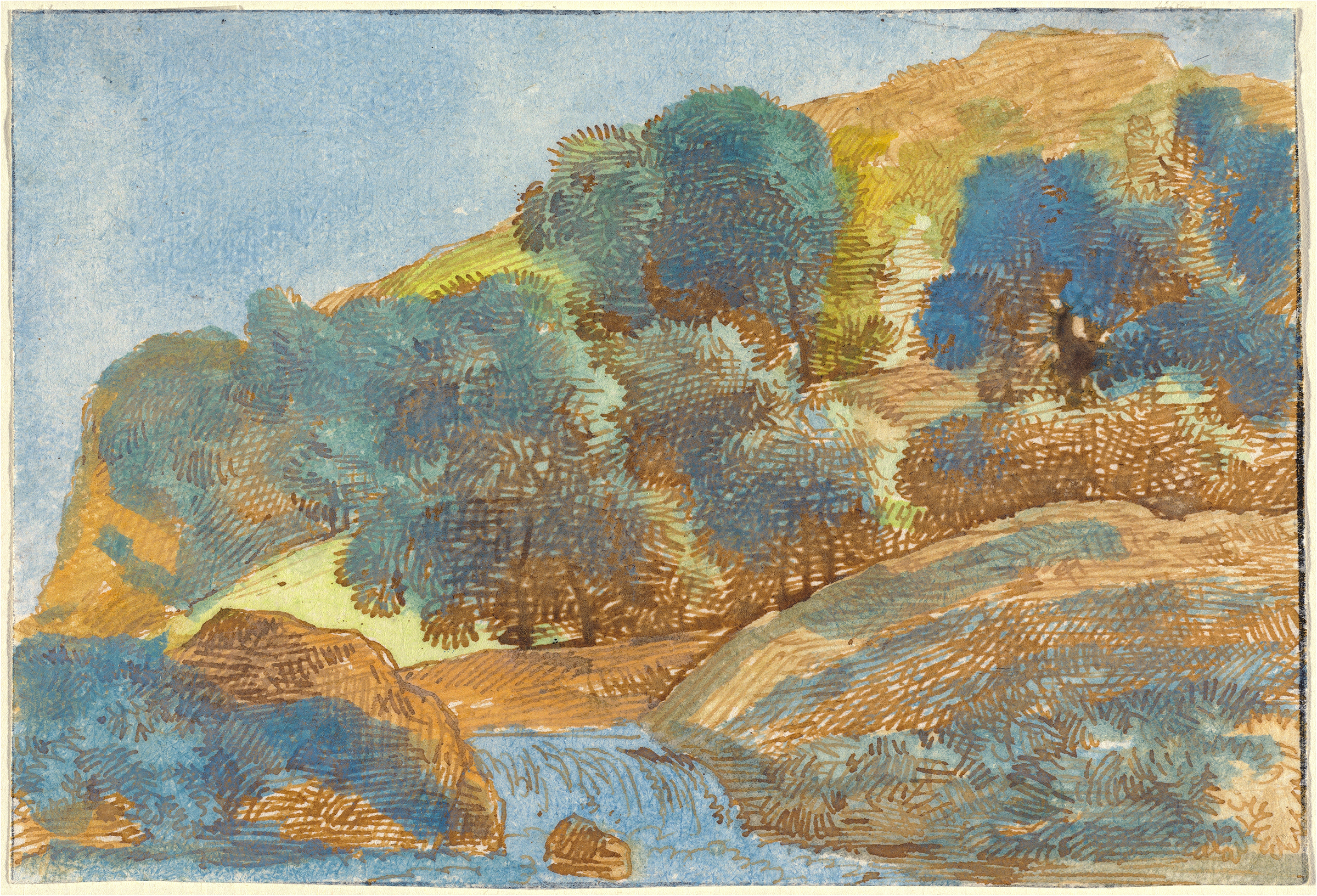
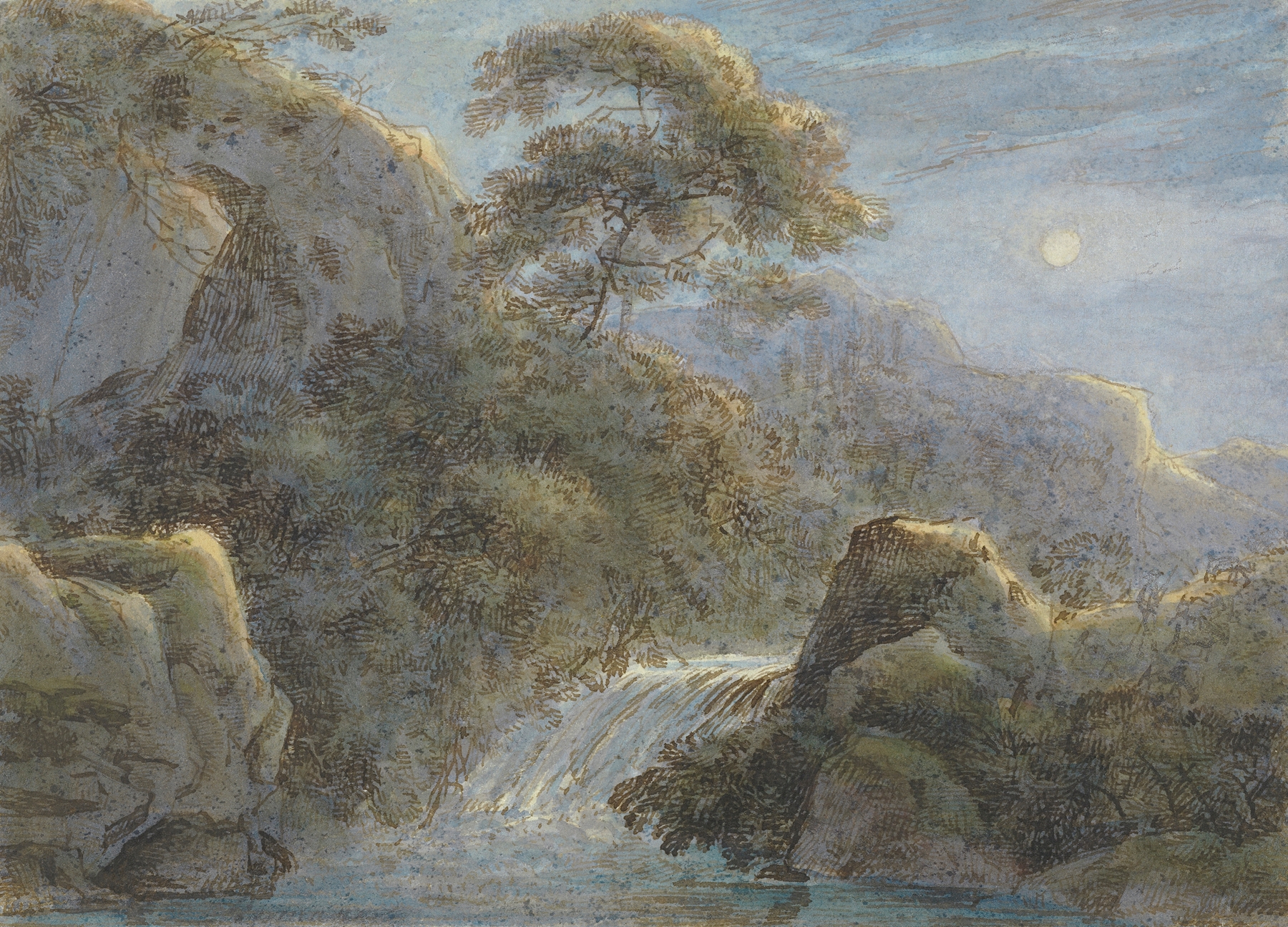
“To paint is to remember what time wants us to forget.” Shadows of antiquity dance across the canvas, whispering stories long lost in the echoes of history. They beckon us to peer into a realm where memory and decay intertwine, inviting contemplation on the nature of permanence and transience. Look to the foreground where delicate strokes delineate crumbling columns, their intricate details captured in a spectrum of muted earth tones. Notice how the subtle interplay of light and shadow breathes life into the ruins; the sun filters through remnants of stone, casting elongated silhouettes that stretch across the ground.
The composition draws the eye toward the horizon, where soft hues of blue and gold promise an eternal dusk, blurring the edges of time and inviting a moment of stillness. The emotional tension within the painting lies in its quiet contrast between the grandeur of the past and the inevitable wear of time. Each fragment of the structure stands as a testament to human ambition, yet the gentle encroachment of nature reminds us of fragility and decay. There’s an underlying melancholy in the way shadows cling to the ruins, suggesting that even the most formidable creations are vulnerable to the passage of time.
Kobell painted this piece during a period when the Romantic movement was flourishing across Europe, capturing the imagination through themes of nostalgia and ruins. Working in Germany in the mid-19th century, he was influenced by both neoclassical ideals and burgeoning naturalism, reflecting a growing fascination with landscapes and antiquity. The work encapsulates his search for beauty amid decay, mirroring his contemporaries' exploration of the sublime and the evanescent nature of existence.