Bij het Entrepot — History & Analysis
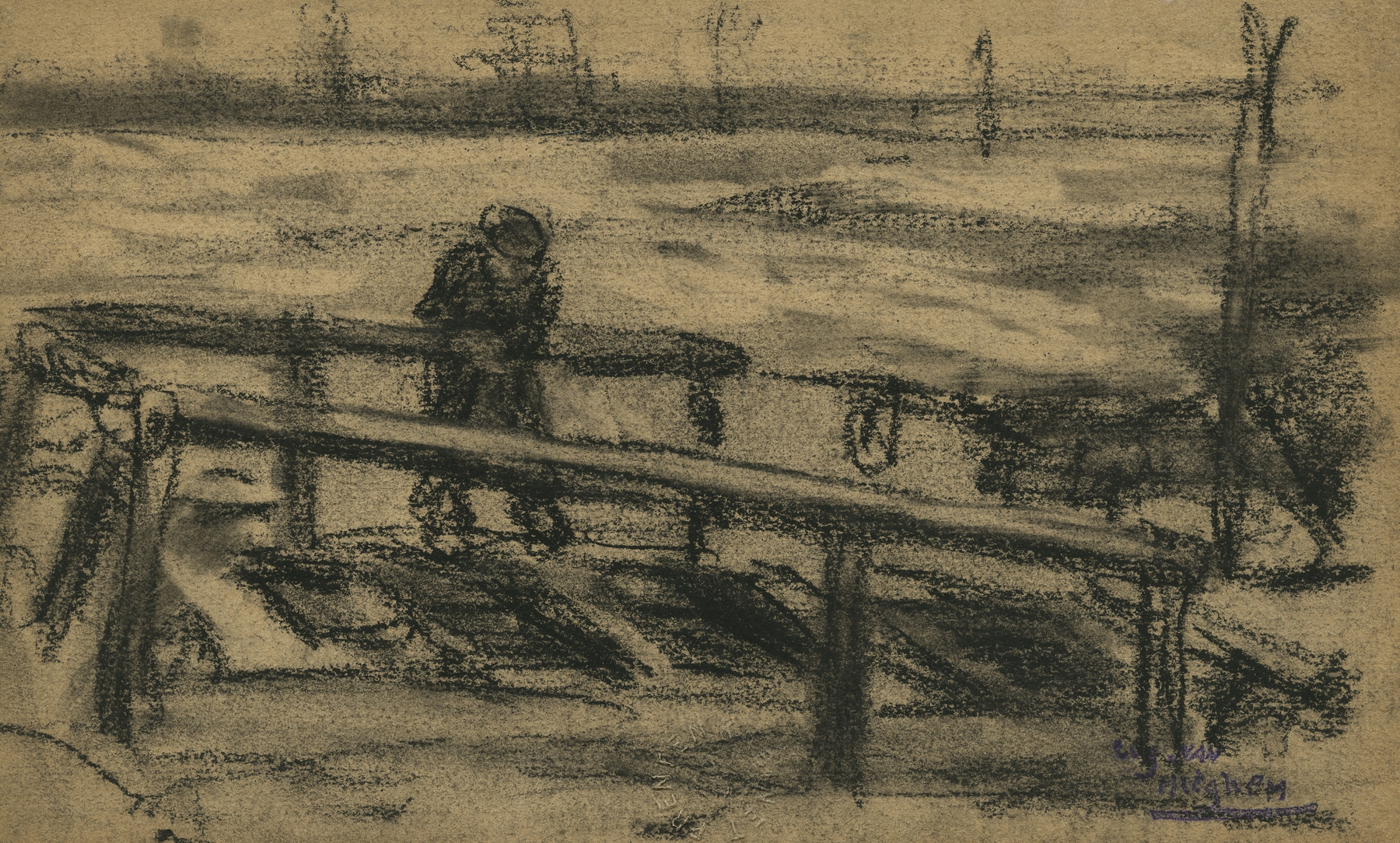
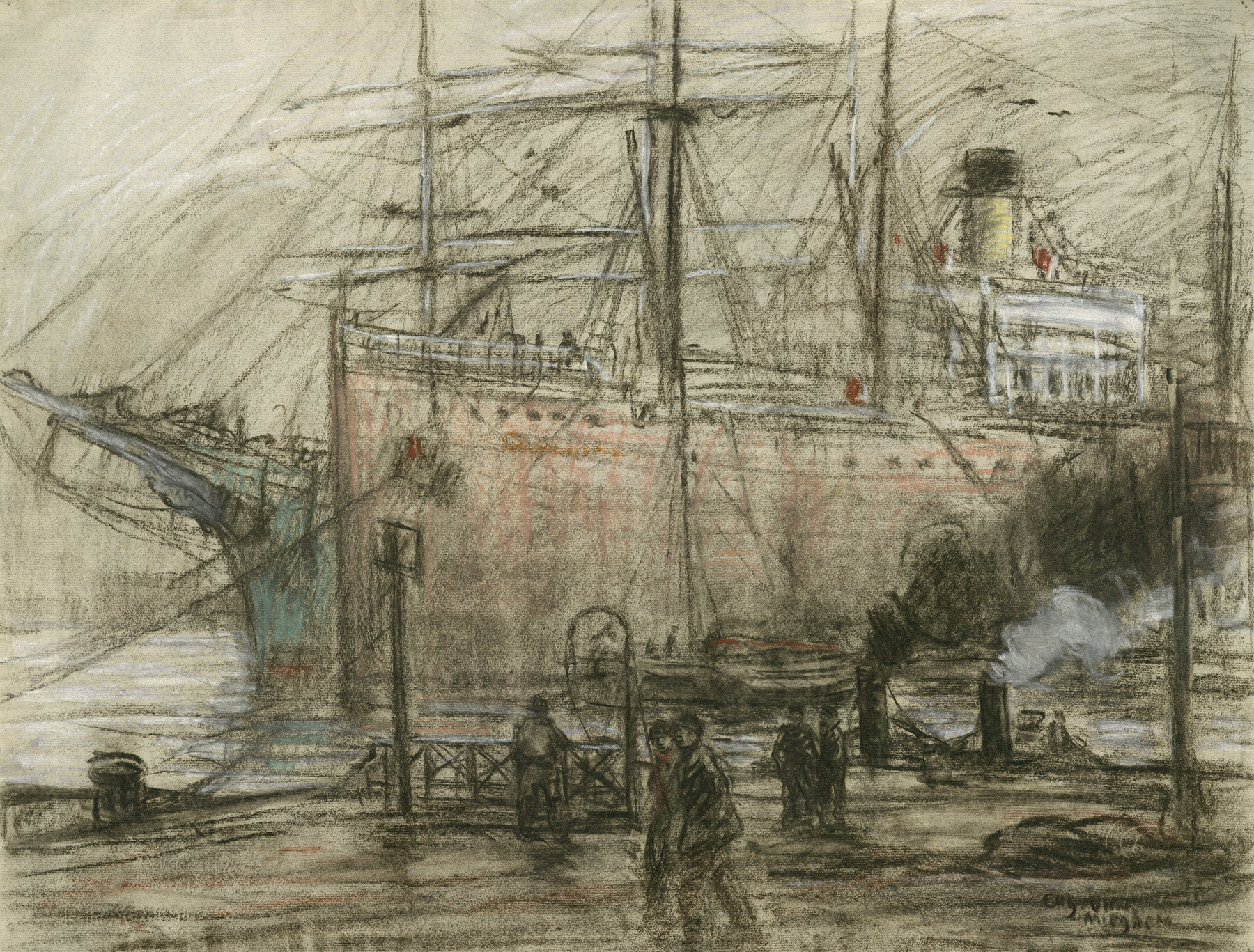
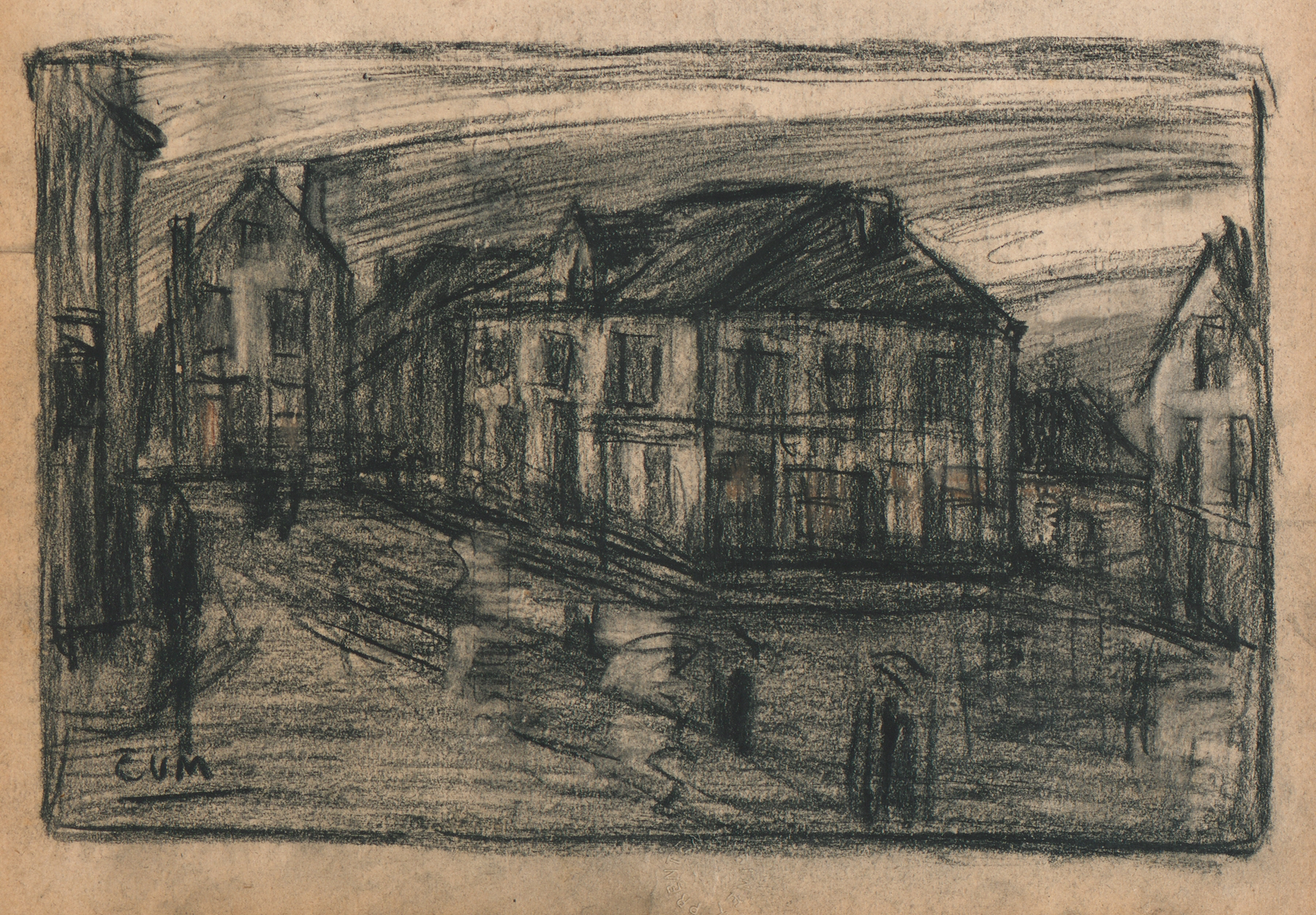
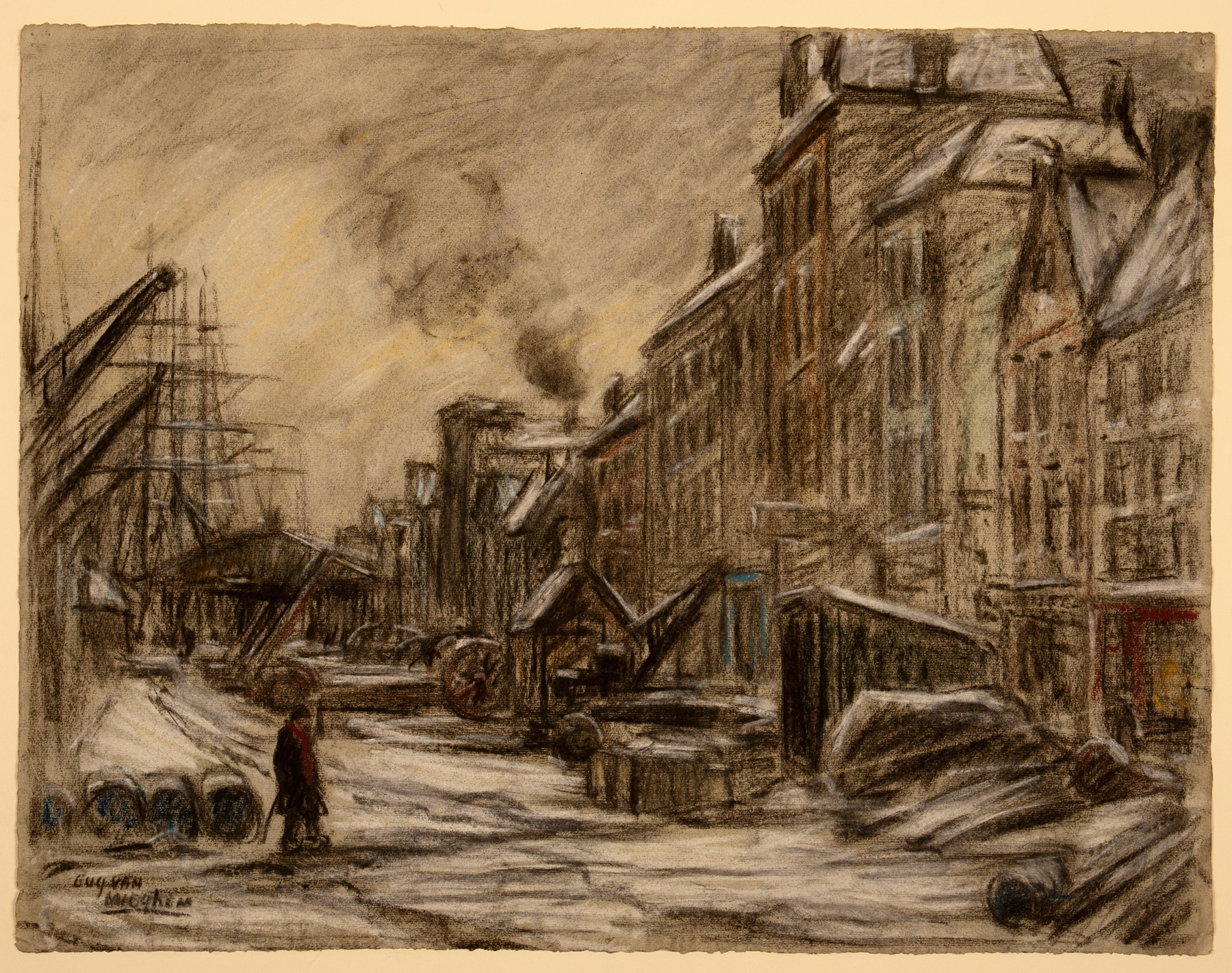
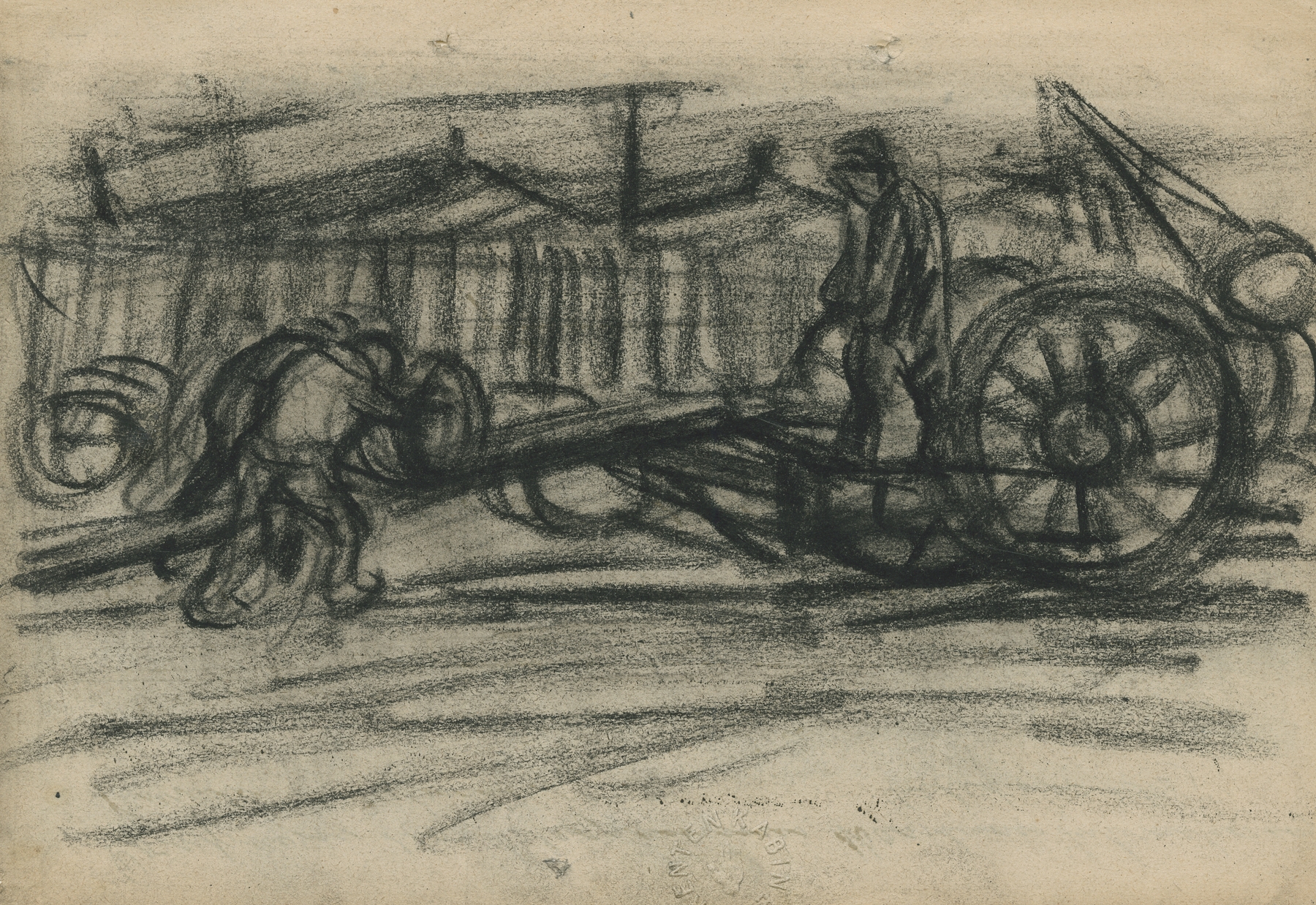
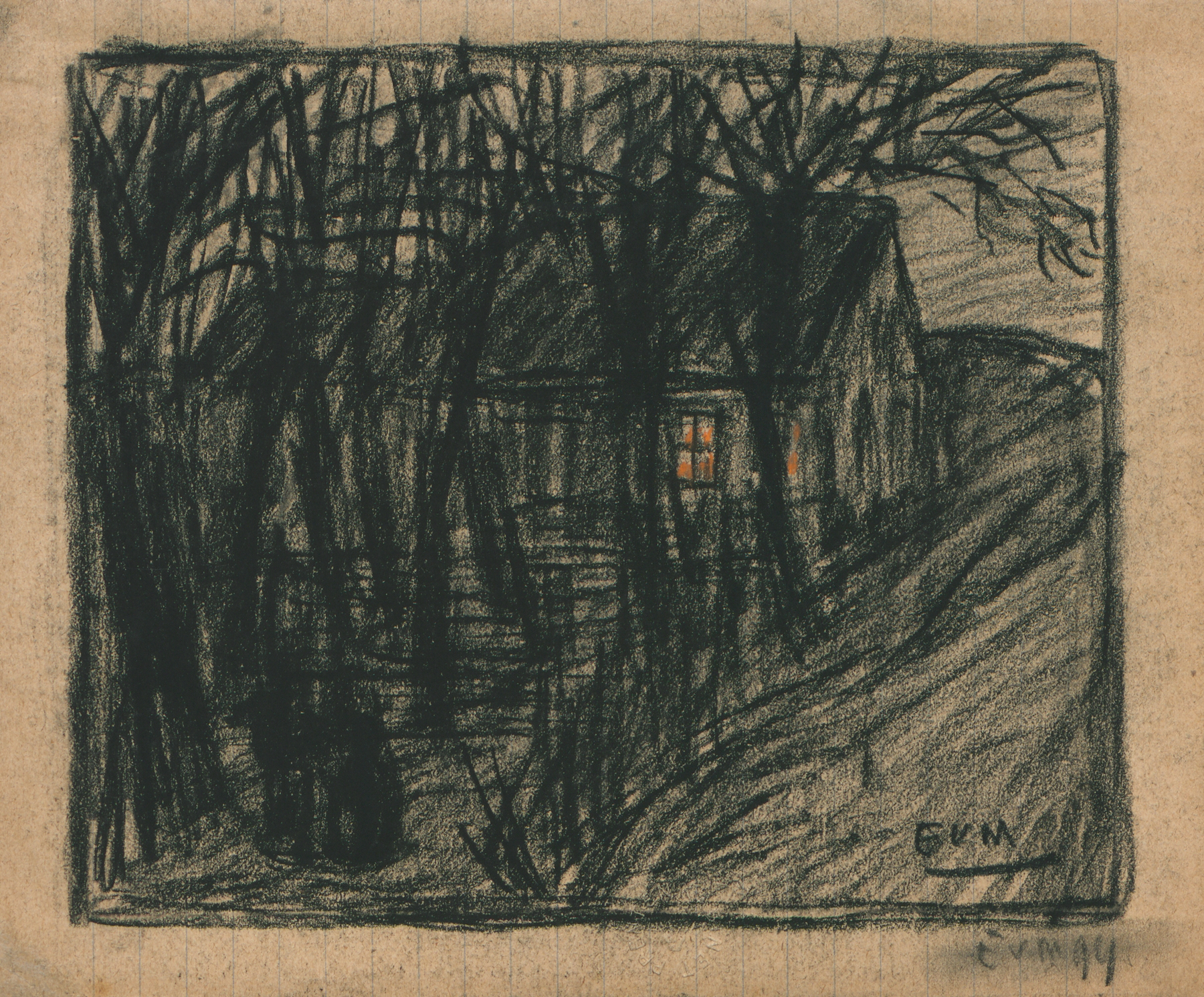
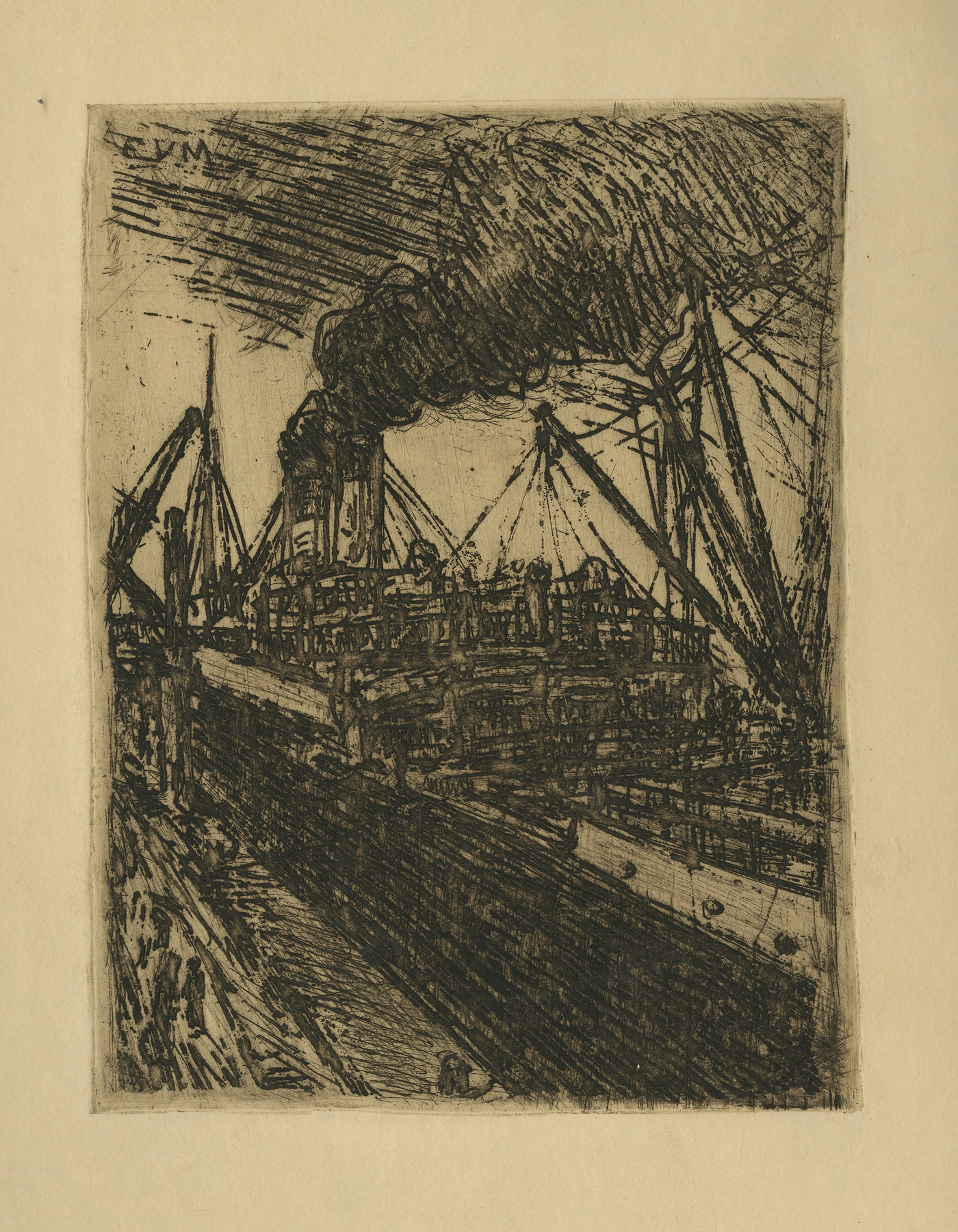
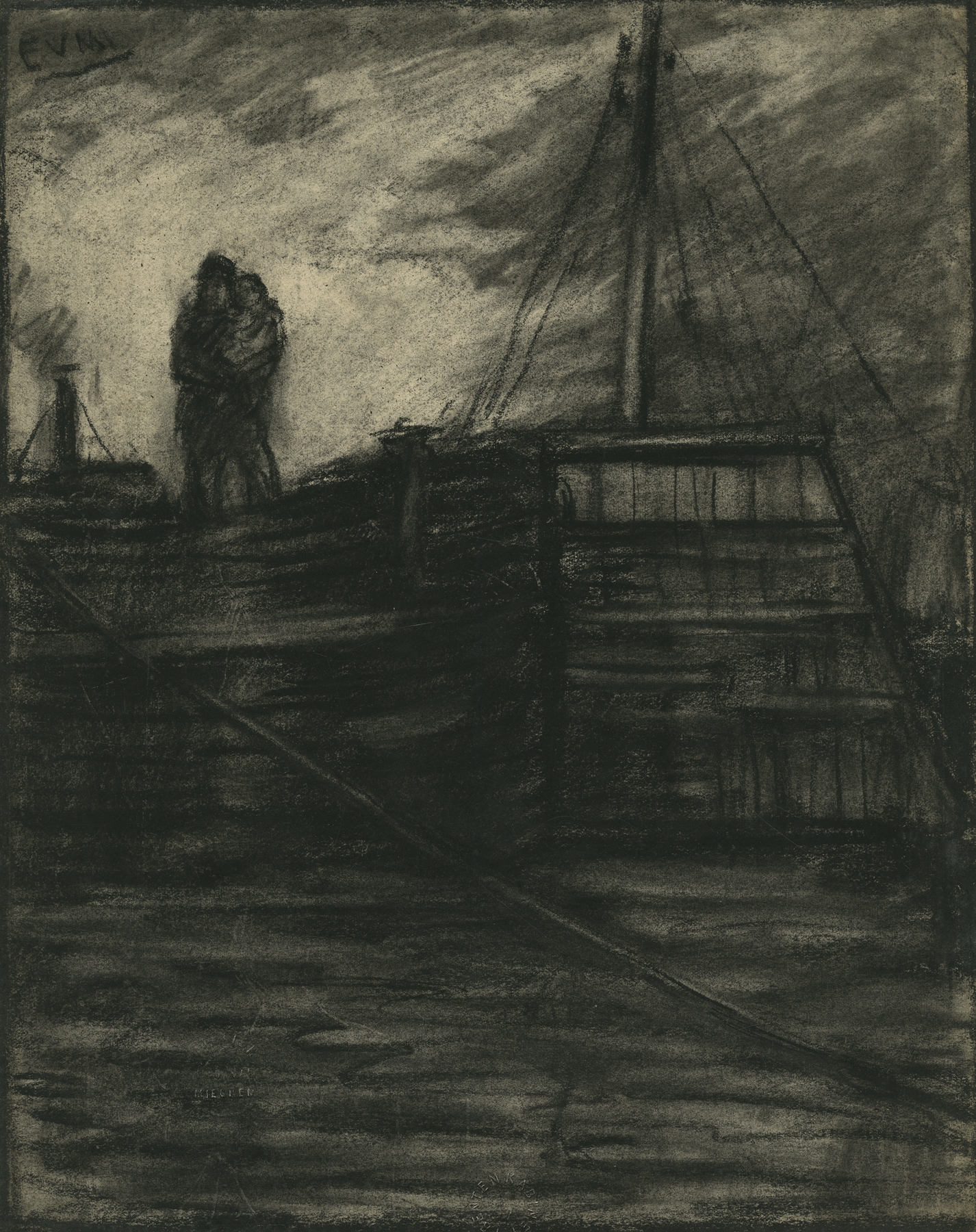
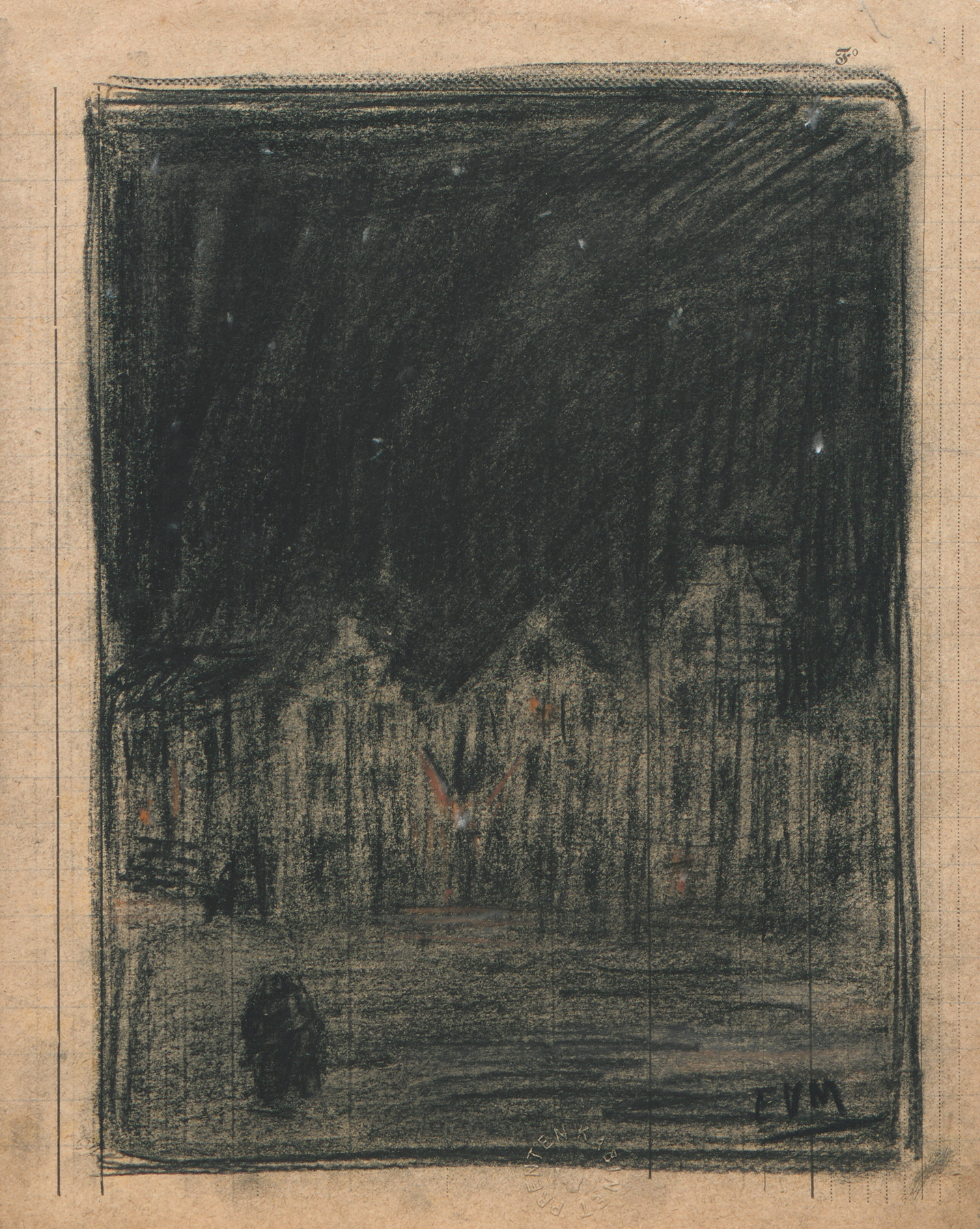
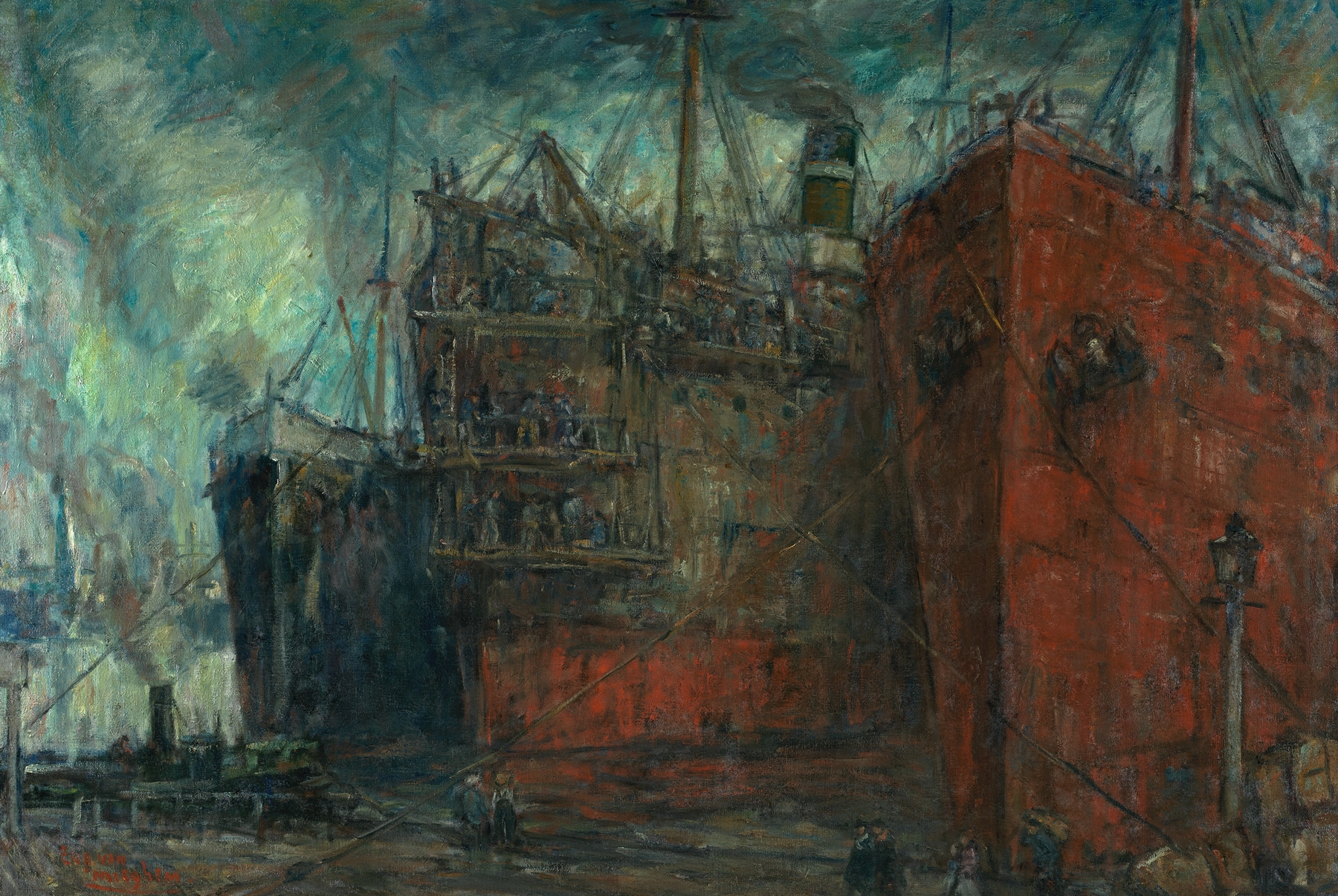
Where does light end, and longing begin? This question resonates within the depths of Bij het Entrepot, a poignant exploration of the interplay between illumination and desire. Look to the left at the figures silhouetted against the industrial backdrop, their forms etched in shadow. Notice how the soft, warm light bathes the scene, contrasting with the cold, hard lines of the warehouse. The muted palette, dominated by earthy browns and grays, encapsulates a sense of weariness, yet the delicate touches of light suggest fleeting hope.
Each figure, absorbed in their own world, seems to echo the longing for connection amidst the starkness of their surroundings. In the foreground, the subtle tension between movement and stillness plays out through the gestures of the workers. Their postures indicate a shared burden, yet their gazes turn inward, hinting at unfulfilled aspirations. The juxtaposition of the dynamic light against the static structures reflects the struggle between ambition and the harsh reality of labor.
Additionally, the shadows cast by the overhead beams speak to the weight of their existence, creating a haunting ambiance of both isolation and camaraderie. Eugeen Van Mieghem painted this work in 1912 while living in the vibrant harbor city of Antwerp, which served as a crucible of industrial change. During this time, he focused on the lives of dockworkers, capturing their daily struggles with empathy and realism. The art world was evolving, and his commitment to portraying the human condition amidst the backdrop of industry positioned him as a significant voice in the narrative of social realism.