Bleiche auf den Dünen bei Katwijk — History & Analysis
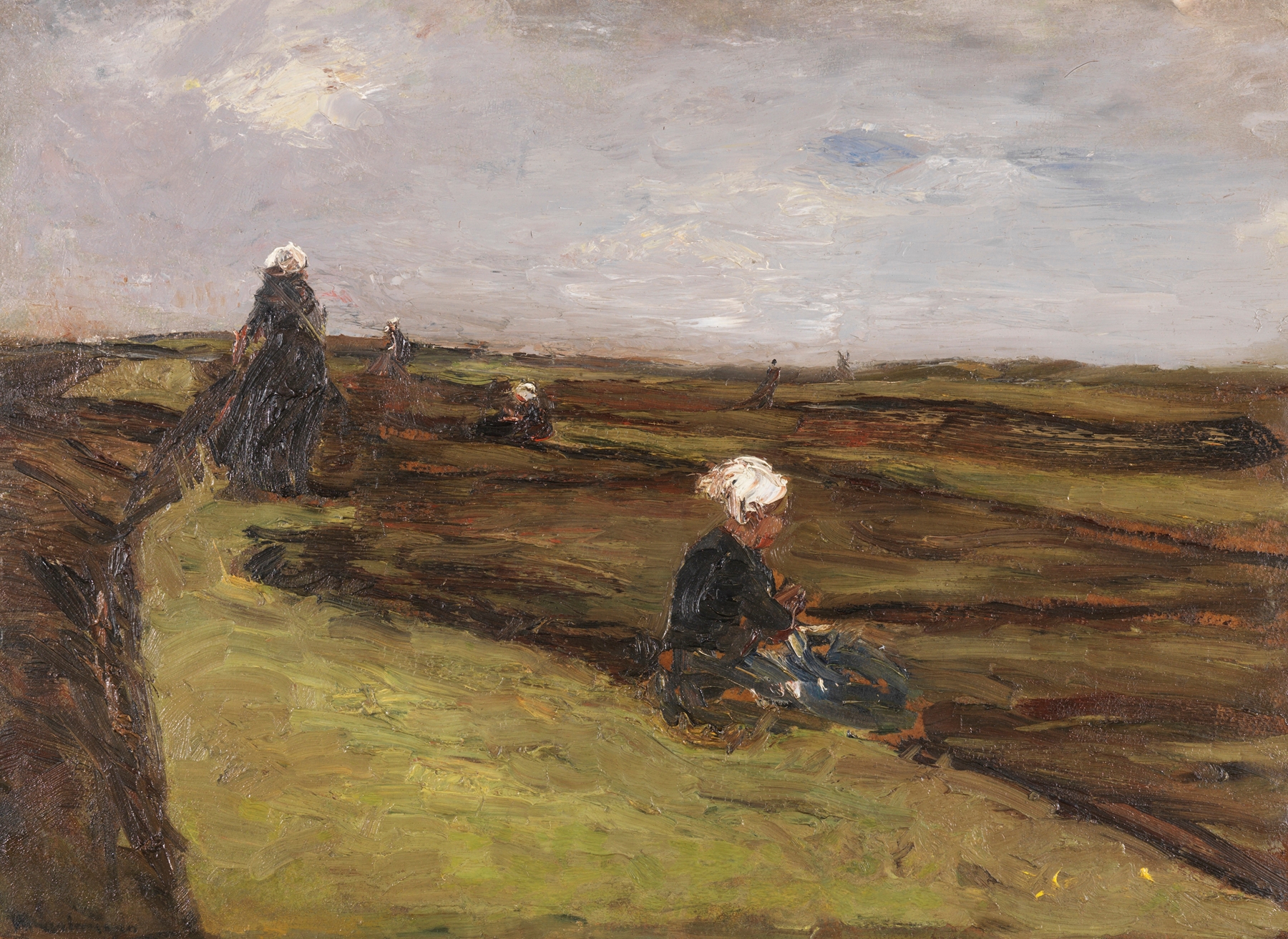
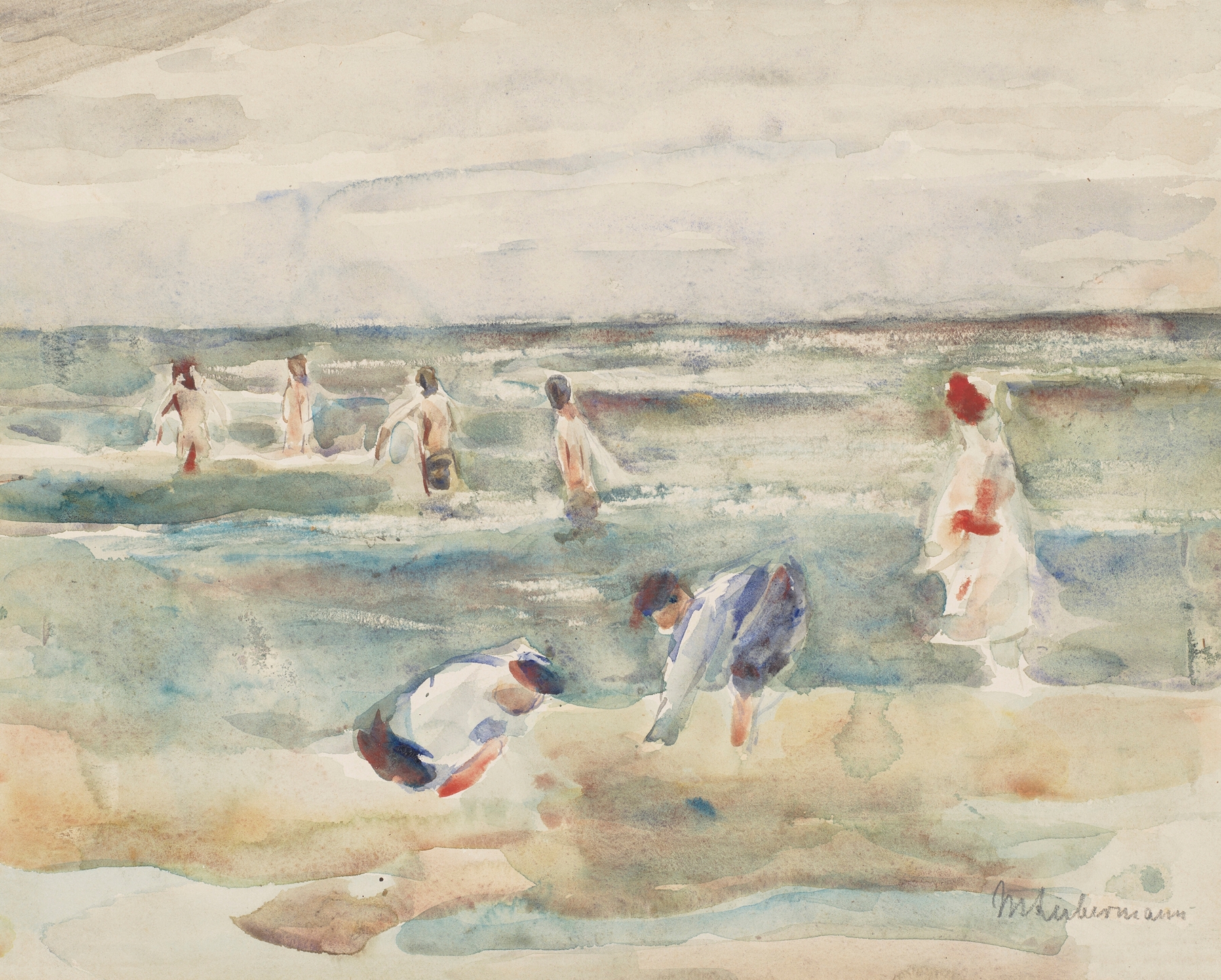
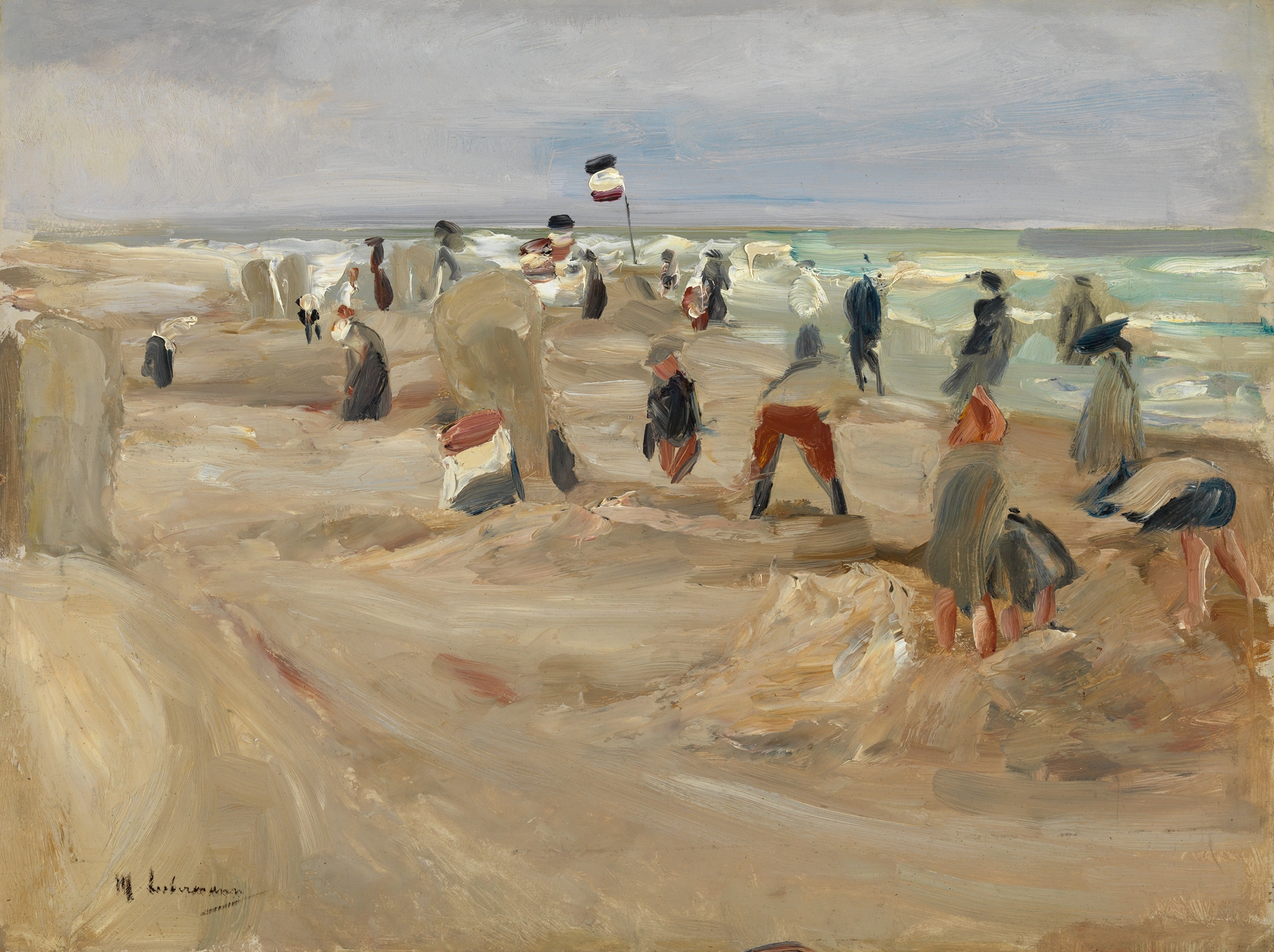
Is this a mirror — or a memory? In Bleiche auf den Dünen bei Katwijk, the viewer is invited to contemplate the delicate interplay between solitude and nature, a poignant reflection on human experience intertwined with the natural world. Look to the left at the soft, muted hues that envelop the dunes, where the light filters gently over the sandy expanse. The brushstrokes are fluid and expressive, capturing the ephemeral quality of the moment. Notice how the wind seems to sweep through the scene, creating a sense of movement that contrasts with the stillness of the figures in the foreground.
Their presence is minimal yet evocative, emphasizing the vastness of the landscape around them. Within the tranquility lies an undercurrent of loneliness. The solitary figures, seemingly absorbed in their own thoughts, suggest introspection as they navigate their place within the desolate beauty of the dunes. The contrast between the expansive sky and the figures’ isolation evokes a powerful tension, urging viewers to consider the depth of their own solitude amidst the grandeur of nature.
Each detail, from the swaying grasses to the distant horizon, contributes to a narrative of longing and quiet reflection. In 1890, while working in the coastal town of Katwijk, the artist was immersed in a burgeoning movement of Impressionism. At this time, Liebermann was exploring the interplay of light and texture, transforming his observations of everyday life into rich visual poetry. The painting emerged during a period of personal growth and artistic exploration, as Liebermann sought to transcend mere representation and delve deep into the emotional resonance of his surroundings.