Die Blumenterrasse im Wannseegarten nach Nordwesten — History & Analysis
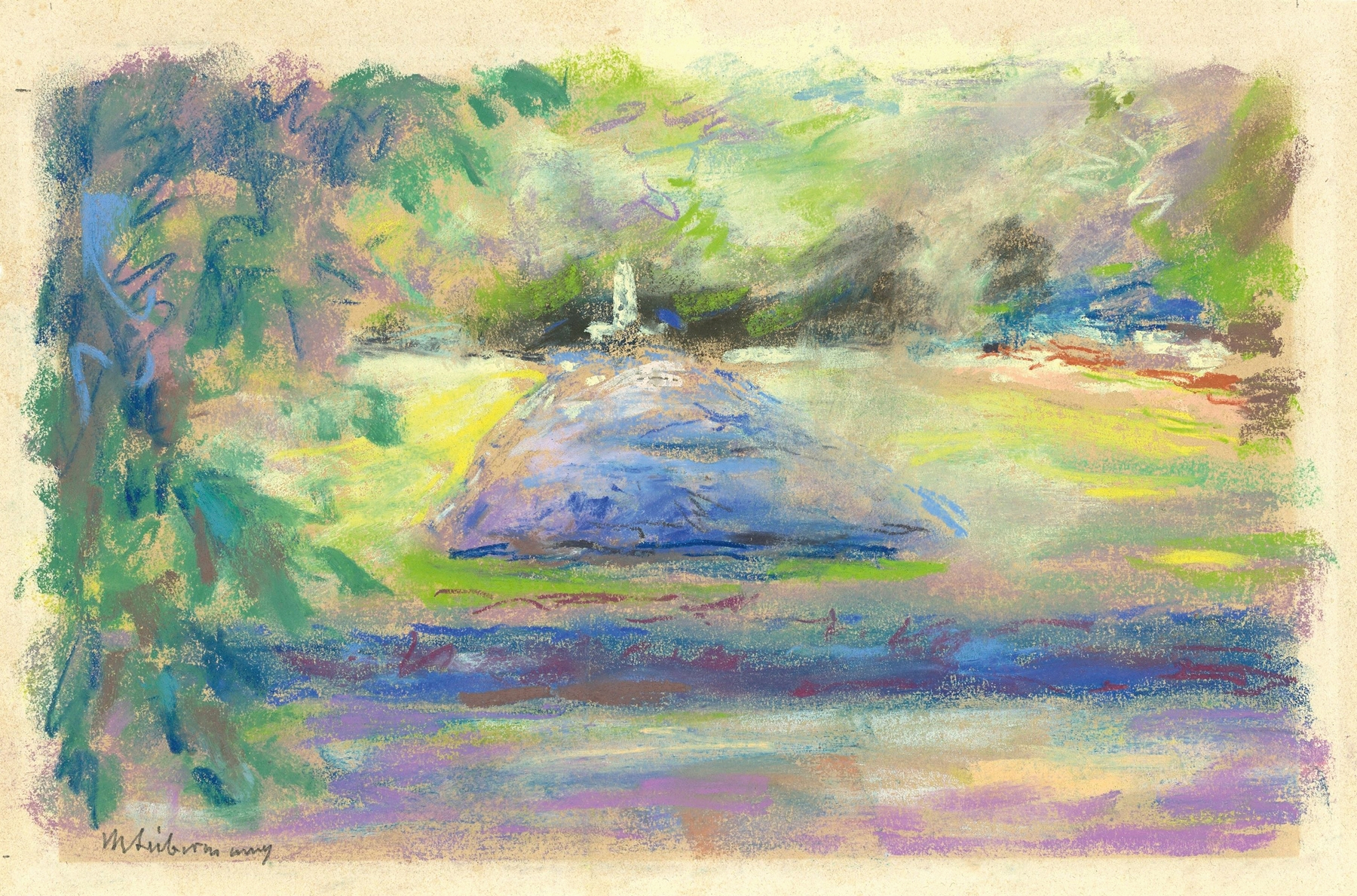
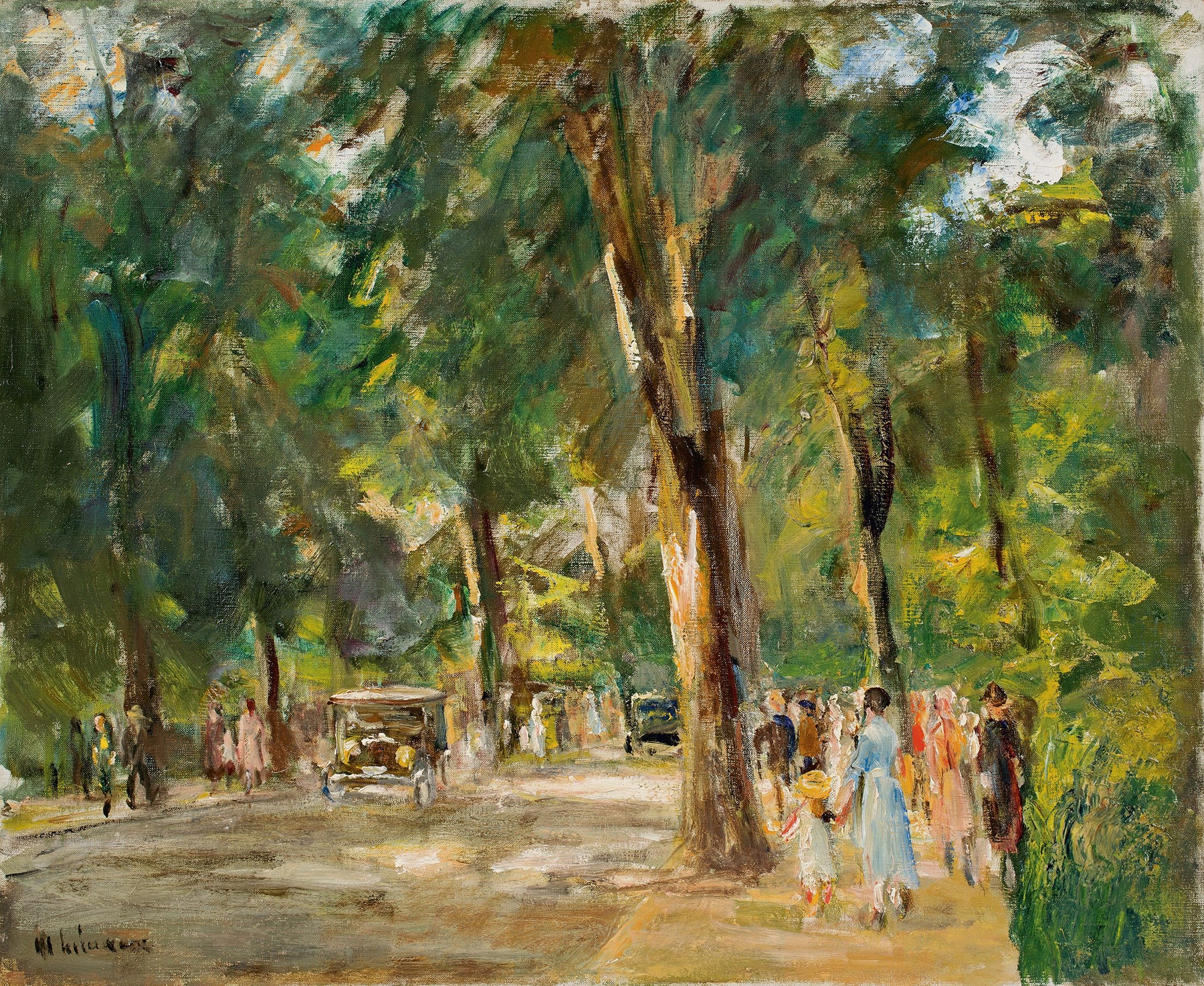
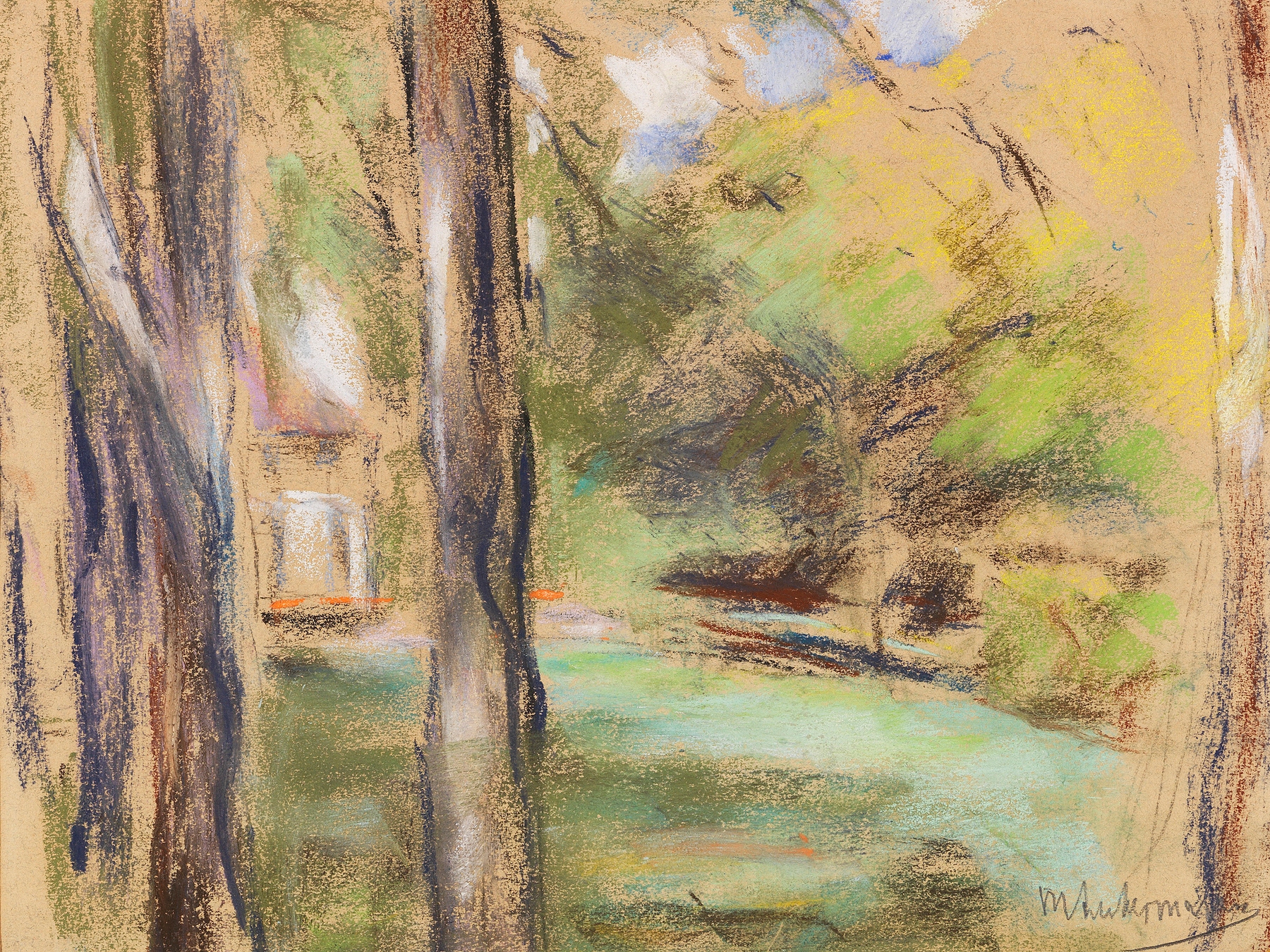
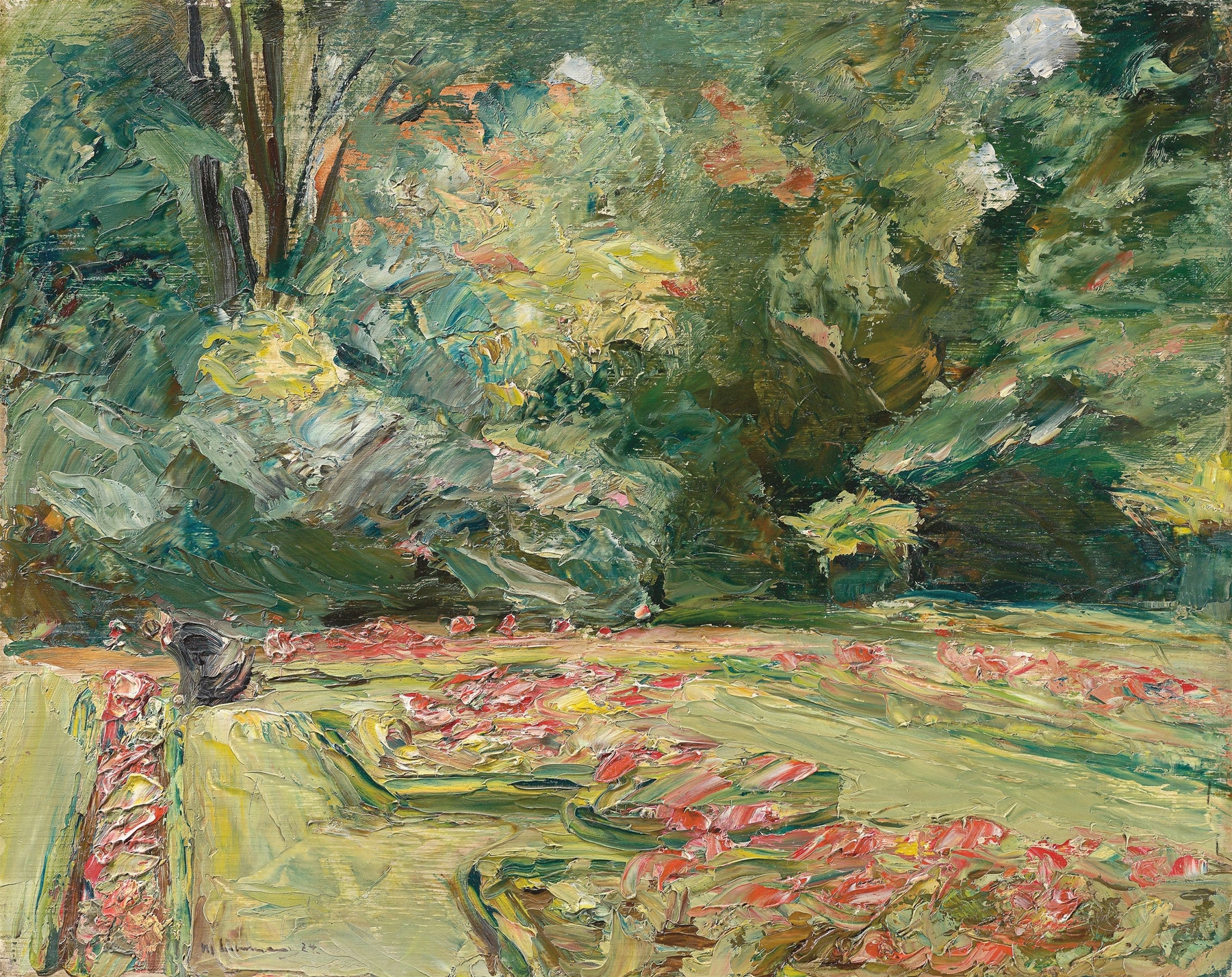
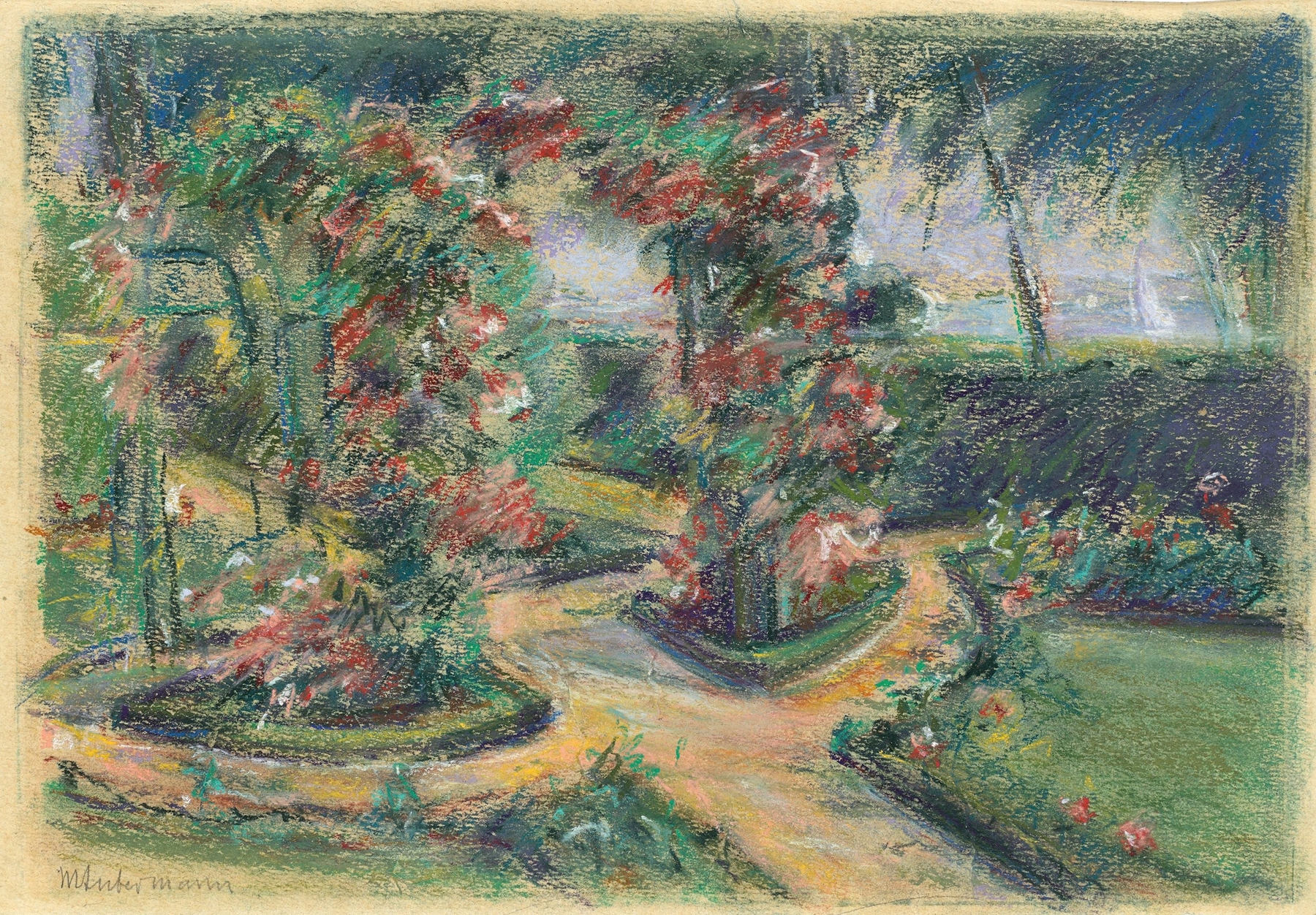
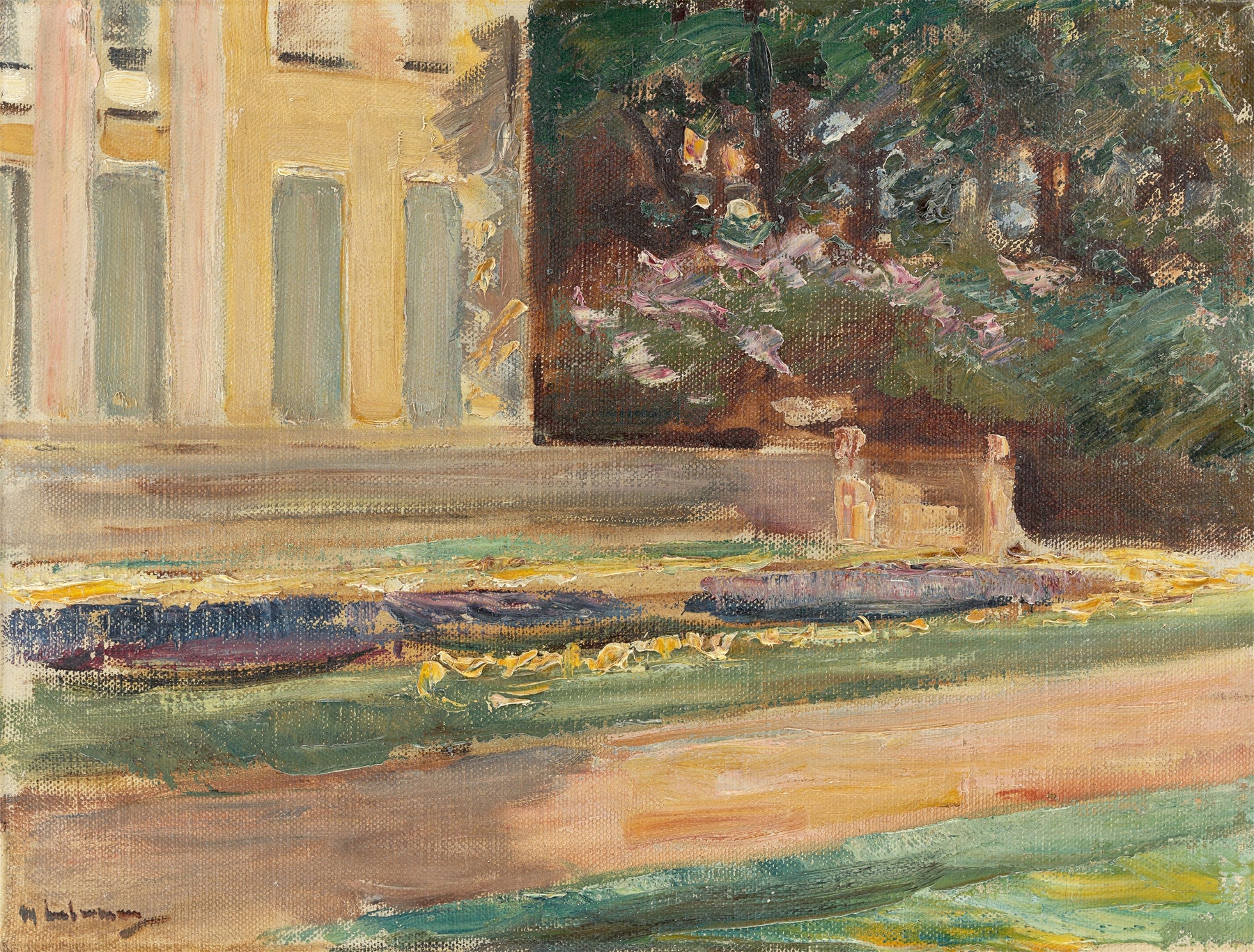
“Sometimes beauty is just pain, disguised in gold.” In the delicate dance of petals and leaves, there lies a whisper of longing and a pulse of life beneath the surface. Focus on the vibrant bursts of color that beckon you forward. Notice how the painter has arranged the flowers in a cascade of hues that seem to shimmer under the soft, dappled sunlight filtering through the garden. The play between light and shadow creates an enchanting rhythm, guiding your eyes along the winding path where nature’s bounty flourishes.
Each blossom, carefully articulated, draws attention not only to their beauty but also to the fleeting moments they represent. Yet beneath this serene facade lies a deeper narrative. The juxtaposition of the blooming flowers against the starkness of their container evokes a tension between vitality and confinement. Here, the garden is not merely an escape; it becomes a metaphor for the complexities of existence—vibrancy inevitably tinged with the ephemeral nature of beauty.
This subtle movement—where life burgeons yet remains contained—carries an emotional weight, hinting at the artist's consciousness of time and transience. In 1918, during the aftermath of World War I, the artist painted this work in his garden at Wannsee, a place of personal retreat and renewal. At this time, Liebermann was grappling with the chaos surrounding him, reflecting broader anxieties within the art world as modernism began to take shape. His choice to focus on the quietude of nature speaks to a yearning for peace amid turmoil, encapsulating a moment of solace that resonates even today.