Die Große Seestraße in Wannsee mit Spaziergängern — History & Analysis
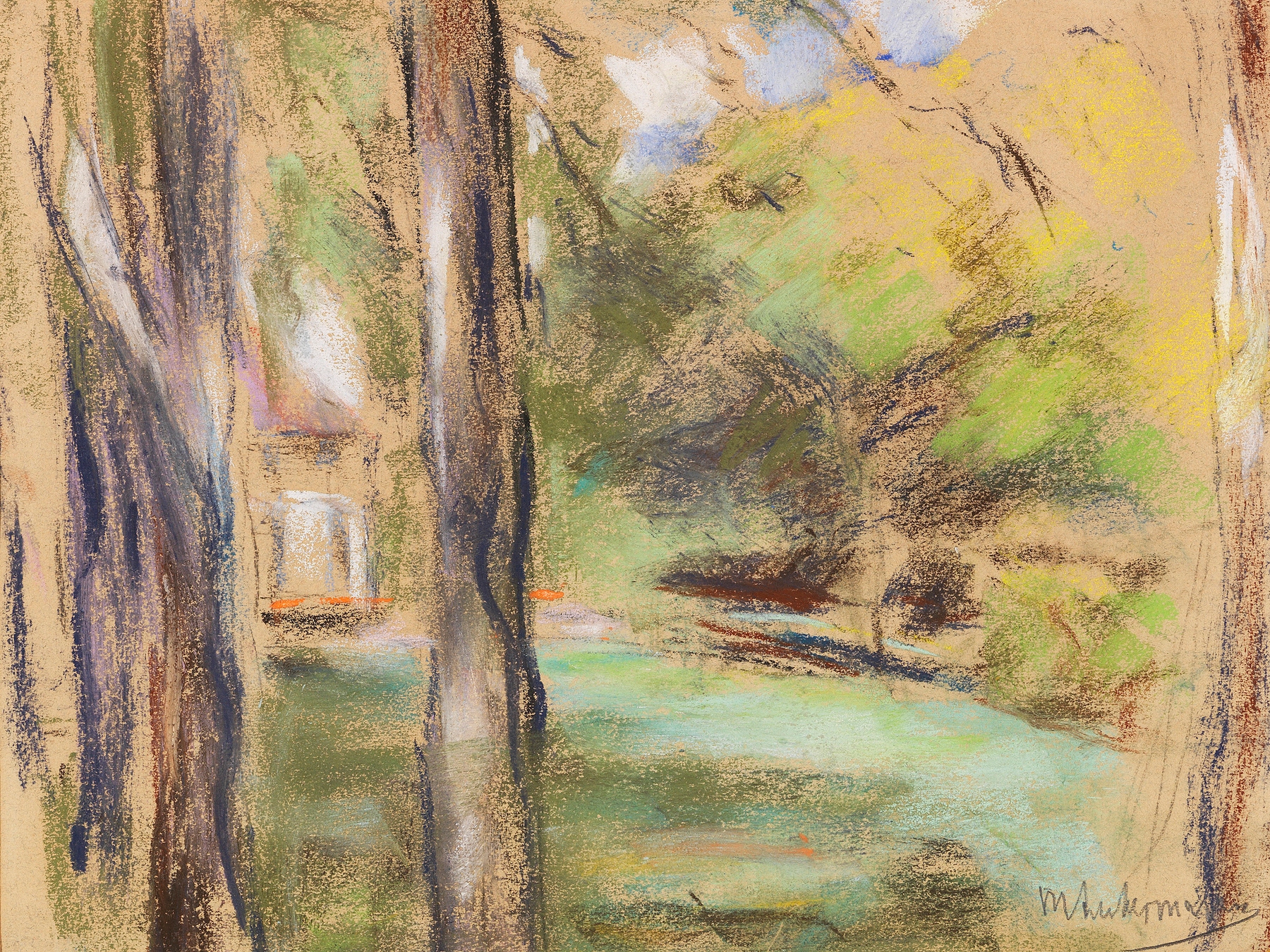
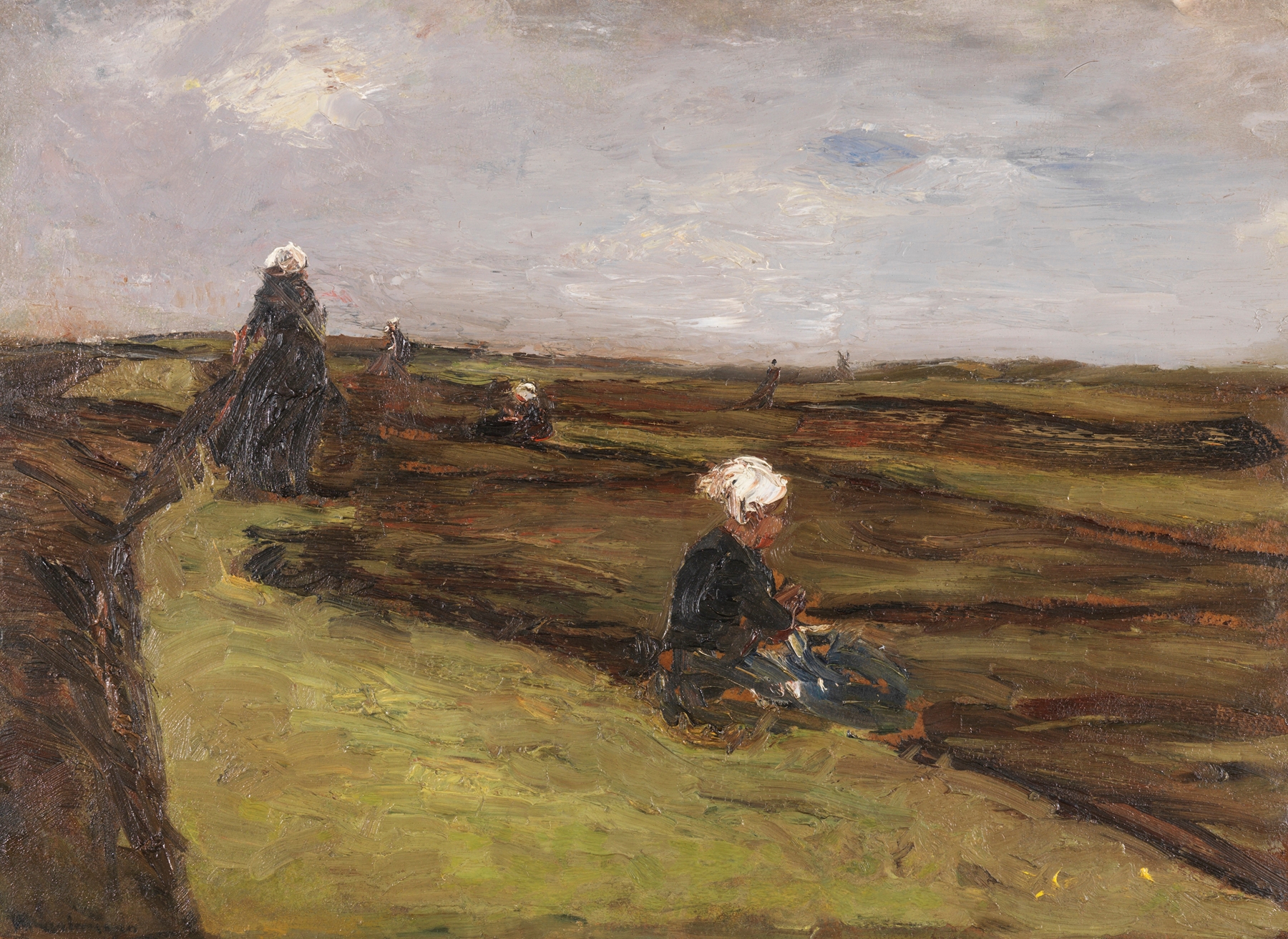
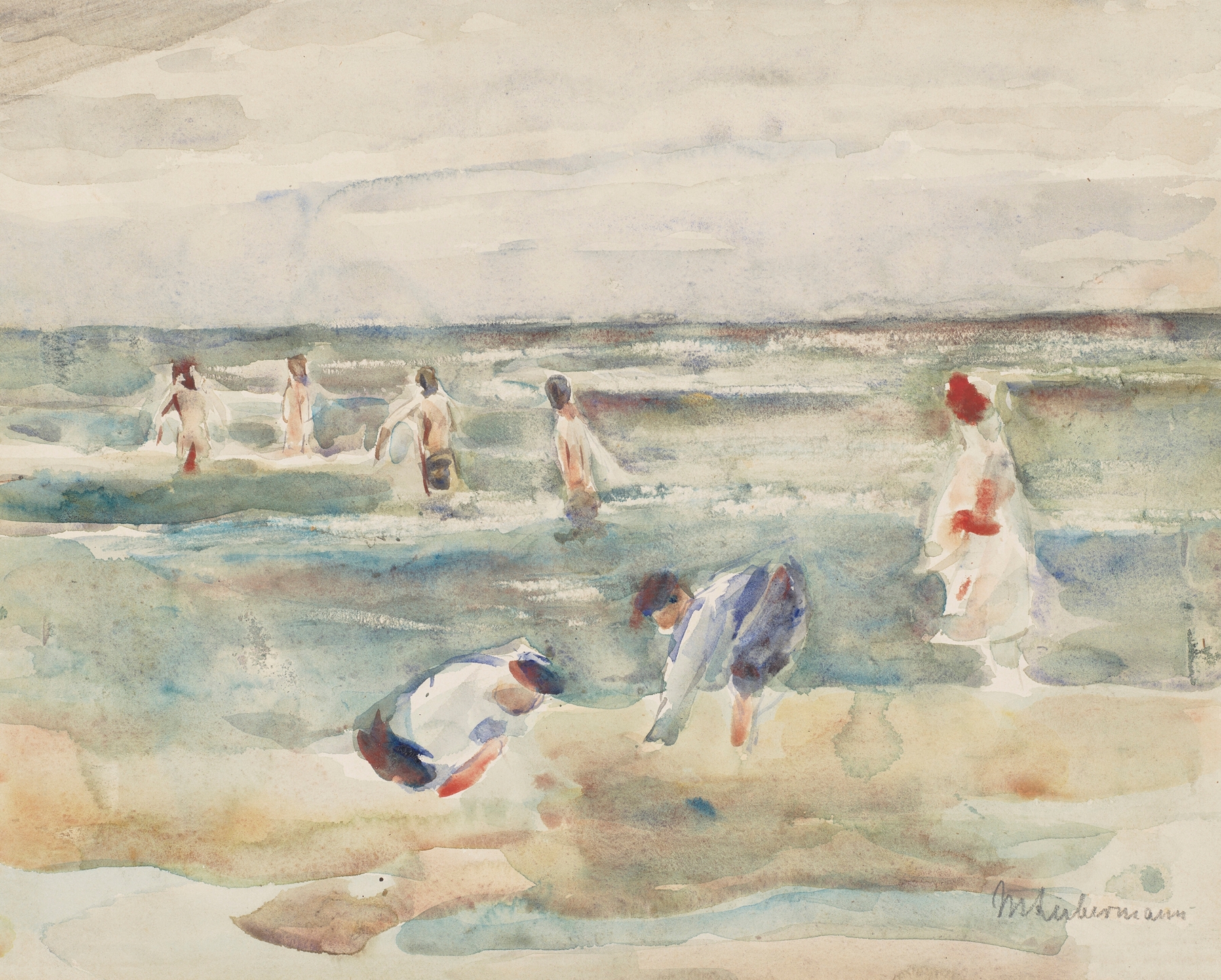
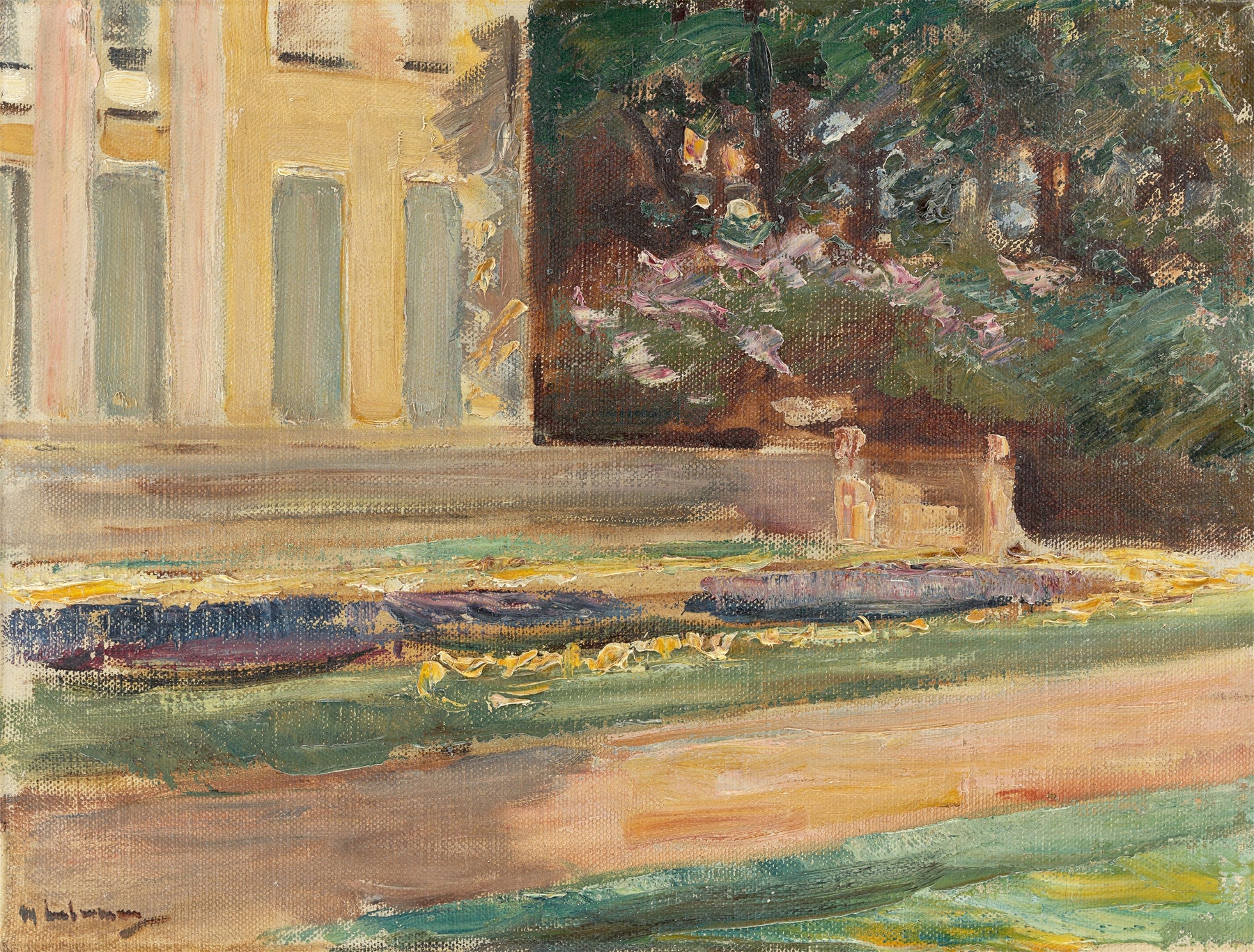
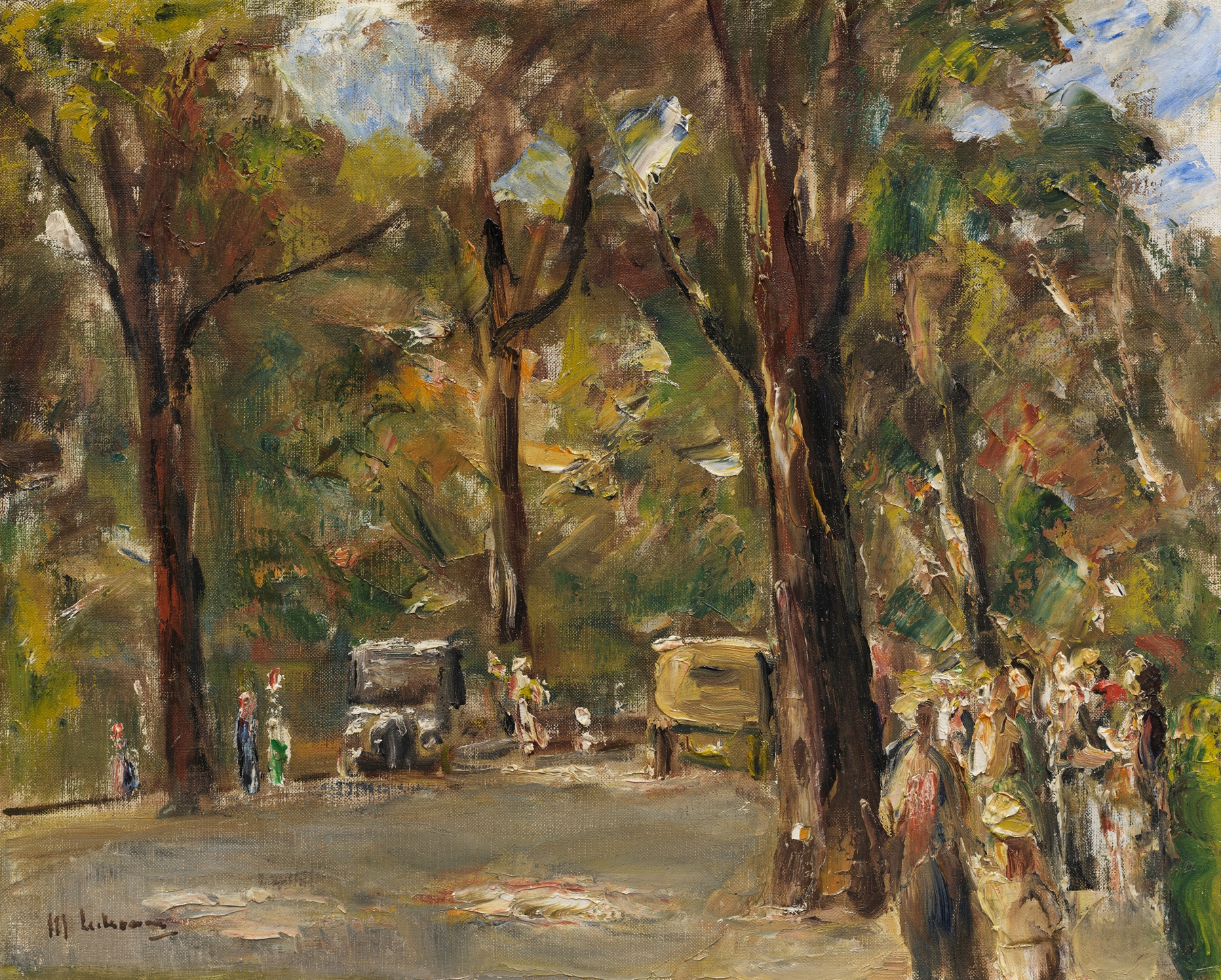
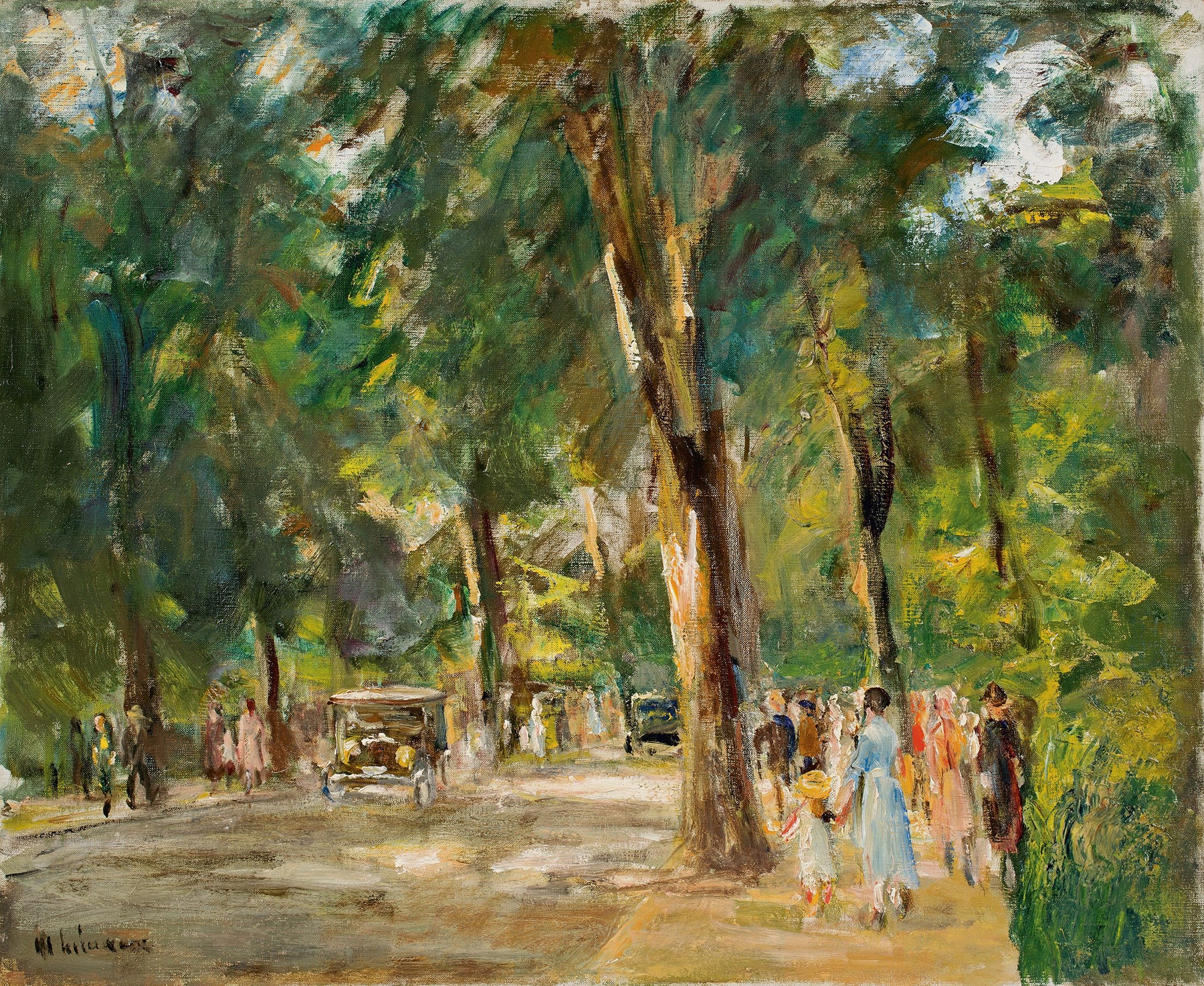
When did color learn to lie? In *Die Große Seestraße in Wannsee mit Spaziergängern*, an alluring facade of tranquility invites us to question the nature of reality itself. It beckons the viewer into a world that teeters between the idyllic and the deceptive, leaving us mesmerized by its vibrant hues. Look to the left at the densely clustered trees, their lush greens intermingling with dappled sunlight that dances across the scene. The path meanders through this natural embrace, drawing our eyes toward the figures strolling along the waterfront. Notice how the delicate brushstrokes create a sense of movement, and the splashes of color breathe life into the leisurely ambiance. The brushwork and warm palette not only evoke a sunny day but serve as a vivid reminder of the fleeting nature of such moments. Hidden within this idyllic portrayal lies a tension between the joy of leisure and the lurking shadows of an uncertain future. The figures, while seemingly relaxed, appear almost detached, caught in their personal reveries. The contrast of the serene landscape against the potential for deeper emotional currents hints at the obsession with outward appearances, suggesting that behind the façade of leisure lies a yearning for connection. In 1926, *Max Liebermann* painted this piece during a period marked by profound change in Germany, both socially and artistically. The Weimar Republic was grappling with the aftermath of World War I, and the art world was shifting as modernism took hold. Liebermann, a leading figure of German Impressionism, was capturing the beauty of everyday life while navigating an era of upheaval, reflecting his own obsession with the transient moments that define human experience.