Die Blumenterrasse im Wannseegarten nach Norden — History & Analysis
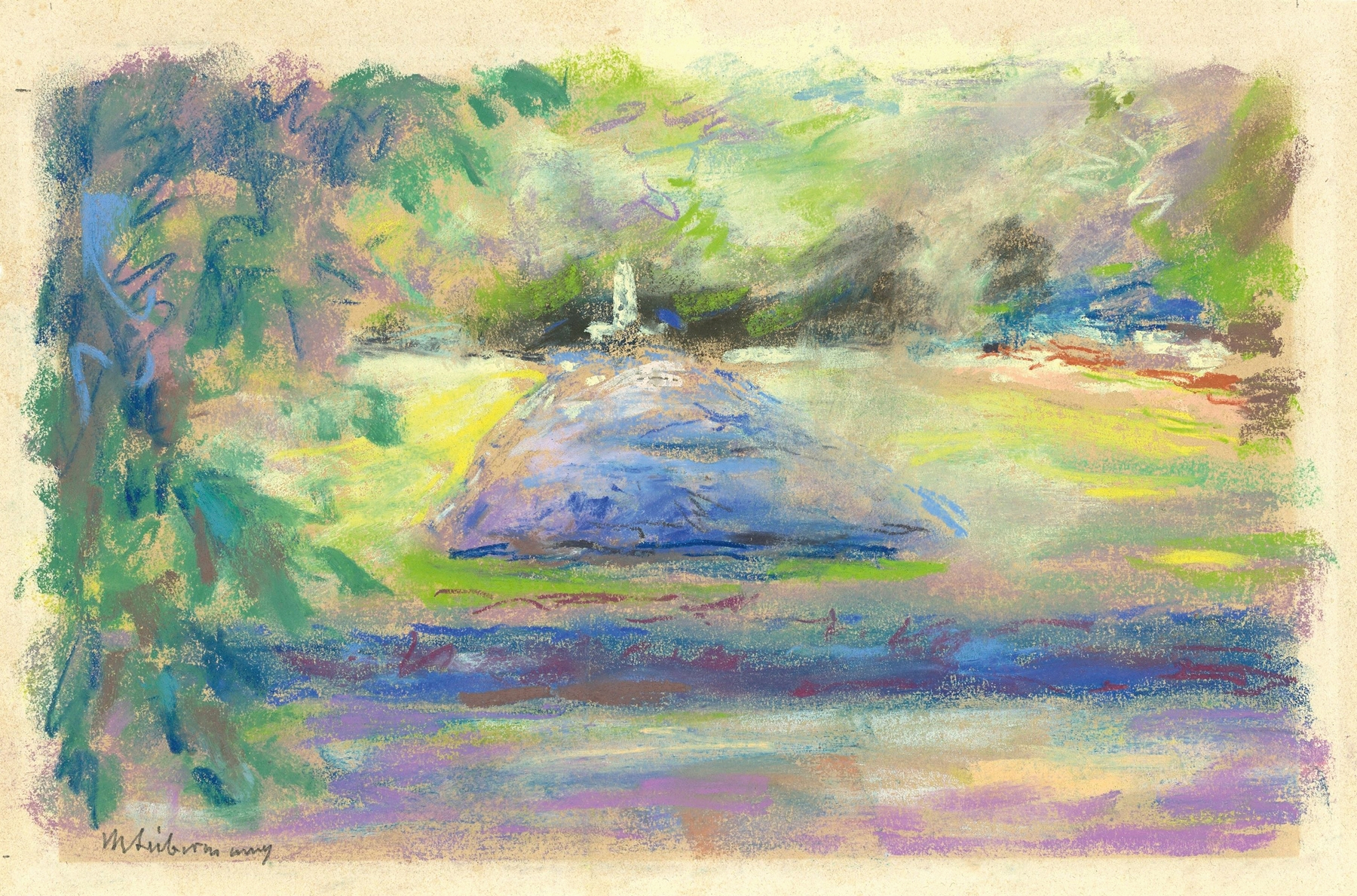
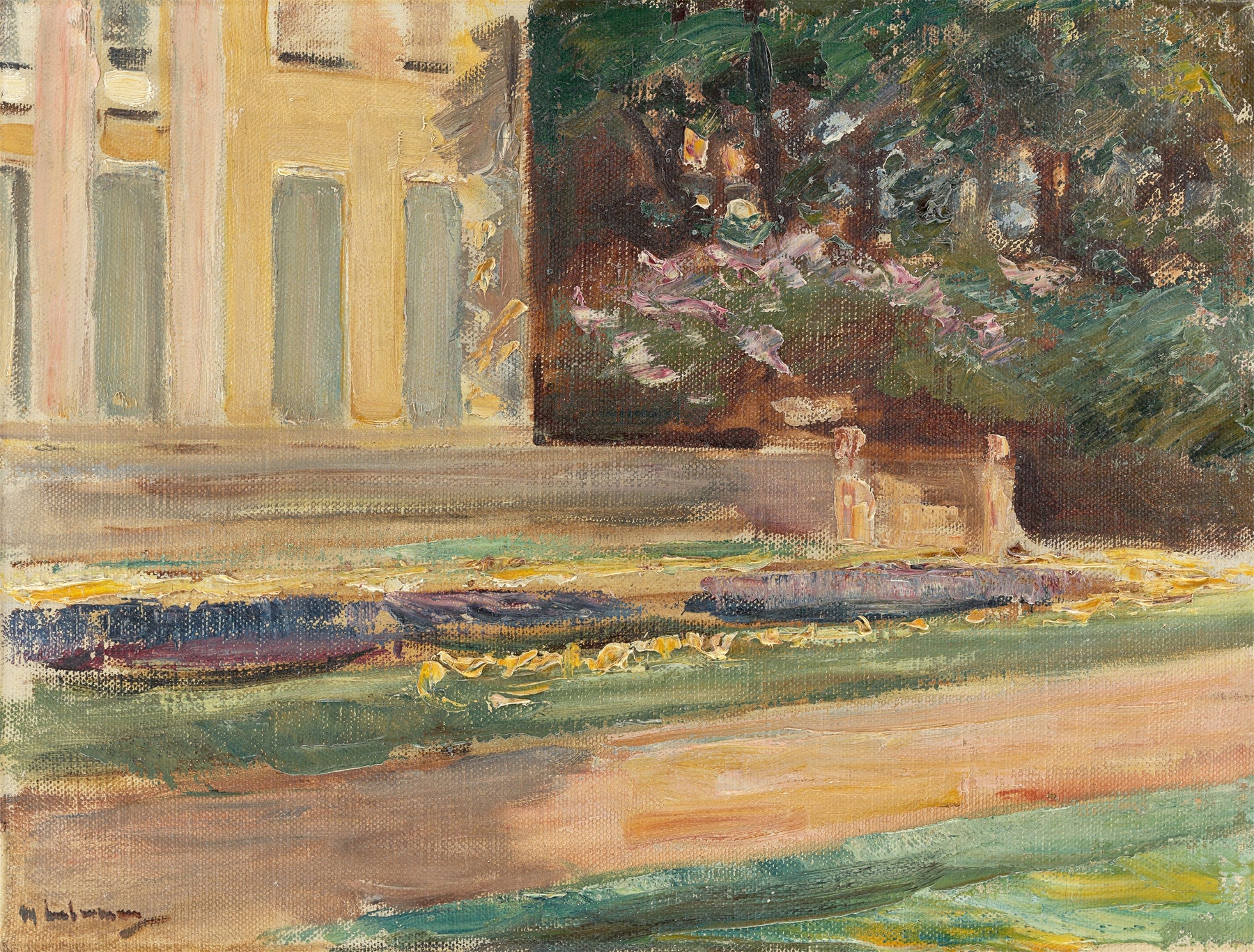
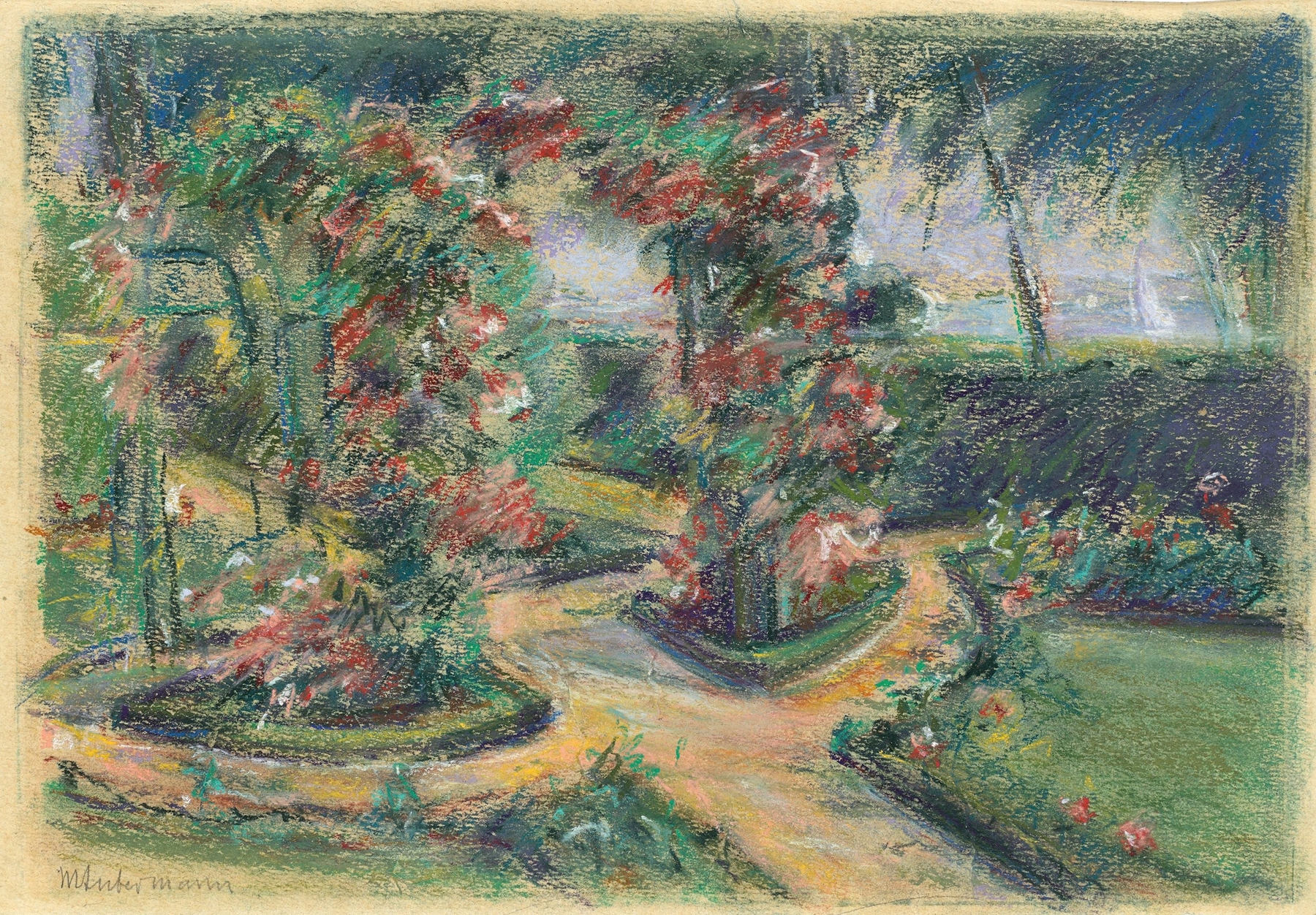
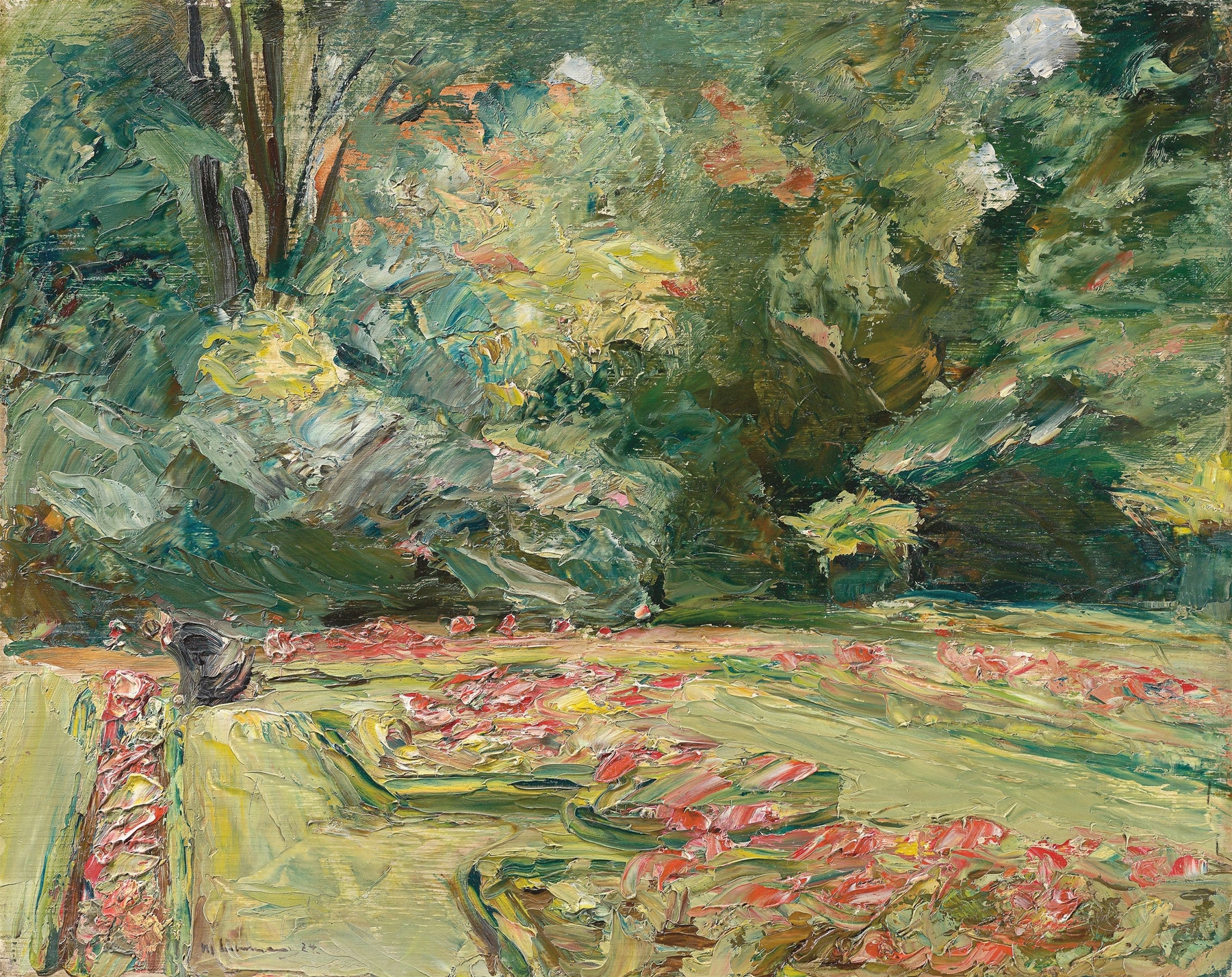
“Art reveals the soul when the world turns away.” In the faint whisper of a garden, the tension of stillness contrasts sharply with an undercurrent of unease. Beneath the vibrant blooms, shadows loom, whispering secrets of a world overshadowed by fear and uncertainty. Focus your gaze on the lush array of flowers, bursting with life and color. Notice how Liebermann meticulously captures the rich reds, yellows, and purples, drawing the eye towards the heart of the composition.
The flowers seem to dance in the gentle breeze, yet their vibrant hues are tempered by darker tones lurking in the corners. The juxtaposition of the flourishing garden and the encroaching shadows creates a palpable tension, inviting contemplation of what lies beyond the beauty. Beyond the blooms, consider the emotional weight they carry: a fleeting moment of joy amid an uncertain future. The lushness may symbolize hope, yet the surrounding shadows hint at the encroaching darkness of a world grappling with political and social turmoil.
Each petal, while vibrant, carries the burden of fleeting beauty, suggesting that even the most serene moments are tinged with a fear of the inevitable passage of time. In 1924, Max Liebermann painted this piece during a period marked by socio-political instability in Germany. The art world was shifting as modernism began to dominate, yet Liebermann remained attached to the Impressionist ideals he had embraced earlier in his career. His garden scenes reflected both a personal escape and a broader commentary on the beauty that coexists with fear, encapsulating a moment in history rife with uncertainty.