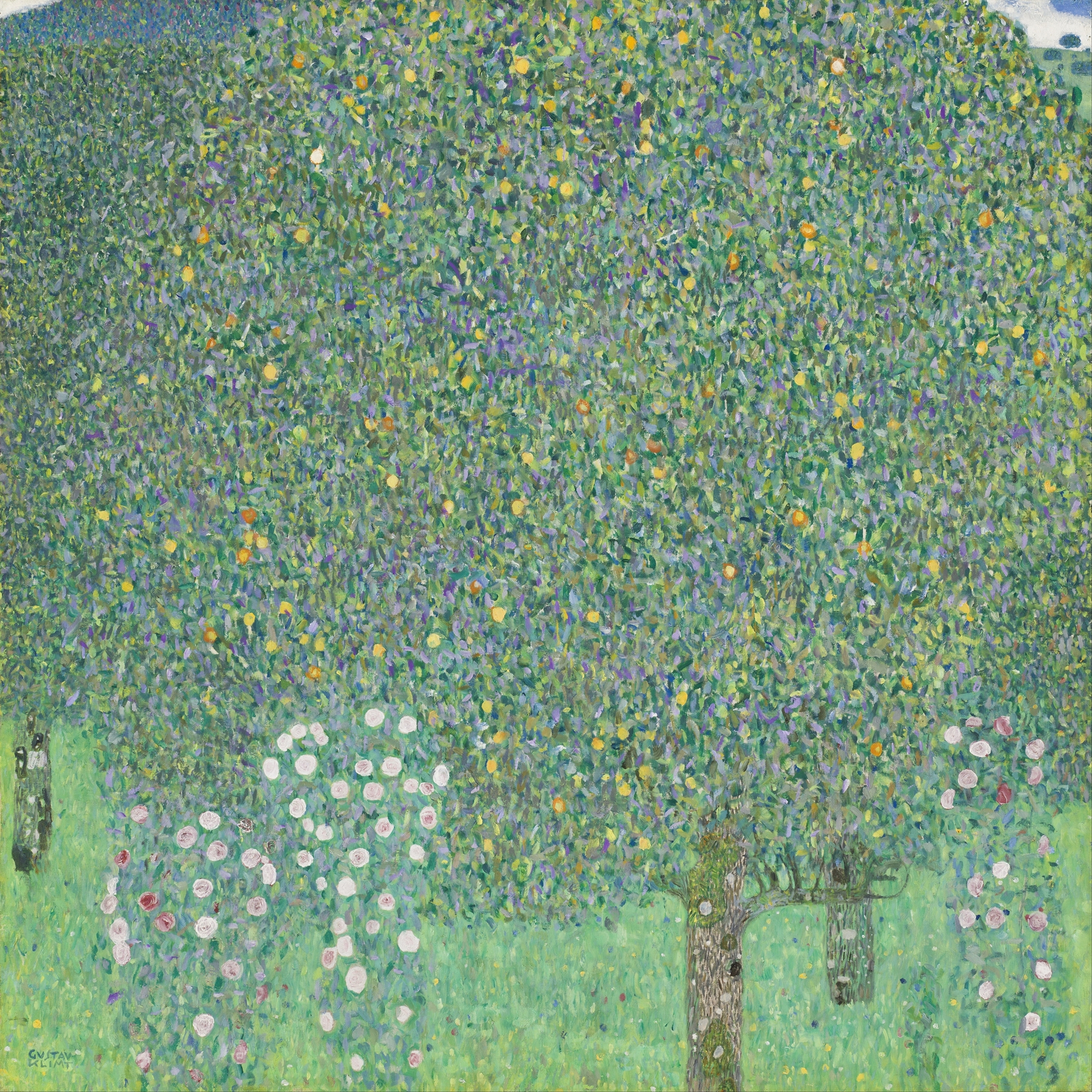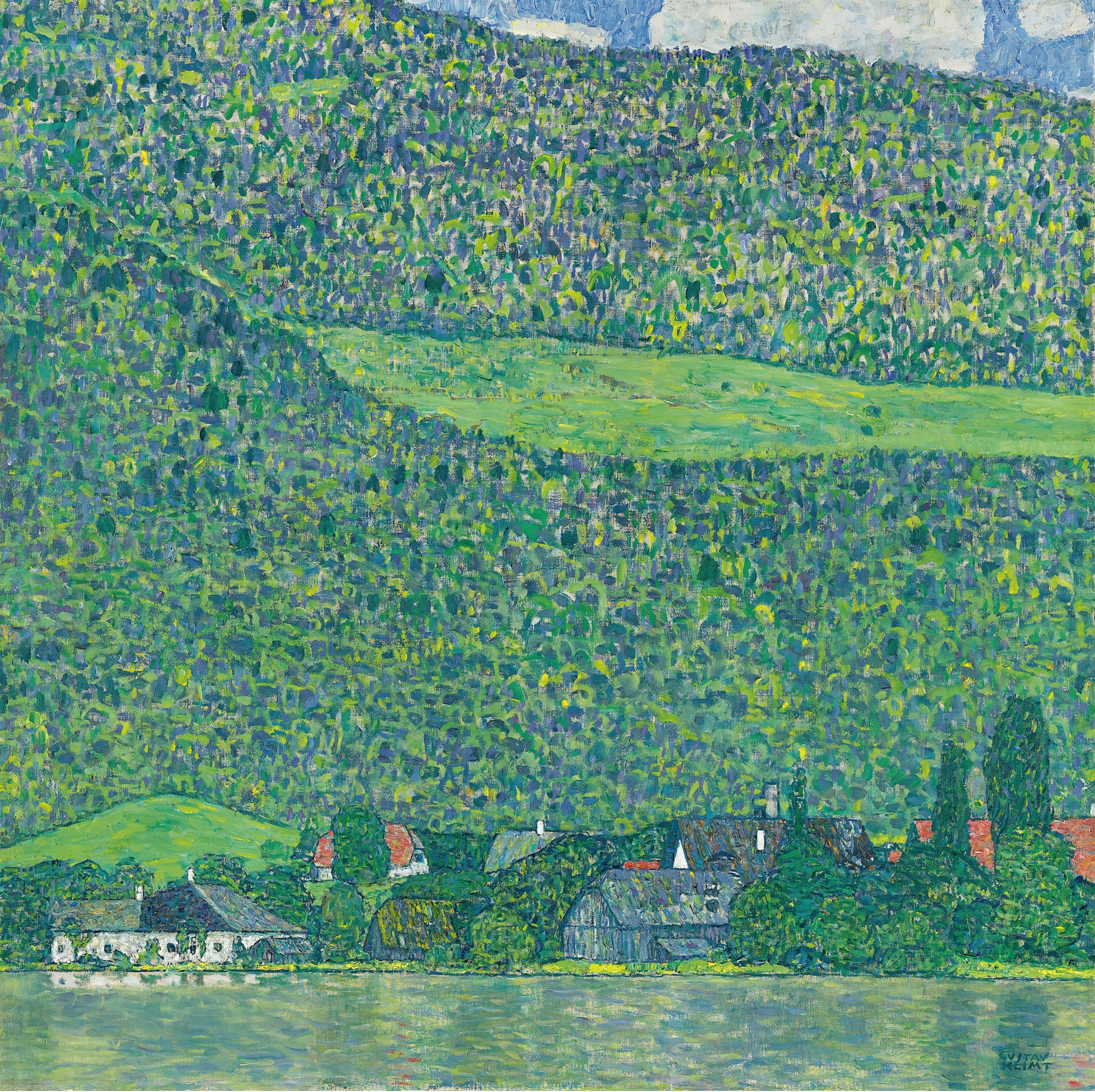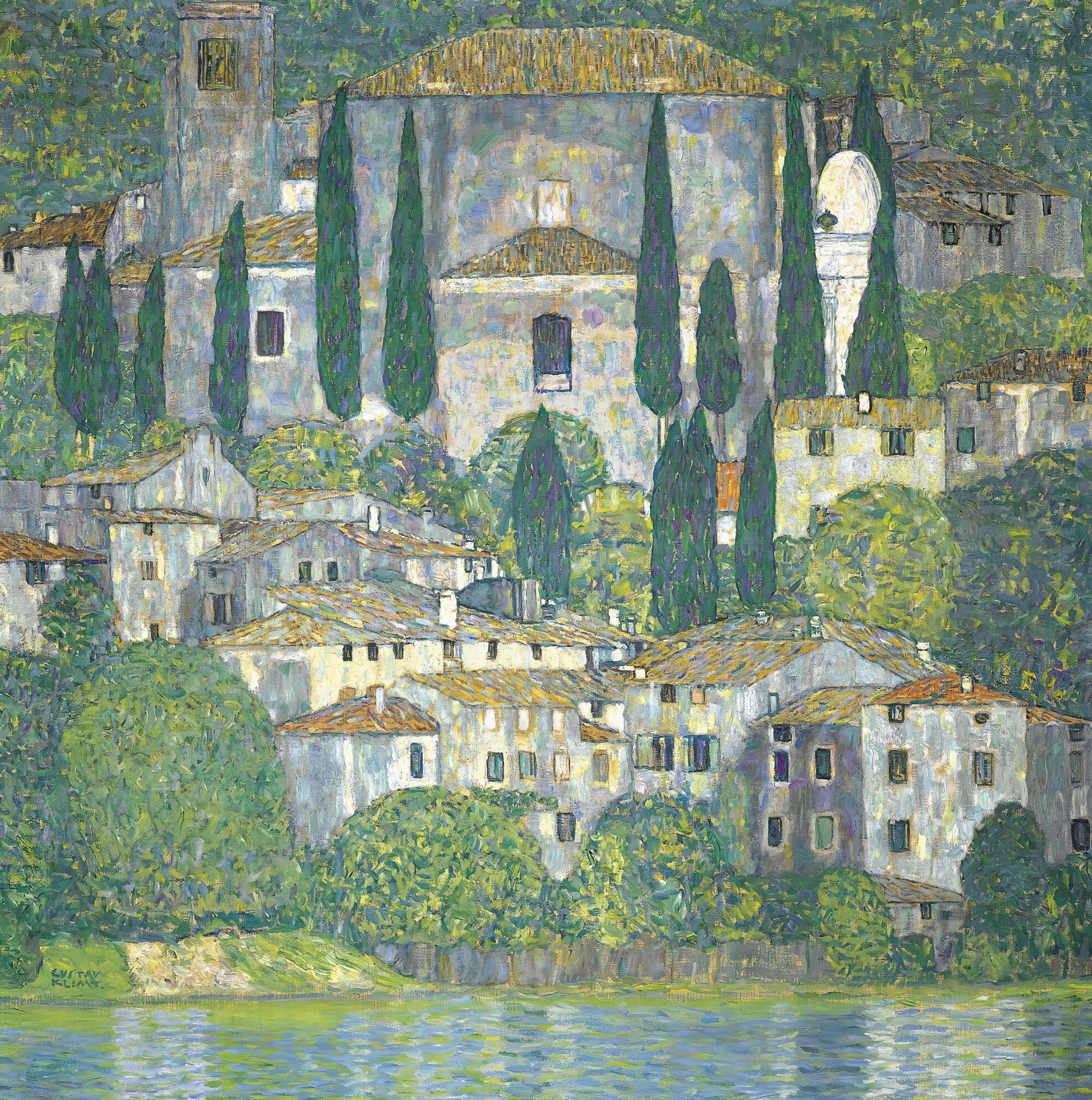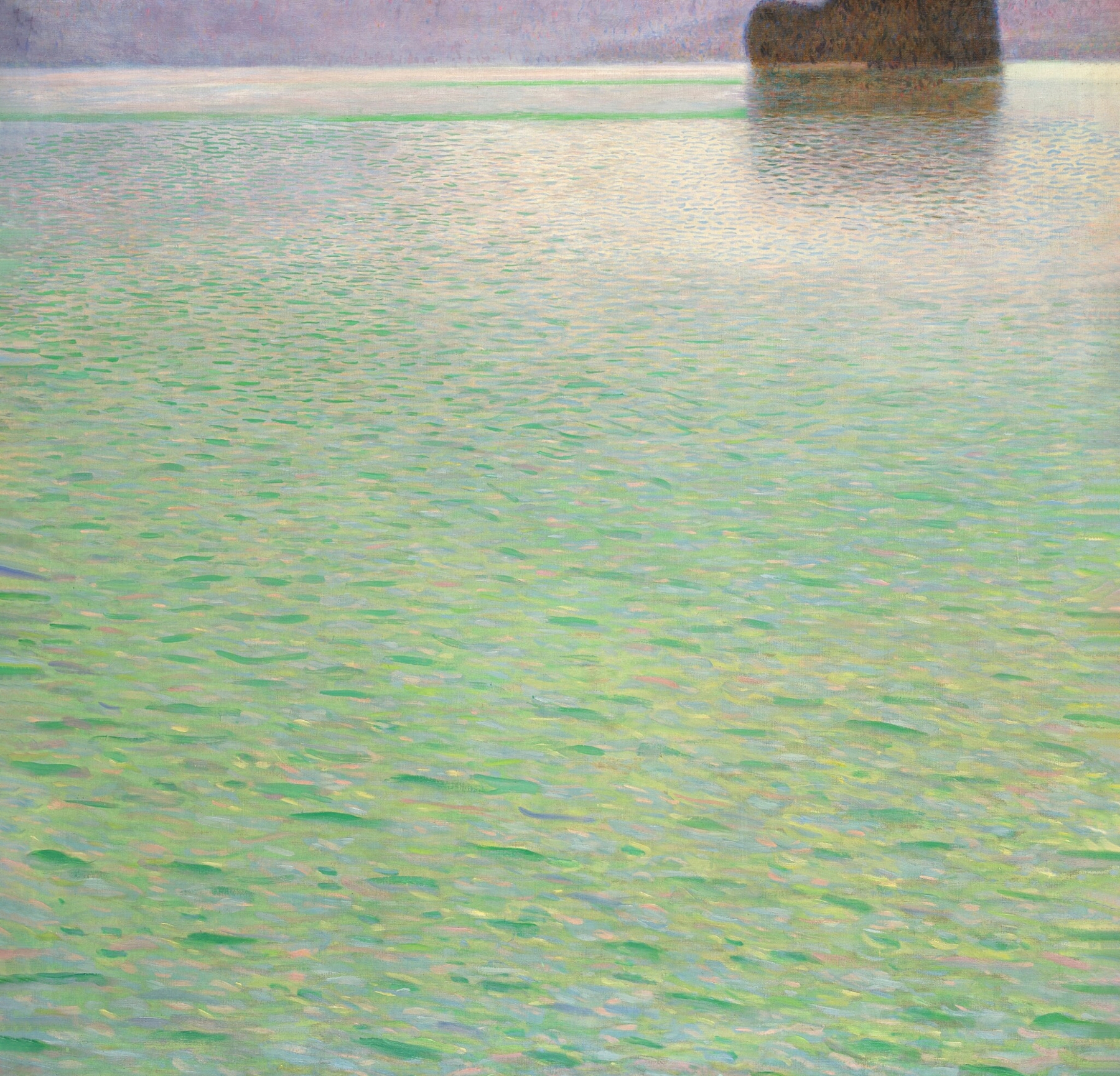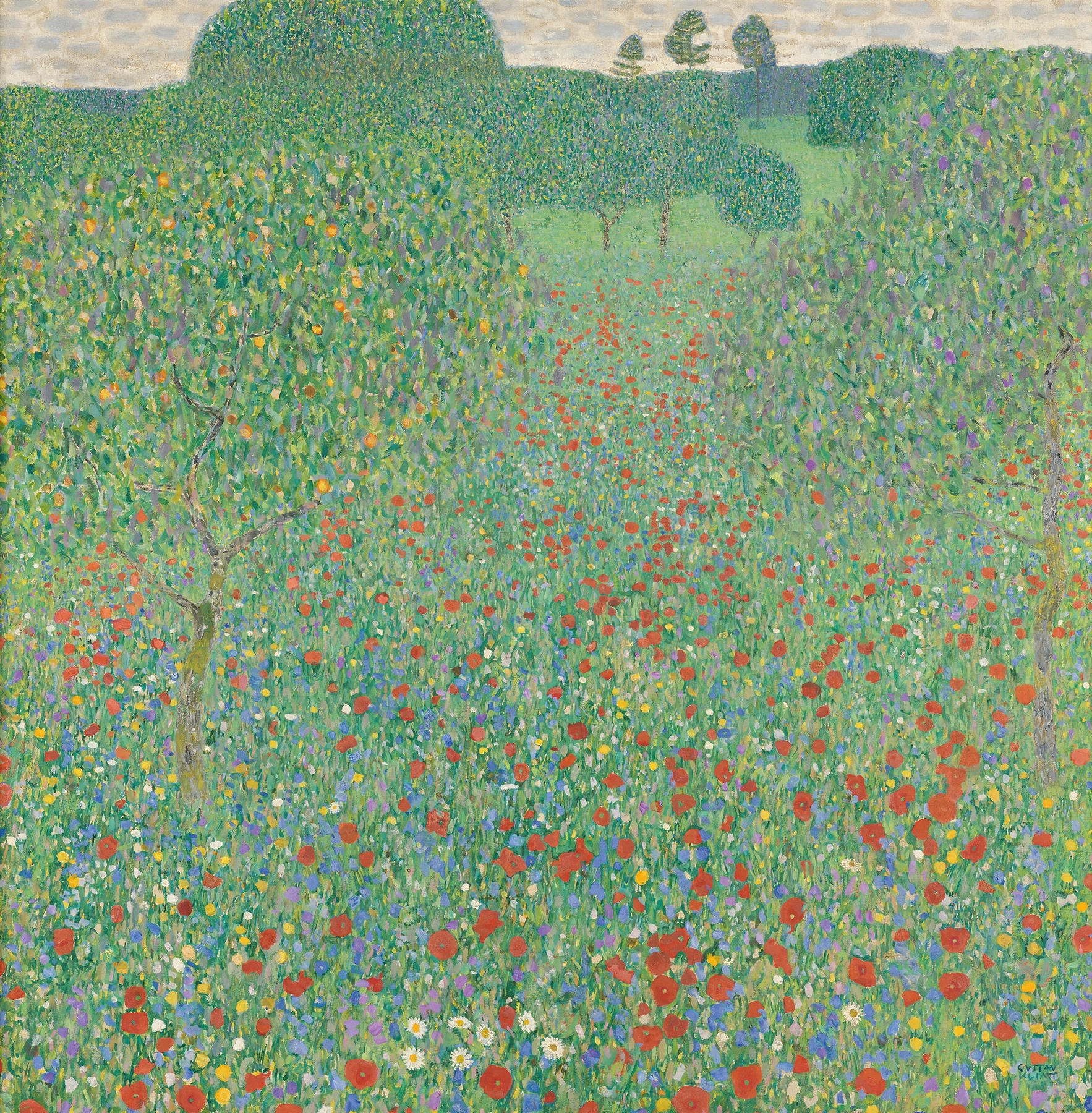

When did color learn to lie? In the world of *Blühender Mohn Mohnwiese*, vibrant hues whisper secrets of serenity and nature’s embrace, urging us to pause and reflect. Focus first on the lush, undulating field of poppies, where reds and yellows bloom like a symphony of warmth. The intricate patterns of petals lead the eye across the canvas, inviting you to explore the wild, intimate beauty of this landscape. Notice how Klimt’s brushstrokes dance with texture, the meticulous detailing of each flower contrasting with the soft, dreamlike background, creating a captivating interplay between reality and imagination. Delve deeper into the emotional currents flowing through this piece. The vivid colors evoke a sense of joy and tranquility, yet there is an underlying tension where the chaos of nature meets the calm of the observer. The flowers seem to sway gently, caught between the vibrancy of life and the stillness of the moment, embodying a fleeting serenity that invites contemplation. Each bloom becomes a metaphor for the transient beauty of existence, a reminder of both joy and inevitable ephemerality. In 1907, Klimt created this work during a period marked by exploration and innovation within the art world. Living in Vienna, he was deeply influenced by the burgeoning Symbolist movement, which encouraged the use of color and form to convey emotional depth. While he was celebrated for his erotic and decorative works, this piece reflects a pivot towards nature, emphasizing the harmony between organic beauty and the broader themes of life’s complexities.