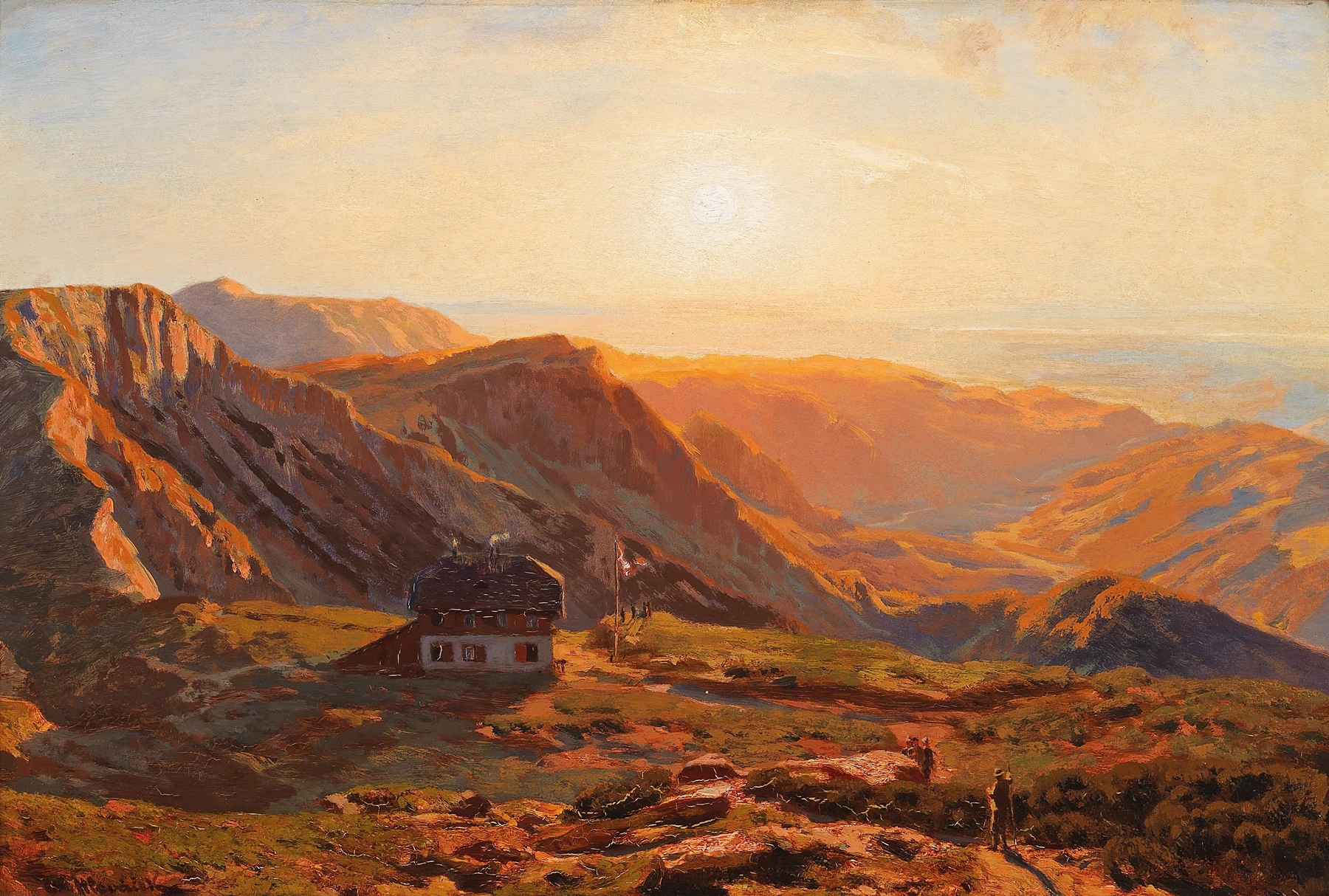
Blick Auf Das Karl-Ludwig-Haus Auf Der Rax — History & Analysis
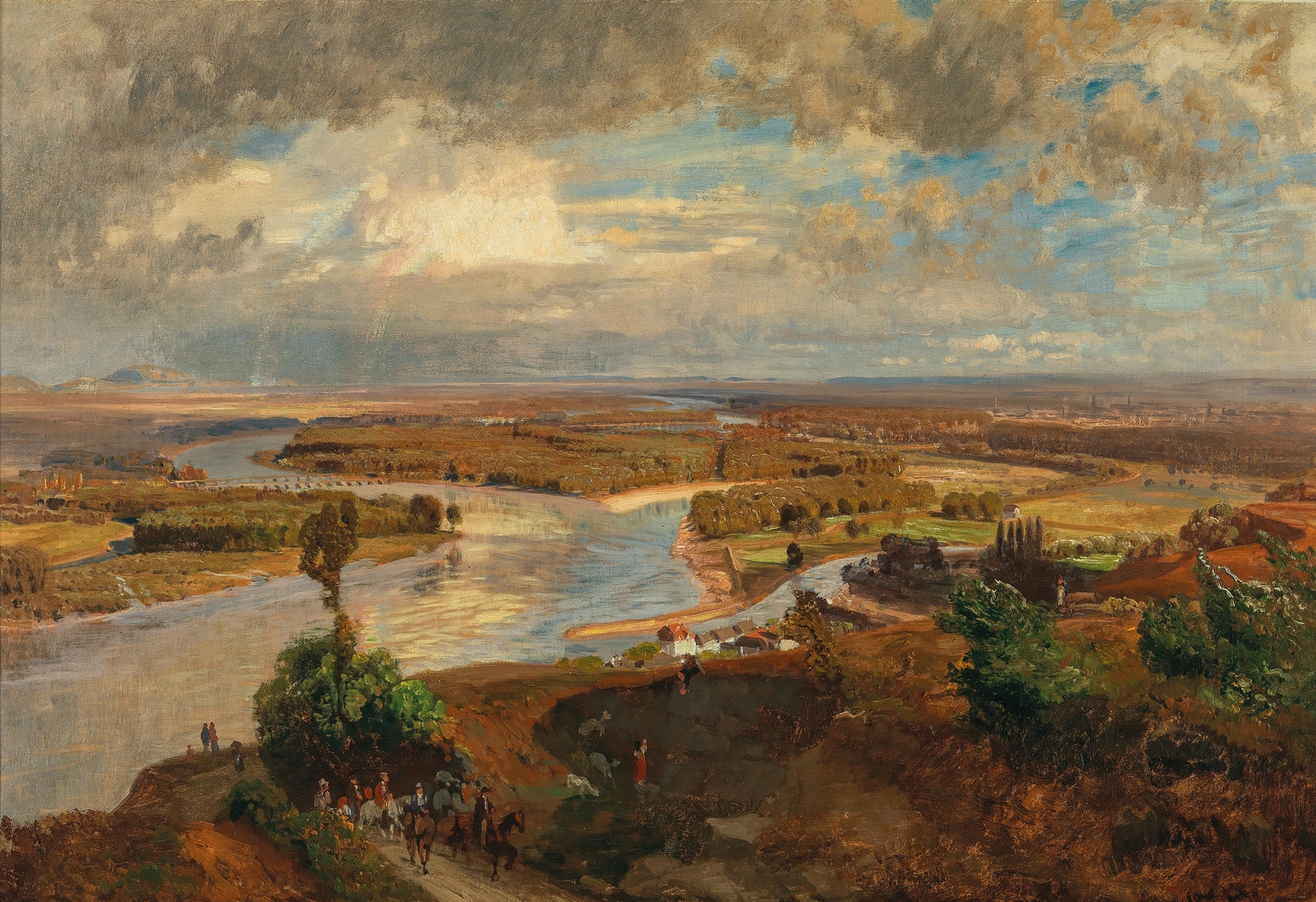
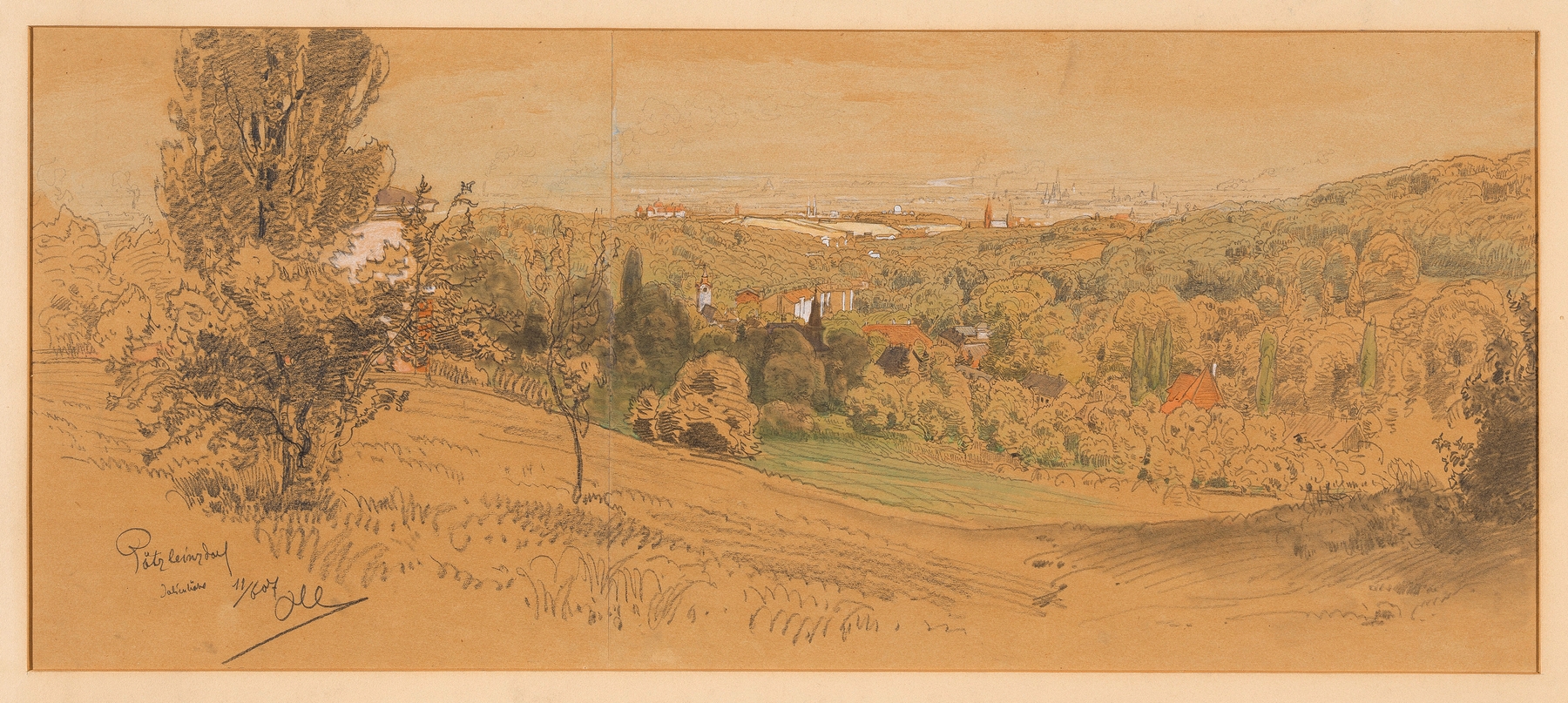
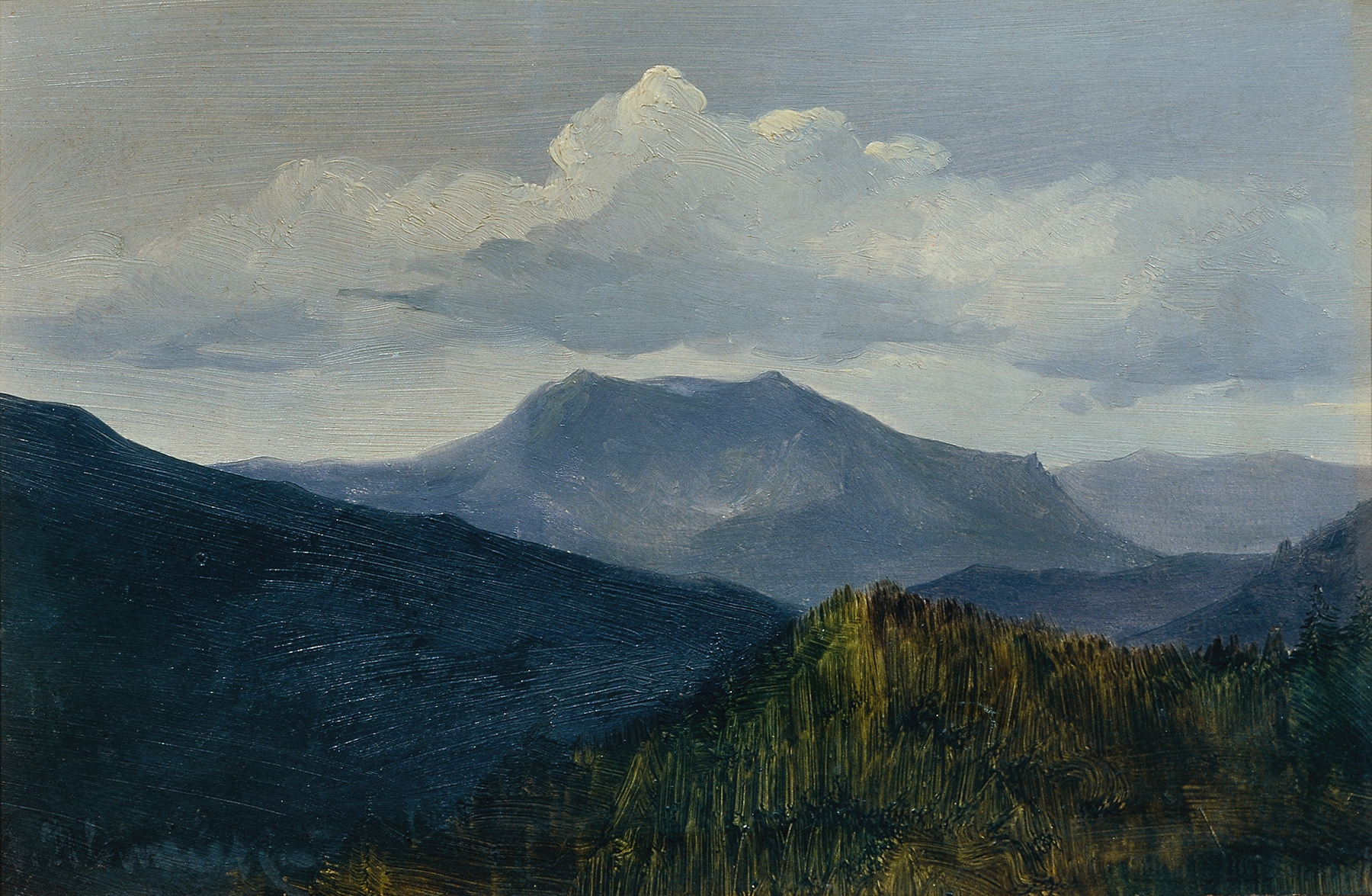
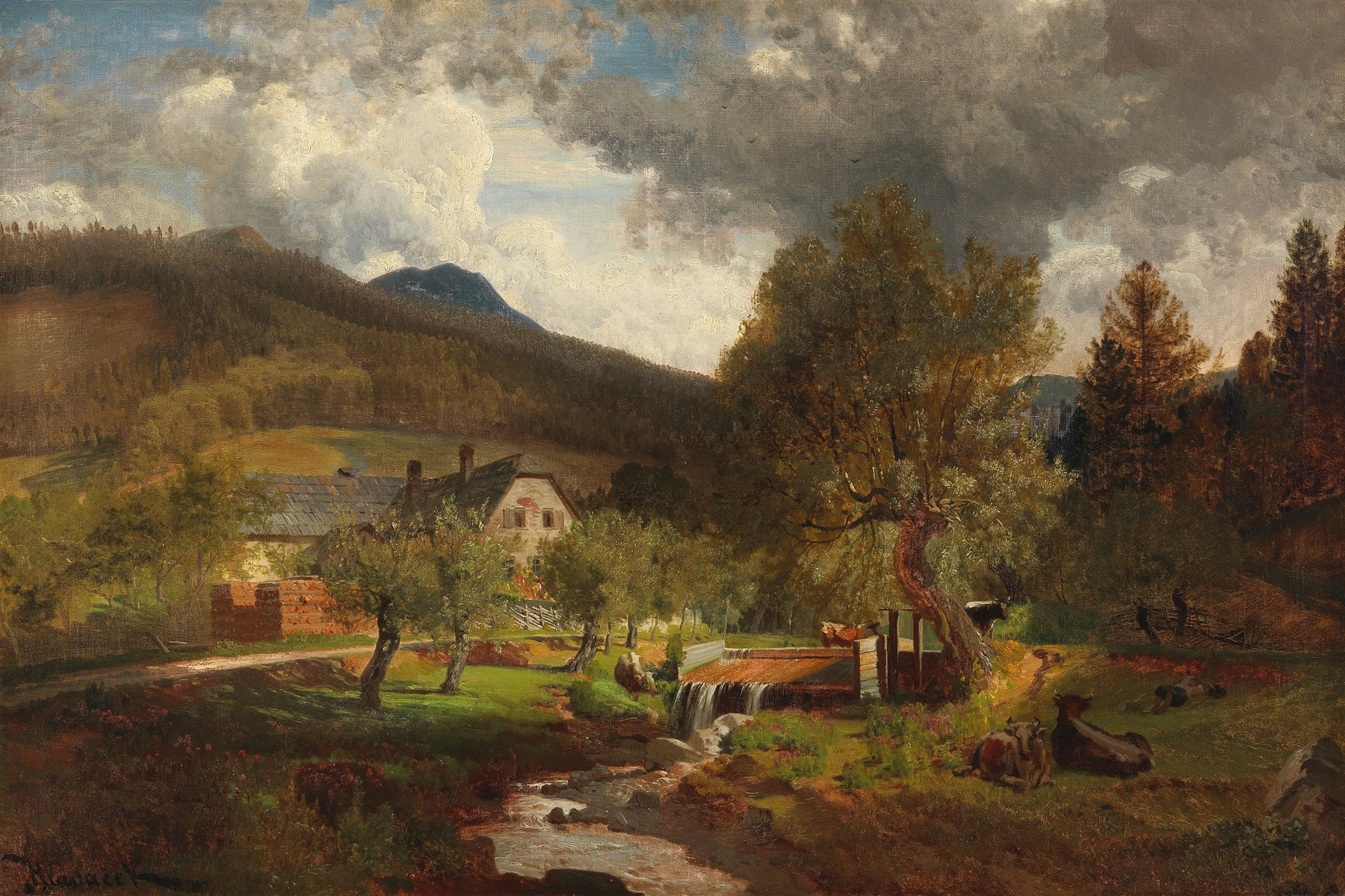
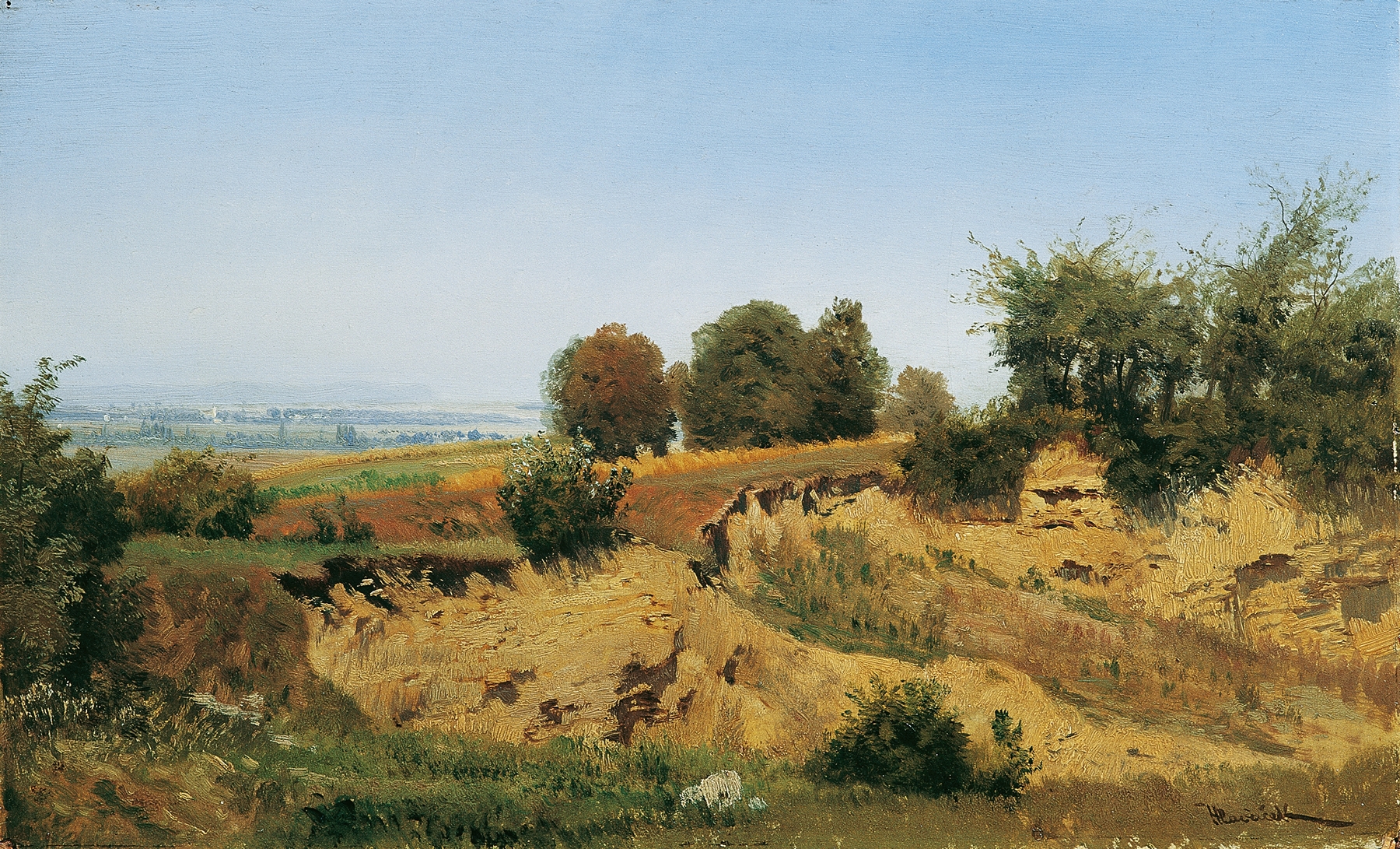
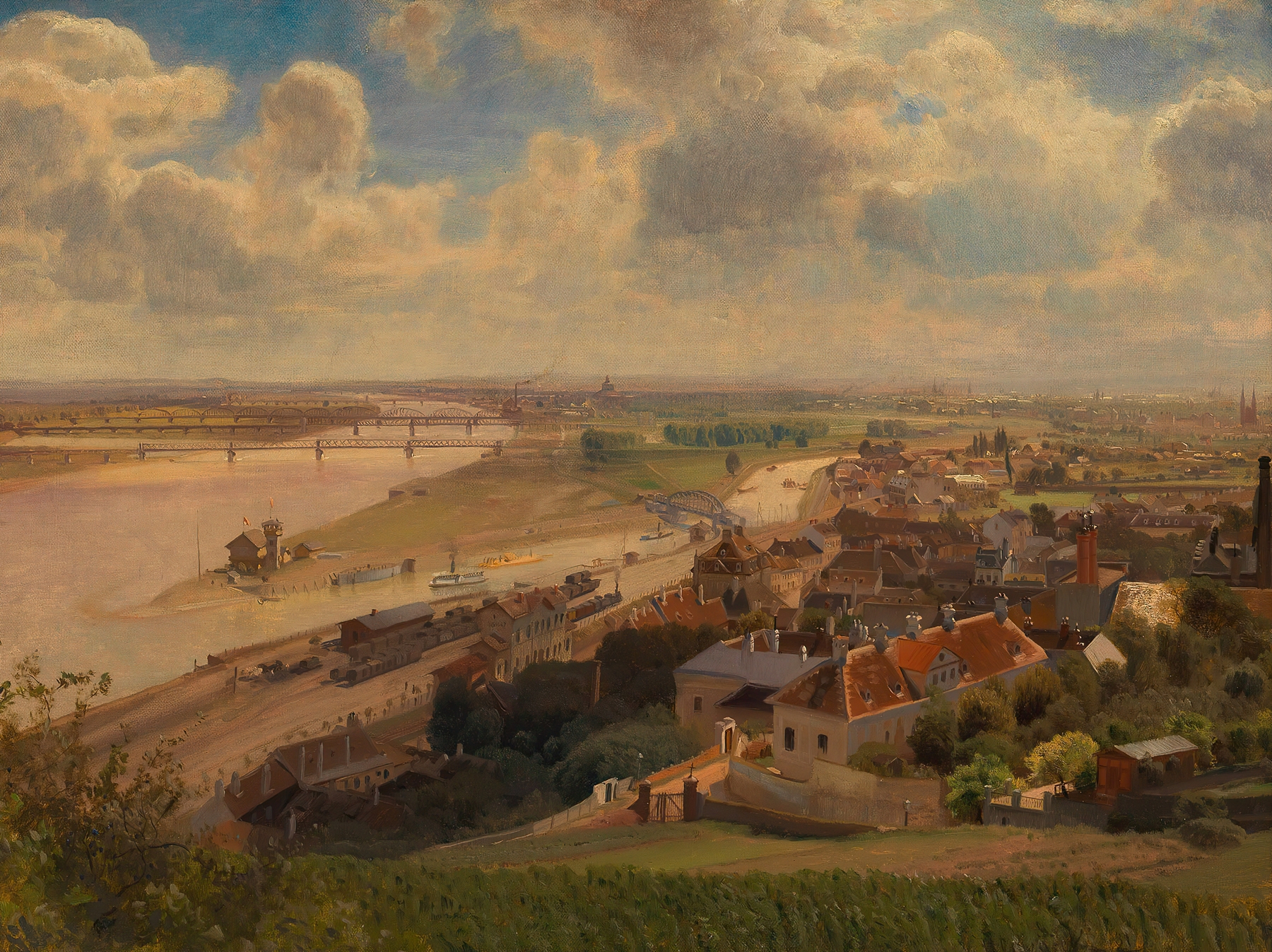
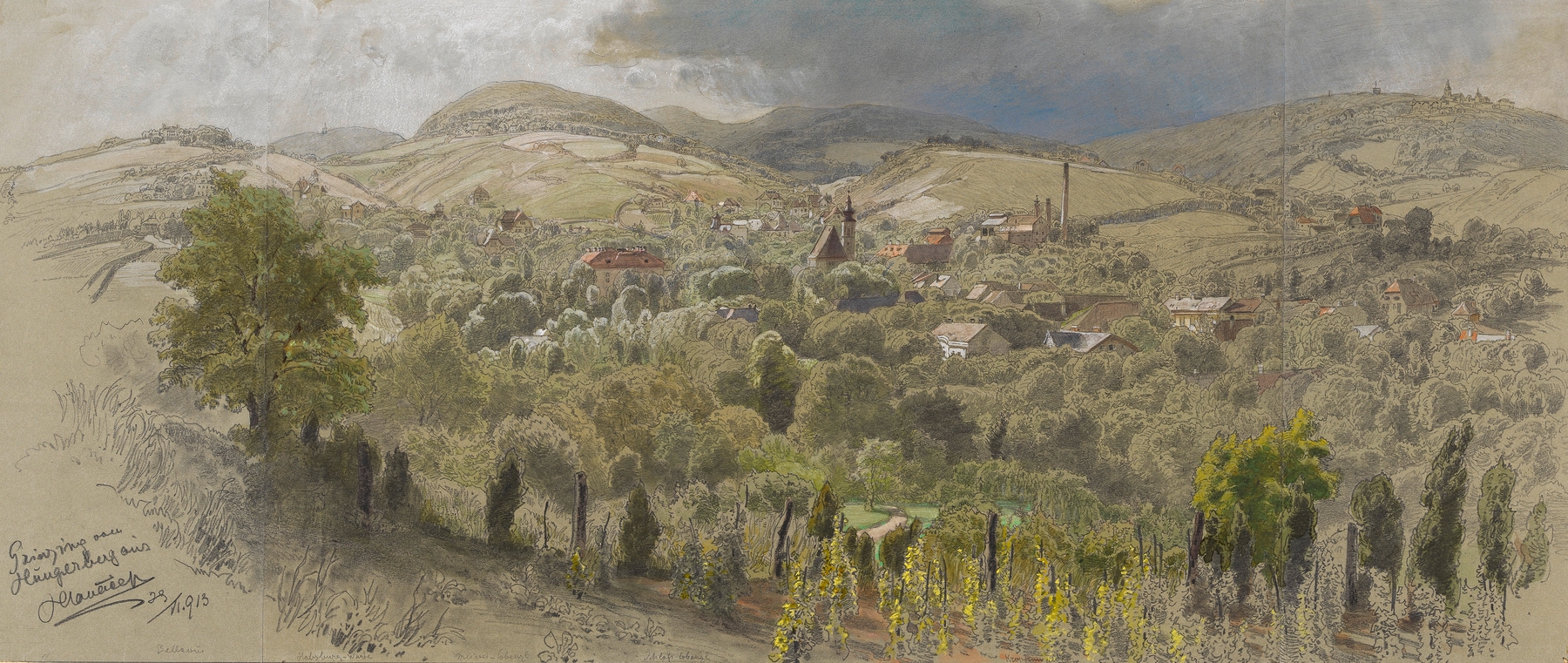
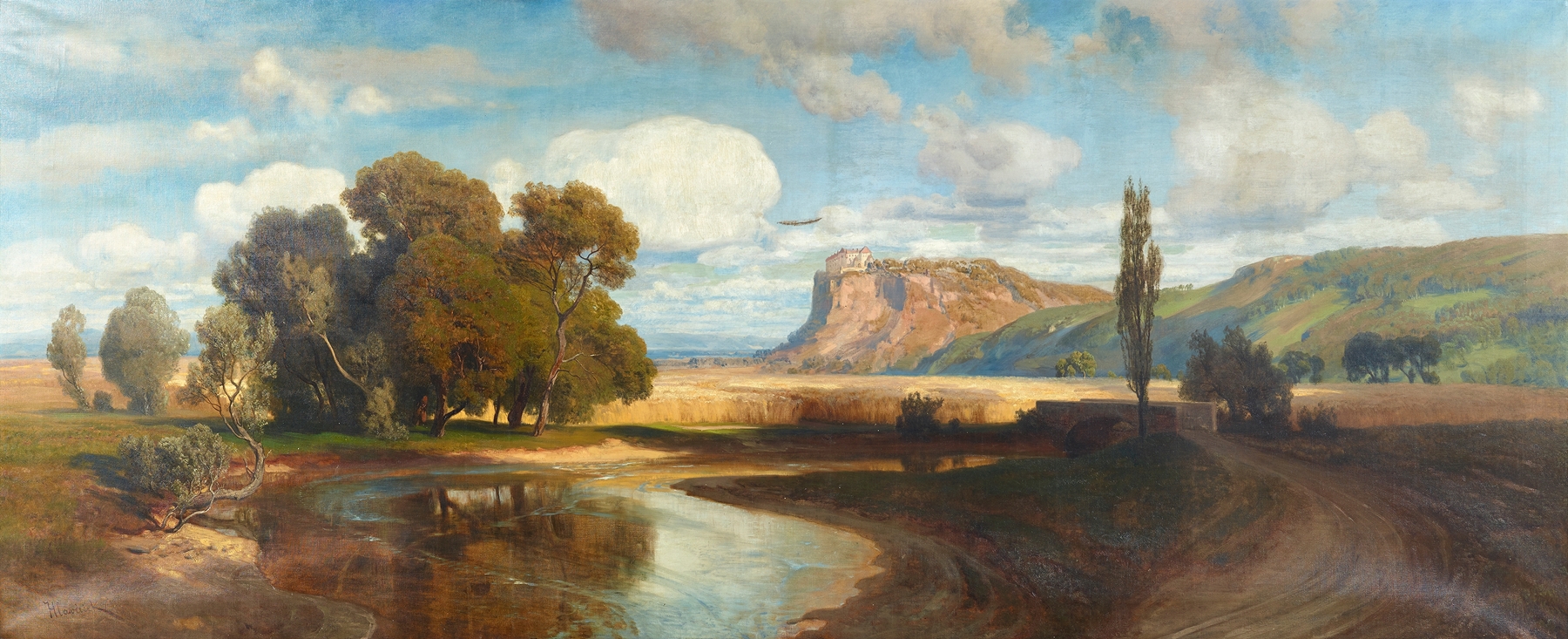
“Every silence here is a confession.” In this tranquil masterpiece, the essence of rebirth unfolds amidst an alpine landscape, inviting contemplation on nature’s cyclical beauty and human resilience. Focus on the foreground, where a lush expanse of green grass welcomes the viewer, interrupted only by delicate wildflowers that seem to bloom in defiance of the cold peaks behind them. Notice how the vibrant greens contrast sharply with the cool blues and whites of the distant mountains, creating a dialogue between warmth and chill. The careful brushwork highlights the gentle undulation of the terrain, while the soft light bathes the scene in a golden hue, suggesting the fleeting moments of dawn or dusk, when the world holds its breath in anticipation. The juxtaposition of the sturdy Karl-Ludwig-Haus against the backdrop of the looming mountains represents a safe haven amidst the untamed wilderness, a metaphor for human perseverance against nature’s might. Subtle shadows add depth, hinting at the weight of history and memory that rests within those walls. Tension is palpable; the retreating snow atop the peaks symbolizes the slow but inevitable arrival of spring, whispering of renewal and the promise of life beyond the cold grasp of winter. Created in 1876, this piece emerged during a time when the artist was deeply engaged with the natural world, often drawing inspiration from the Austrian Alps. Hlavacek was part of the broader Romantic movement, which revered nature's beauty and sought to express profound emotions through landscape. In this moment of his career, he found a voice that captured both the tranquility and the tumult of the human experience, reflecting the societal shifts and explorations of identity occurring throughout Europe.