Blick auf die Heiligenstädter Pfarrkirche (St. Michael) — History & Analysis
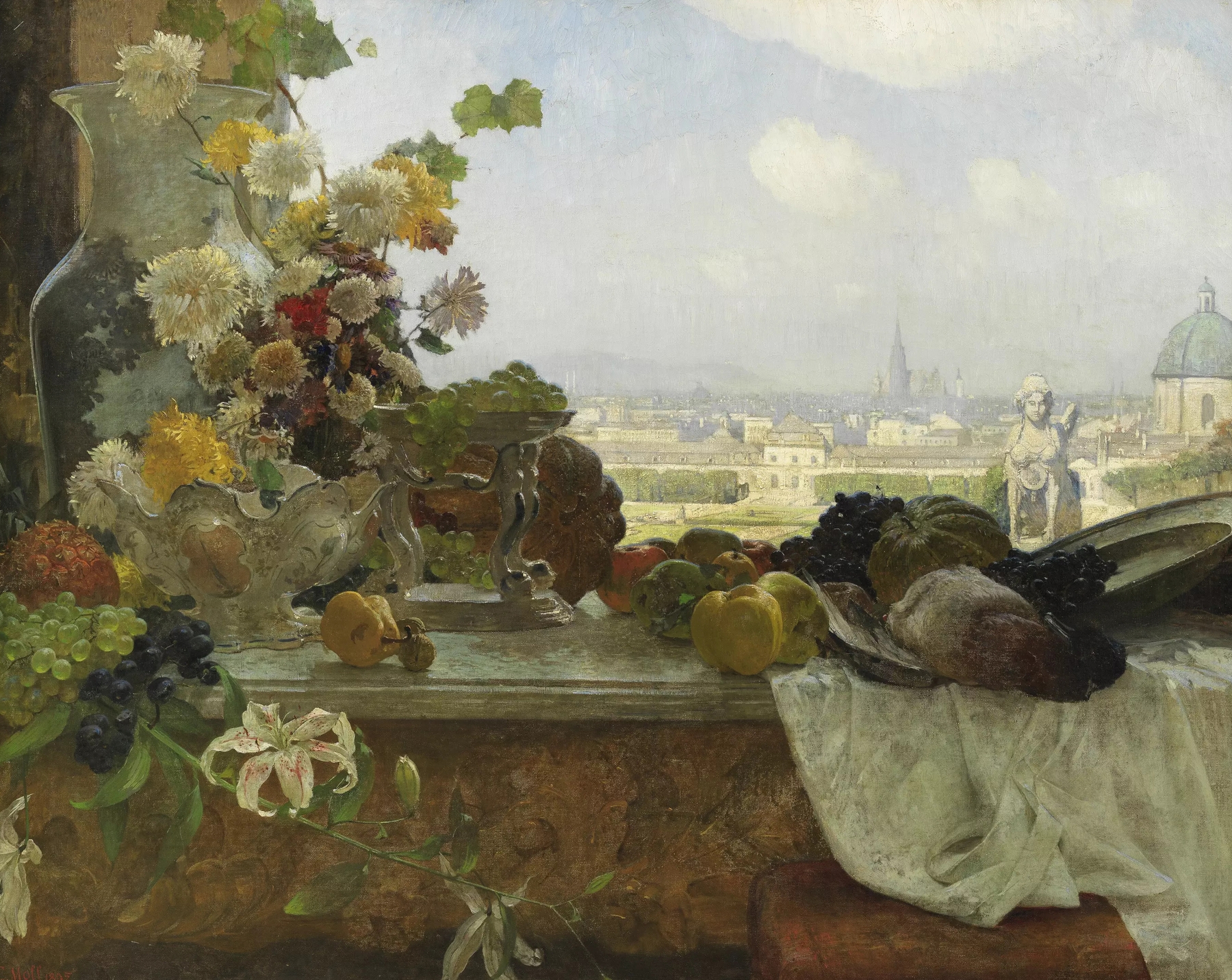
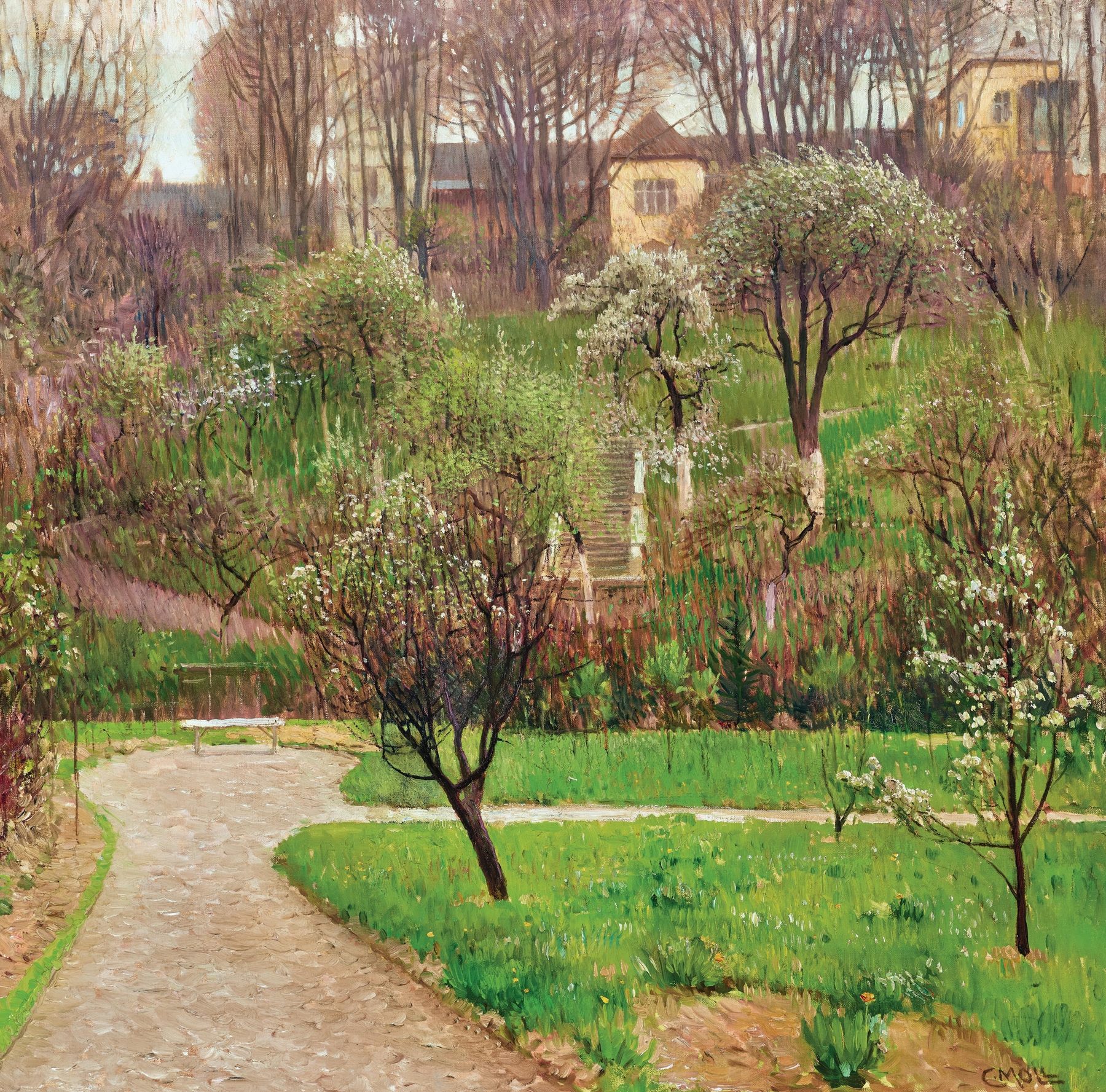
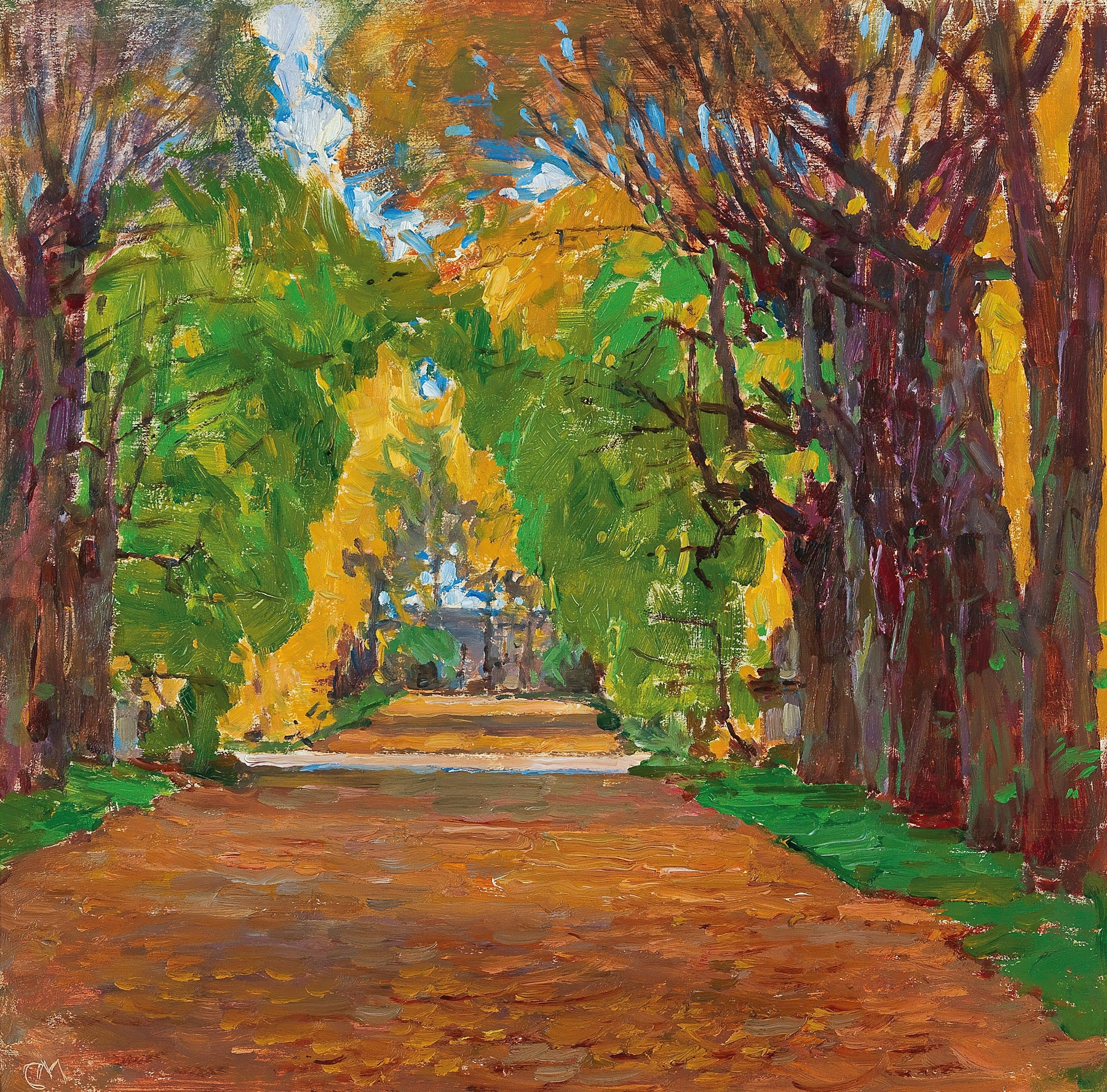
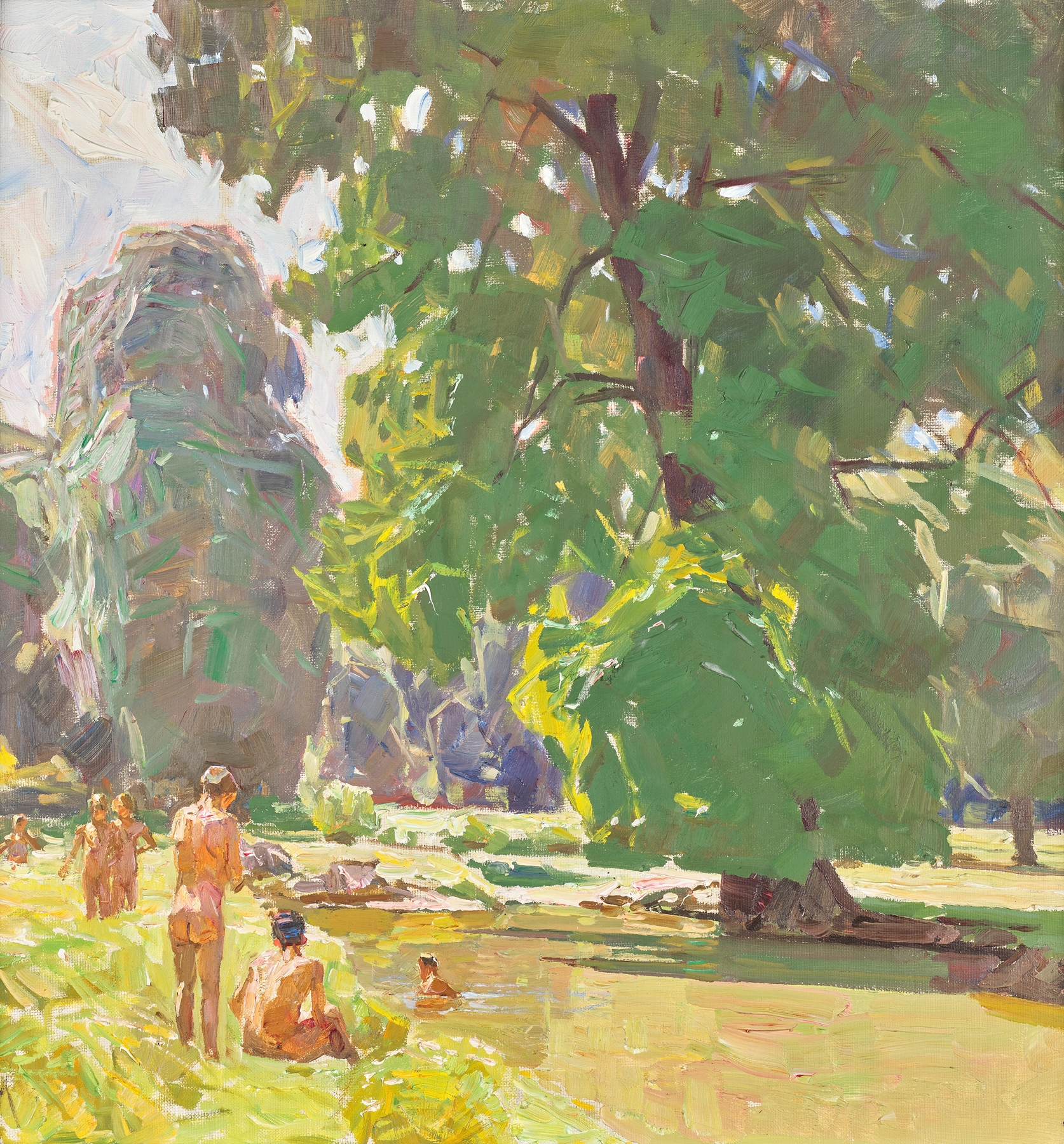
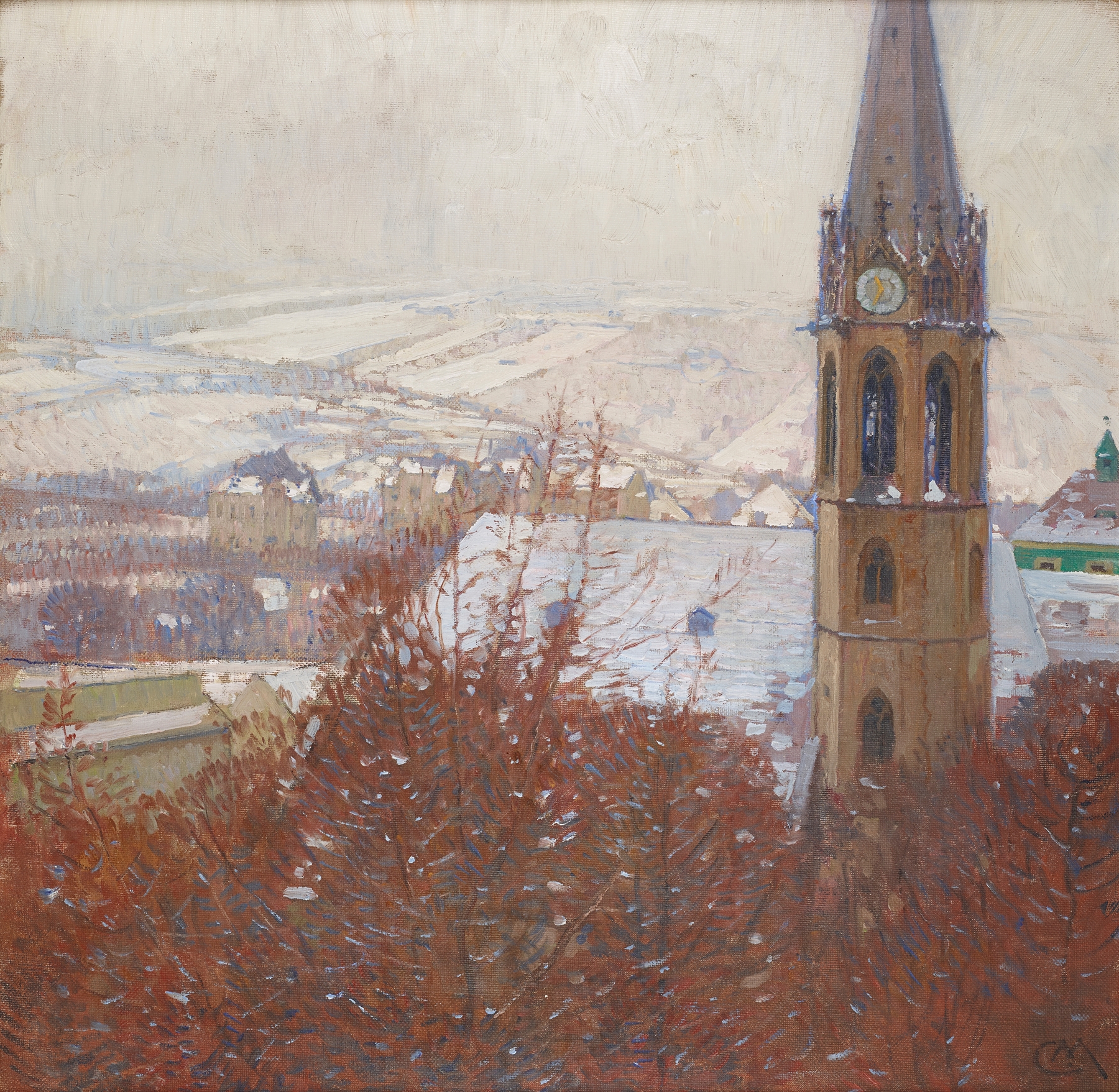
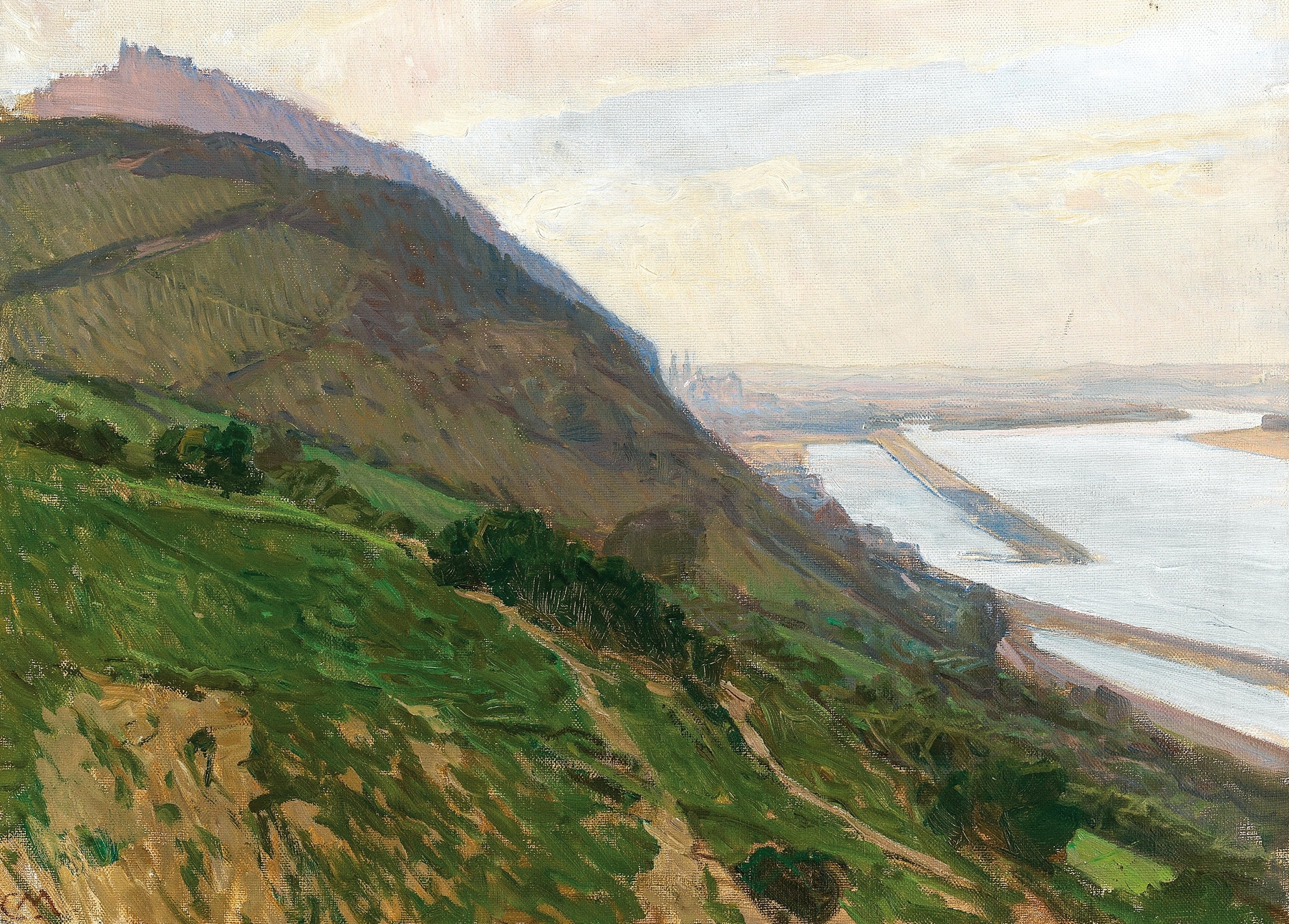
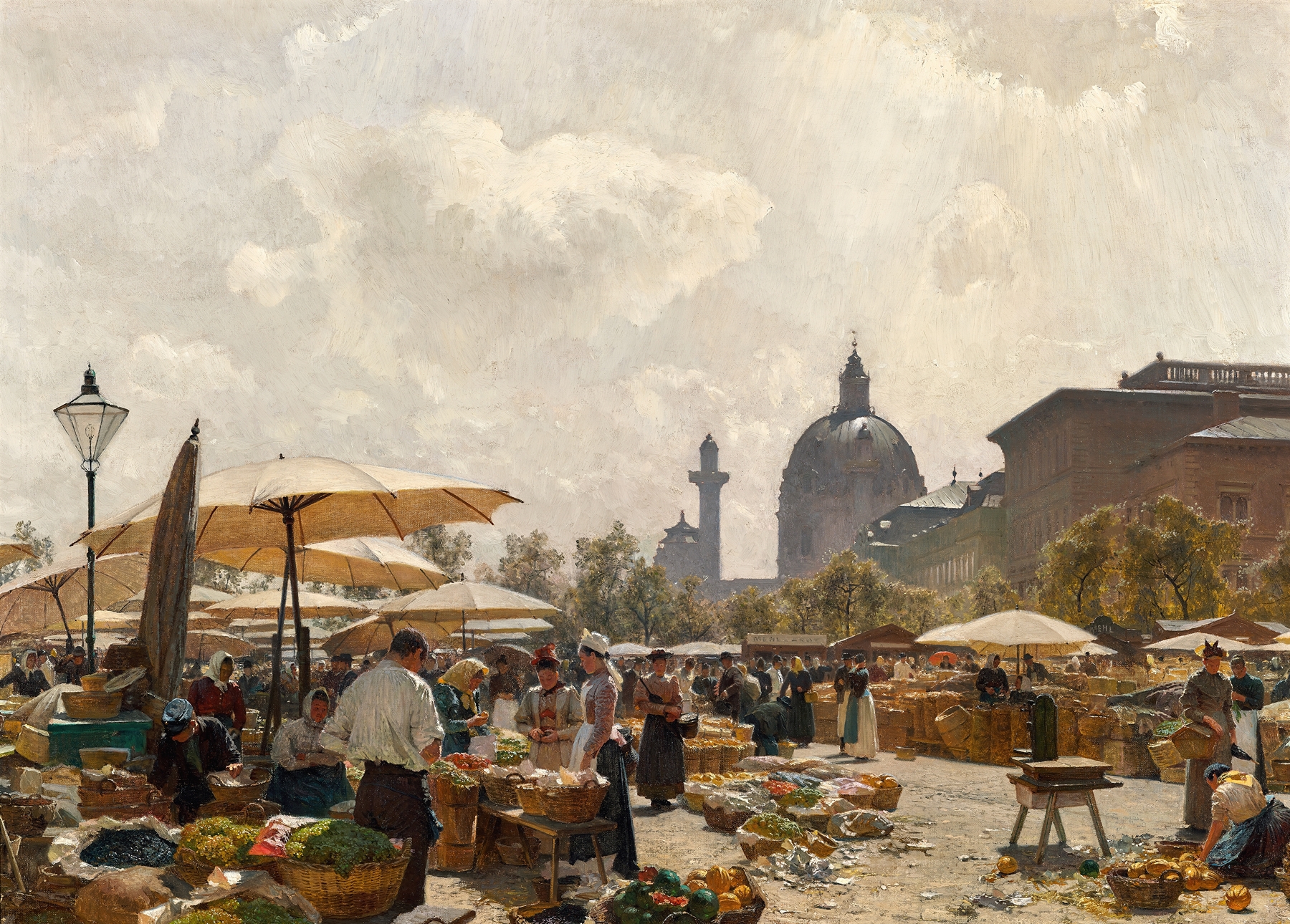
“Every brushstroke is a heartbeat remembered.” In this universe of chaos, where the familiar meets the ethereal, a moment suspended in time invites contemplation. How do we reconcile the riot of life with the stillness of a single image? Look closely at the foreground, where the vibrant greens of the trees contrast sharply against the warm ochres of the church facade. Notice how the light dances over the rooftops, illuminating details that feel both tender and restless.
The painter's hand captures fleeting moments, with each stroke conveying a sensation of warmth and movement, leading your gaze toward the tranquil spire that reaches for the sky. Yet, beneath this serene exterior lies a tension—a struggle between the rigidity of the architectural lines and the organic chaos of nature enveloping it. The swirling clouds above hint at the unpredictable shifts of life, while the vibrant colors evoke the complexities of human emotion. Each element speaks to a deeper narrative: the church as a bastion of faith amid the tumult of existence, a sanctuary caught in the throes of the changing world.
In 1905, this work emerged from the hands of an artist who was deeply entrenched in the Vienna Secession movement, a time marked by a shift towards modernity and experimentation. Carl Moll painted this piece during a period when the city was grappling with both its artistic identity and the socio-political changes sweeping Europe. As he explored the fusion of nature and architecture, he found a language that echoed the turbulence of his time—and in doing so, captured the pulse of an era.