Donauansicht — History & Analysis
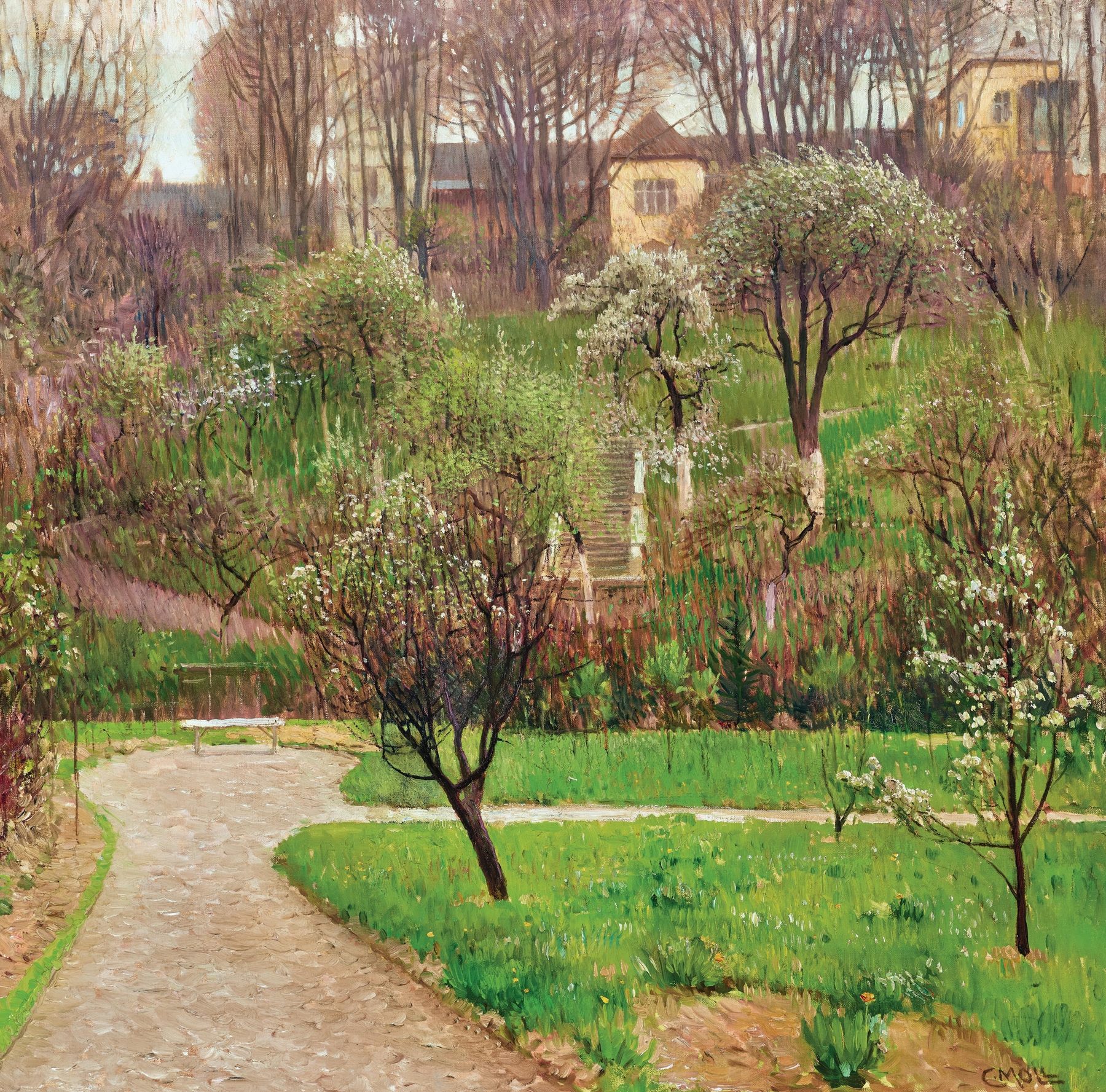
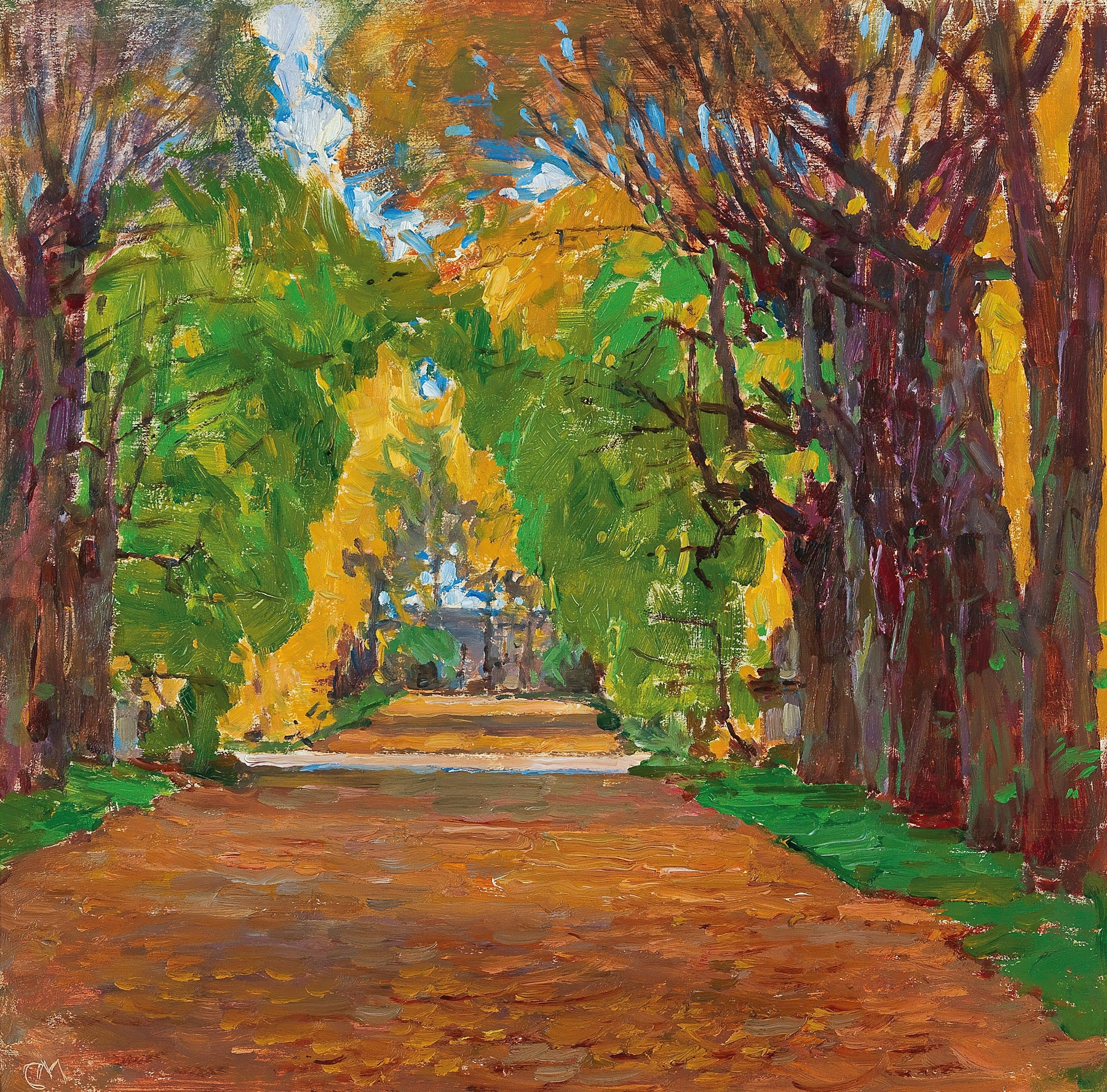
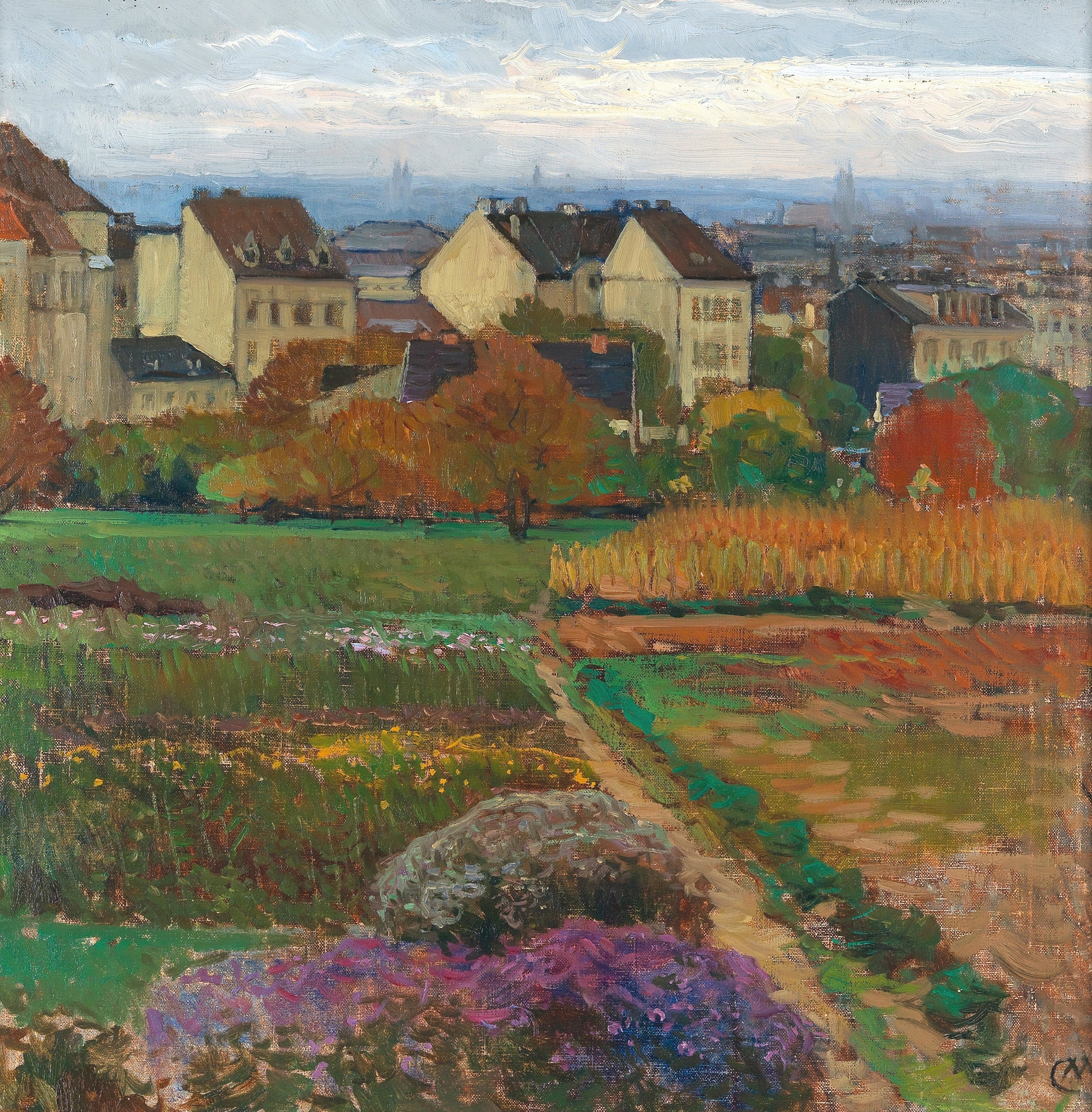
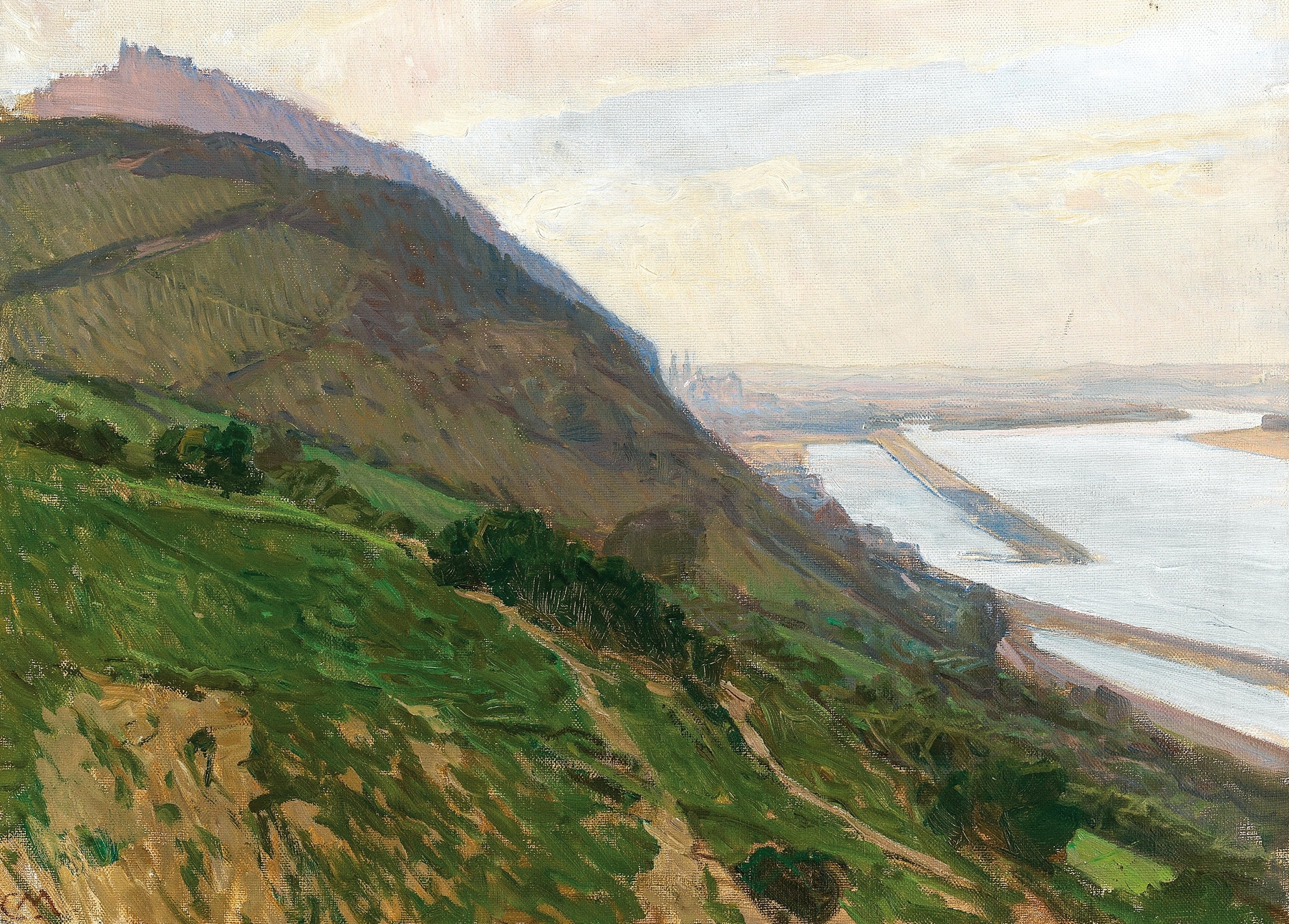
“Every brushstroke is a heartbeat remembered.” In the quiet moments frozen in time, we find the true essence of life’s fleeting beauty, captured forever on canvas. Look to the center of the composition, where gentle swirls of azure define the river’s meandering flow. The vibrant greens of the surrounding landscape cradle the water, painting a serene contrast that invites the viewer to linger. Notice how the light filters through the trees, casting delicate shadows that dance across the banks, creating a harmonious interplay of color and texture.
The subtleties in Moll's brushwork breathe life into the scene, engaging the viewer in a dialogue with nature itself. Delve deeper into the layers of meaning and emotion. The river represents a passage of time, a silent witness to the lives and stories unfolding along its banks. Observe the quiet resonances of solitude and reflection, as the landscape seems to yearn for connection.
The absence of human figures accentuates the tranquility, evoking a sense of nostalgia for moments long gone, suggesting that even in stillness, life continues to ebb and flow. Carl Moll painted this work during a transformative period in the early 20th century, amidst the vibrant cultural scene of Vienna. Inspired by the Austrian countryside, he sought to capture the essence of landscapes that felt both familiar and ephemeral. In the wake of rapid industrialization and societal change, his art became a haven, reflecting a longing for the simplicity and beauty of nature, a testament to the times that shaped his vision.