Blick über den Comer See auf Bellaggio — History & Analysis
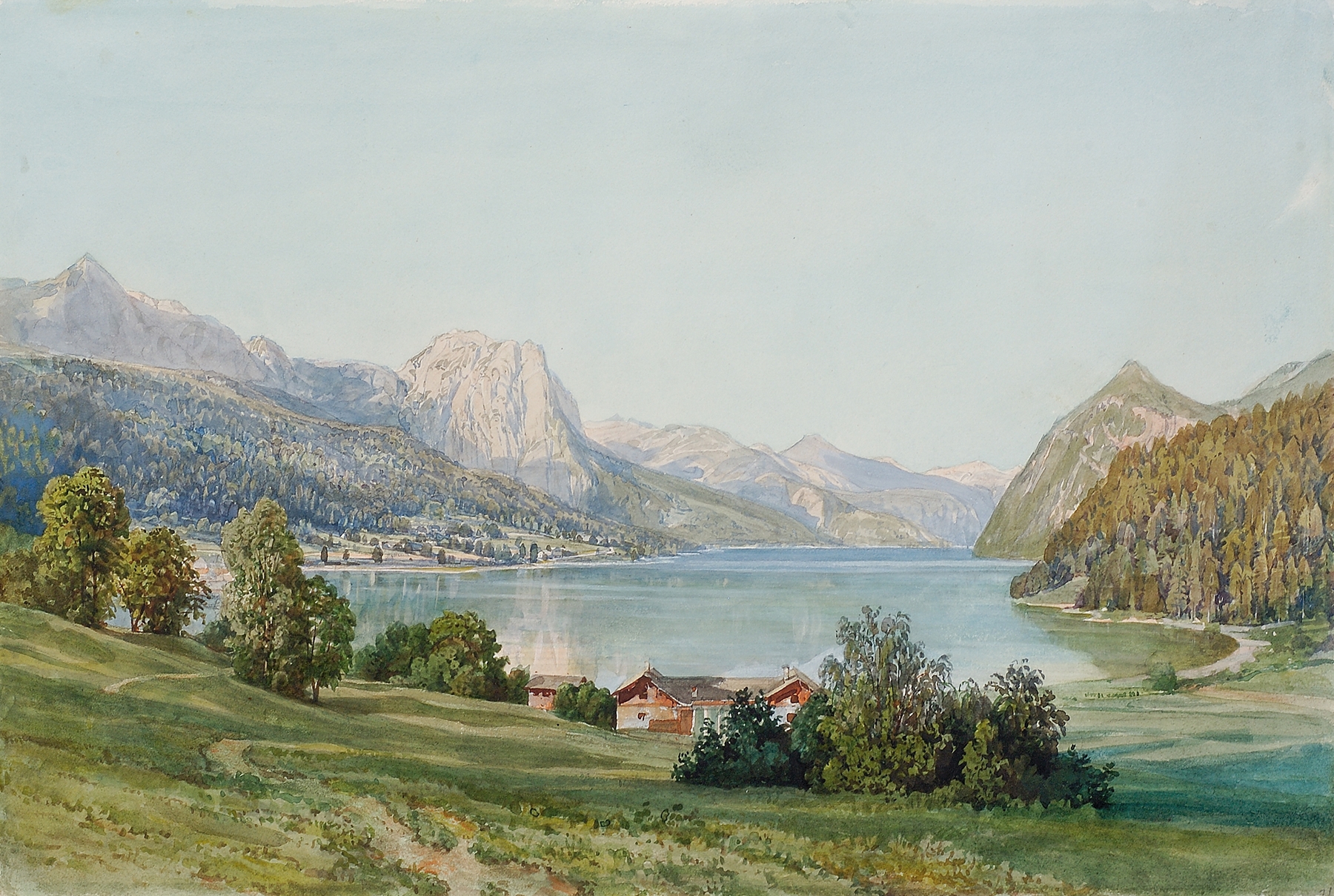
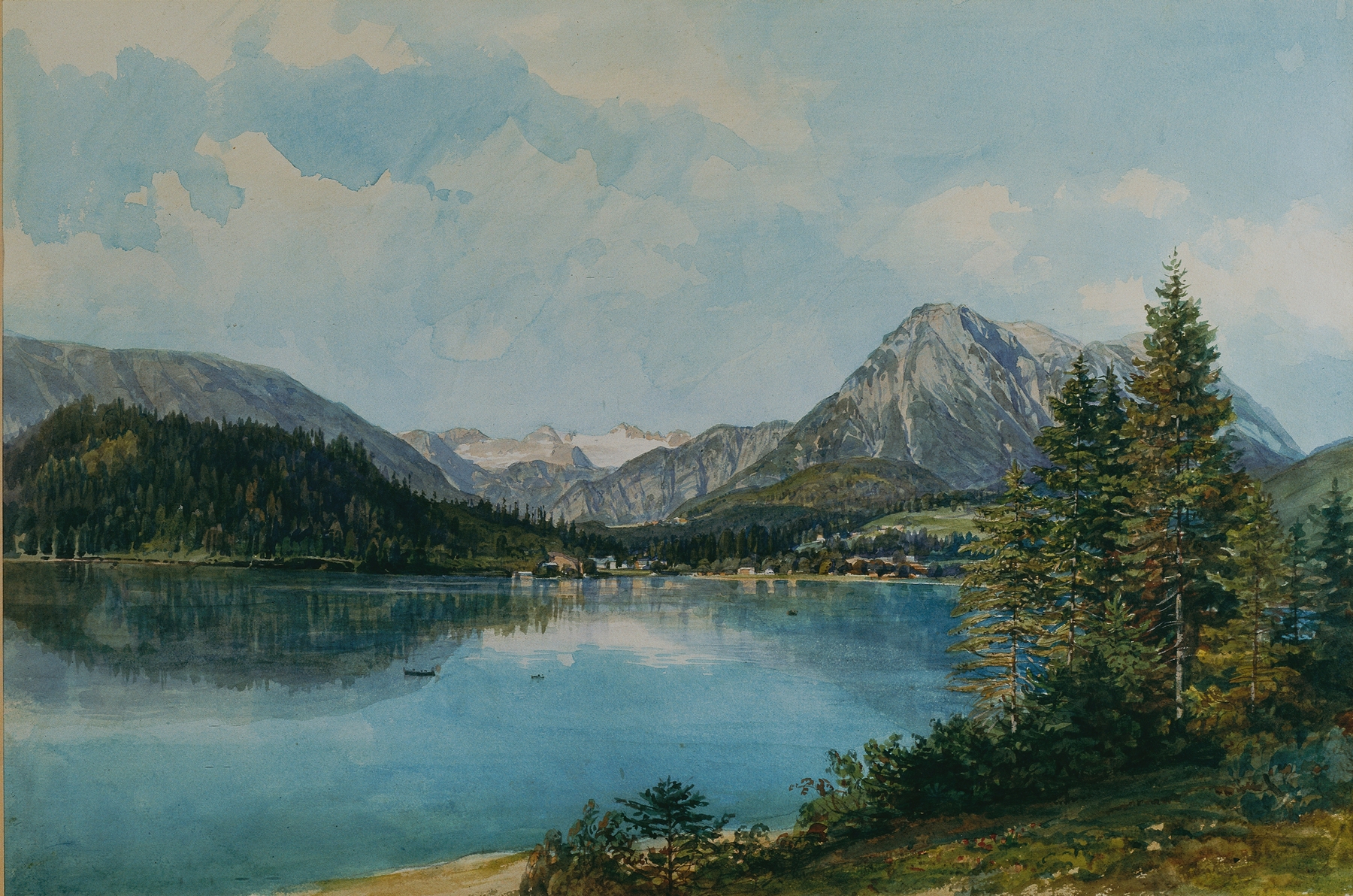
“To paint is to remember what time wants us to forget.” With every brushstroke, a world unfolds, capturing fleeting moments layered with emotion and memory. Look to the horizon in Blick über den Comer See auf Bellaggio, where serene blues merge seamlessly with the tranquil waters of the lake. The gentle ripples reflect soft wisps of cloud overhead, creating a calming yet haunting atmosphere. Notice how the buildings of Bellaggio cling to the hillside, their warm hues juxtaposed against the cool, shadowed depths of the water below.
The artist’s meticulous attention to detail invites the viewer to explore the interplay of light and color, drawing our gaze across the landscape. Yet beneath this idyllic scene lies a subtle tension. The stillness of the lake belies the anxiety that can lurk just beneath the surface, a reminder that beauty can provoke fear of loss or the relentless passage of time. The viewer may sense a longing for a moment that feels both perfect and impermanent, where nature’s beauty is tinged with the knowledge that such serenity is fleeting.
The juxtaposition of vibrant life against the tranquil yet unforgiving water speaks to our own fears of change and disappearance. In the early 19th century, as Ender painted this piece, he was deeply immersed in the Romantic movement, which emphasized emotion and the sublime. Working in the breathtaking surroundings of Lake Como, he sought to capture not just the visual beauty but the very essence of a moment that would slip away into memory. It was a time of great artistic exploration, where the natural world became a canvas for deeper human truths.