Blick vom Belvedere auf Wien — History & Analysis
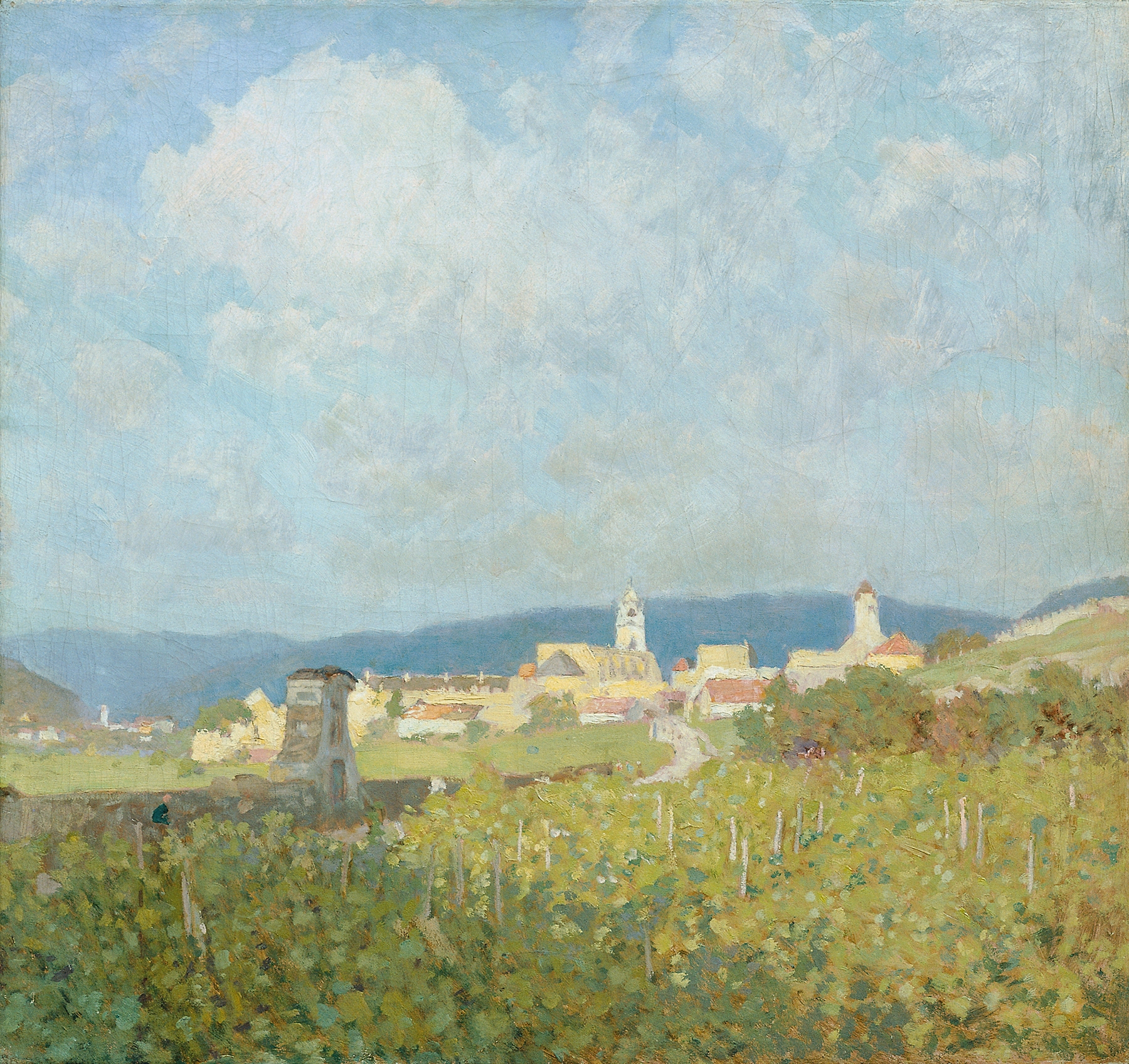
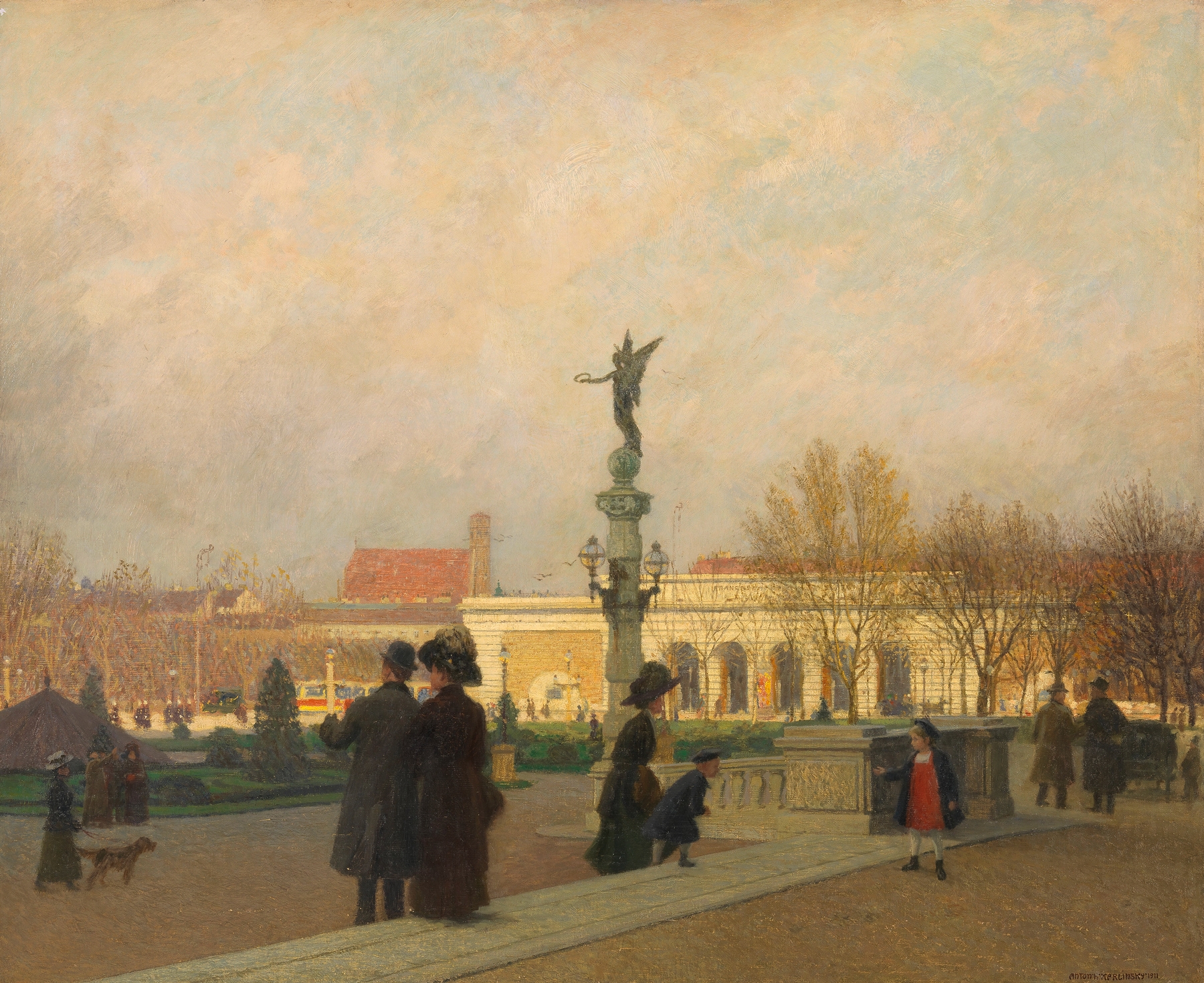
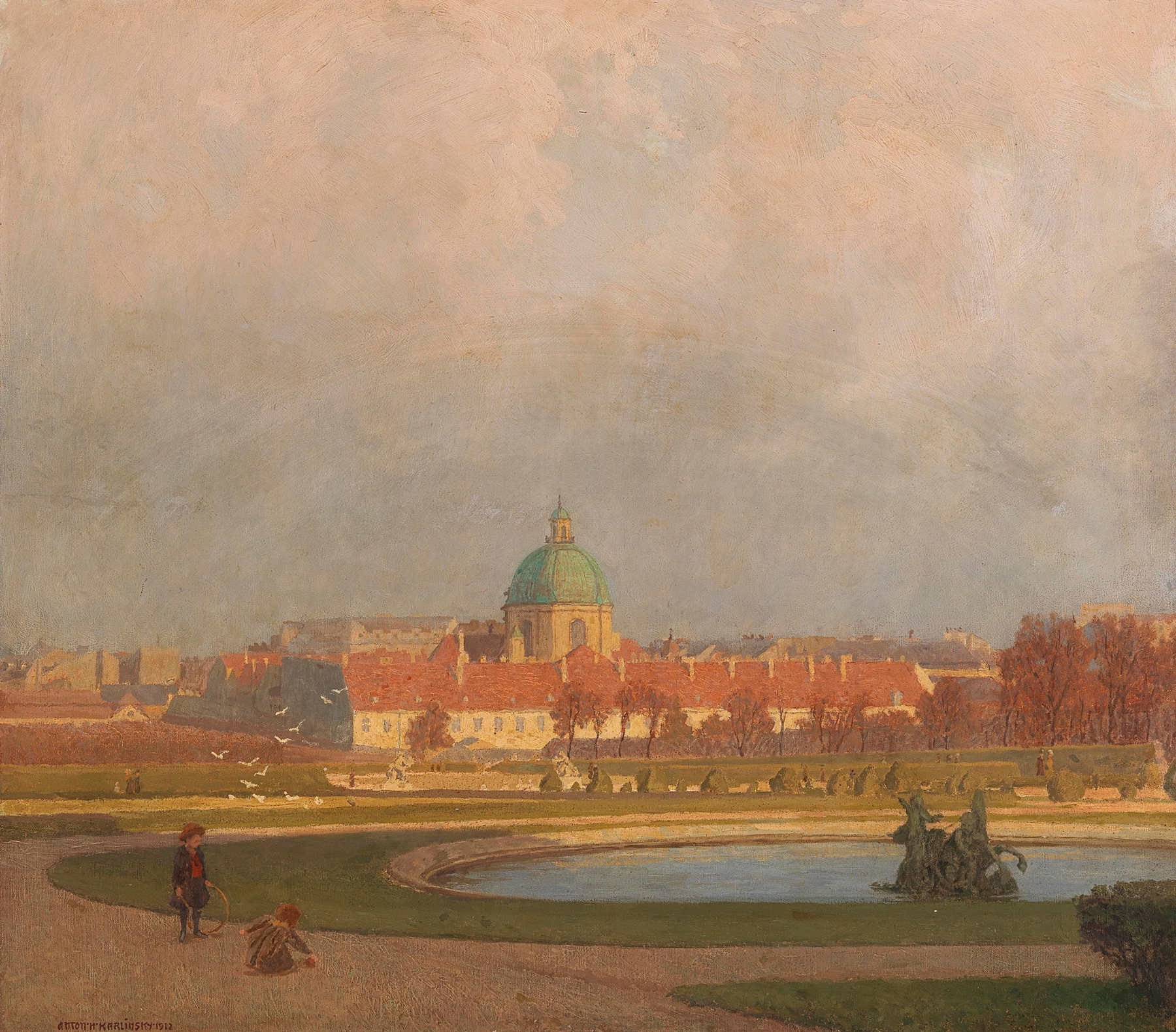
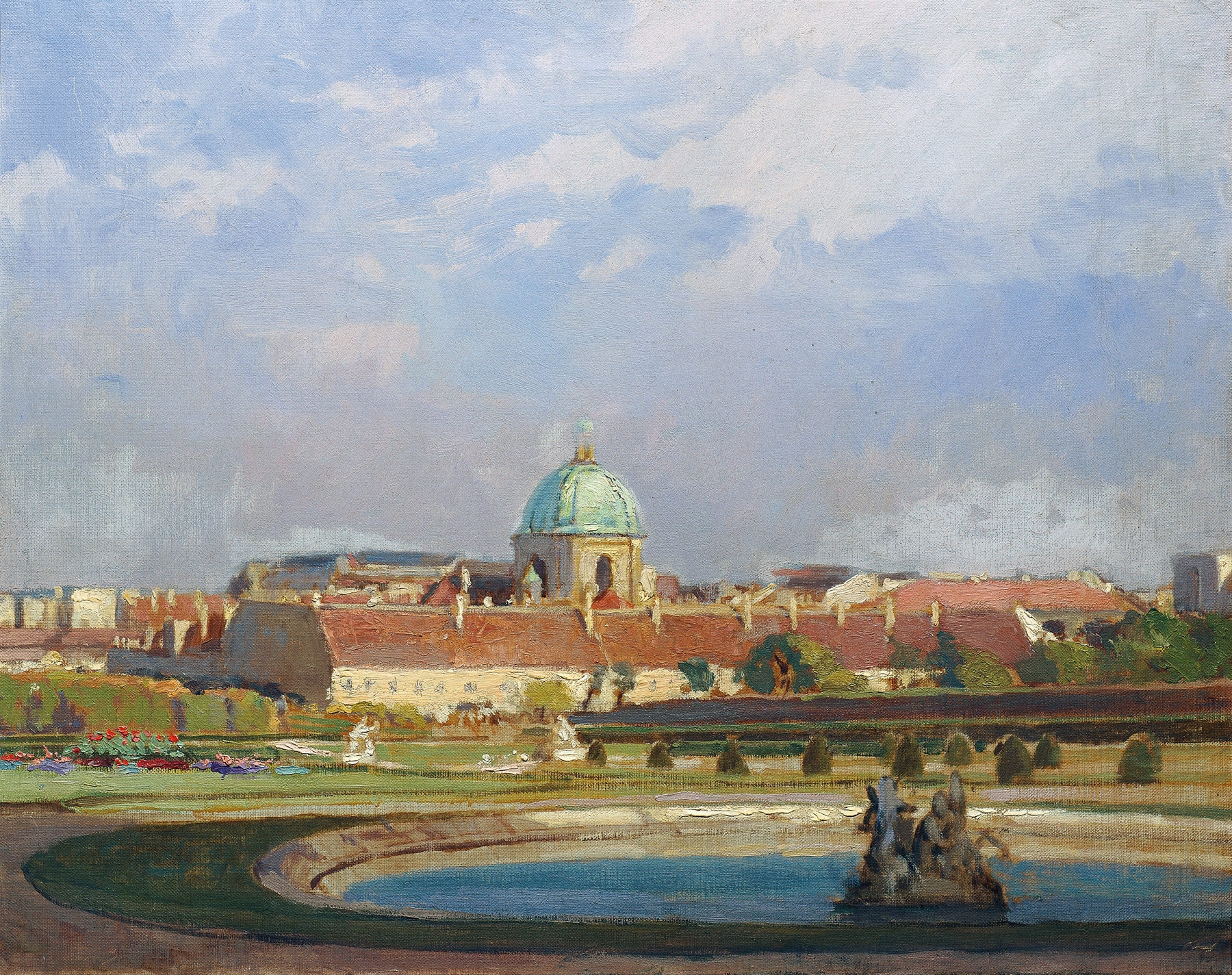
Can paint confess what words never could? In Blick vom Belvedere auf Wien, the muted whispers of emptiness resonate through the canvas, inviting an exploration of both absence and presence. Look closely at the horizon where the cityscape unfurls beneath a vast, cloud-strewn sky. The delicate interplay of light and shadow reveals the contours of Vienna, while the brushwork evokes a sense of quiet contemplation.
The muted palette—soft grays, pale blues, and hints of earth tones—imbues the scene with an air of melancholic distance, drawing the viewer into a world both familiar and hauntingly vacant. Upon closer inspection, small details come to life; the ghostly outlines of buildings stand as silent sentinels, their windows dark and uninviting. This absence of life juxtaposes the grandeur of the Belvedere itself, which looms like a guardian over the city, hinting at a former vibrancy now faded. The emptiness captured here may reflect a longing and a disconnect, urging us to ponder what once flourished amidst the silence of war-torn Europe, a poignant reminder of lost possibilities.
Painted in 1943, during a tumultuous period marked by World War II, the artist found himself enveloped in the stark realities of a fractured world. Living in Vienna, he navigated an artistic landscape rife with uncertainty, where the echoes of the past weighed heavily on the present. This painting serves as both a personal reflection of his surroundings and a broader commentary on the desolation felt across a continent in conflict.