Kirche in Holzern bei Säusenstein — History & Analysis
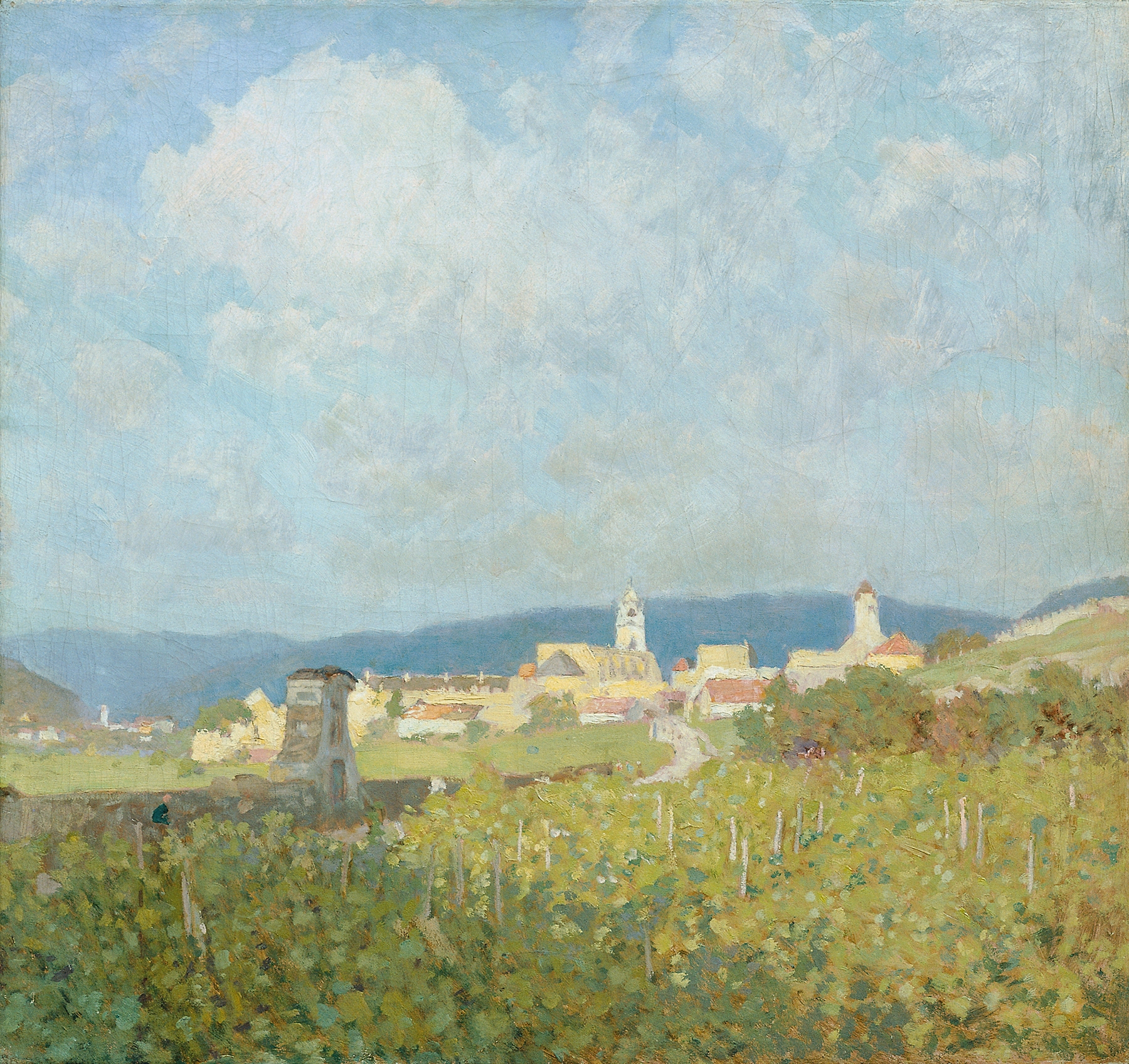
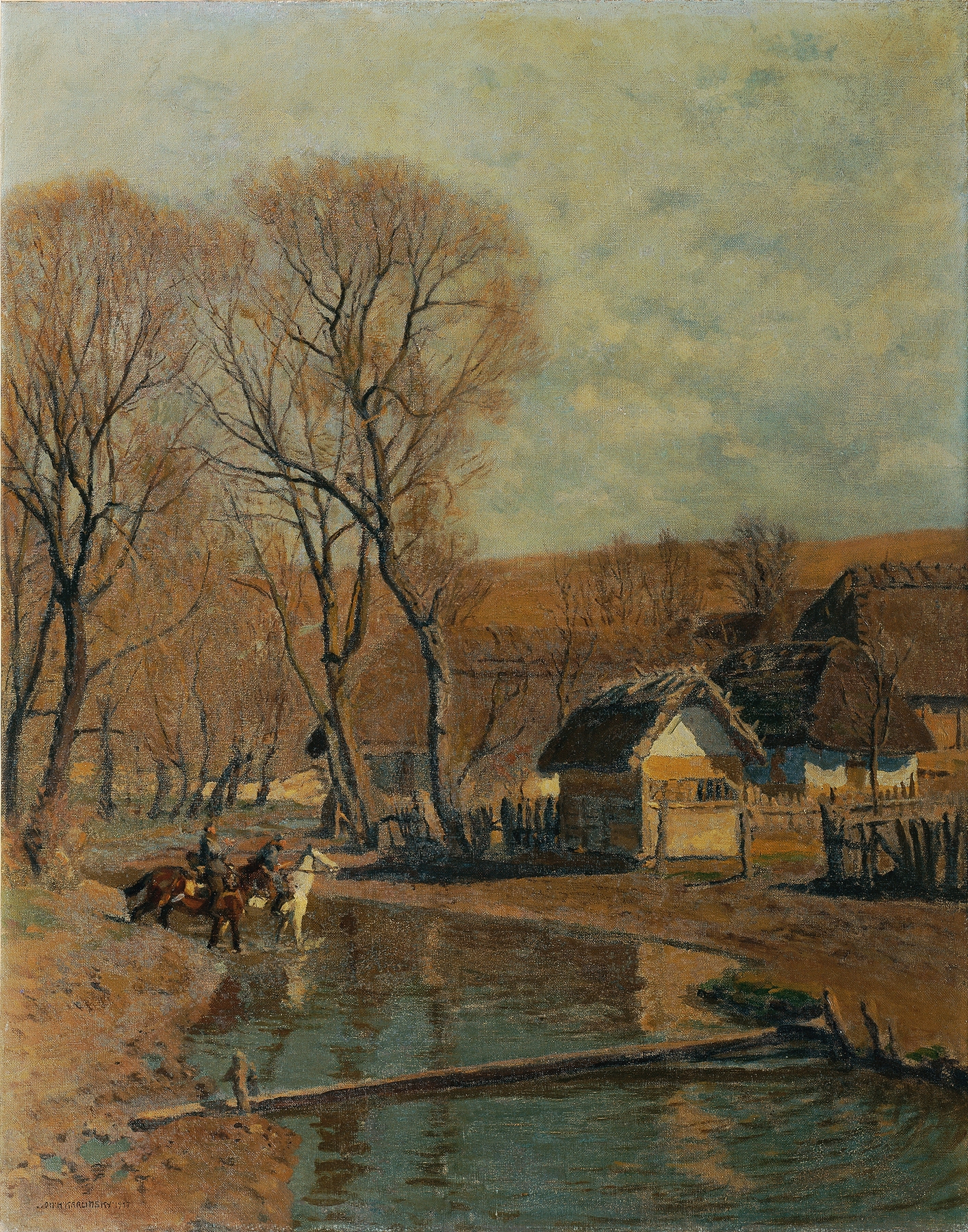
Did the painter know this moment would outlive them? In Kirche in Holzern bei Säusenstein, the quiet sanctuary of a church stands resolute amidst a verdant landscape, reflecting the eternal interplay between nature and human creation. Look to the left at the church's façade, where soft earthy tones blend seamlessly into the foliage. Notice how the delicate brushwork captures the texture of the stone, each stroke breathing life into the structure. The composition draws your eye upward, the steeple reaching toward the sky, as if yearning for divine acknowledgment.
Subtle variations in light dance across the scene, revealing the artist’s mastery in depicting both the serenity of the building and the vibrancy of the surrounding life. As you delve deeper, consider the juxtaposition of permanence and transience—humans build, yet nature persists. The church, while a testament to human aspiration, is engulfed in greenery that symbolizes the relentless passage of time. The shadows cast by the towering trees seem to whisper secrets of generations past, contrasting the steadfastness of the church with the ever-changing landscape.
This tension evokes contemplation of faith, legacy, and the impermanence that accompanies even the most enduring constructs. In the midst of an undisclosed era, Anton Hans Karlinsky painted this work, likely finding inspiration in the tranquil settings that surrounded him. The artwork reflects a period of introspection and reverence for the natural world, a sentiment echoed in many artistic movements of his time. Though specifics about his life during this creation remain elusive, the painting encapsulates a universal desire to capture fleeting moments in a world marked by constant change.