Sonntag in der Lobau — History & Analysis
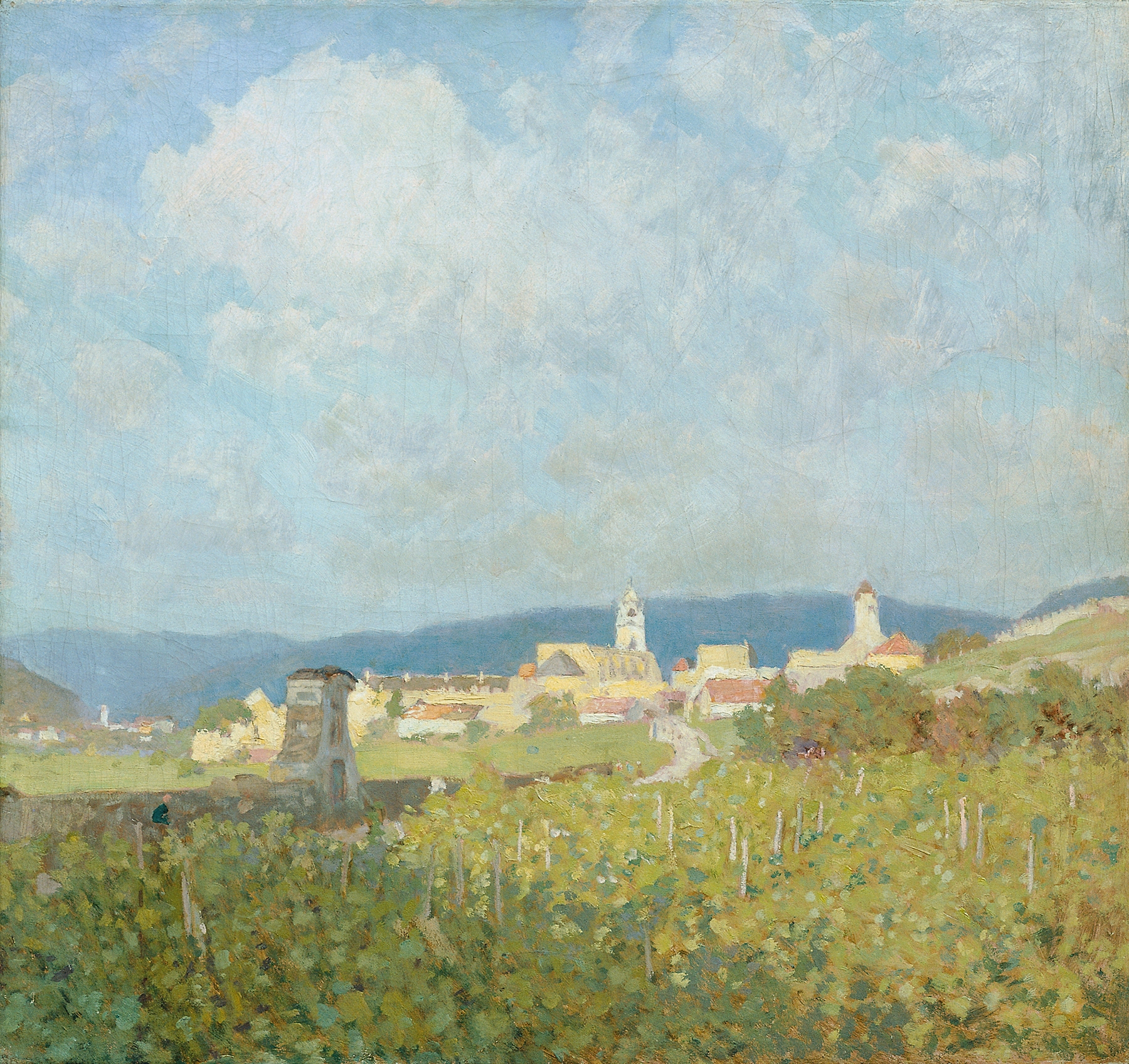
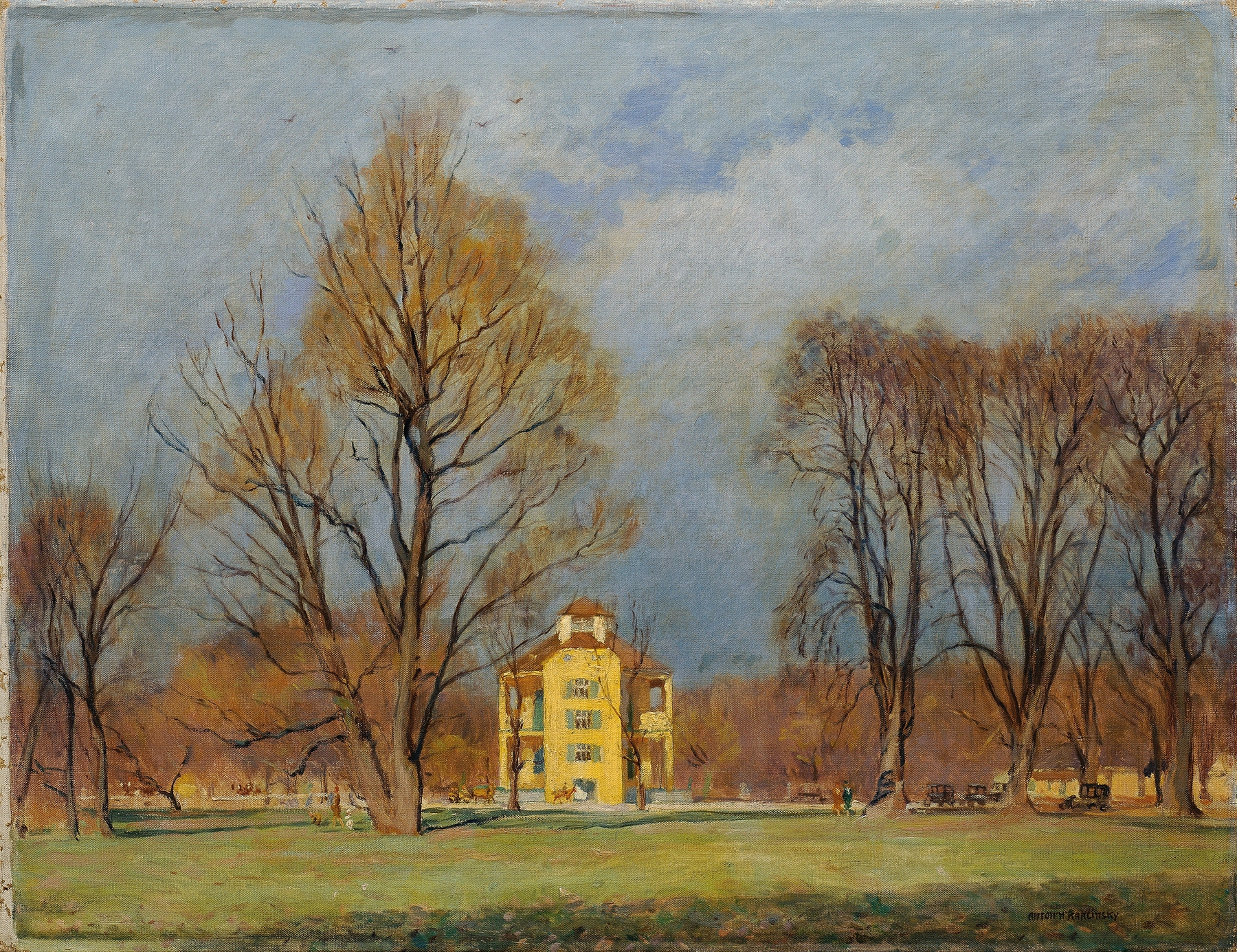
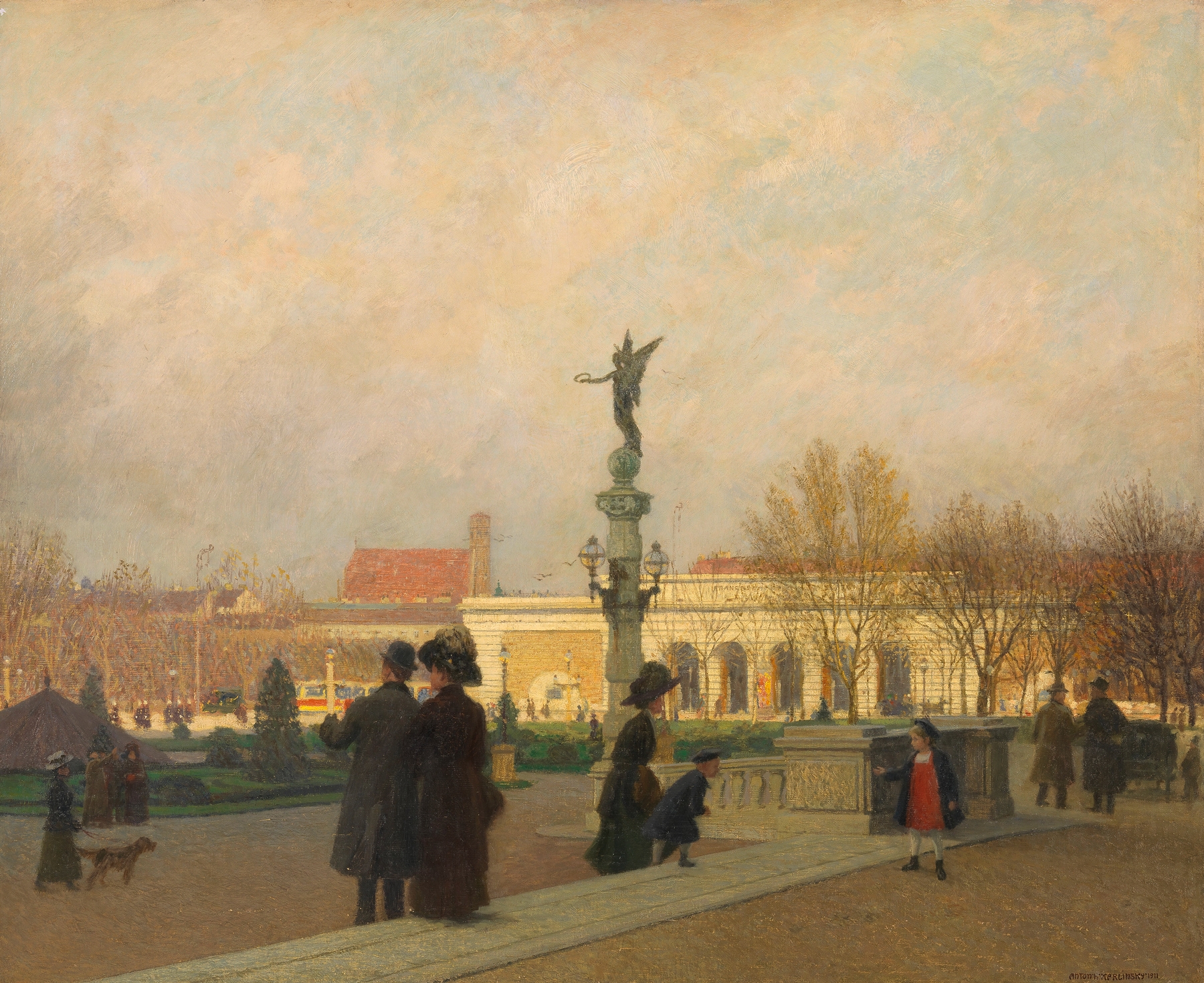
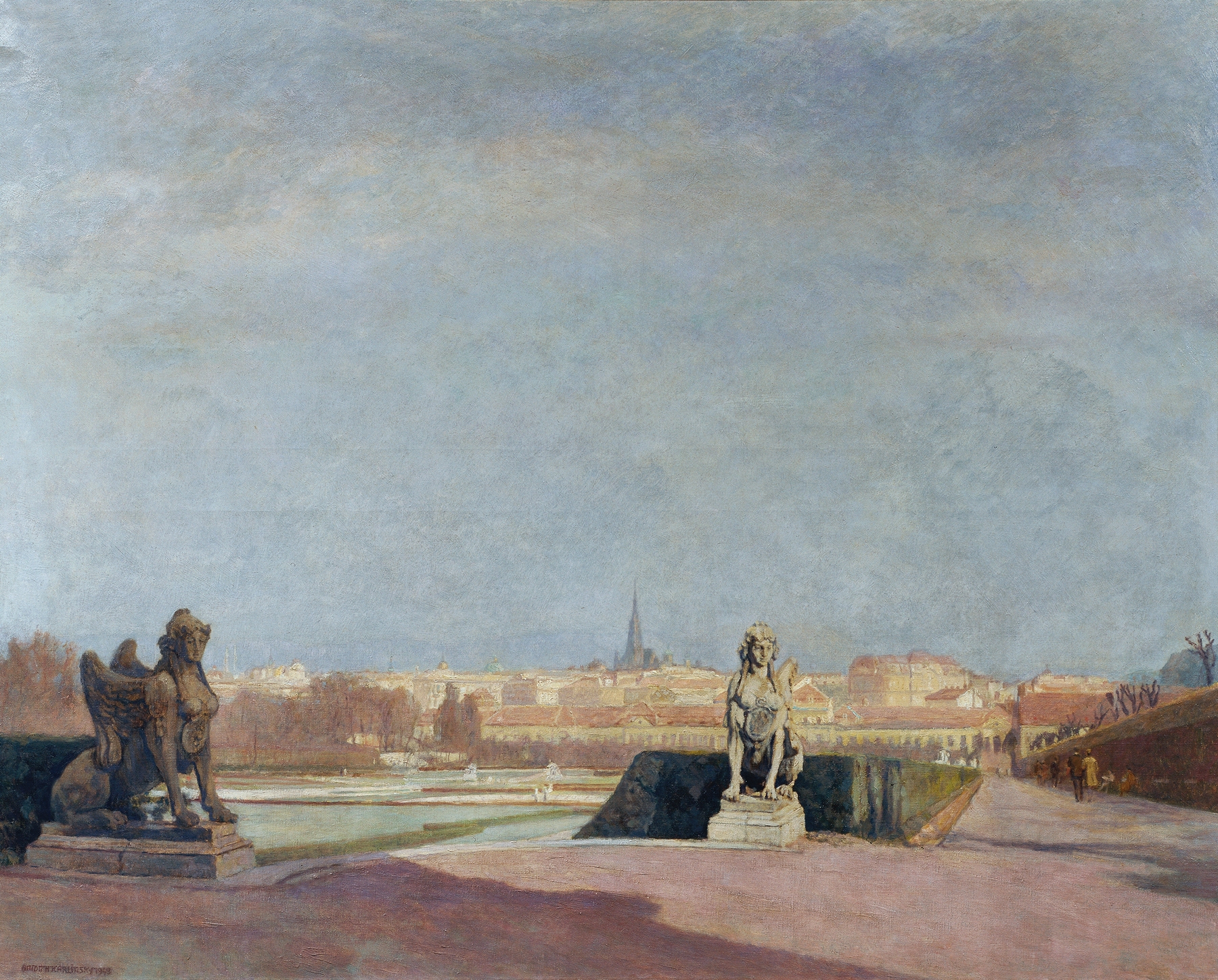
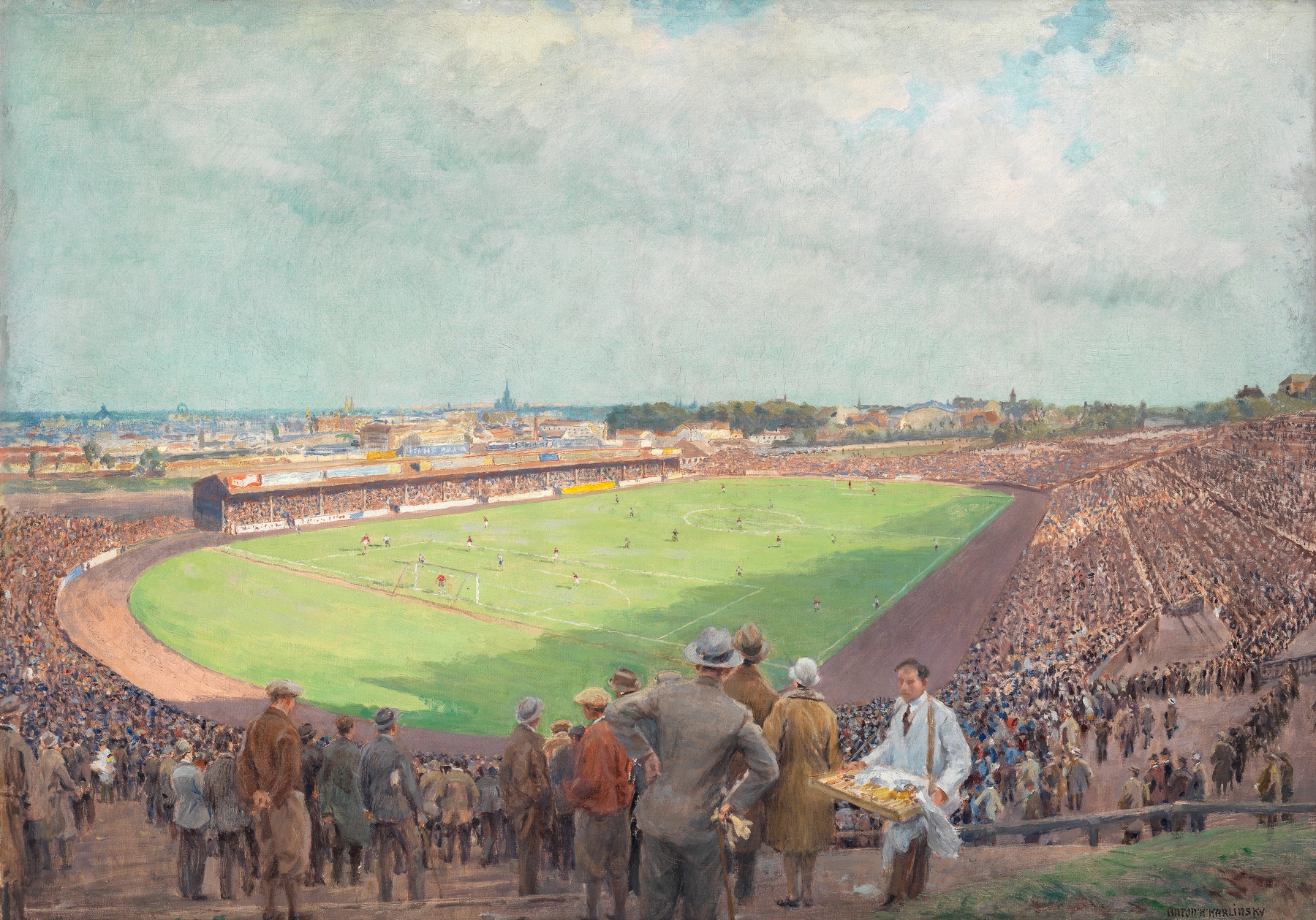
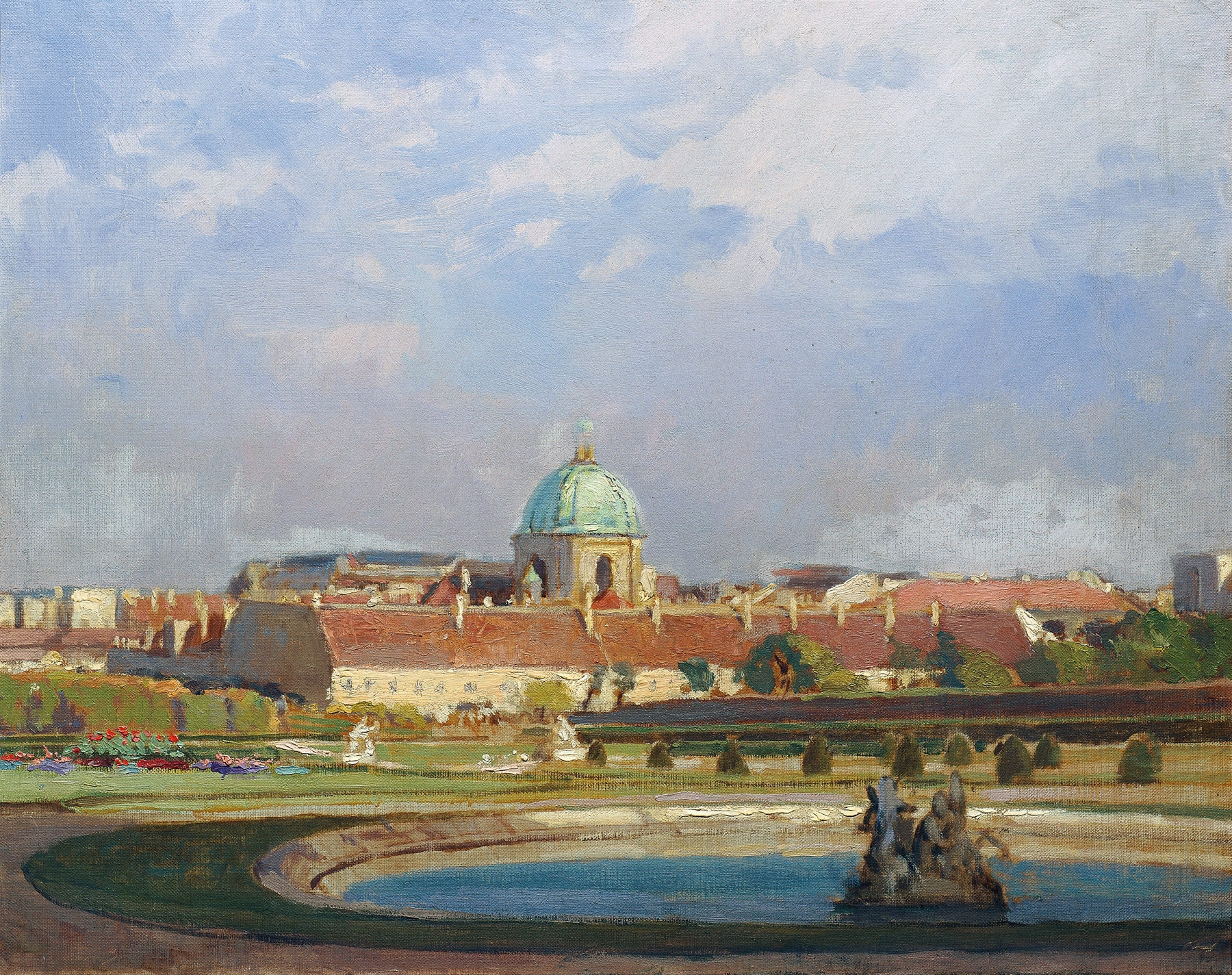
Did the painter know this moment would outlive them? In Sonntag in der Lobau, the essence of light captures a fleeting afternoon, where nature's embrace and human presence intertwine harmoniously. Look to the left at the vivid splashes of green, where sun-dappled leaves dance with the breeze, inviting you into the scene. The figures, positioned at the heart of the composition, are bathed in warm, golden light, their joyful gestures seemingly echoing laughter that transcends the canvas.
Notice the subtle gradients of color that shift from deep blues in the shadows to radiant yellows on sunlit faces, creating a picturesque tableau that draws the viewer’s gaze deeper into the festivities of the moment. Beneath this idyllic surface lies a poignant contrast between the ephemeral and the eternal. The lively figures enjoying their Sunday afternoon hint at a temporary escape from the worries of life, yet the surrounding stillness of the lush landscape speaks to nature’s enduring presence.
The juxtaposition of human joy against the steadfastness of the trees evokes a sense of nostalgia, reminding us that even in moments of bliss, time continues its relentless march forward. In 1925, Karlinsky painted this masterpiece during a period of artistic exploration in Vienna, where the echoes of post-war recovery and modernization were palpable. Immersed in a vibrant milieu of emerging artistic movements, he sought to express the beauty of everyday life through light and color, capturing not just a moment, but a sentiment that resonates through the ages.