Blick vom Pfaffengföll — History & Analysis
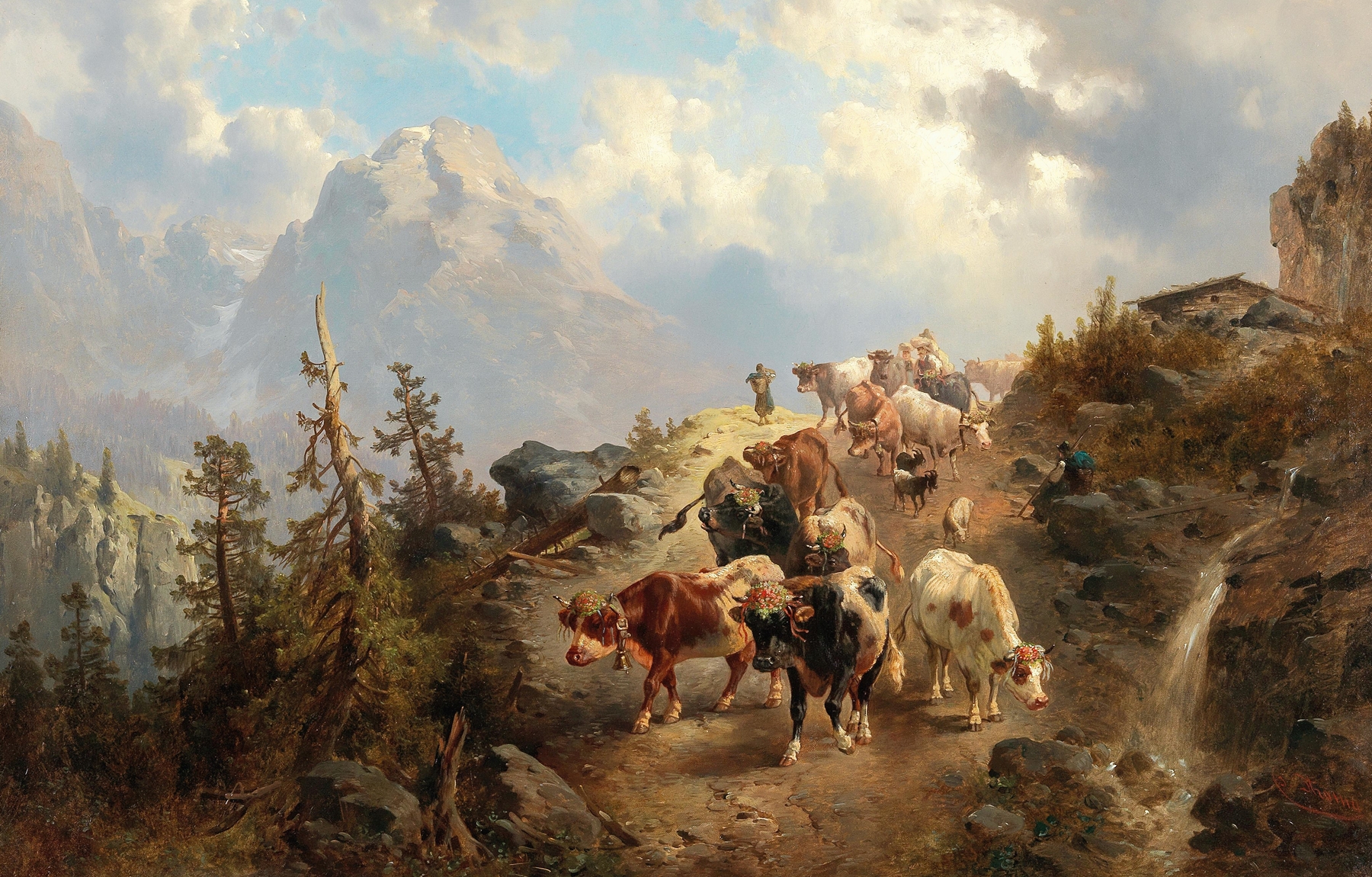
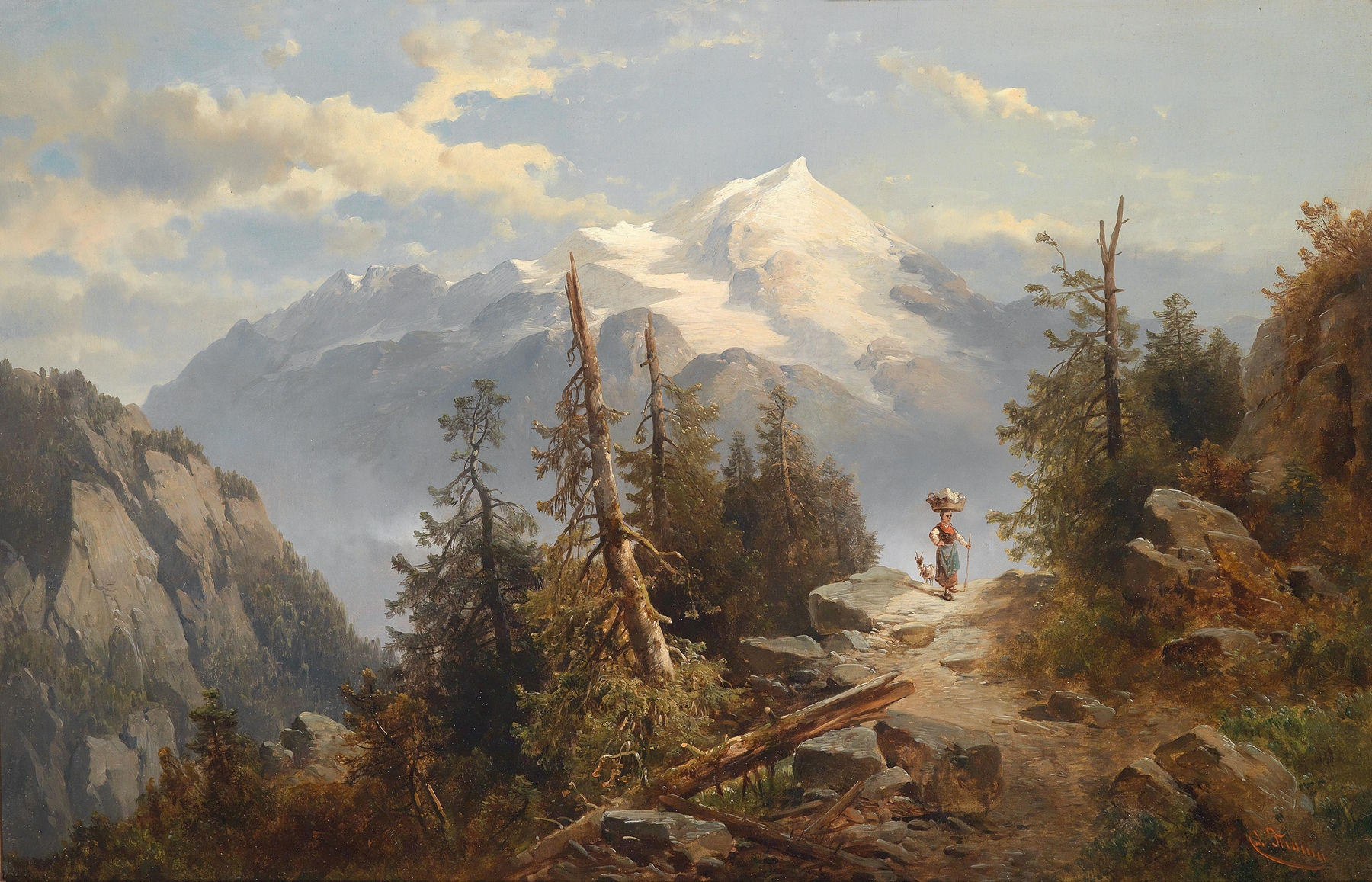
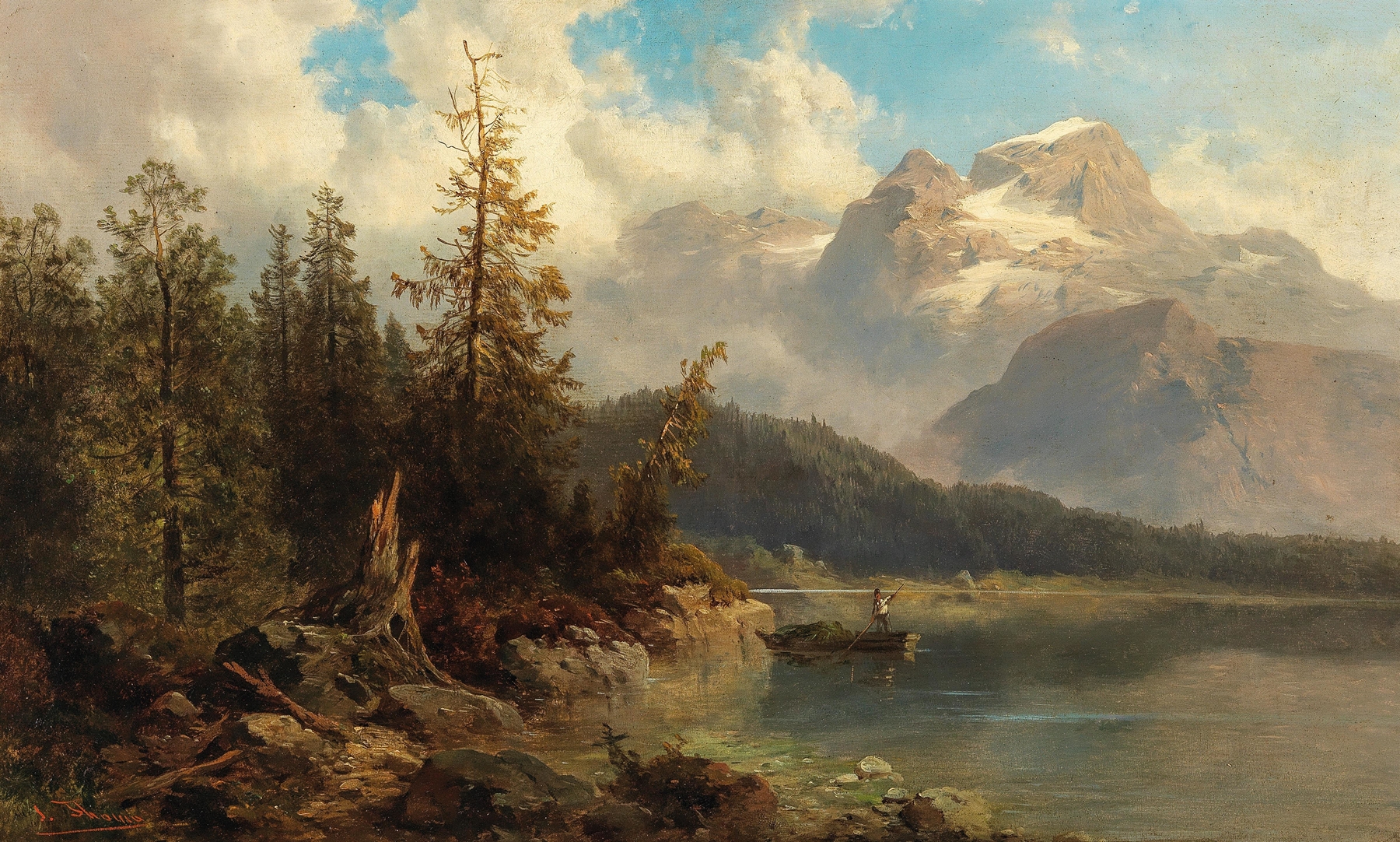
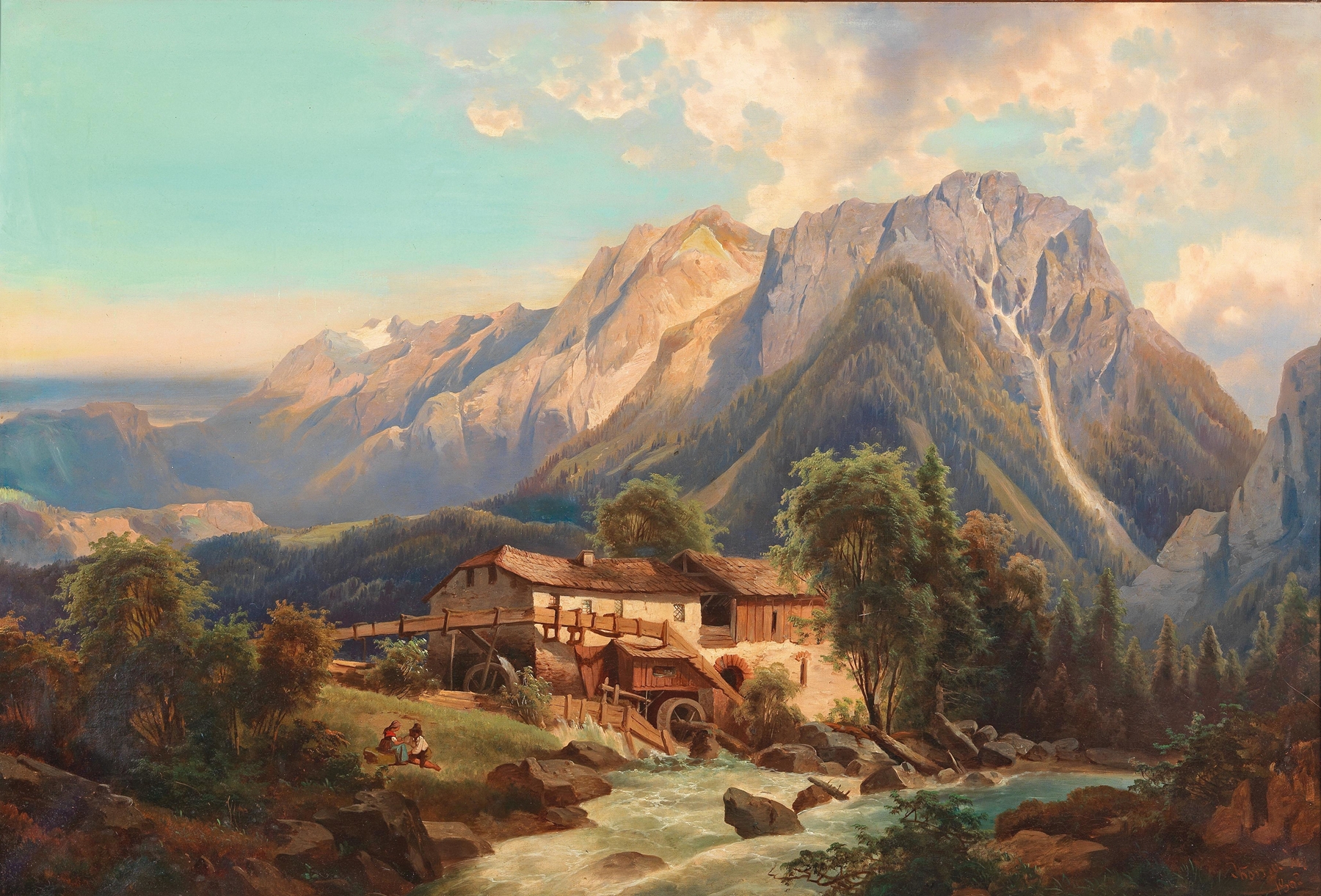
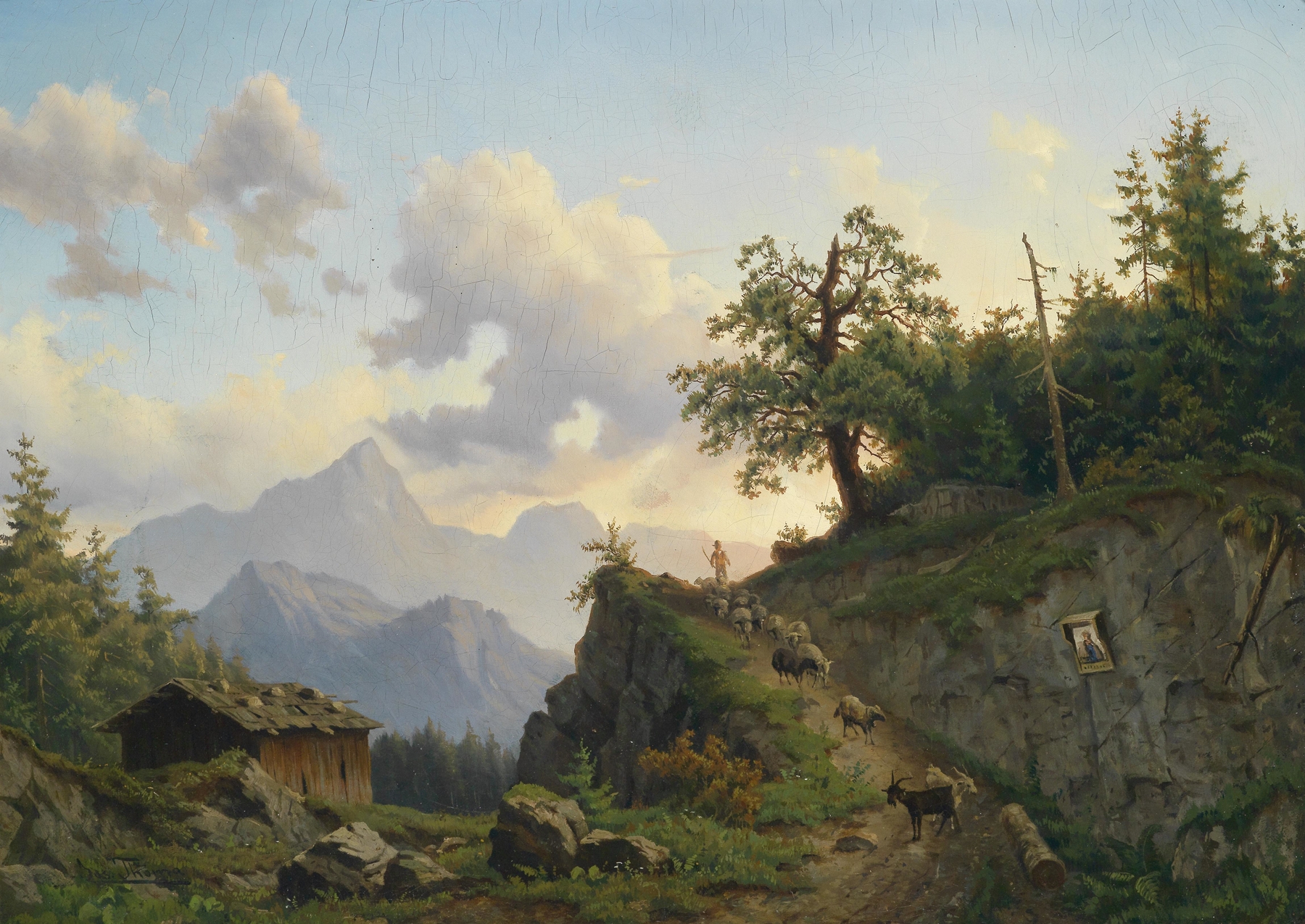
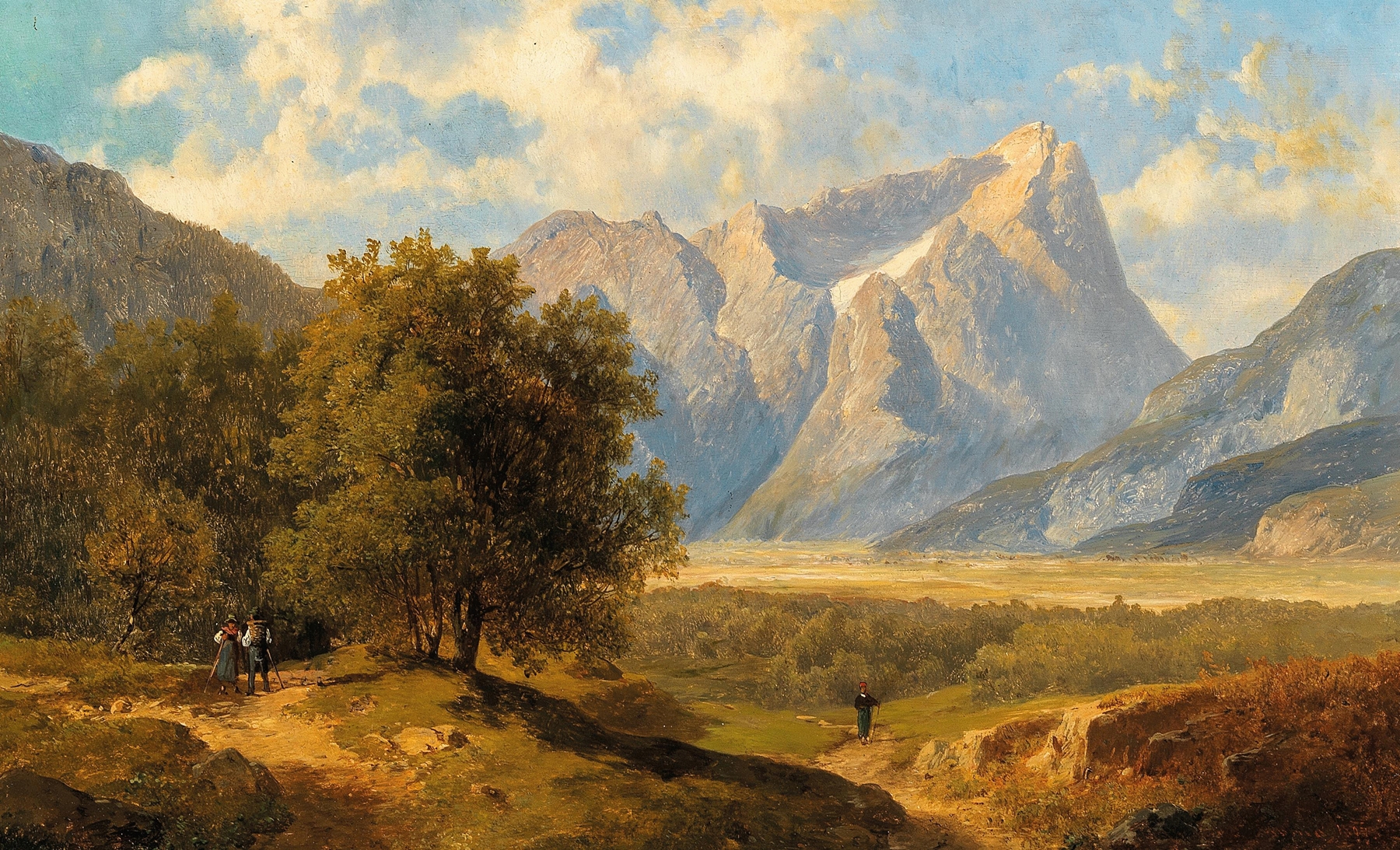
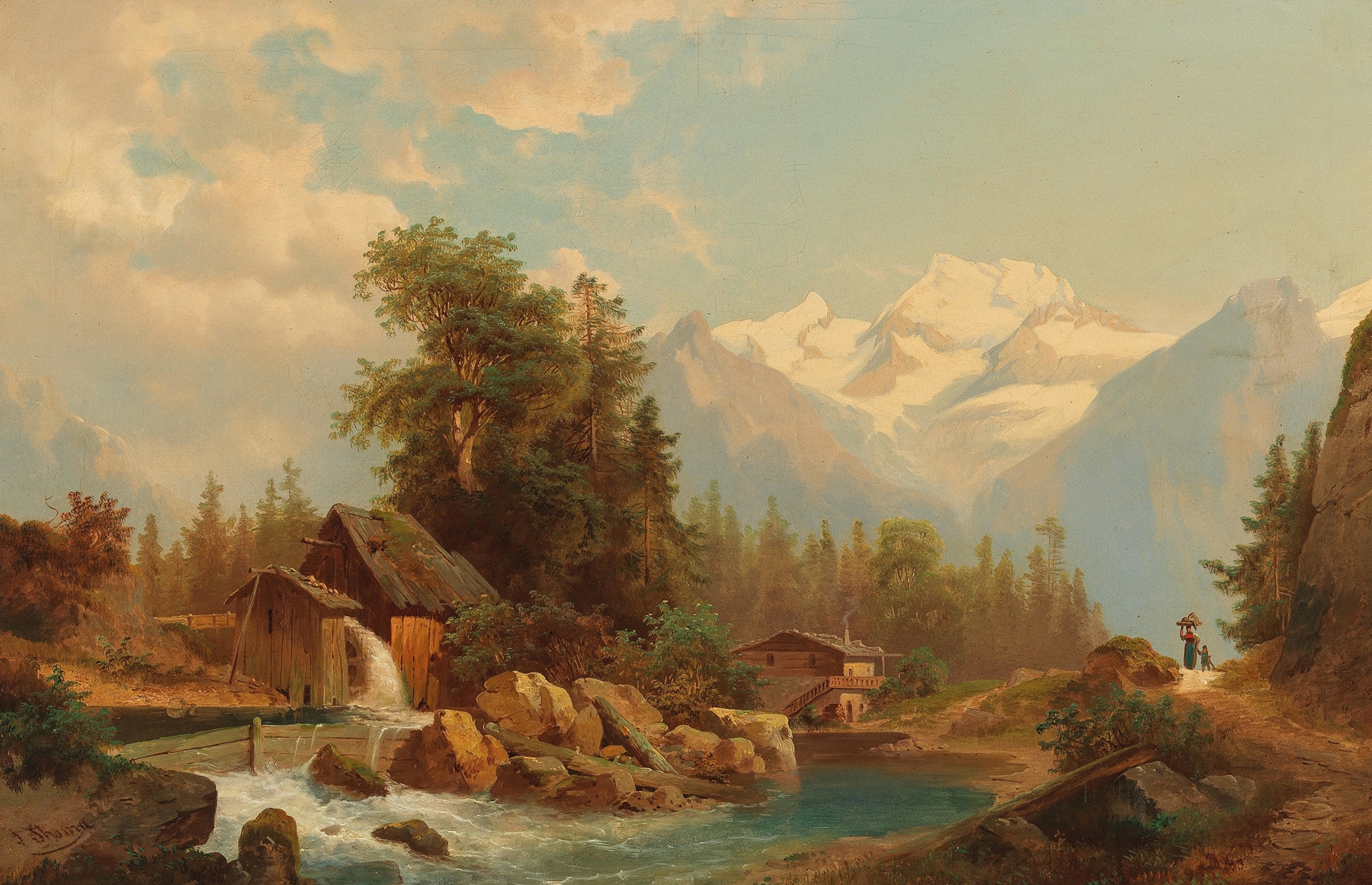
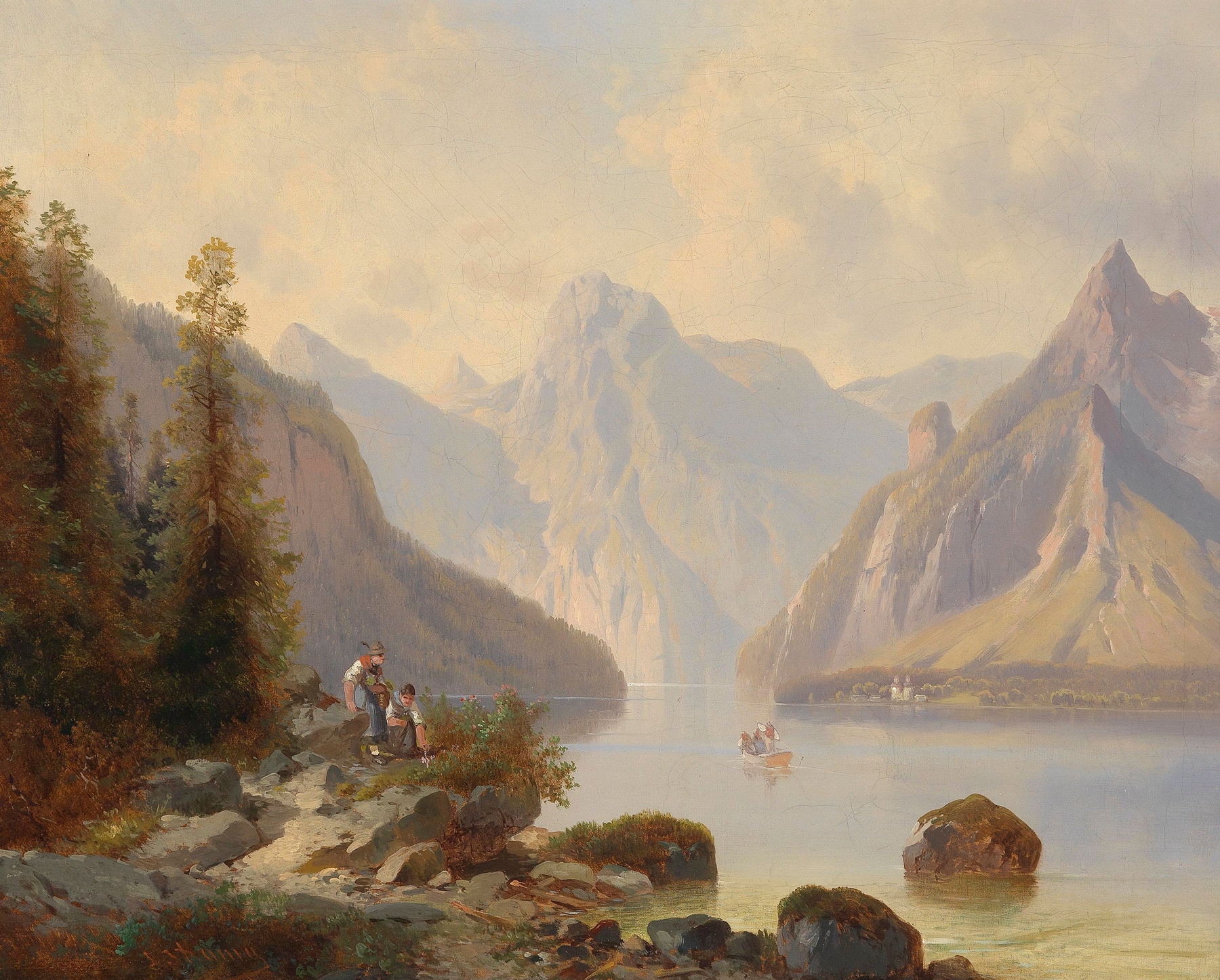
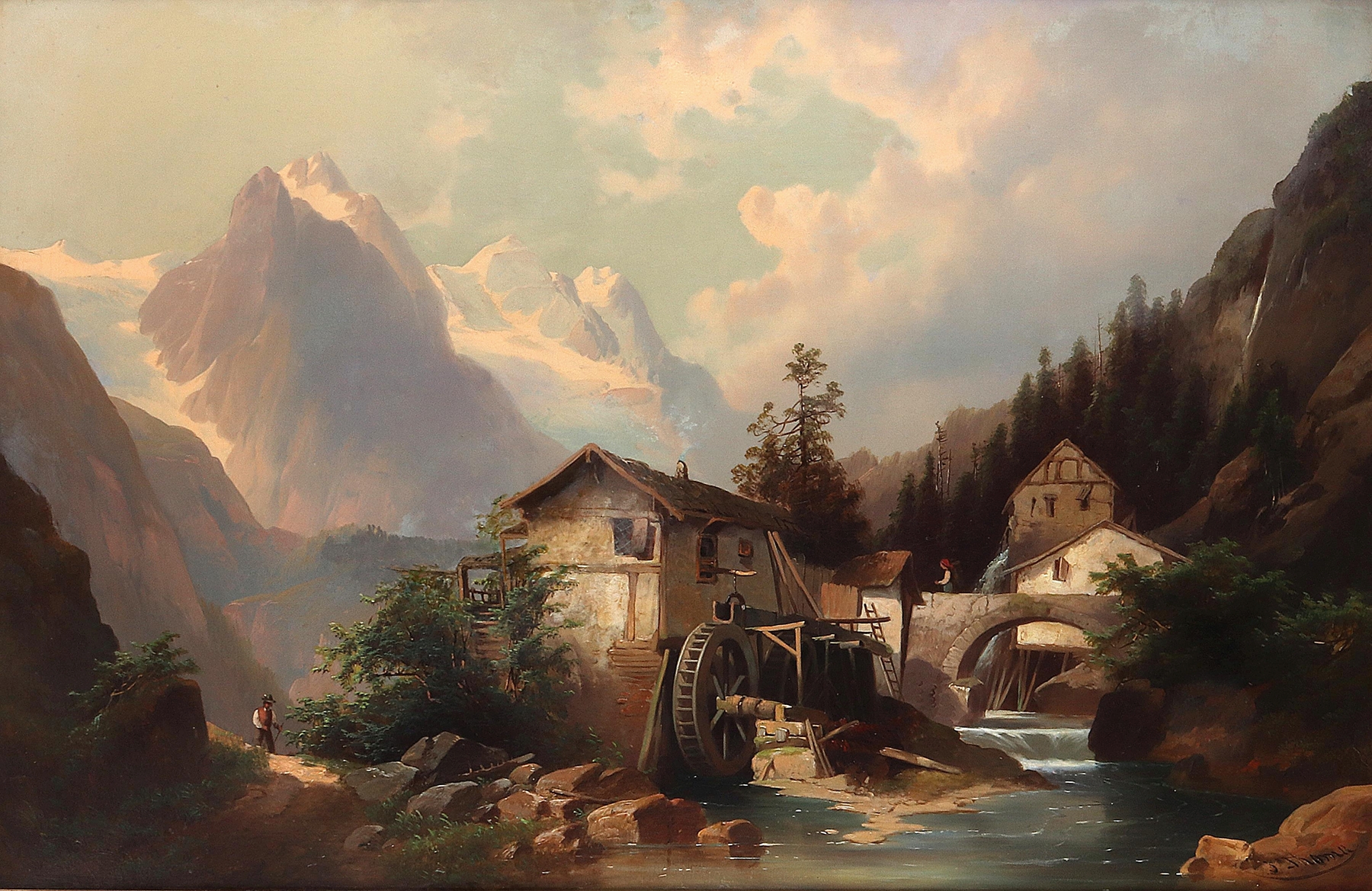
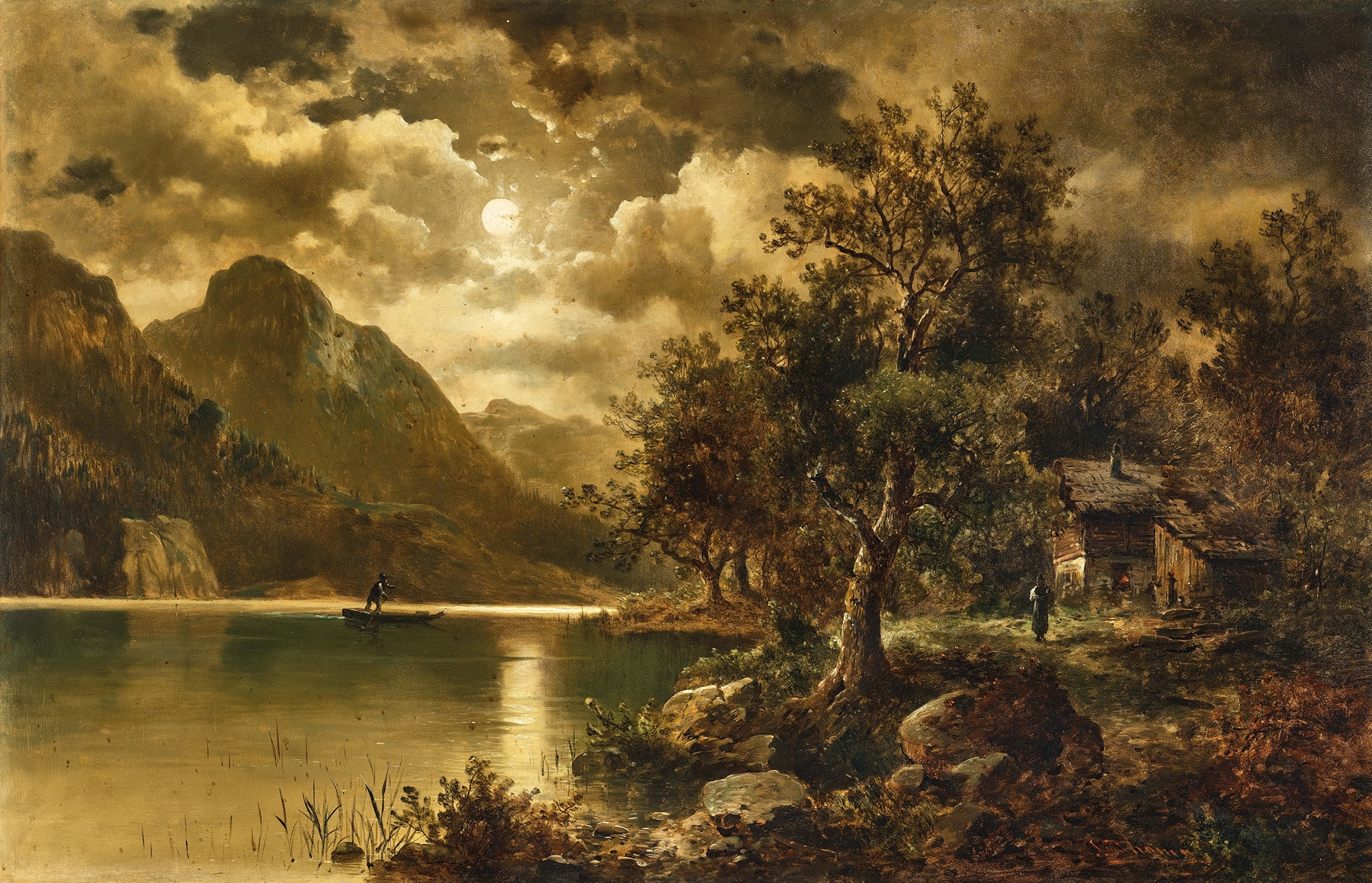
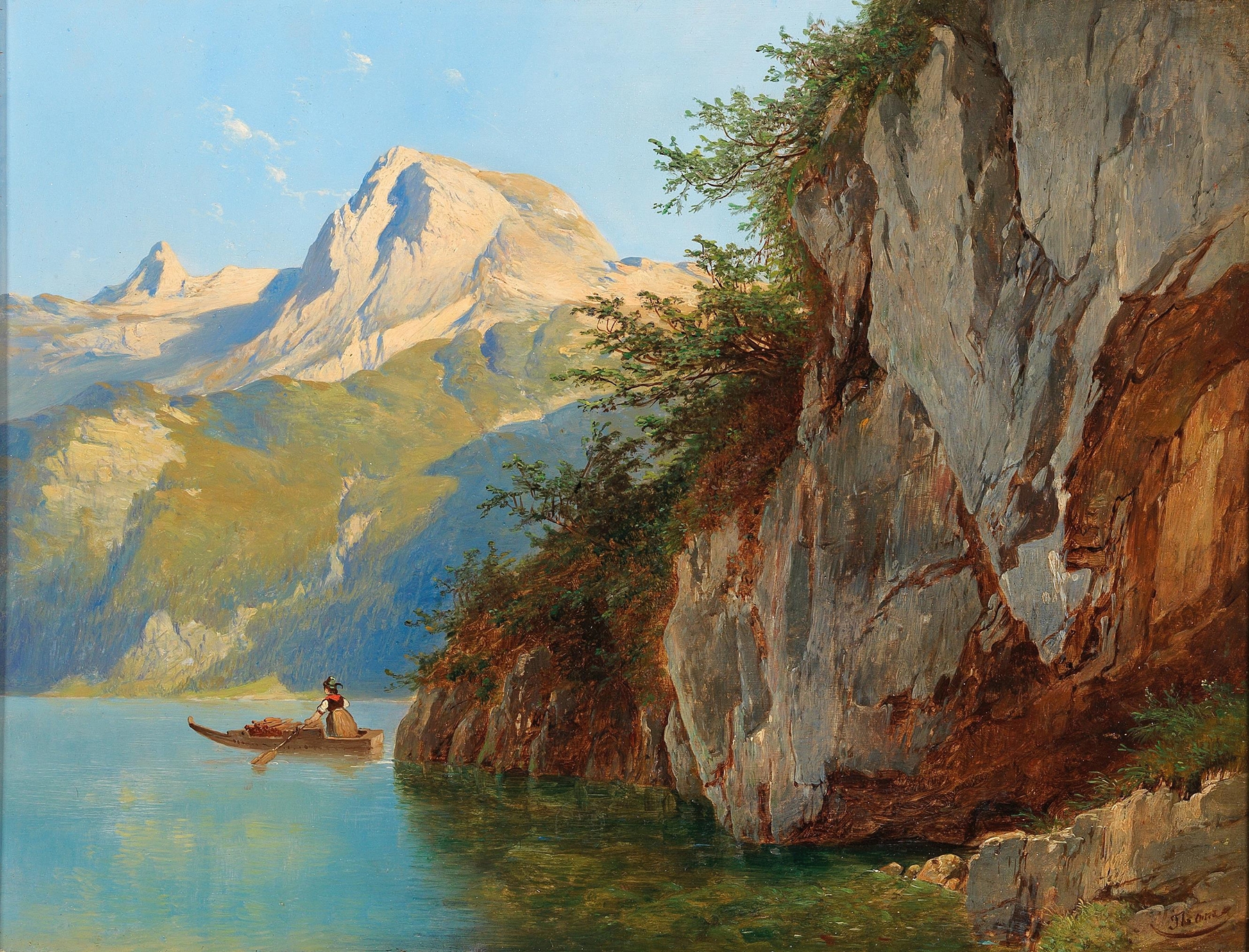
Art reveals the soul when the world turns away. In the stillness of an untouched landscape, it whispers secrets of nature’s grandeur, pulling the viewer into a realm of awe and serenity. Focus on the sweeping vista that unfolds before you, where rolling hills meet an expansive sky. Notice how the artist masterfully employs subtle gradients of green and blue, crafting an atmosphere that feels both vibrant and harmonious.
The delicate brushstrokes reveal the textures of the foliage, inviting your gaze to dance across the canvas, while the light gently caresses the surfaces, evoking a sense of time suspended. Beneath the surface, the painting speaks to the tension between tranquility and the overwhelming power of nature. The vastness of the landscape can evoke feelings of isolation, yet simultaneously instills a profound sense of connection to something greater. The distant peaks loom like silent sentinels, suggesting both the majesty and the insignificance of the individual in the face of natural beauty.
The interplay of shadow and light further enhances this dynamic, hinting at life's ephemeral moments. Josef Thoma created this piece during a period marked by a growing appreciation for the natural world, although the exact date remains unknown. As a significant figure in the late 19th to early 20th century art scene, he was influenced by the burgeoning interest in realism and the Impressionist movement, which sought to capture fleeting impressions of light and color. This work reflects not only his personal journey but also the broader artistic shifts of his time, celebrating the beauty and vastness of the landscapes he loved.