Blick auf den Königssee — History & Analysis

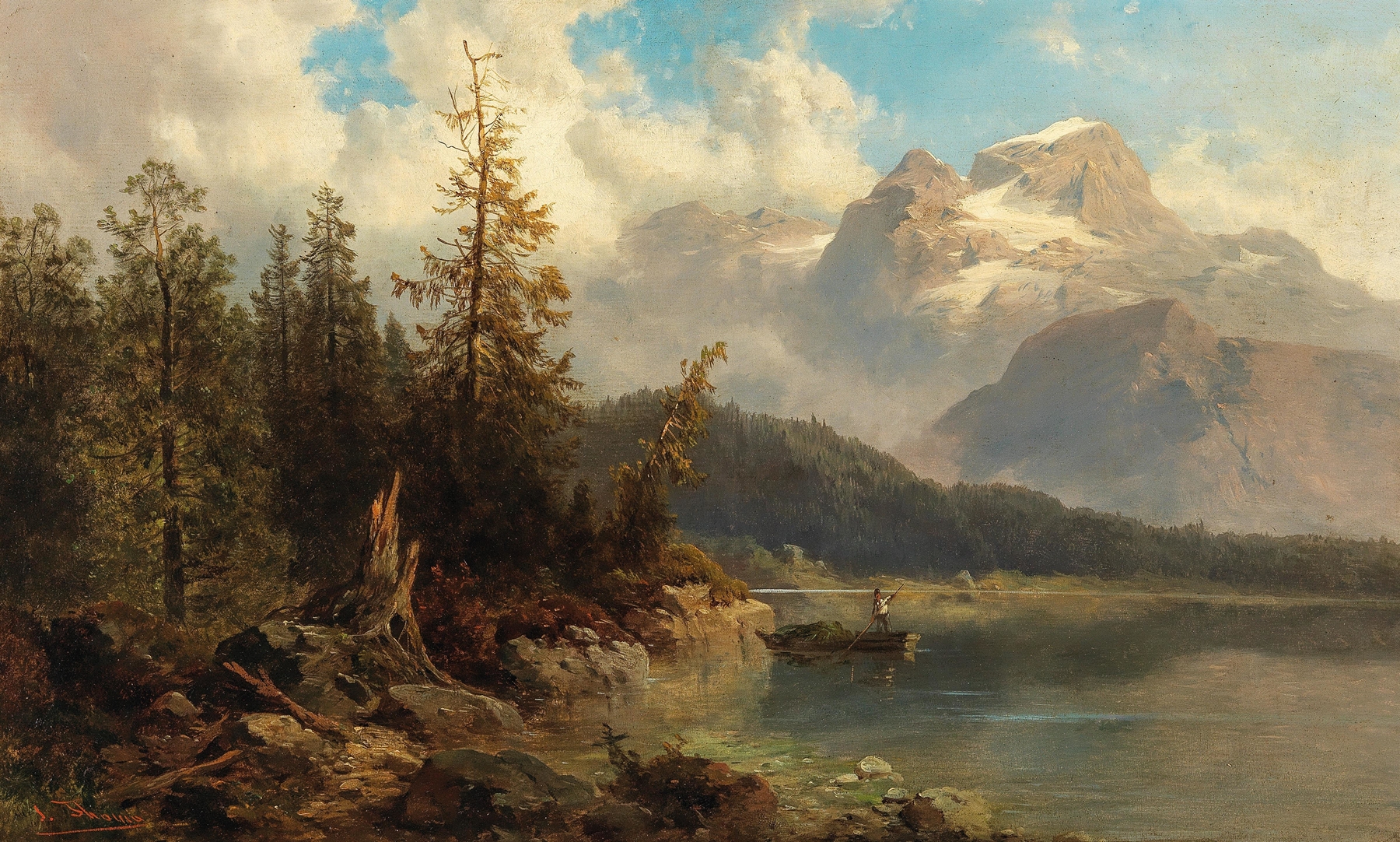
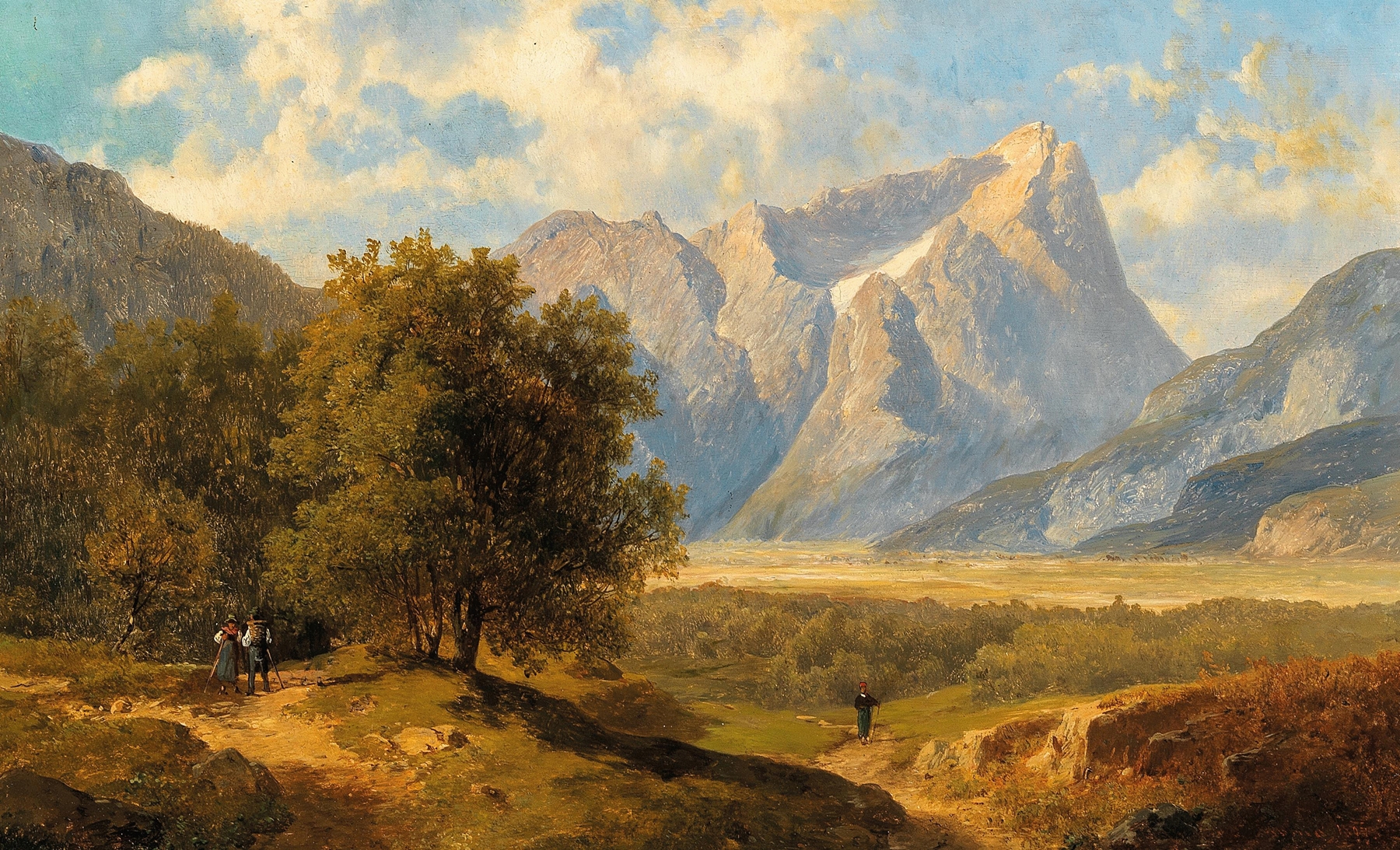
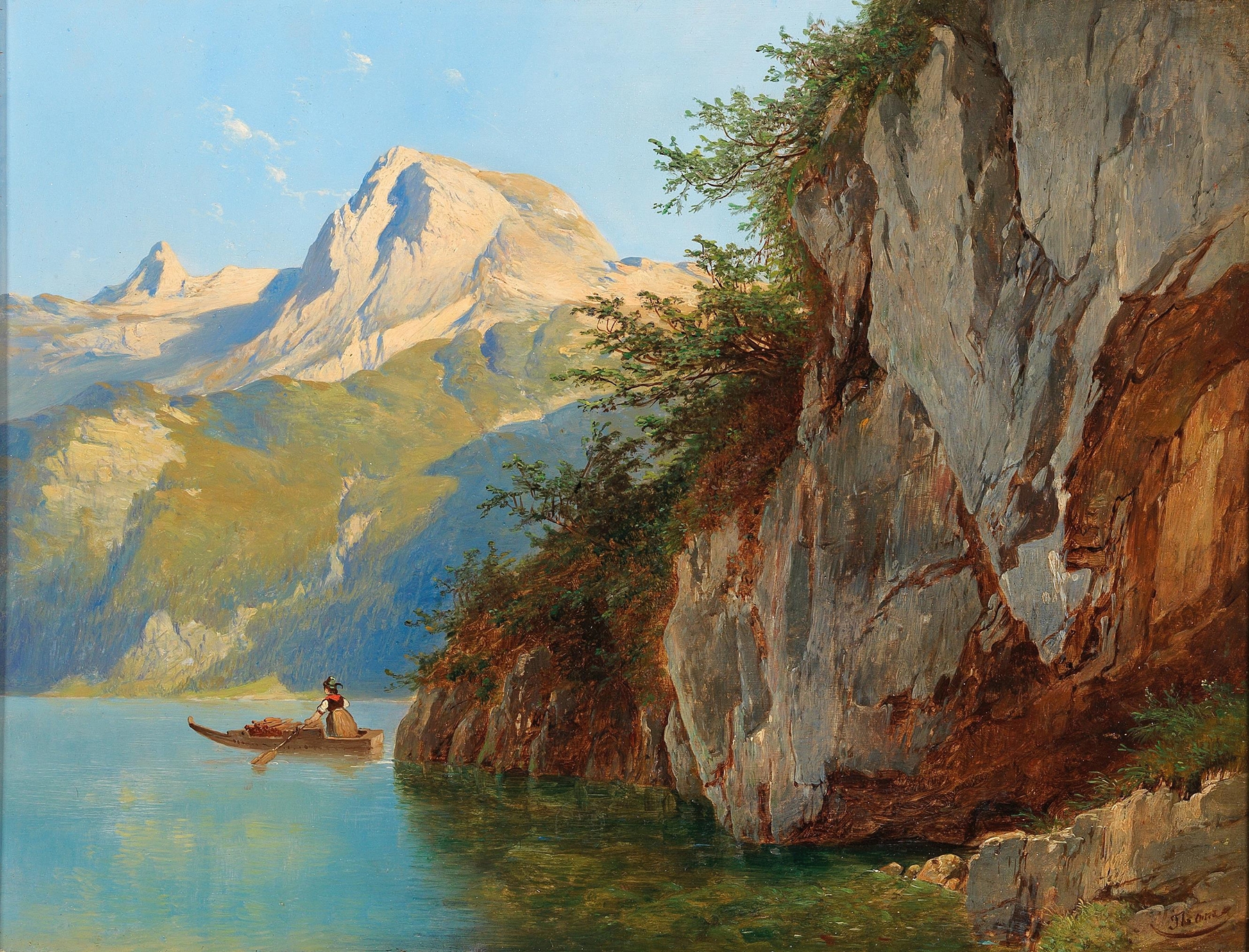
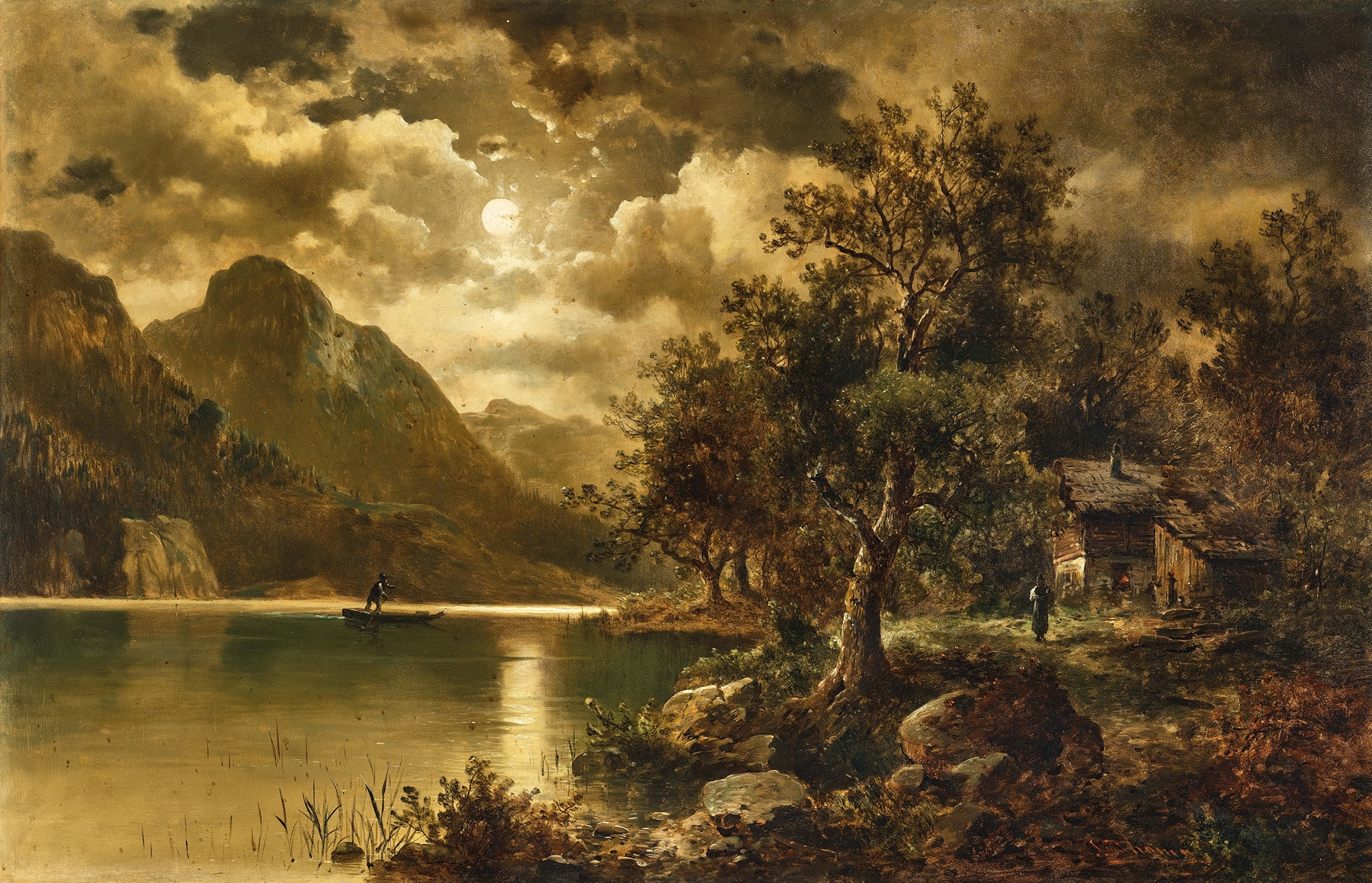
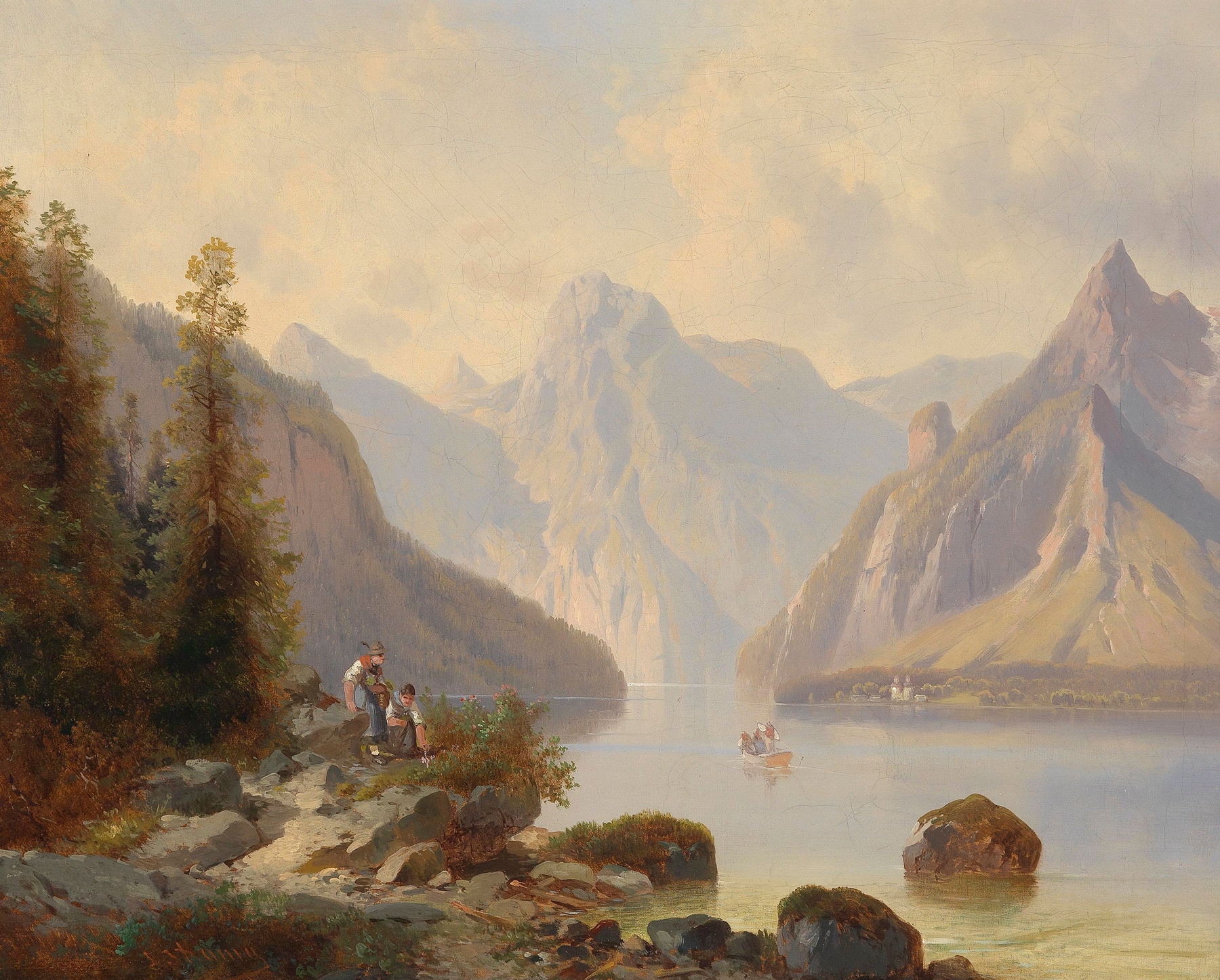
What if silence could speak through light? In the stillness of nature, an unvoiced solitude unfurls, whispering a narrative woven from the very fabric of the landscape itself. Look to the foreground, where the serene waters of Königssee shimmer under a mesmerizing play of light. It creates a mirror-like surface that reflects the towering mountains cradling the lake, their jagged edges softened by the gentle caress of a twilight glow.
The palette is a delicate harmony of greens and blues, punctuated by the earthy browns of rocky outcrops, inviting the viewer to explore the depth of this tranquil scene. Amidst this grandeur, a tension lies in the juxtaposition of vastness and isolation. The expansive sky above, while magnificent, amplifies a sense of loneliness; the stillness invites contemplation, as if the viewer is left alone with their thoughts.
Tiny ripples on the water’s surface hint at movement just out of sight, suggesting life beneath the calm façade, yet amplifying the feeling of solitude that permeates the canvas. Josef Thoma painted this piece during an era when the aesthetic movement sought to explore nature's beauty and emotional resonance. Although the exact date remains unknown, his works reflect the late 19th to early 20th-century sensibilities, a time when artists began to delve into personal experiences and emotional landscapes, allowing the natural world to speak to the solitude of the human condition.