Mühle im Gebirge — History & Analysis
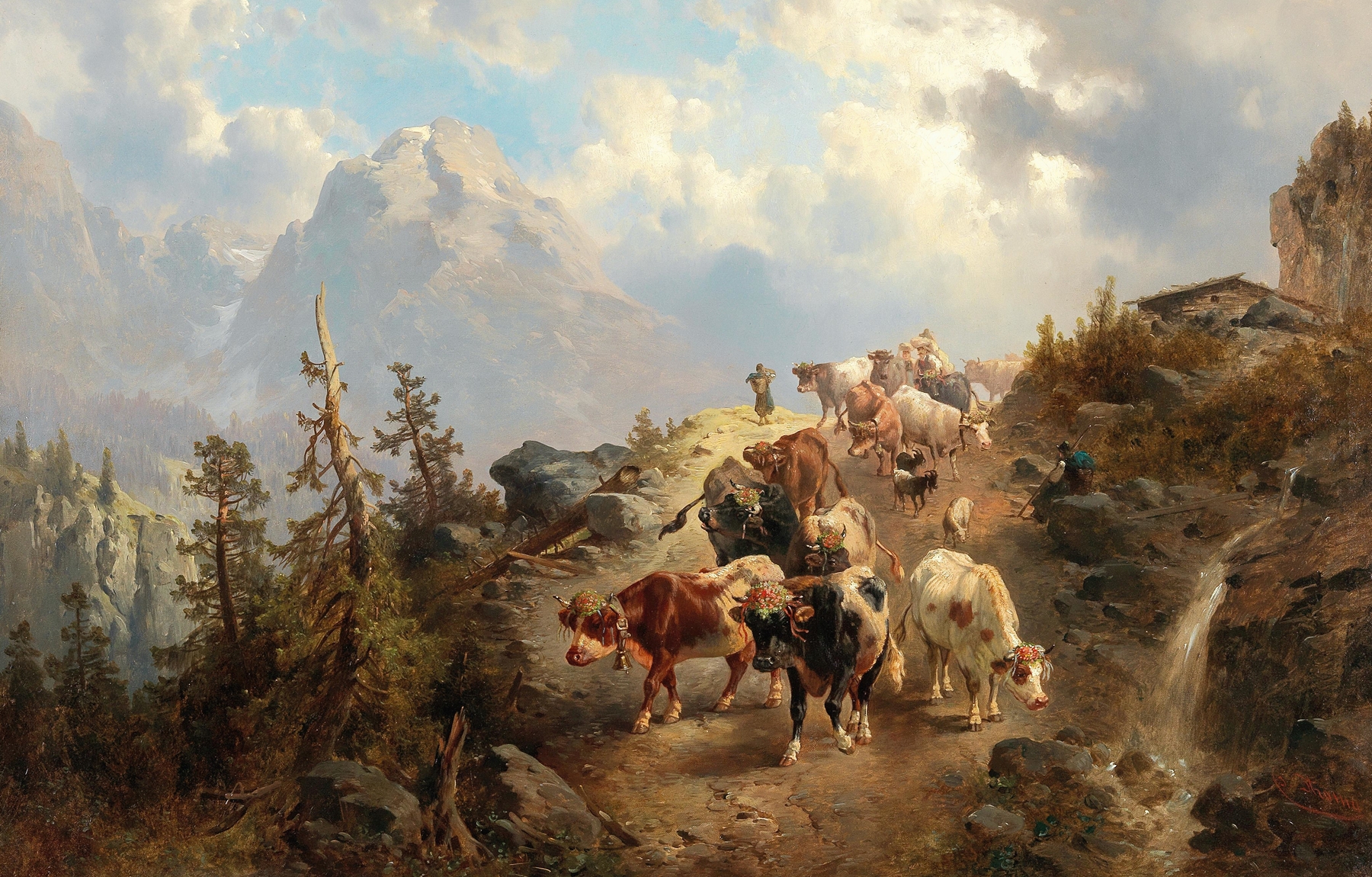
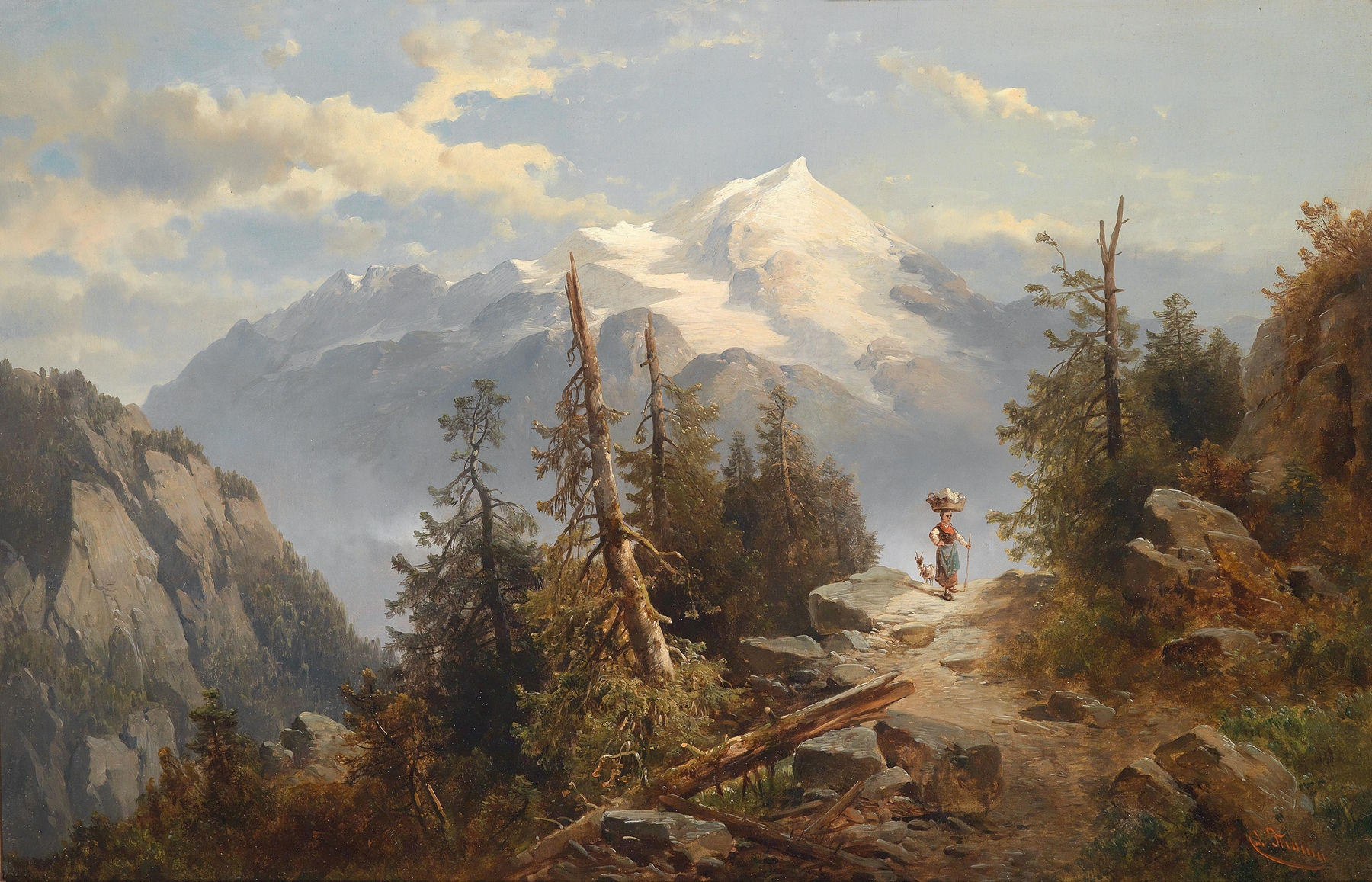
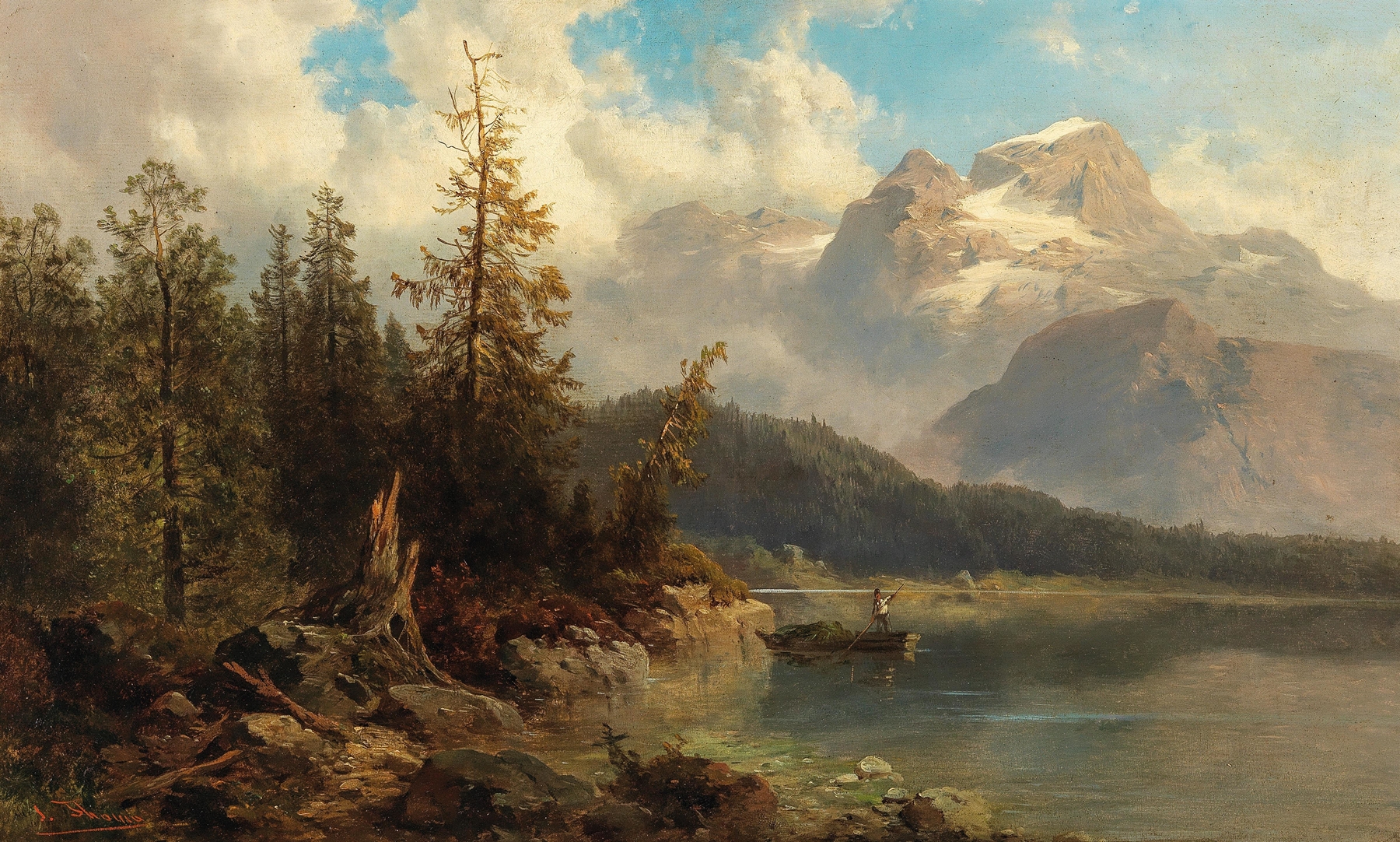
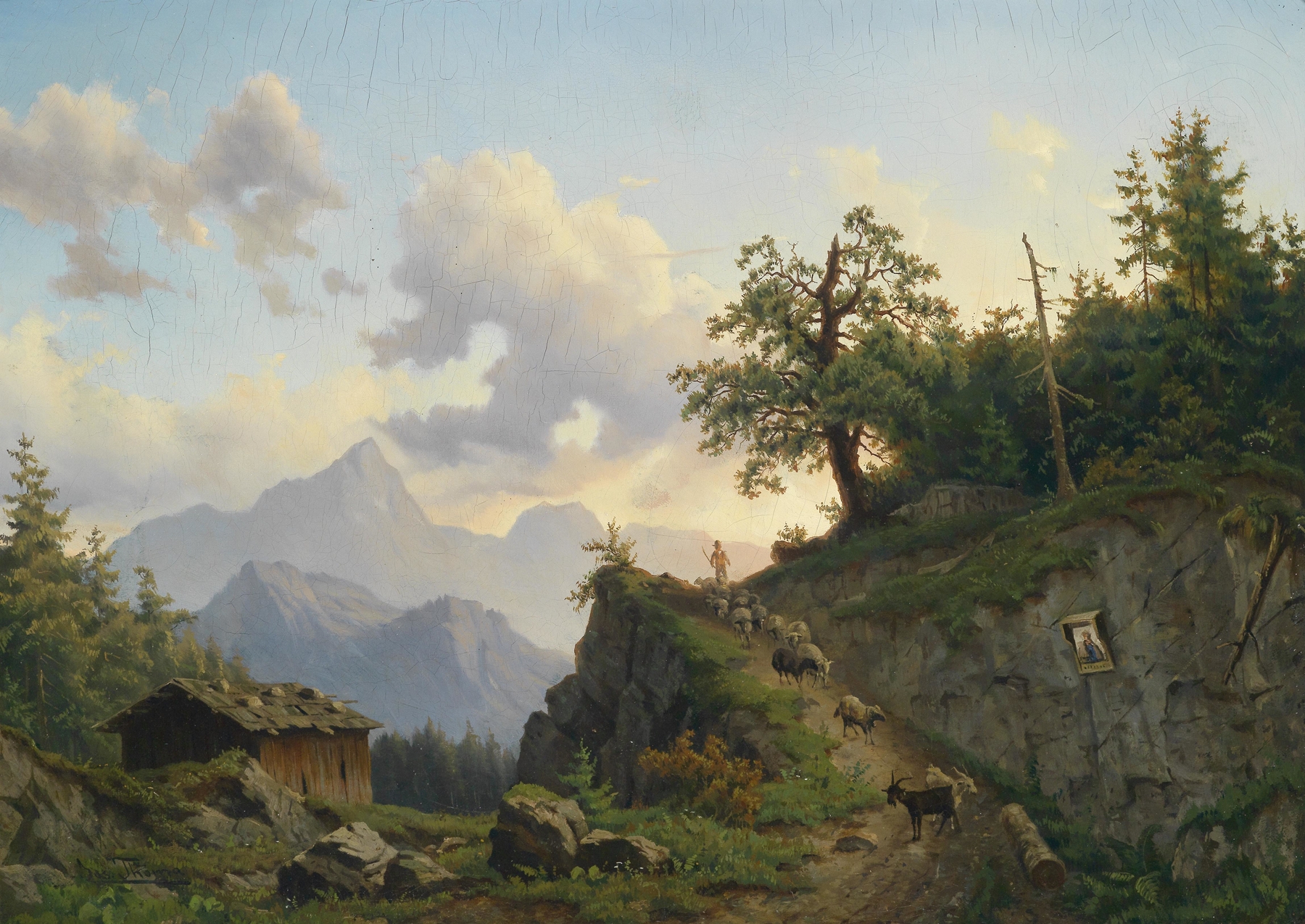
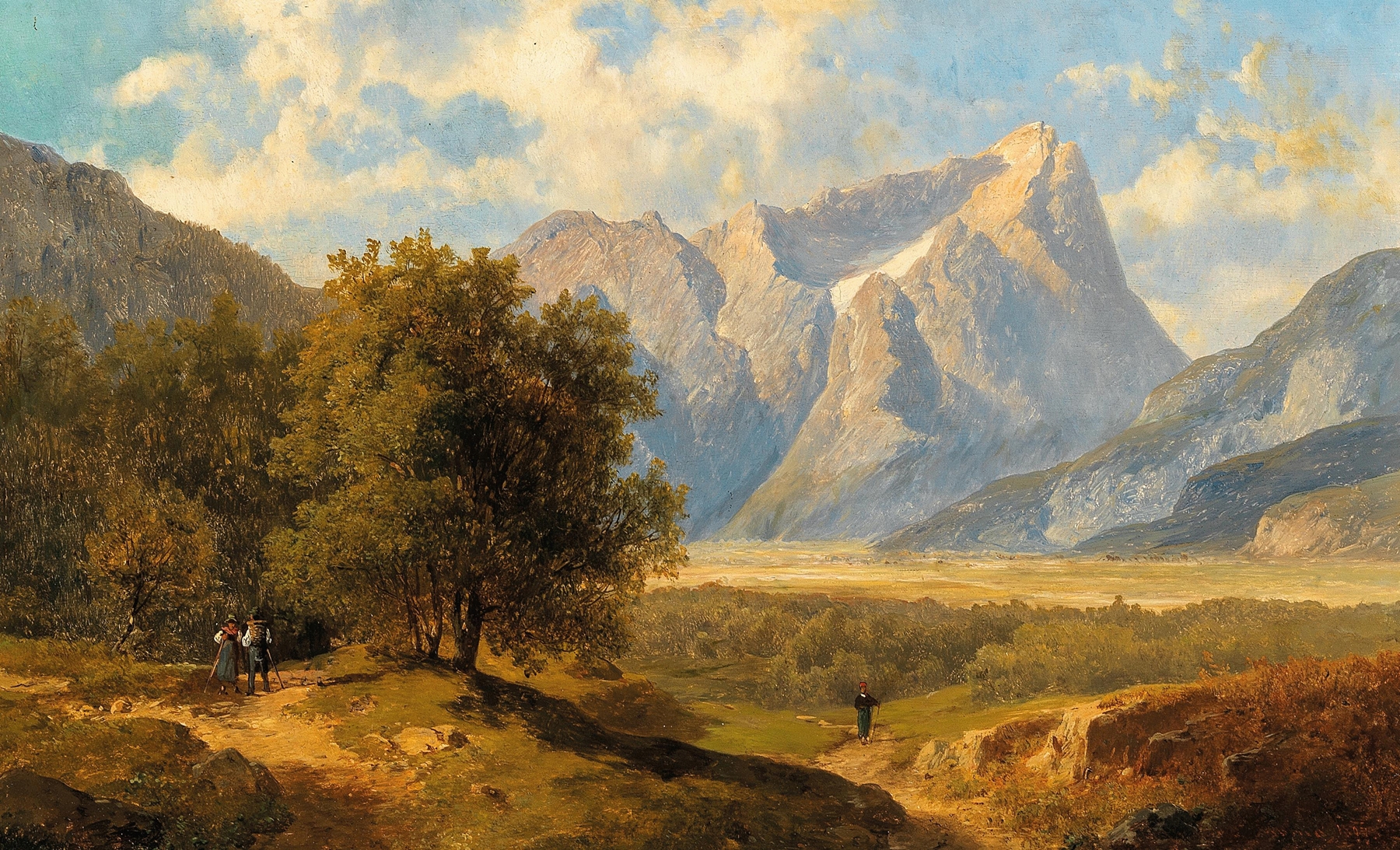
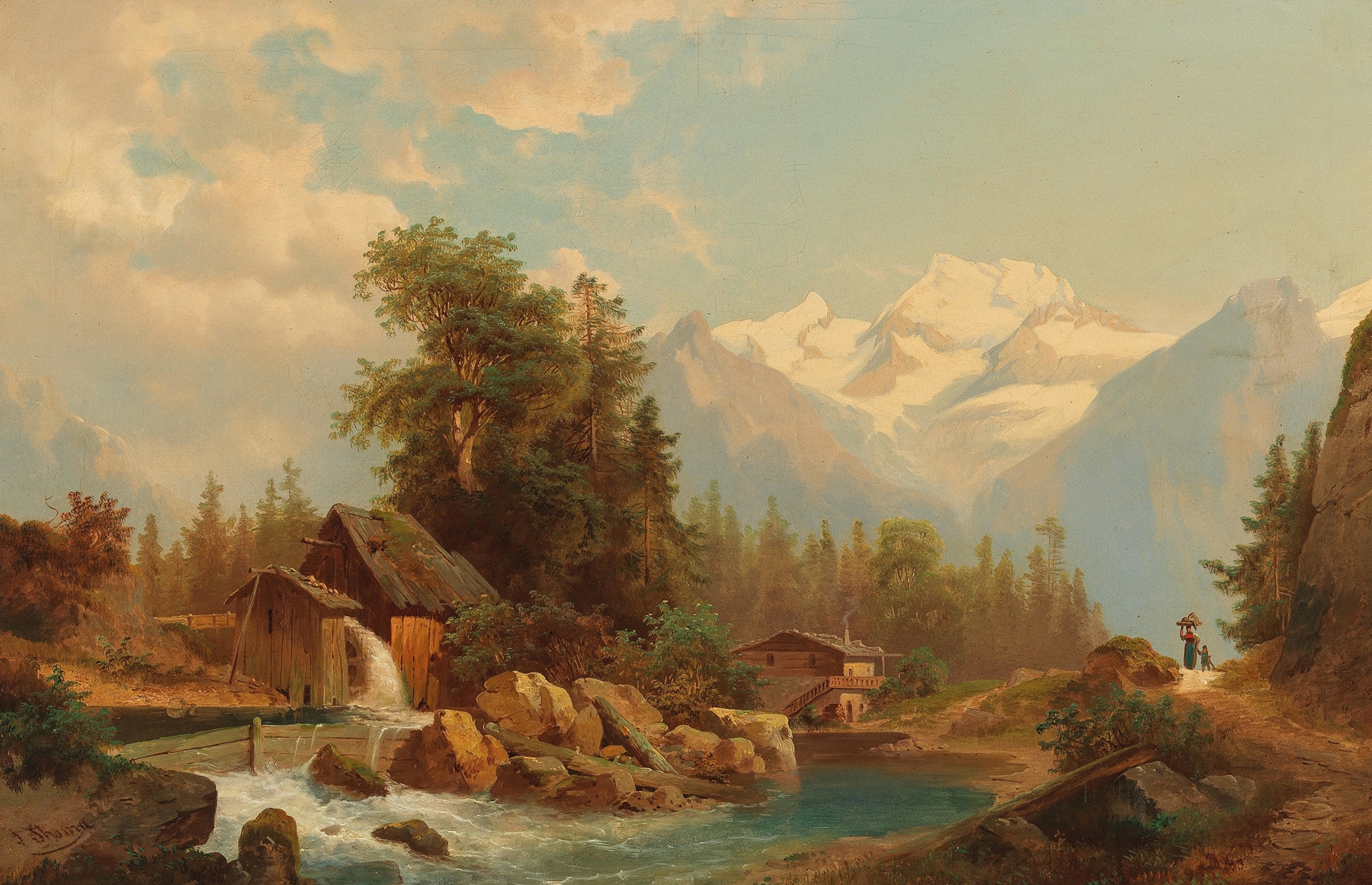
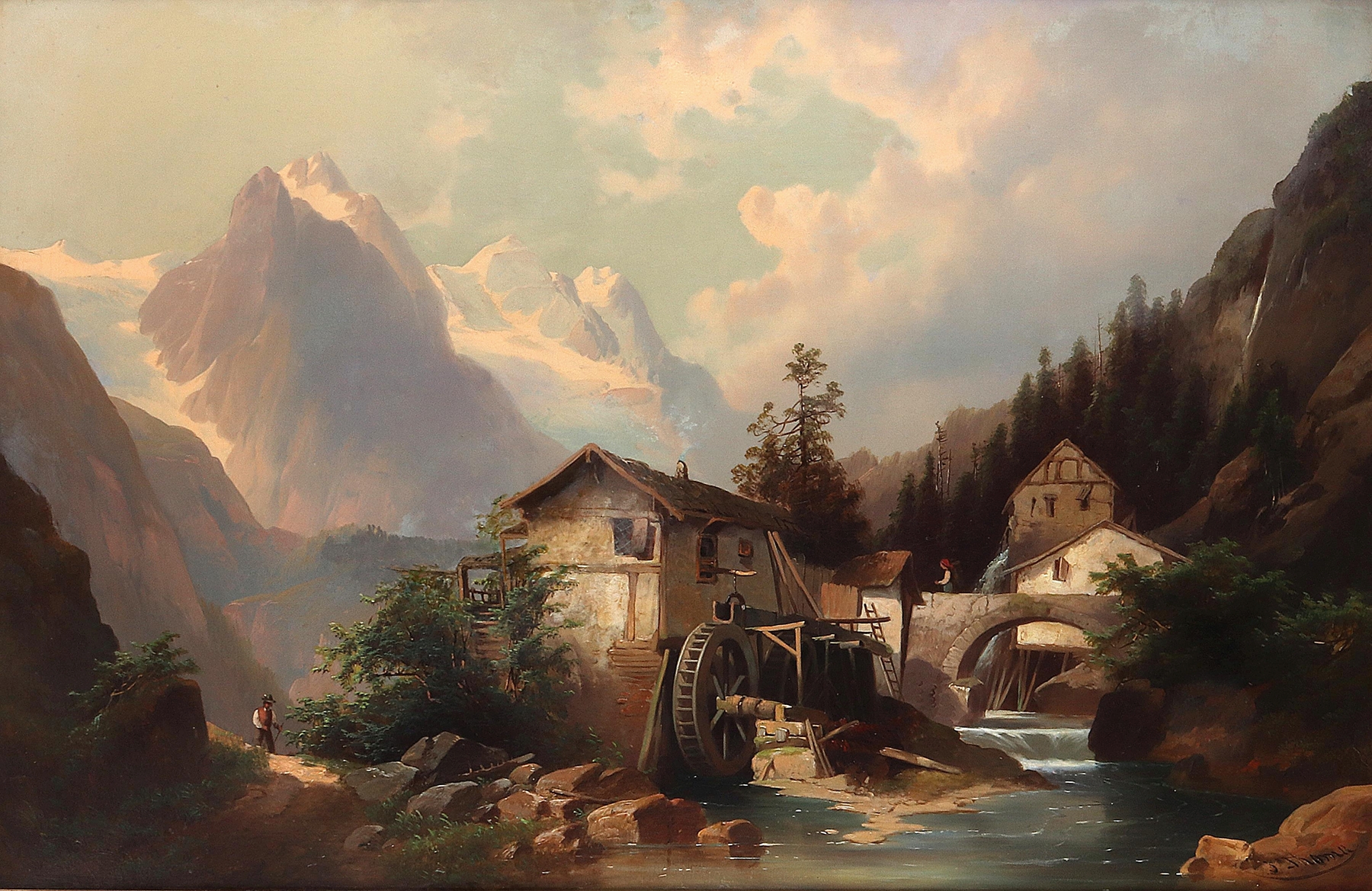
“To paint is to remember what time wants us to forget.” A stillness fills the air as the mind drifts along the memory lane crafted by brush and color, capturing not just a moment, but an essence. Look to the center of the canvas, where the windmill stands resolute, framed by the soft, undulating contours of the mountains. The artist employs a muted palette, with earthy browns and gentle greens, creating a harmonious relationship between the structure and its natural surroundings. Notice how the light interacts with the textured strokes; it seems to caress the surface, illuminating the windmill while casting shadows that hint at the passage of time.
As you explore the scene, consider the interplay of human presence against the vastness of nature. The windmill, a symbol of human ingenuity, juxtaposes the overwhelming mountains that loom protectively around it. This tension between the manmade and the natural evokes a longing for connection and permanence amidst the ephemeral. The faint haziness in the background suggests fading memories, encapsulating a fleeting moment that invites deeper reflection.
Josef Thoma painted this work during the late 19th century, a time when many artists were grappling with the tension between traditional and emerging modern styles. Living in Germany, he was influenced by the Romantic movement, which celebrated nature's majesty and man's relationship with it. This painting, though undated, resonates with the ethos of a period when artists sought to preserve the beauty of the landscape before the industrial changes reshaped their world.