Mühle im Gebirge — History & Analysis
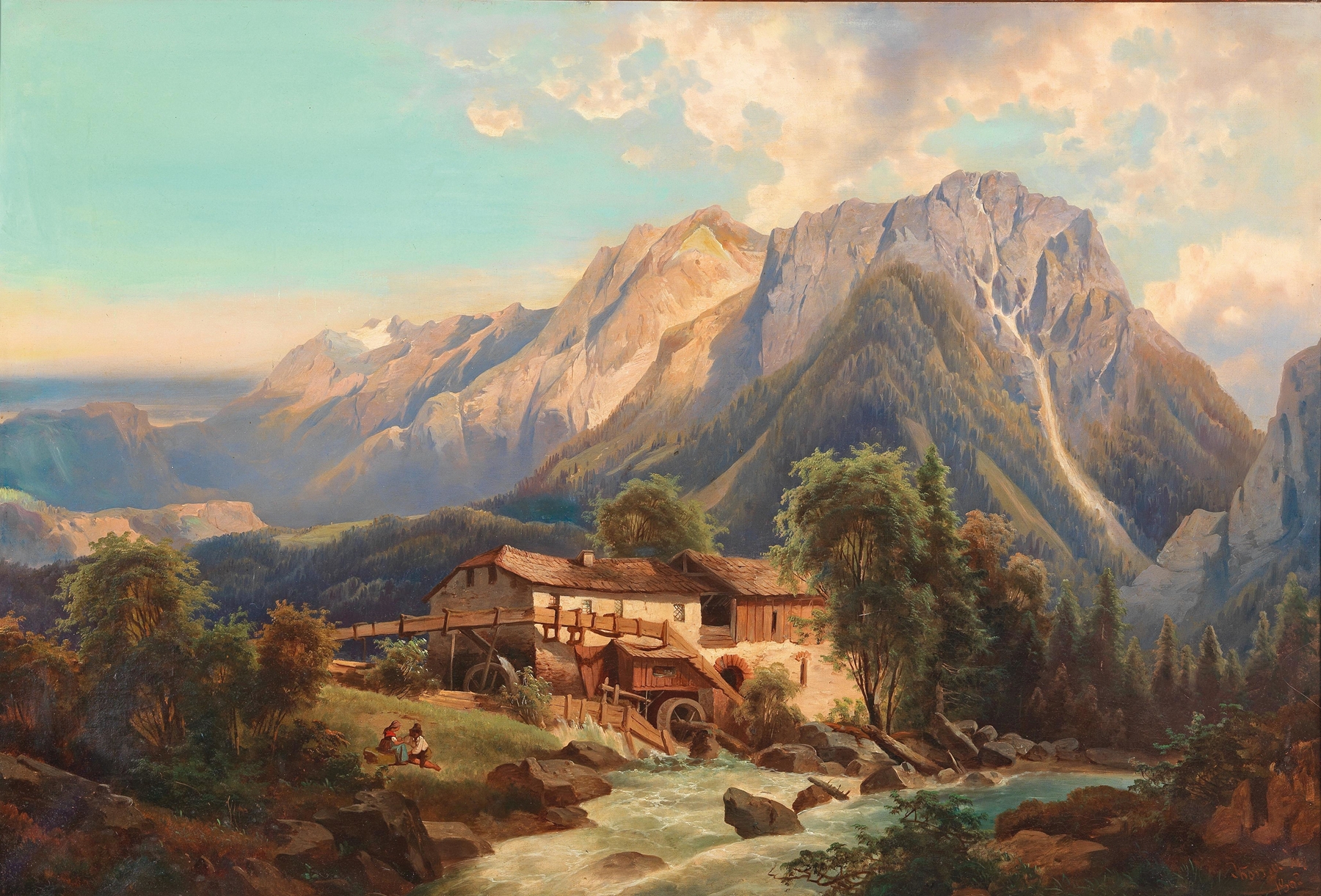
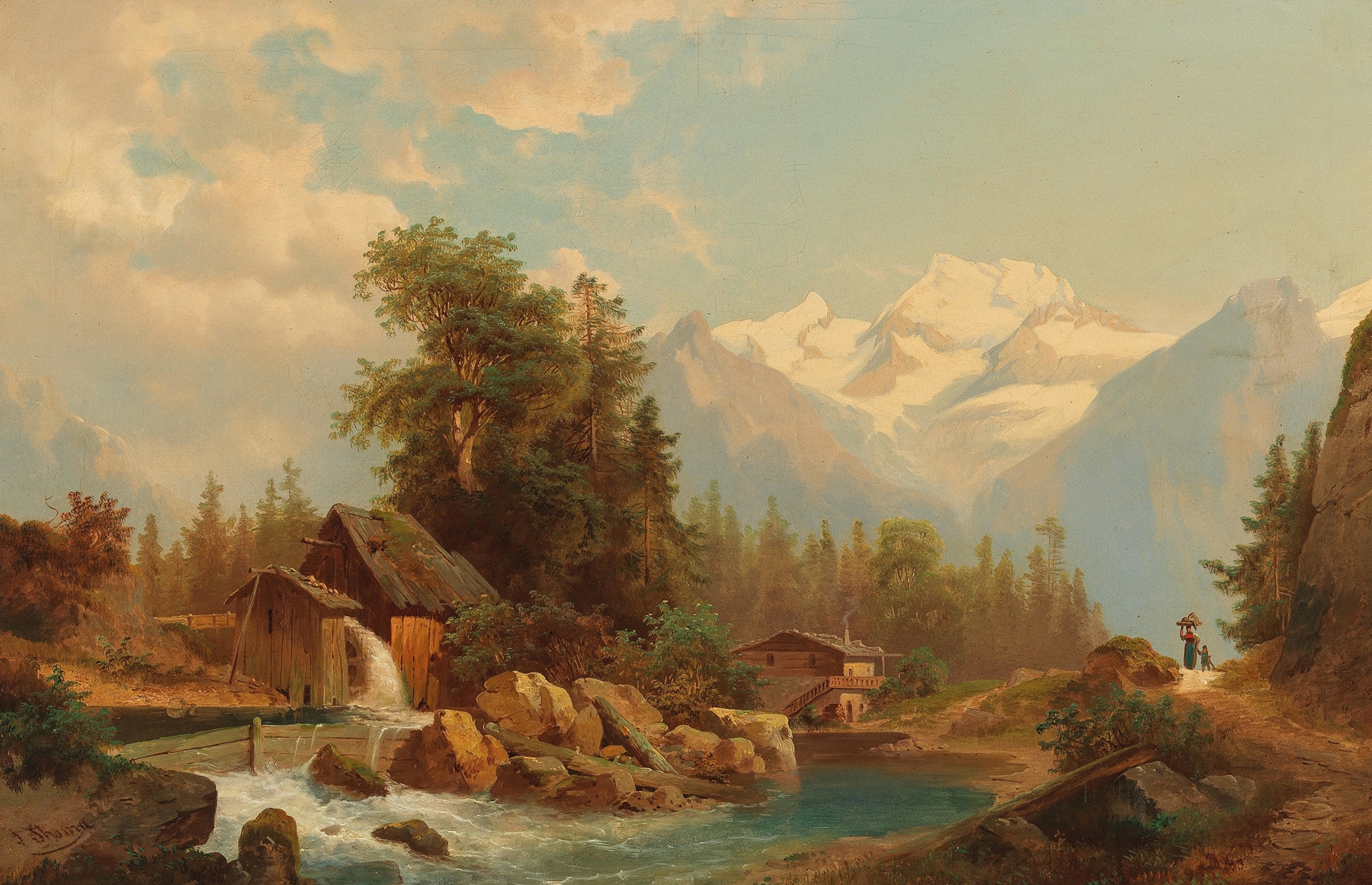
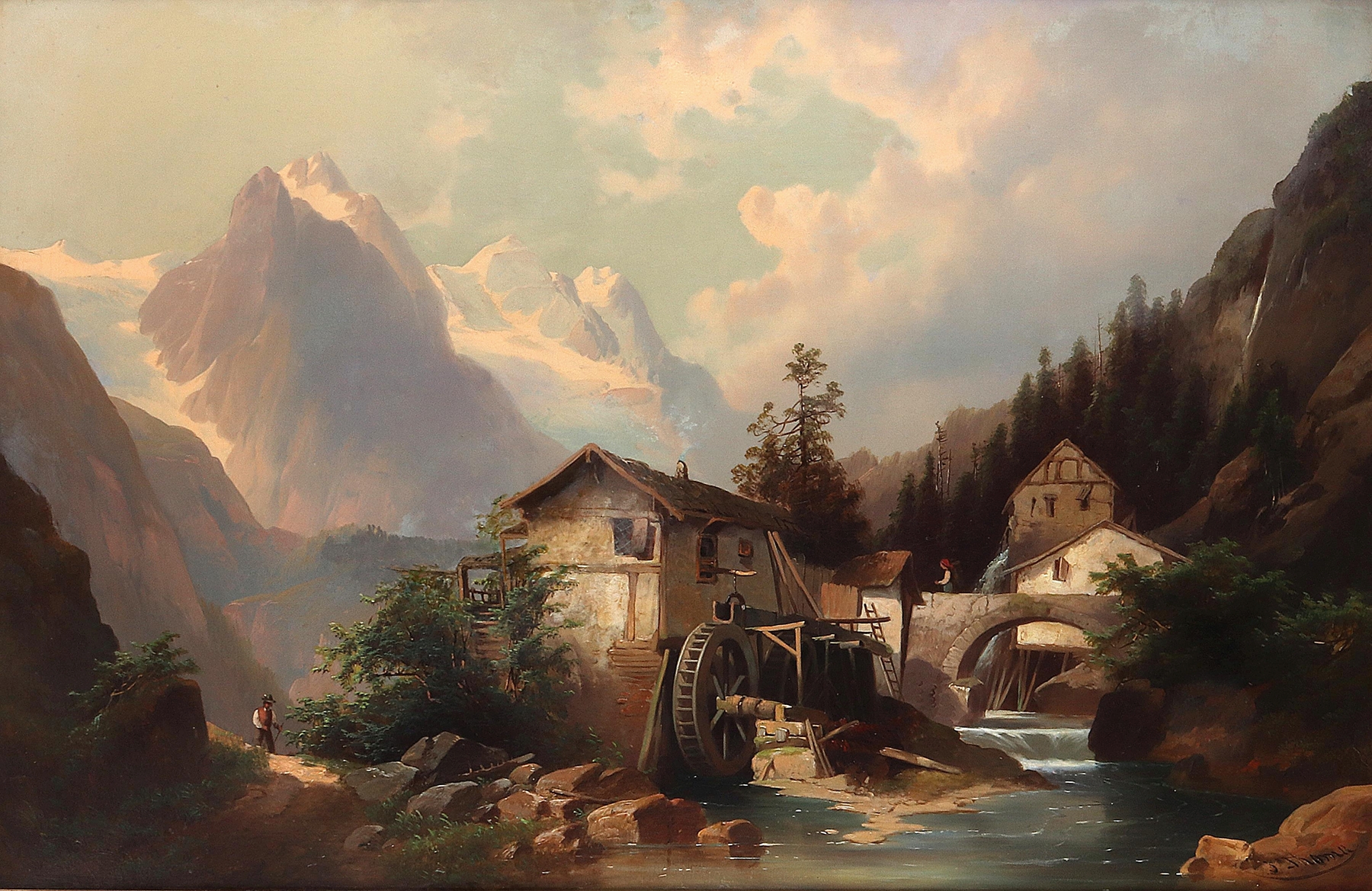
What secret hides in the quiet of the canvas? In a world often drowned in noise and chaos, Mühle im Gebirge holds a whisper of obsession, inviting the viewer to unravel its mysteries. Look to the center, where the windmill stands steadfast against a backdrop of rolling mountains. Notice the intricate brushstrokes that define both the structure and the landscape, merging into one another as if the very essence of nature and human endeavor are inseparable.
The muted earth tones evoke a sense of tranquility, while the soft, almost ethereal light that bathes the scene enhances its contemplative quality, urging the observer to linger longer in this serene moment. Yet, beneath this calm exterior lies a complex interplay of tension. The windmill, a symbol of industriousness, is juxtaposed against the enormity of the mountains, suggesting a struggle between human ambition and nature's vastness. There’s an ambiguity in the lighting; it hints at an approaching storm, evoking a sense of foreboding that contrasts with the idyllic setting.
This duality speaks to a deeper obsession—not just with the landscape, but perhaps with the eternal conflict of existence itself. Created in an unknown year, Thoma painted this piece during a time of burgeoning Romanticism in the late 19th century, an era that sought to celebrate nature while grappling with the rapid industrialization of Europe. Living in a period where artists explored the intersection of man and landscape, Thoma's work reflects both personal and collective obsessions, capturing not just a scene, but a narrative of humanity's place within the sublime world around it.