Blue Hole, Flood Waters, Little Miami River — History & Analysis
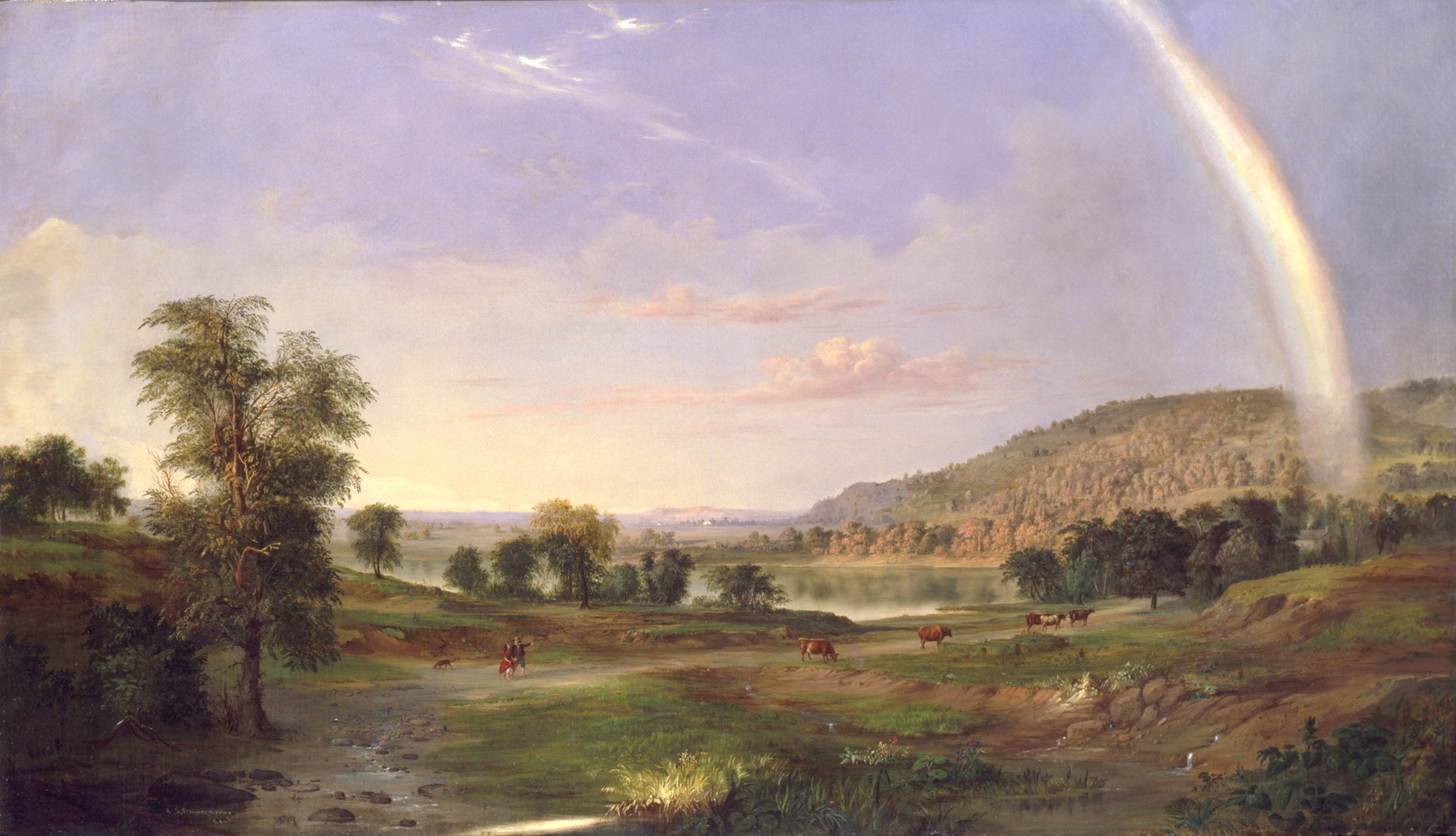
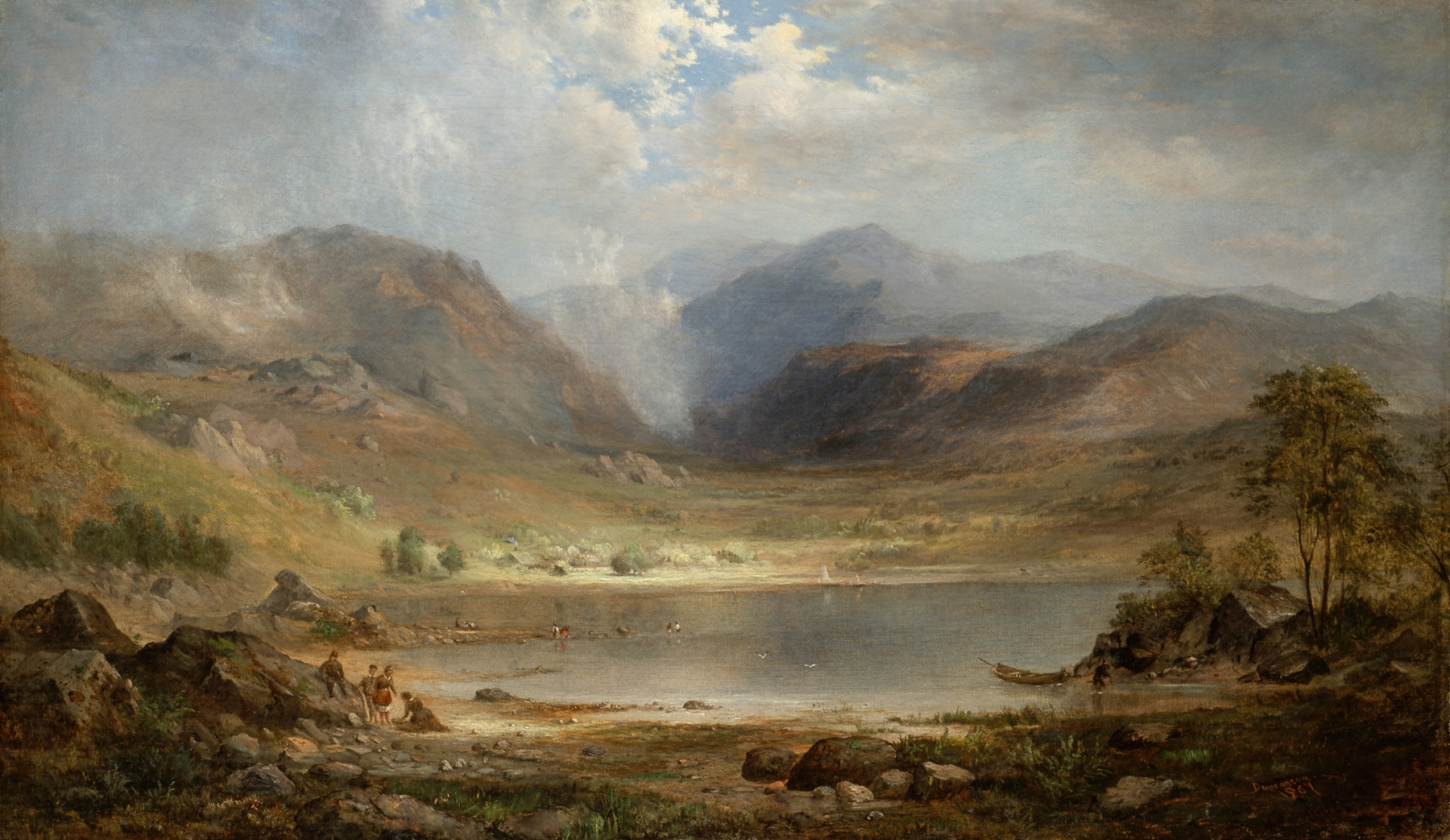
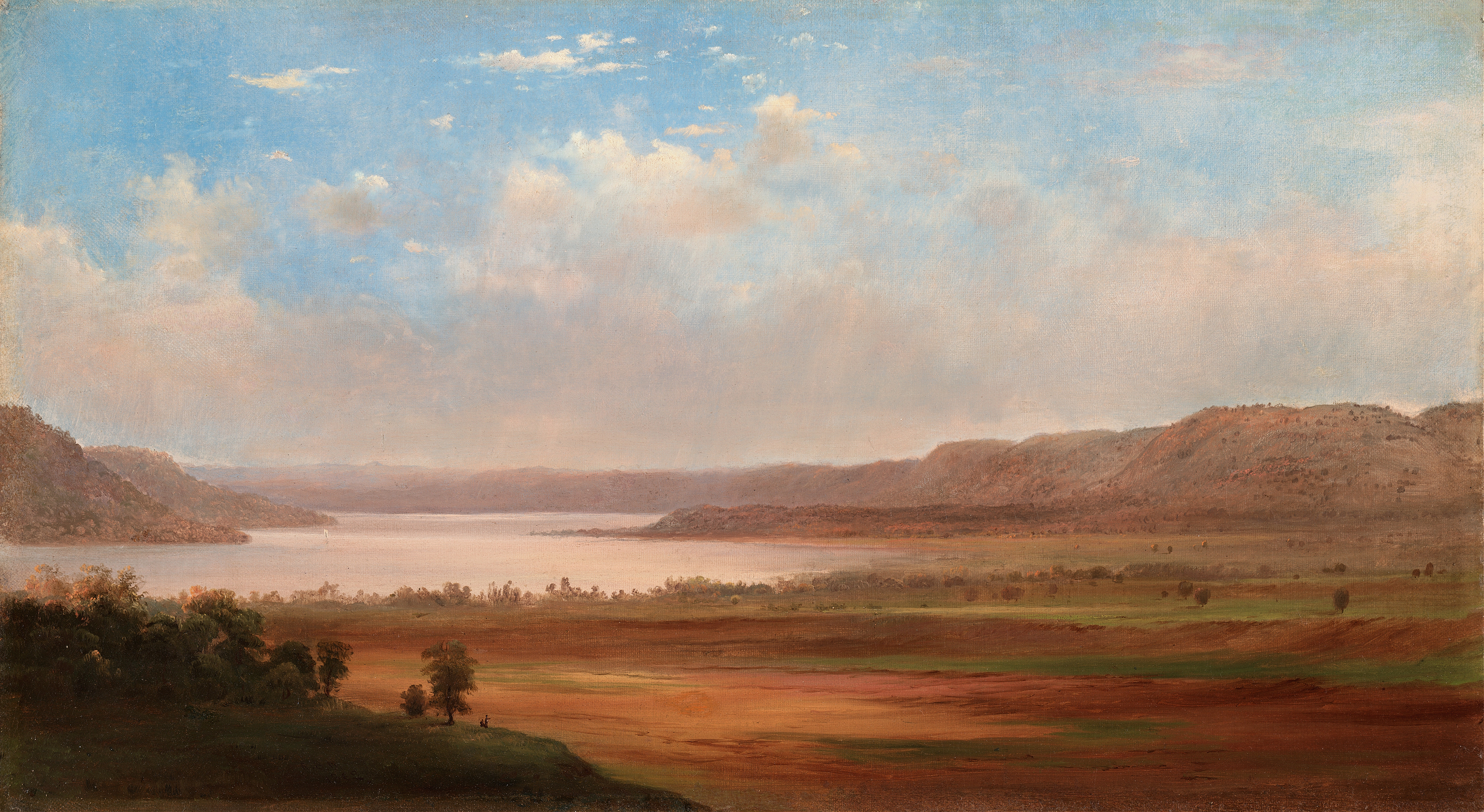
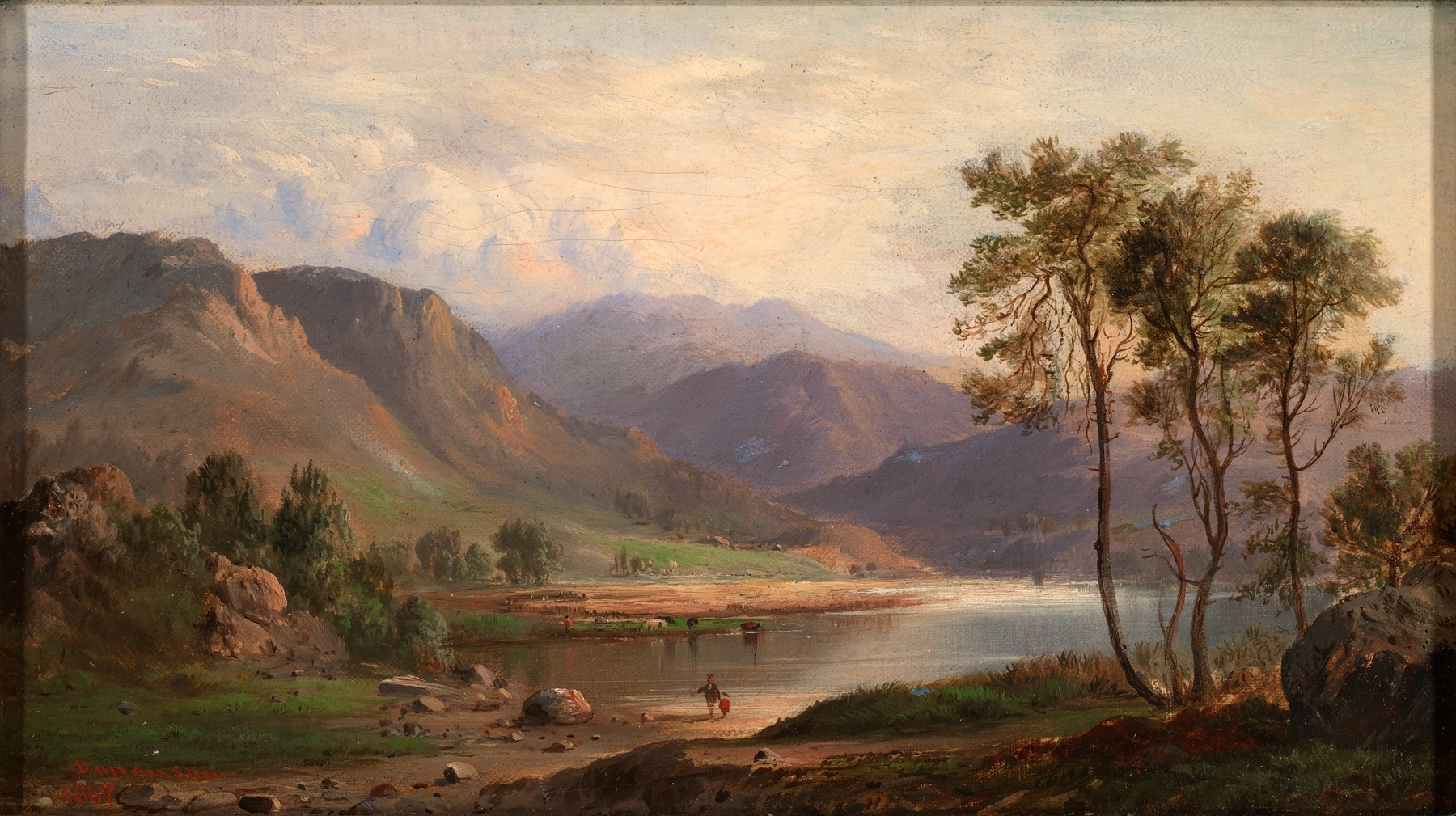
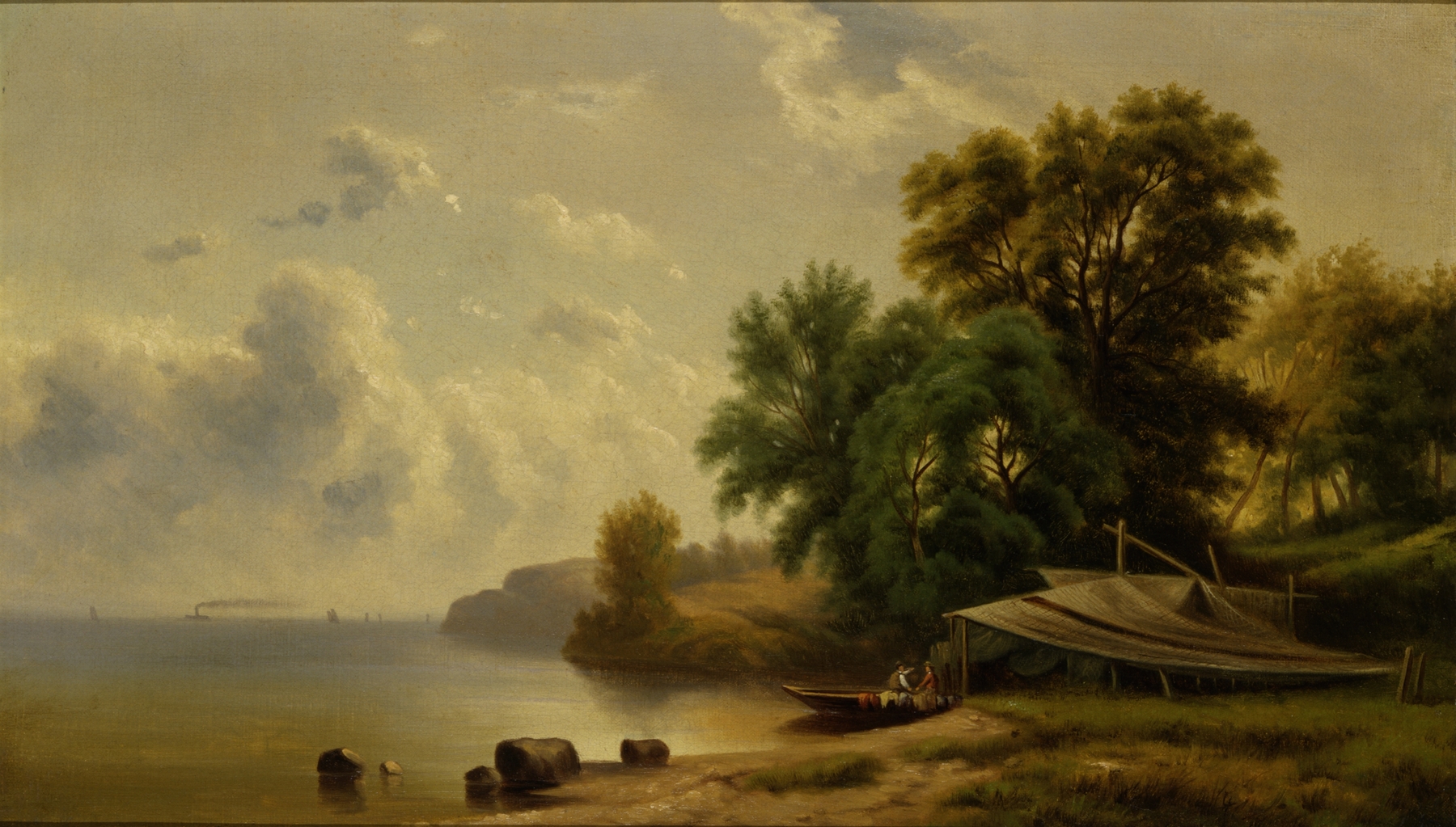
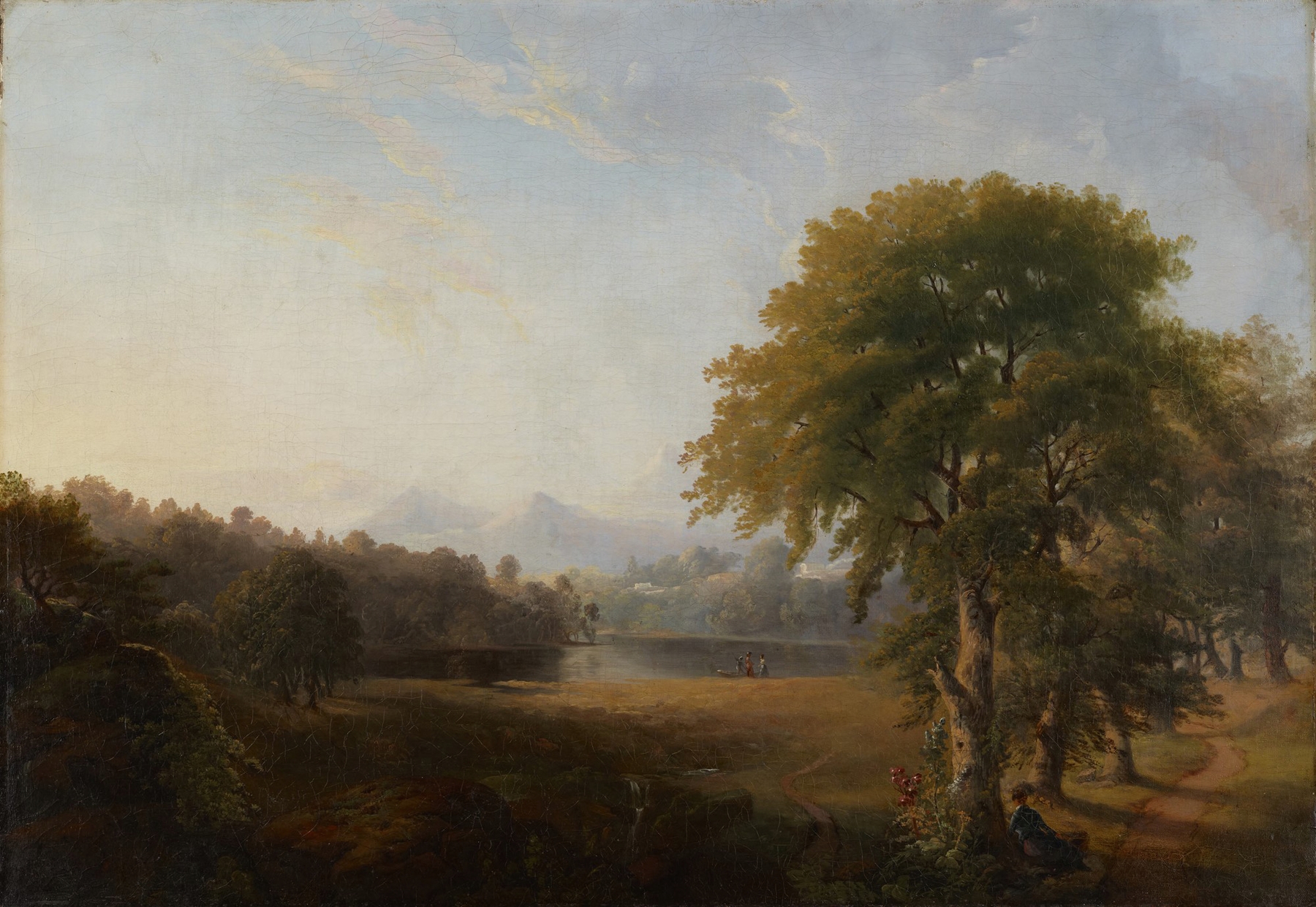
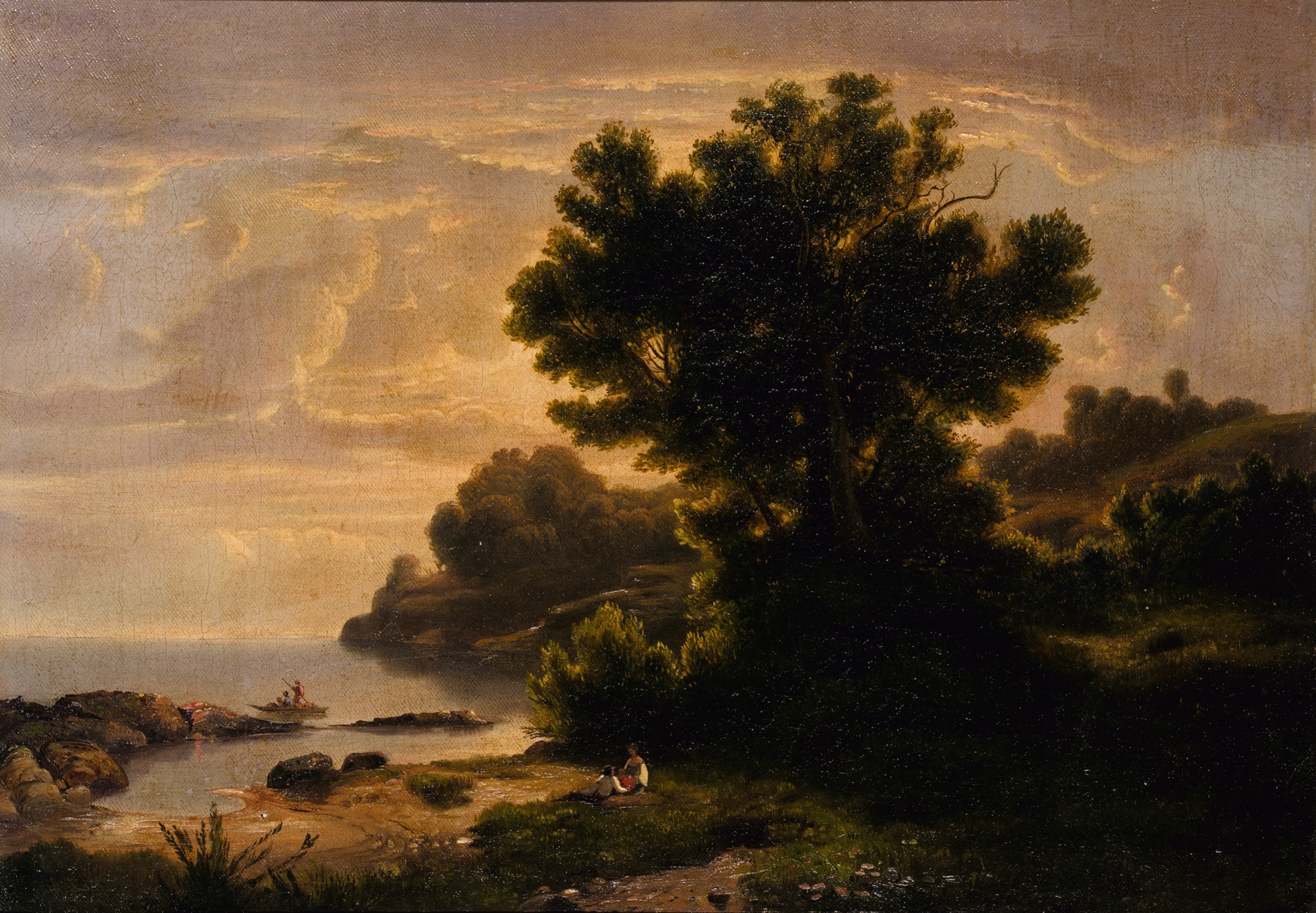
“Between color and silence, truth hides.” The interplay of hues and the whisper of nature converge in a timeless dance, inviting introspection and awe at the beauty of creation. In Blue Hole, Flood Waters, Little Miami River, the essence of the landscape breathes life, urging us to notice what often goes unseen. Look to the left at the tranquil blue pool, where the water mirrors the sky, creating an enchanting balance of color. Notice how the vibrant greens of the surrounding foliage contrast with the calmness of the water, inviting exploration of its depths. The artist employs a delicate play of light and shadow, with dappled sunlight filtering through branches, enhancing the scene's serenity.
This composition speaks of both stability and flux, as if the landscape pauses in contemplation of its own beauty. Delve deeper into the small details; the gentle ripples on the water’s surface hint at unseen currents below, echoing the tension between tranquility and chaos. The layered textures of leaves convey life thriving in a seemingly peaceful moment, while the encroaching dark waters suggest an impermanence that looms. This juxtaposition of calm and turbulence mirrors the complexities of nature and existence, revealing a world rich with both promise and peril.
In 1851, Robert S. Duncanson painted this work during a period of personal and artistic growth. Living in Cincinnati, he found inspiration in the scenic beauty of the Ohio River valley, amidst a flourishing art scene that embraced the Hudson River School’s ideals. His African American heritage and the socio-political climate of the time shaped his perspective, infusing his landscapes with both beauty and a subtle awareness of the tensions of his era.