Bois Tailler En Automne — History & Analysis
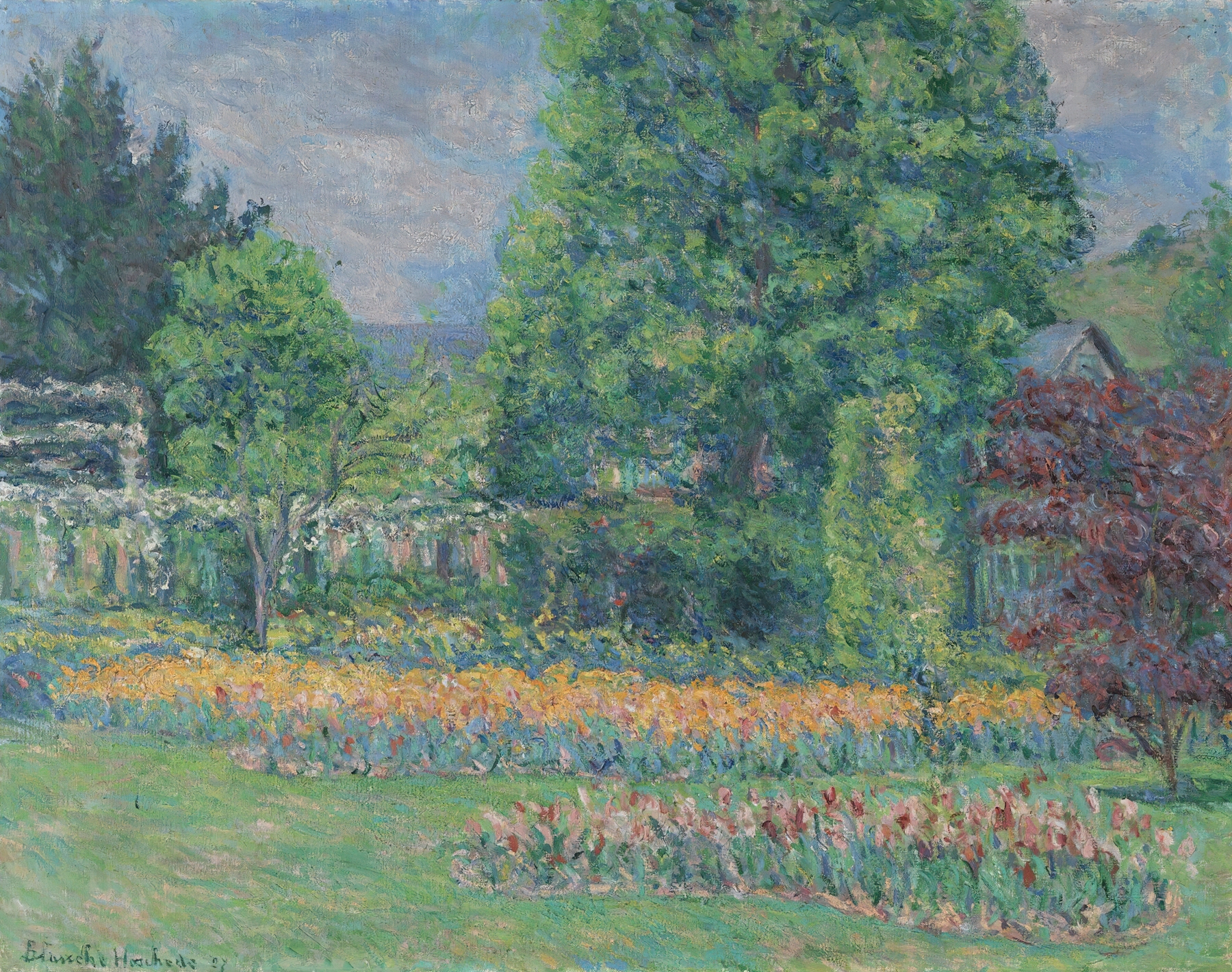
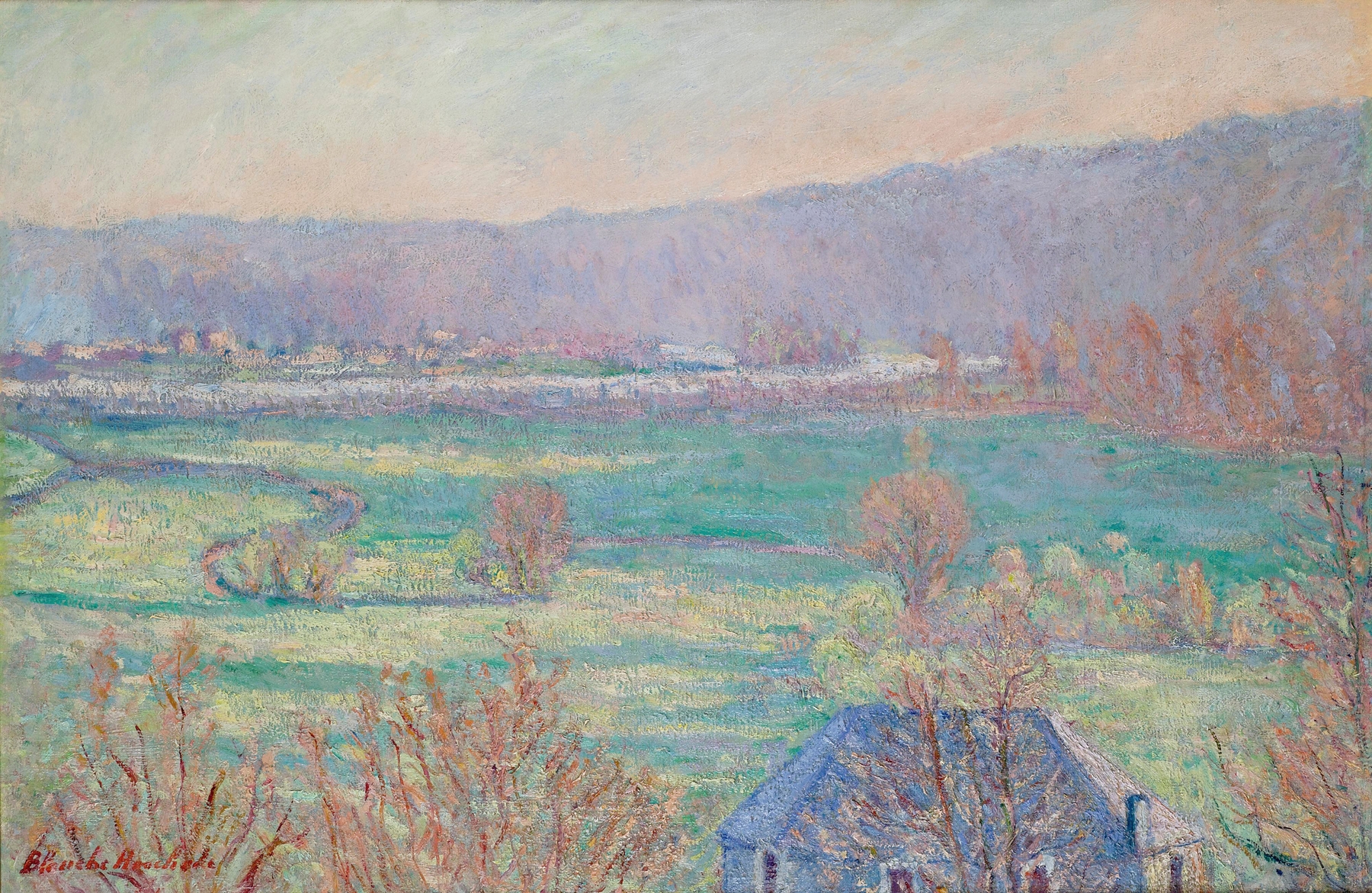
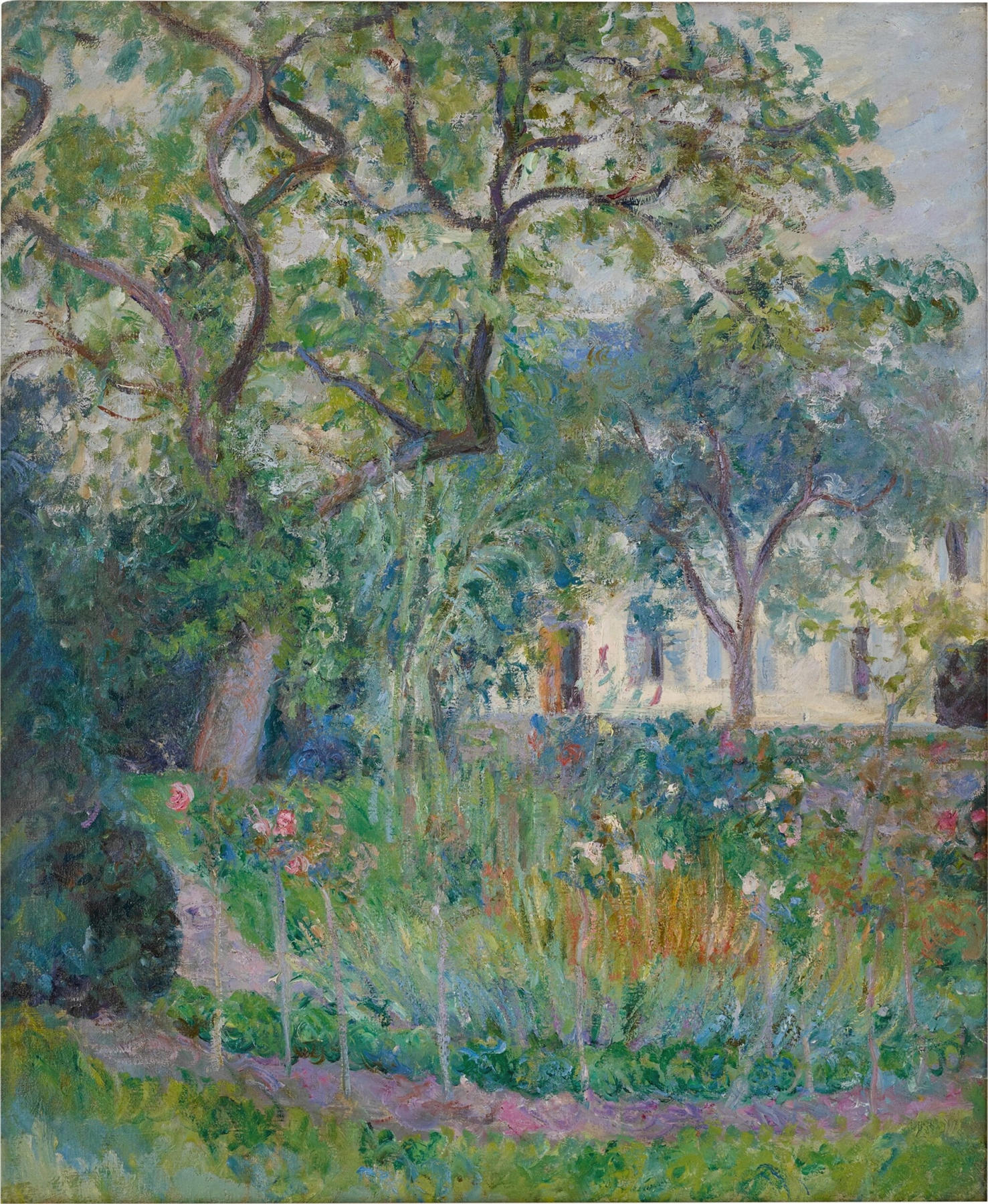
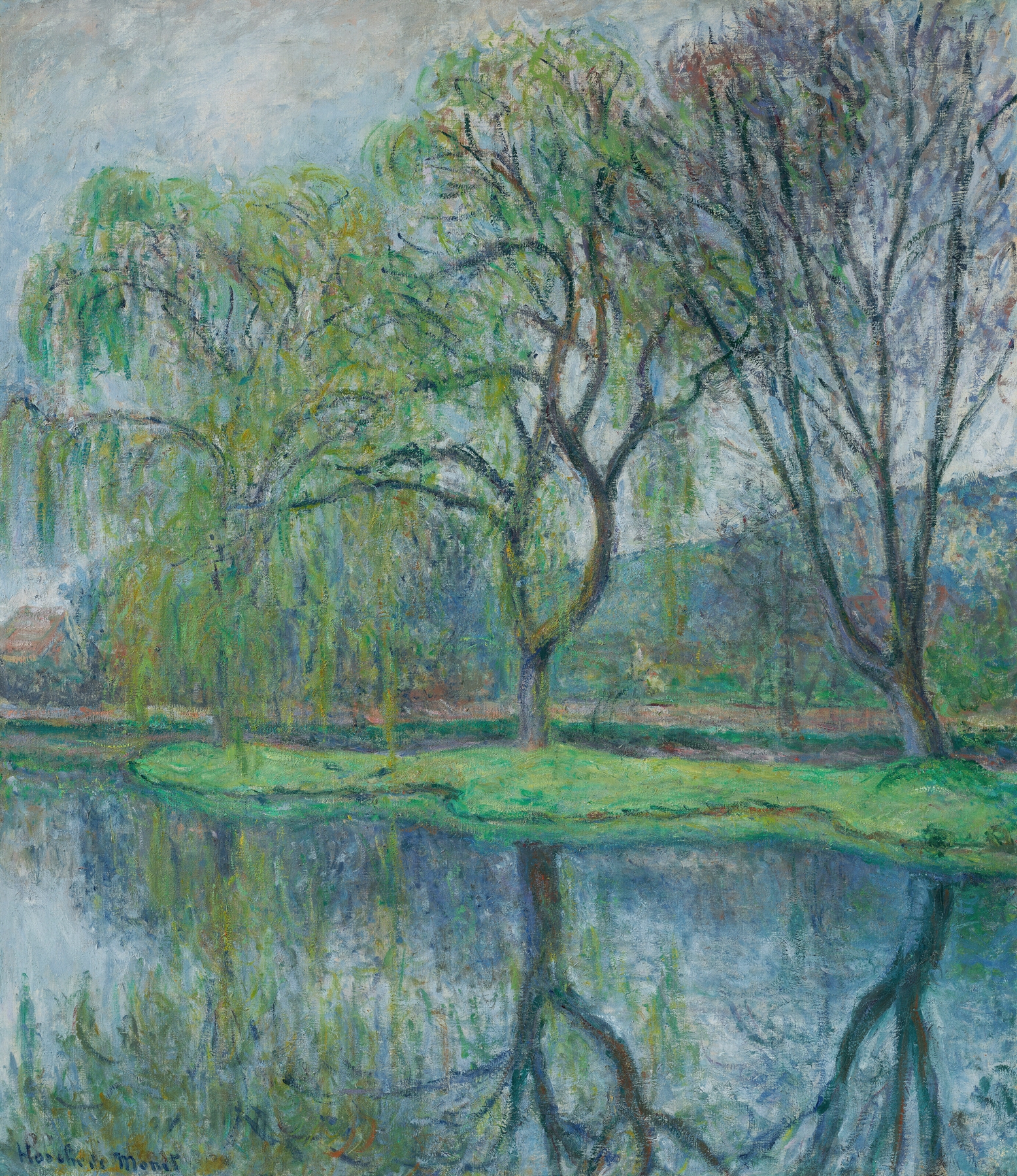
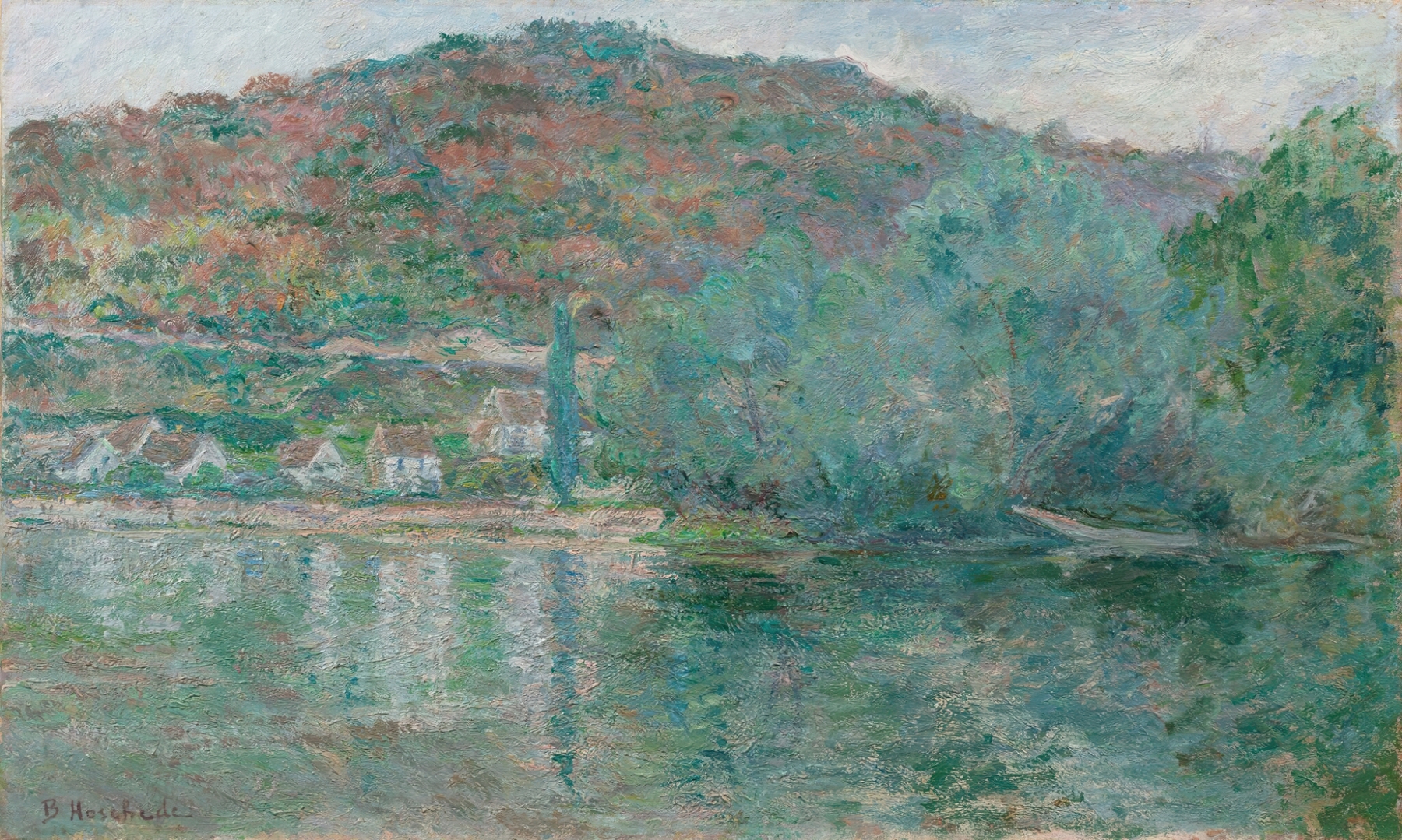
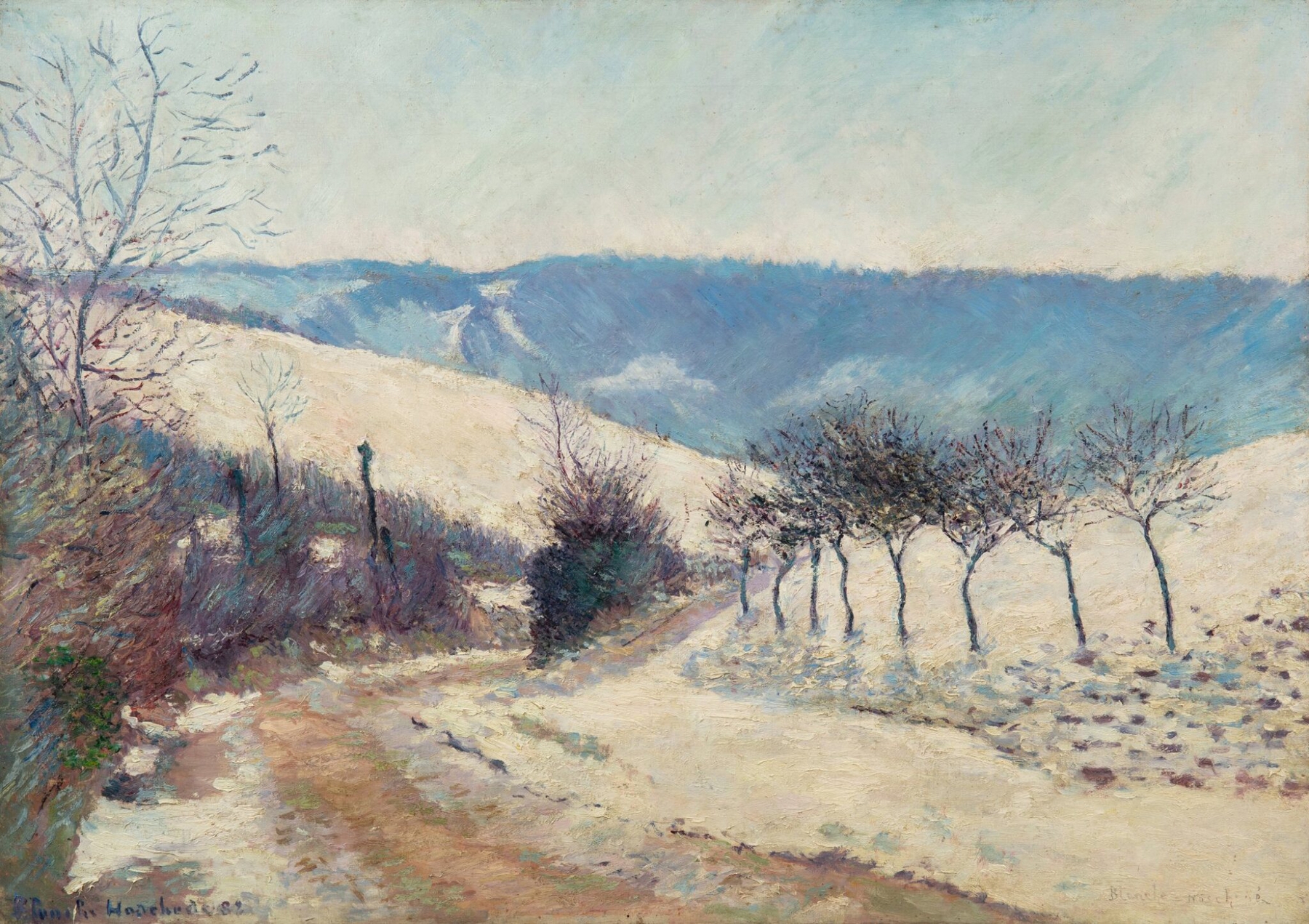
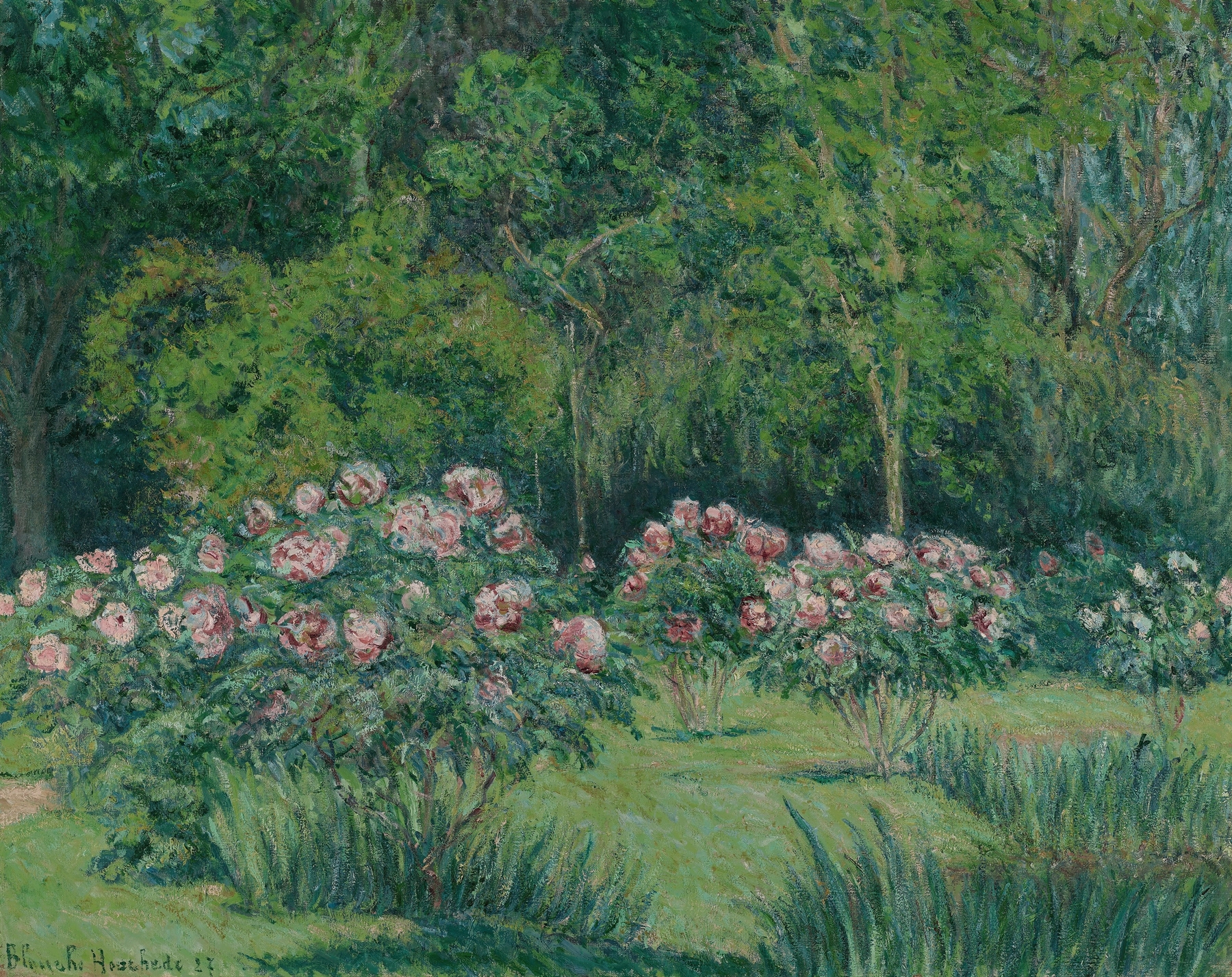
Could beauty survive in a century of chaos? Bois Tailler En Automne delicately dances on the edge of this question, drawing viewers into a tranquil autumnal scene that belies the turmoil of its time. Look to the left at the soft, dappled sunlight filtering through the amber and russet leaves, illuminating the path ahead. The brushwork is both loose and intentional, giving life to the trees that seem to whisper secrets of seasons past. Notice how the colors blend seamlessly, the warm hues contrasting with a cool, muted sky, inviting you to wander into the depths of this picturesque landscape.
The gentle curves of the path guide your eye deeper into the woods, embodying a journey that feels both inviting and mysterious. Yet beneath the serene exterior lies a profound tension. The absence of figures suggests solitude, perhaps isolation, contrasting with the vibrant life of the foliage. The illusion of beauty in the autumn leaves hints at the fleeting nature of joy; it reminds us that even in the quietest moments, the chaos of existence lingers just beyond the frame.
Each brushstroke captures a world teetering on the brink, echoing a desire for permanence in a reality fraught with uncertainty. Created during the late 19th century, when the art world was rapidly transforming, the artist painted this piece amidst a backdrop of societal change and personal discovery. Living in France, she was influenced by the Impressionist movement while also navigating her role as a female artist in a male-dominated sphere. This work reflects her unique perspective, merging the ideals of beauty and transience in an era defined by both artistic exploration and cultural upheaval.