Bord De L’eau — History & Analysis
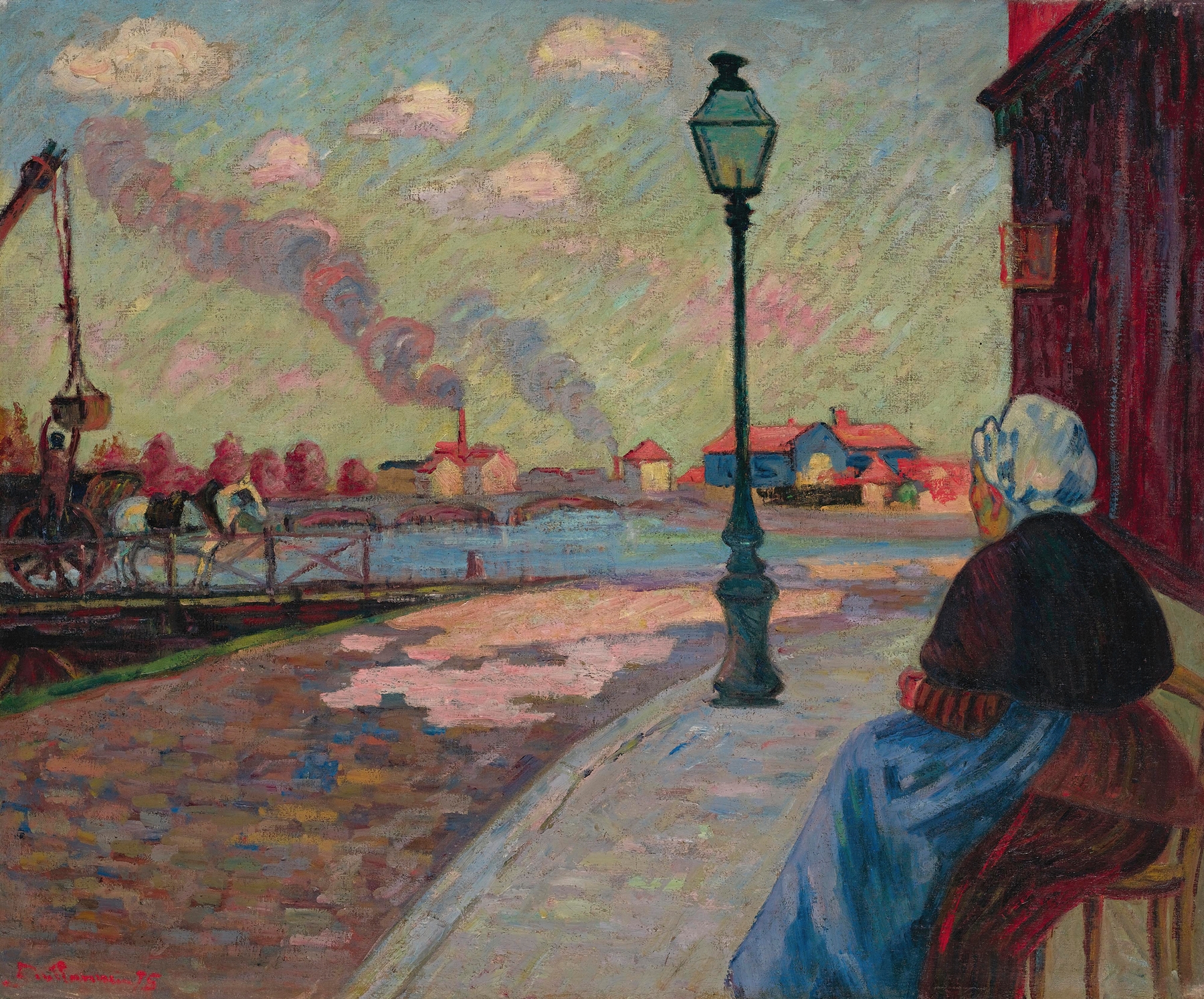
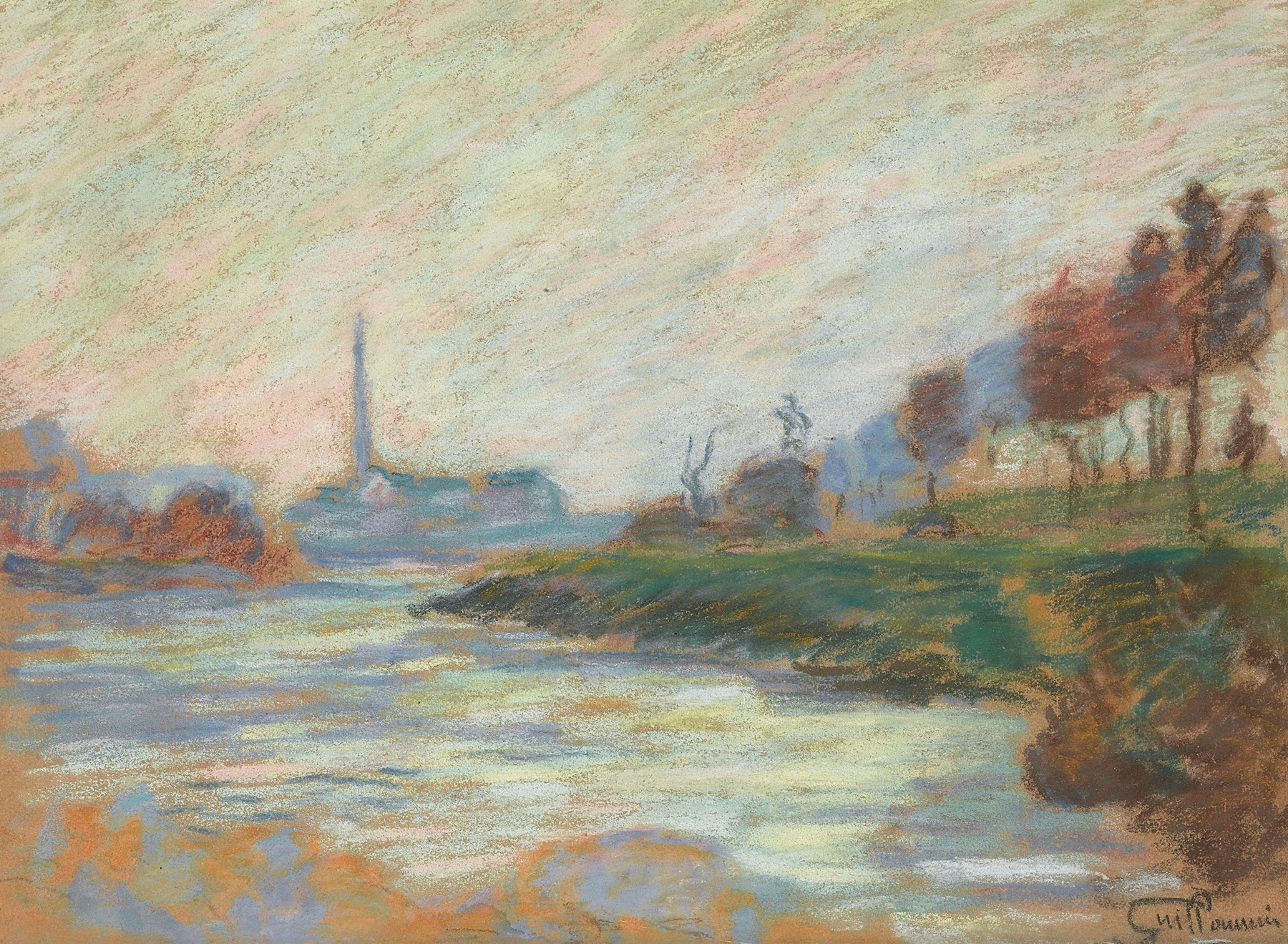
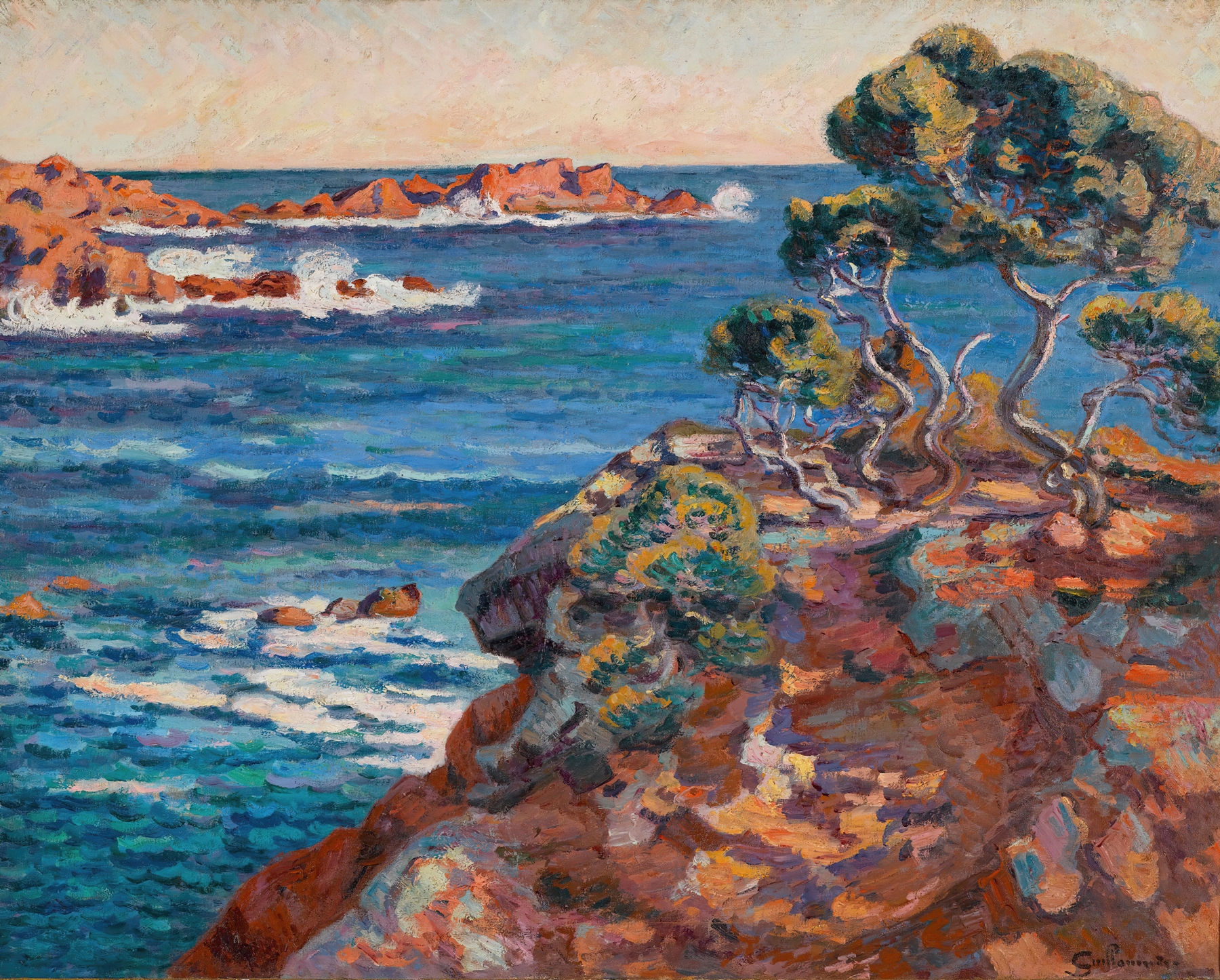
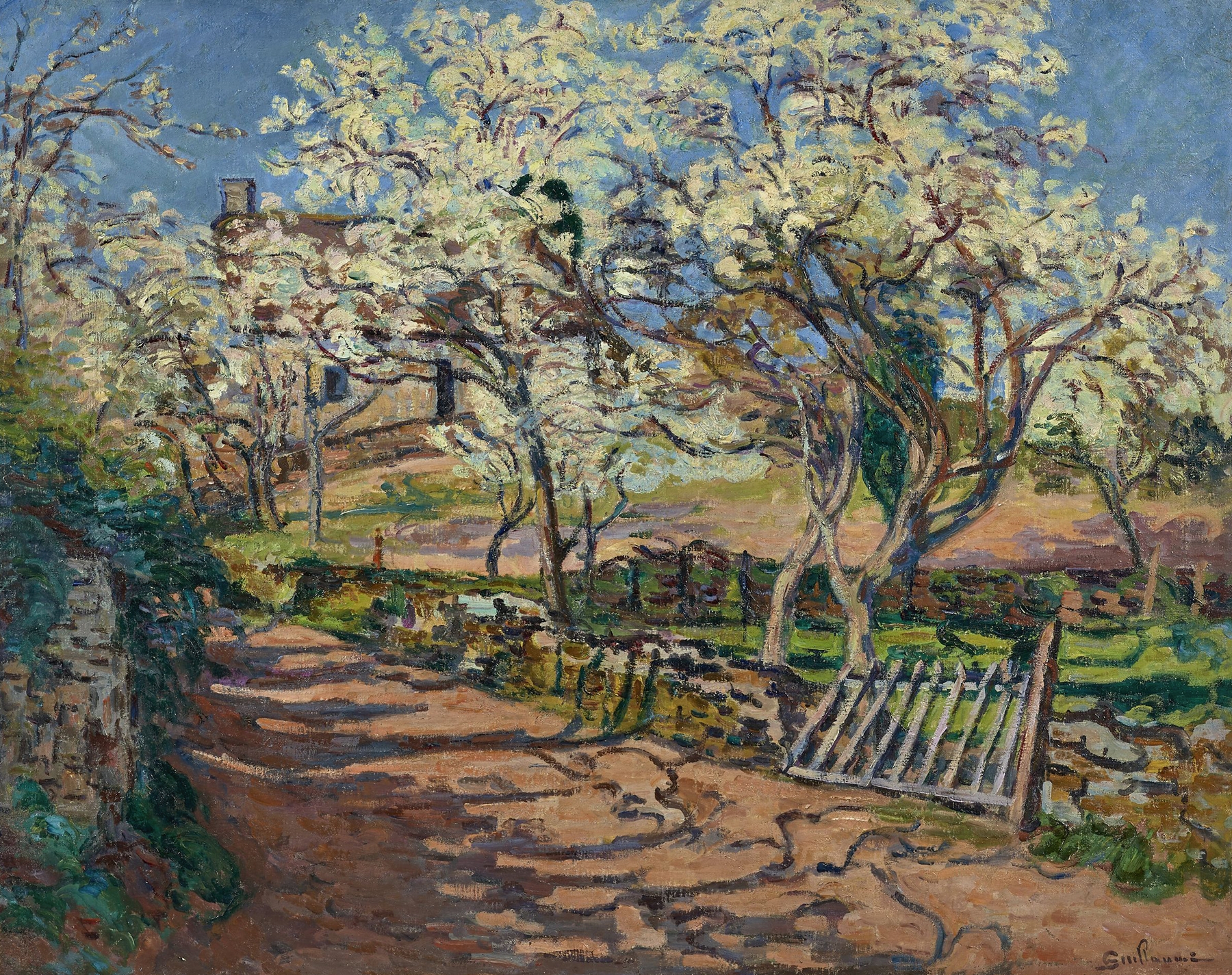
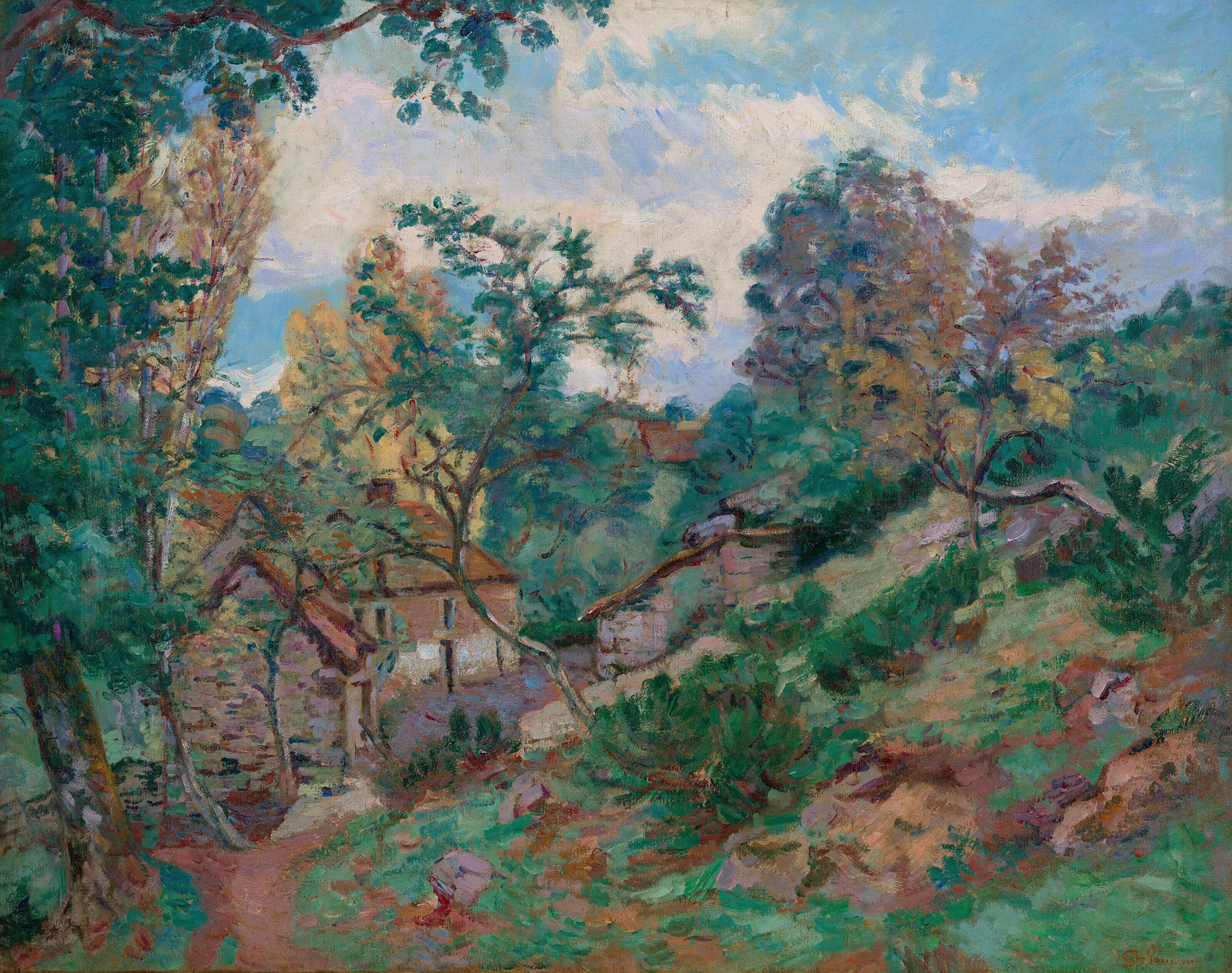
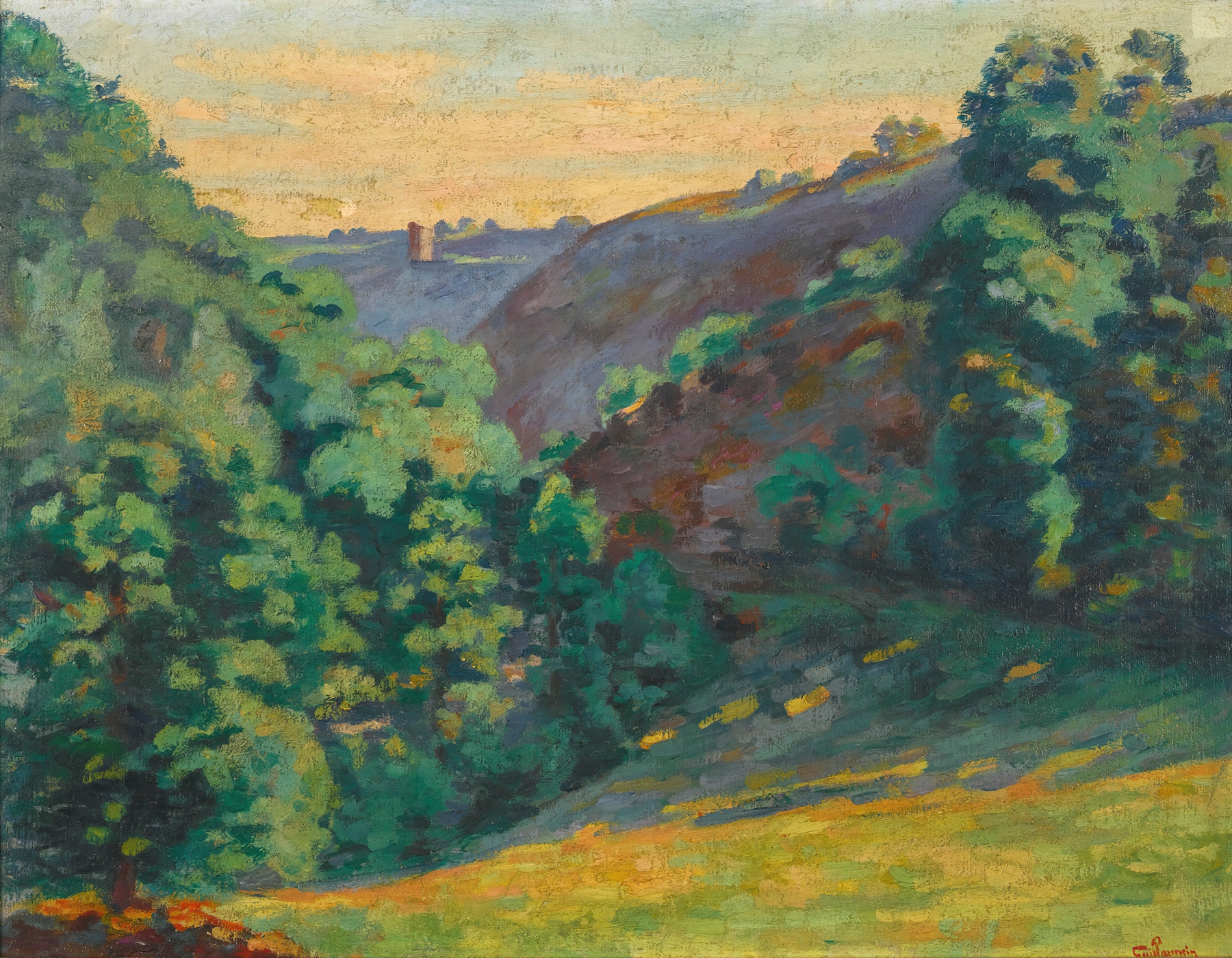
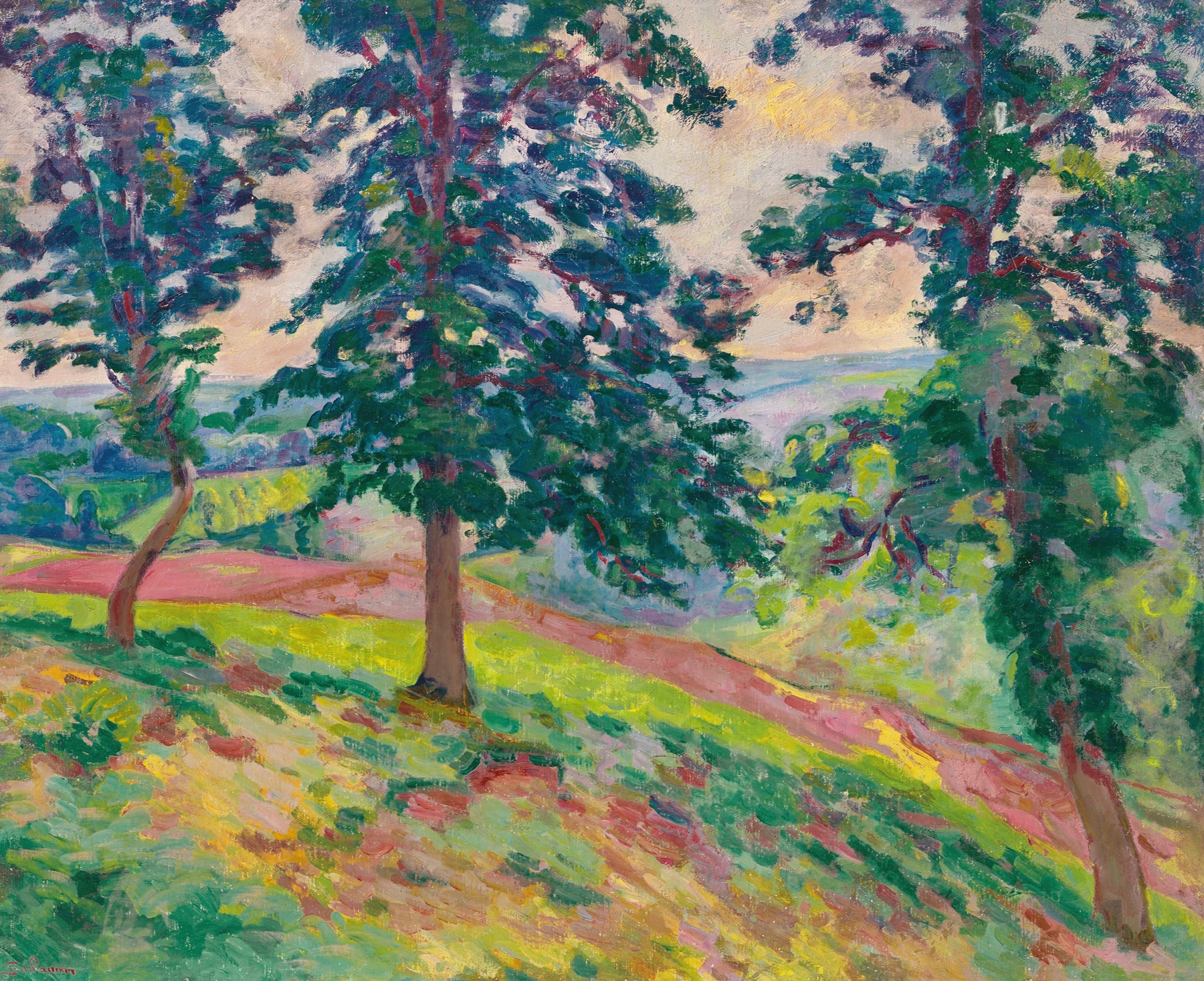
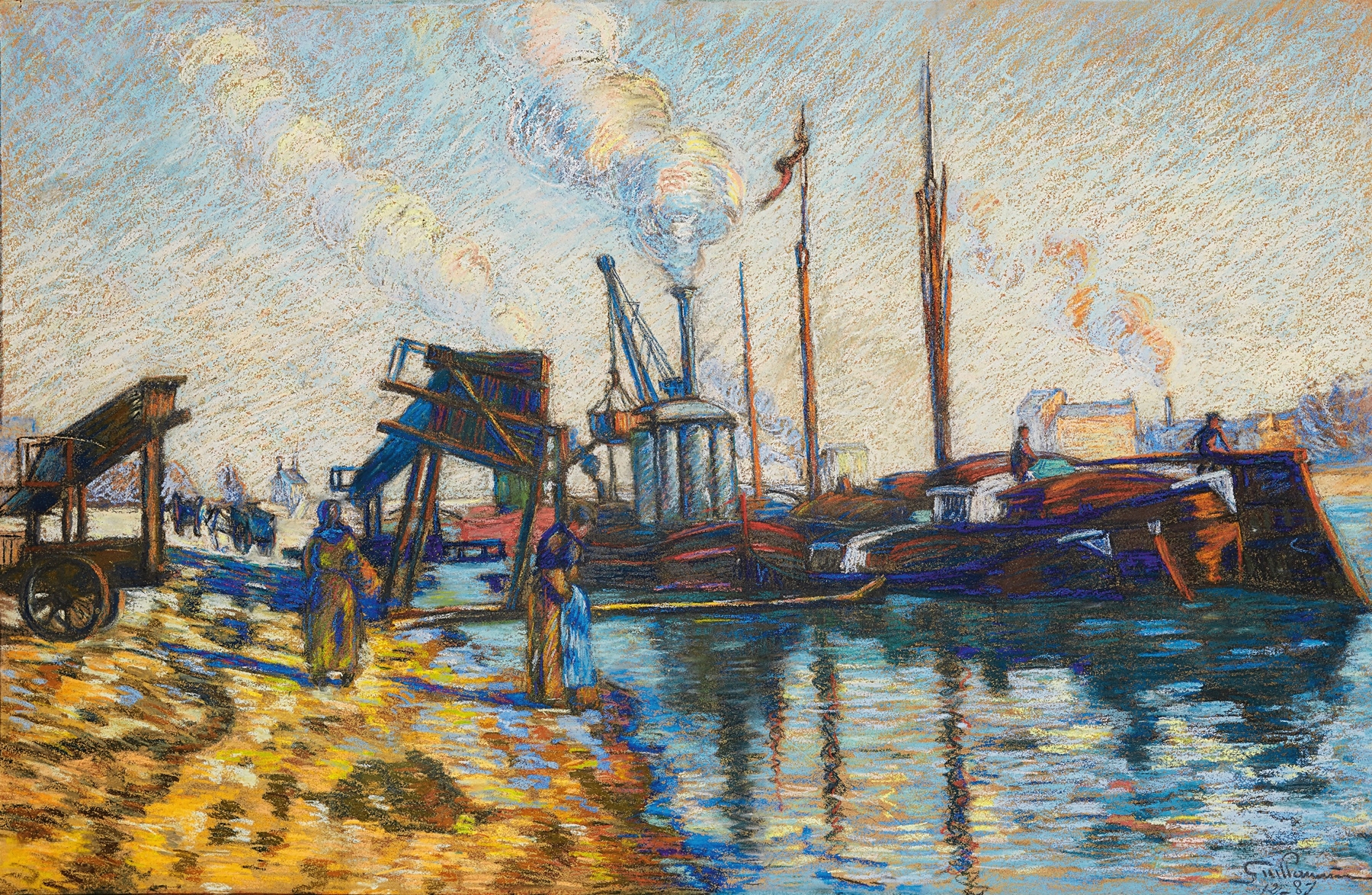
“Every silence here is a confession.” In the stillness of a moment, hope lingers, weaving through the very fabric of existence. What do we find when we pause to listen? Perhaps the answer lies in the gentle brushstrokes of the canvas, revealing an intimate encounter between nature and the human spirit. Look to the left at the shimmering water, where light dances upon its surface in vibrant hues of blue and green. Each ripple reflects the ethereal sky, creating a dialogue between land and sky.
Notice how the brushwork is both expressive and fluid, inviting you to trace the contours of the trees on the right, their foliage layered with rich shades of yellow and orange. The composition draws the eye towards the horizon, suggesting a journey, an invitation to explore the depths of possibility. Within the tranquil scene lies a tension between solitude and connection. The solitary figure beside the water embodies the duality of longing and contentment, poised in a moment of reflection. The interplay of colors evokes a sense of warmth against the cool backdrop of nature, presenting a juxtaposition of emotion that mirrors the complexities of the human experience.
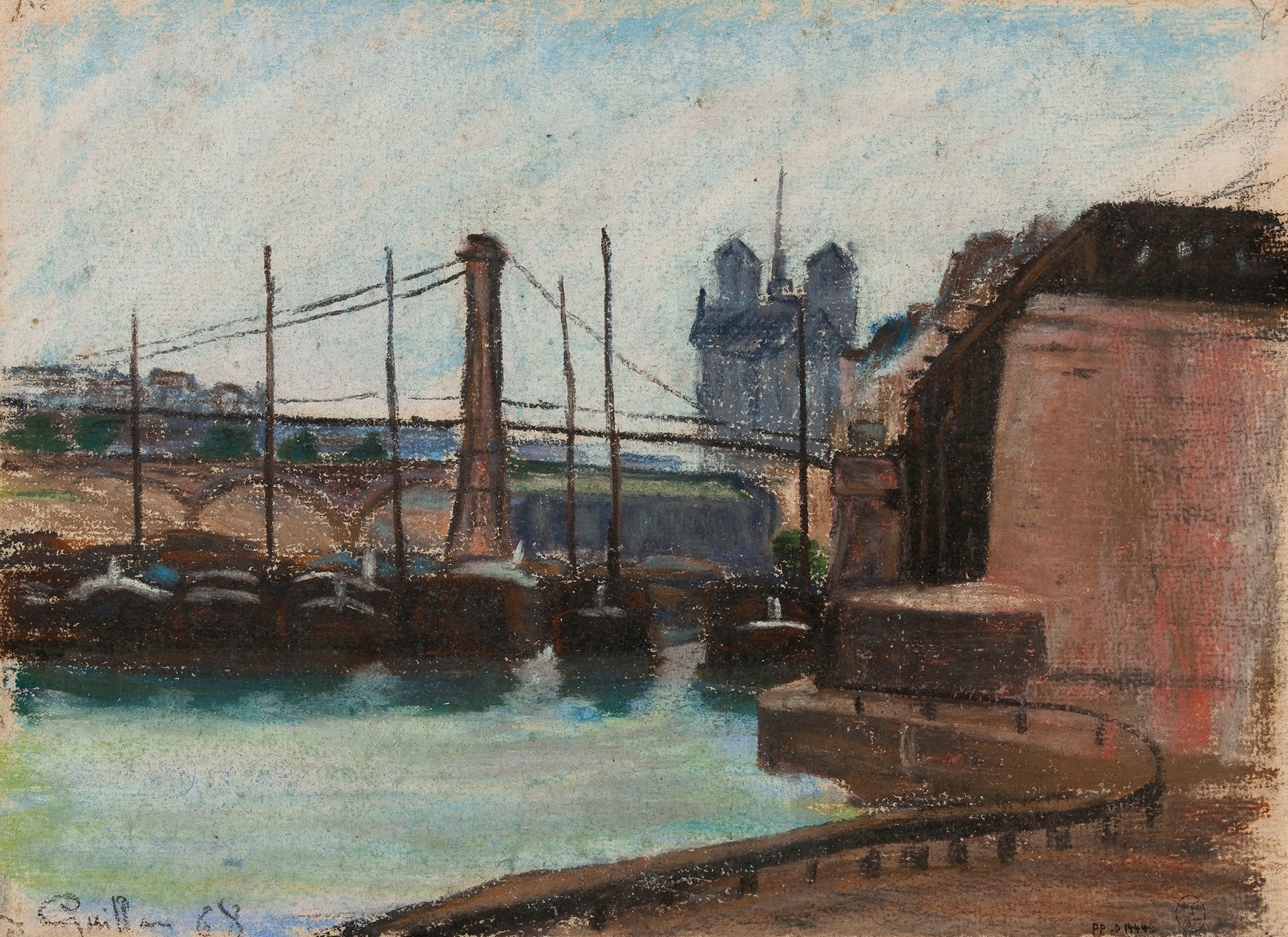
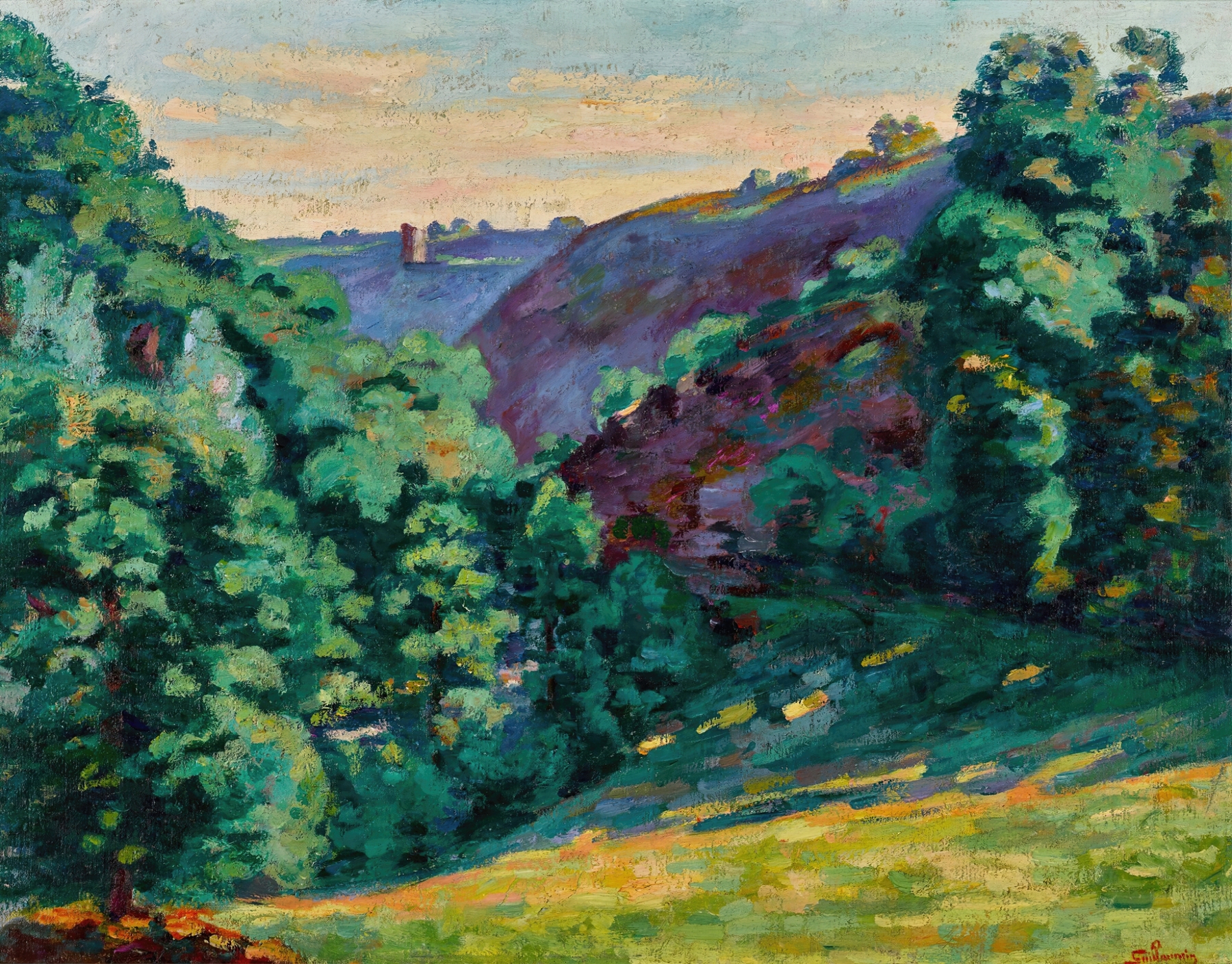
Each detail, from the gentle sway of the grass to the distant silhouette of the trees, encapsulates a landscape of hope and introspection. Armand Guillaumin painted this piece during an era marked by a search for authenticity in art, influenced by the broader Impressionist movement. Created in the late 19th century, likely between his exploration of light and color in the countryside, he sought to capture the essence of fleeting moments in nature. As he reflected on his surroundings, he was not only establishing his own voice but also contributing to a transformative moment in the world of art.