Bord de Seine à Rolleboise — History & Analysis
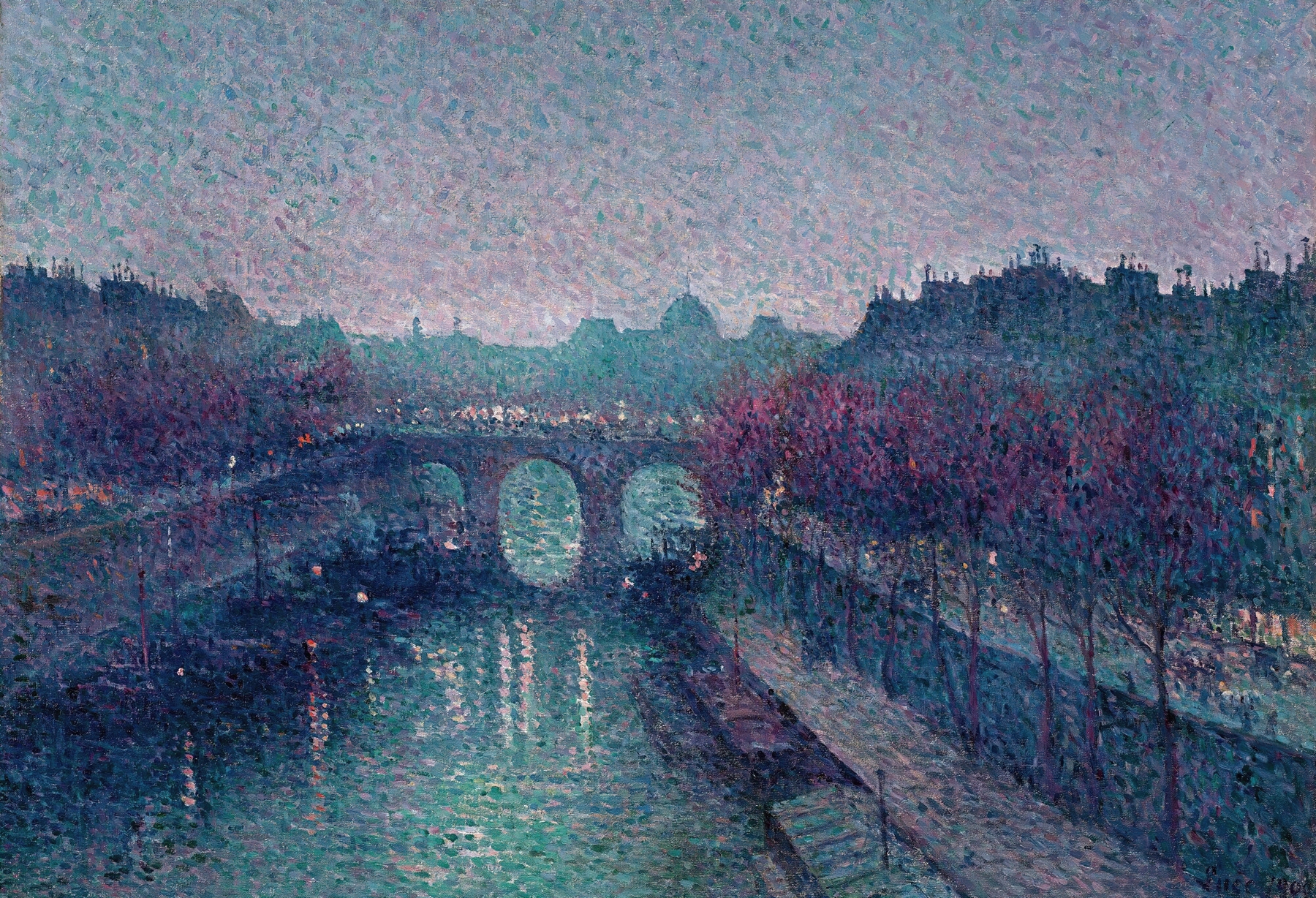
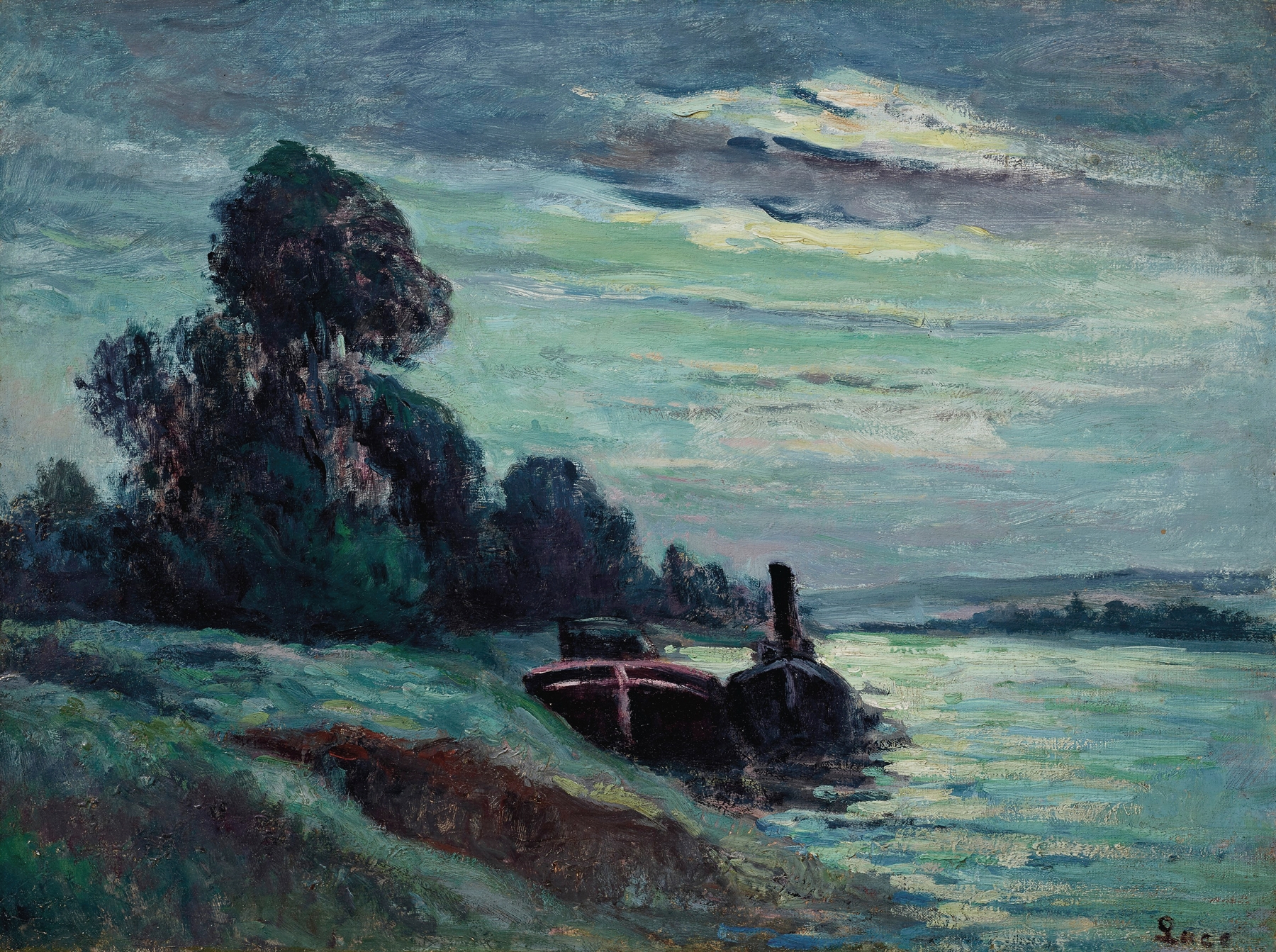
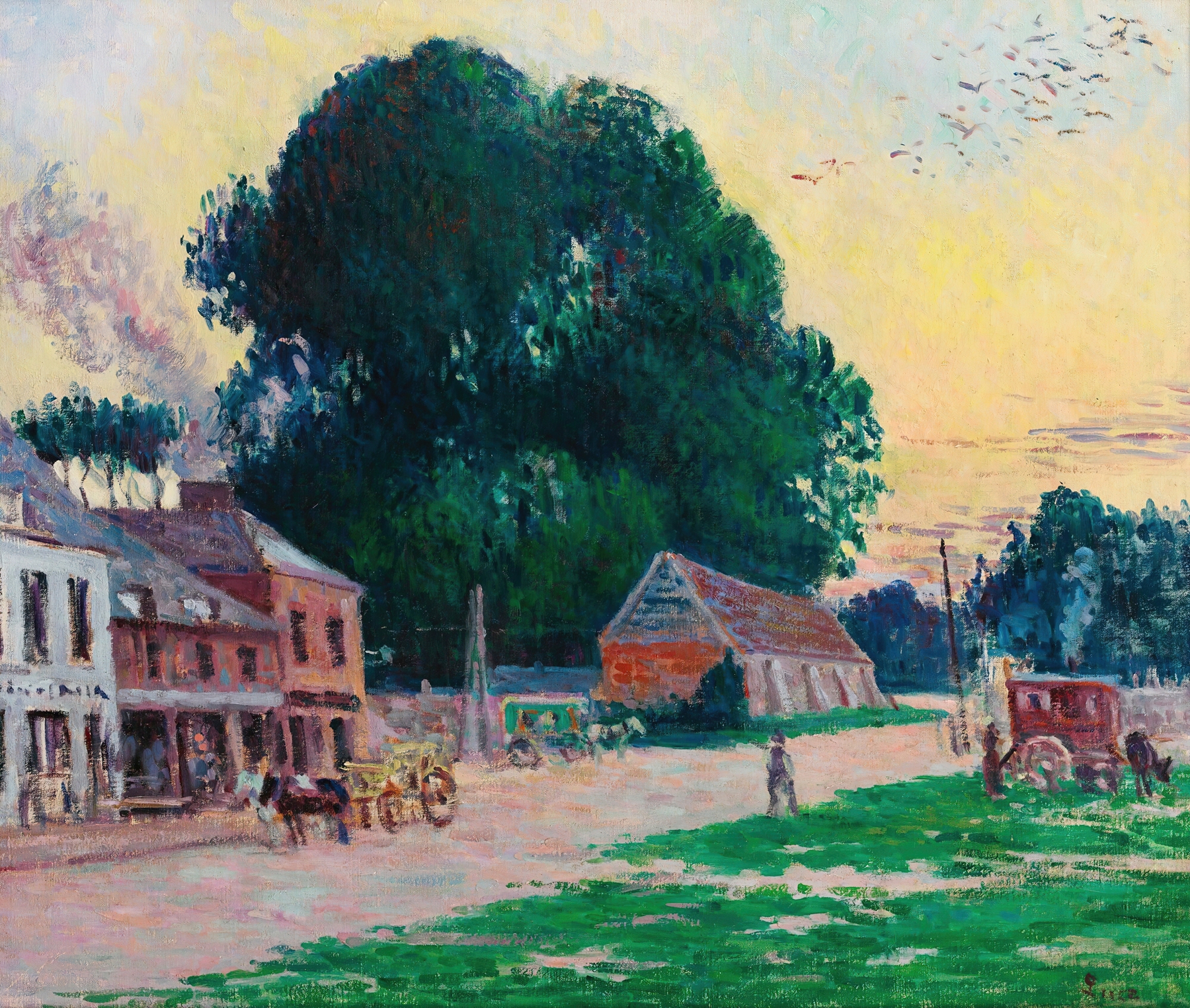
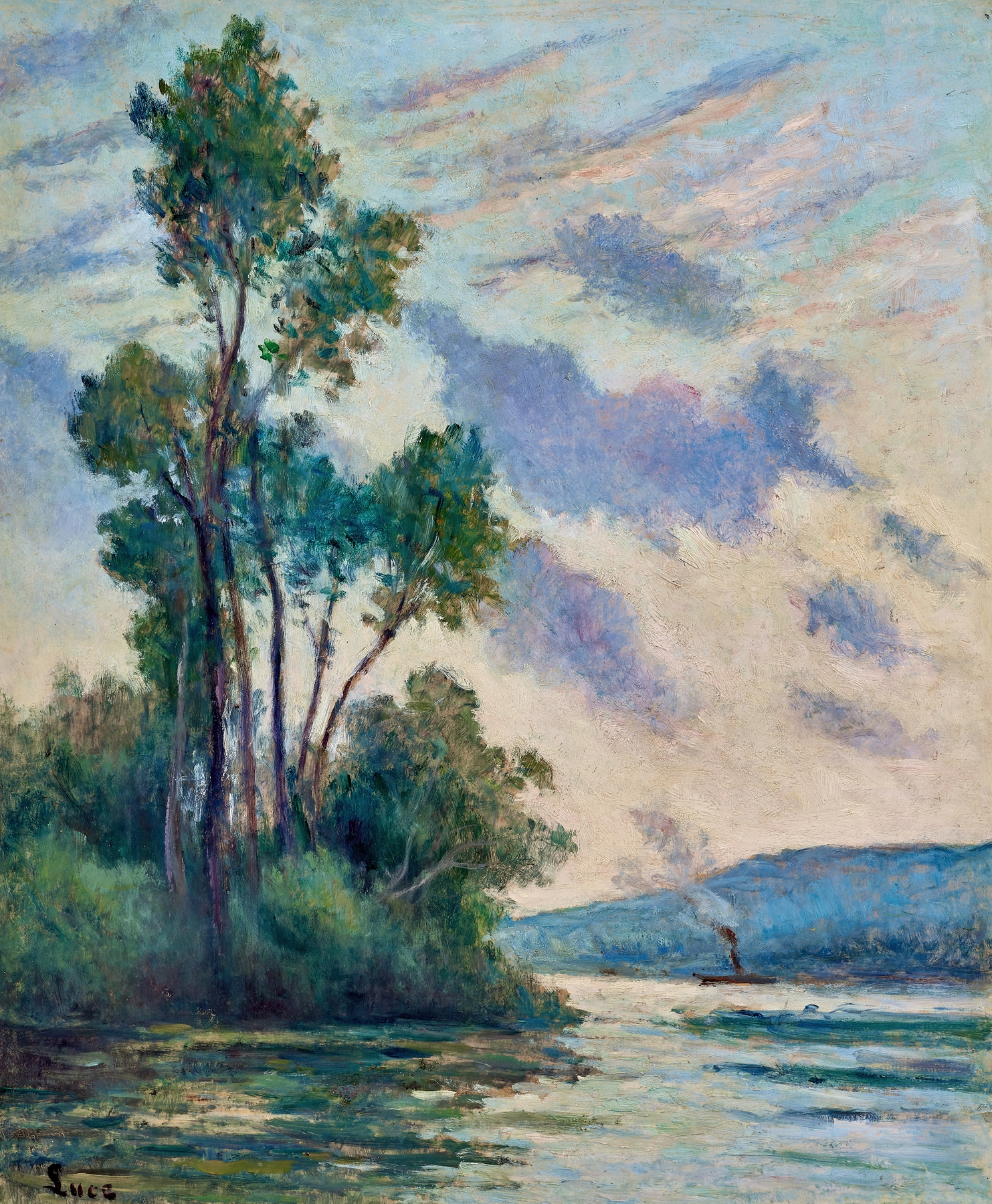
“Sometimes beauty is just pain, disguised in gold.” The intertwining of destiny and desire often constructs the foundations of experience, and in the raw strokes of the canvas, we find echoes of this complexity. Look to the horizon where the Seine flows gracefully beneath a soft pastel sky. The gentle undulations of the river's surface reflect the interplay of light and shadow, serving as a metaphor for the shifting tides of fate. Vibrant hues of blue and gold dance with each brushstroke, beckoning the eye to explore the tranquil yet charged atmosphere of the scene. Notice how the lush greenery on the banks creates a frame that guides you into this world, hinting at life’s quiet resilience. As you delve deeper, observe the figures dotting the landscape, absorbed in their simple pursuits—fishing, strolling, or merely gazing. They embody a juxtaposition of the mundane and the sublime, reminding us that every moment carries the weight of countless destinies. The serene backdrop of nature stands in stark contrast to the unspoken stories of its inhabitants. Here, beauty is not merely aesthetic; it is intertwined with the silent struggles and triumphs that define existence. During the late 19th century, Luce created this work amidst the rise of Impressionism, a movement that sought to capture the essence of modern life. Working in France, he was influenced by the revolutionary ideas of his contemporaries, exploring color and light in innovative ways. The period was marked by significant social change, mirroring the internal conflicts that would later shape his artistic expression.