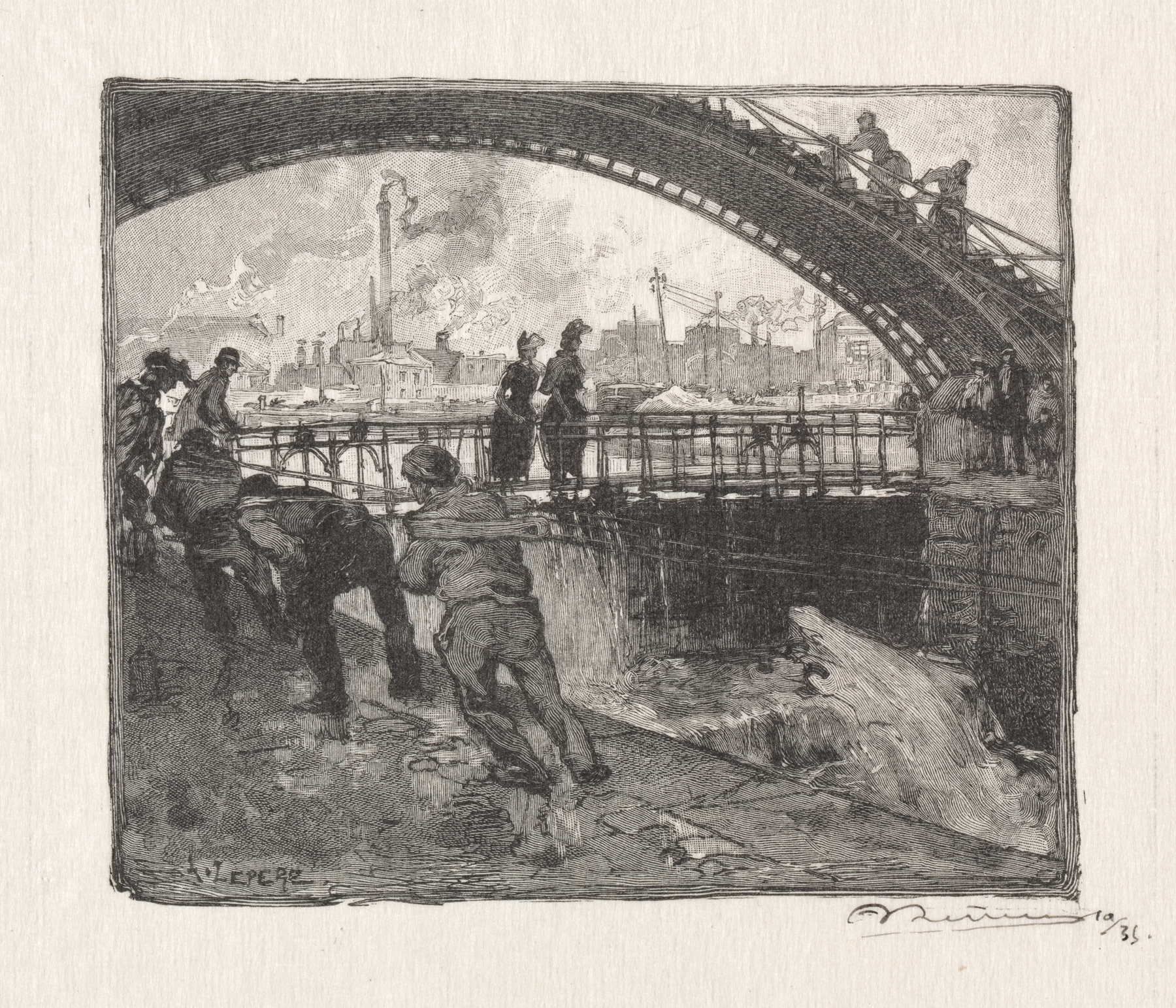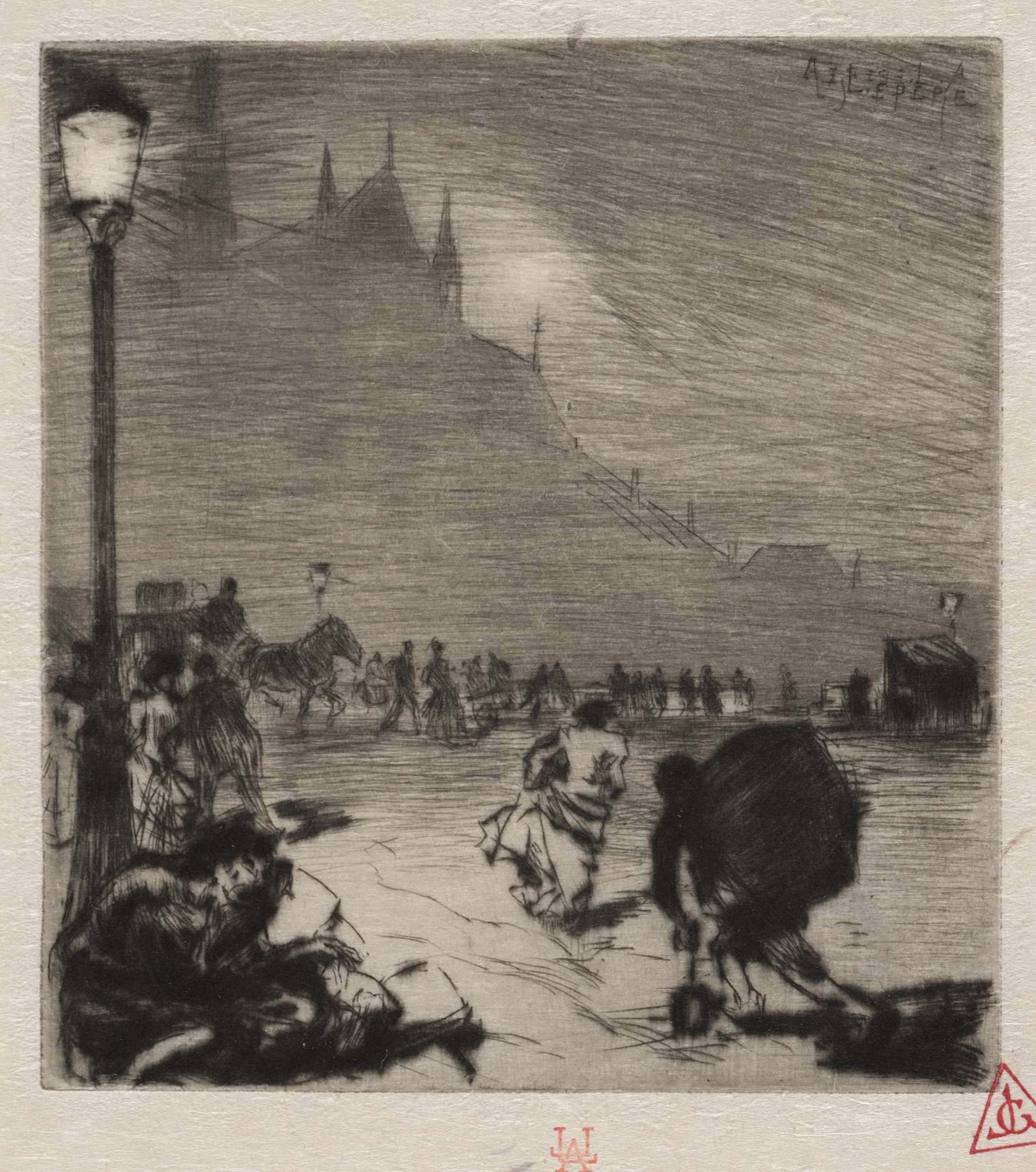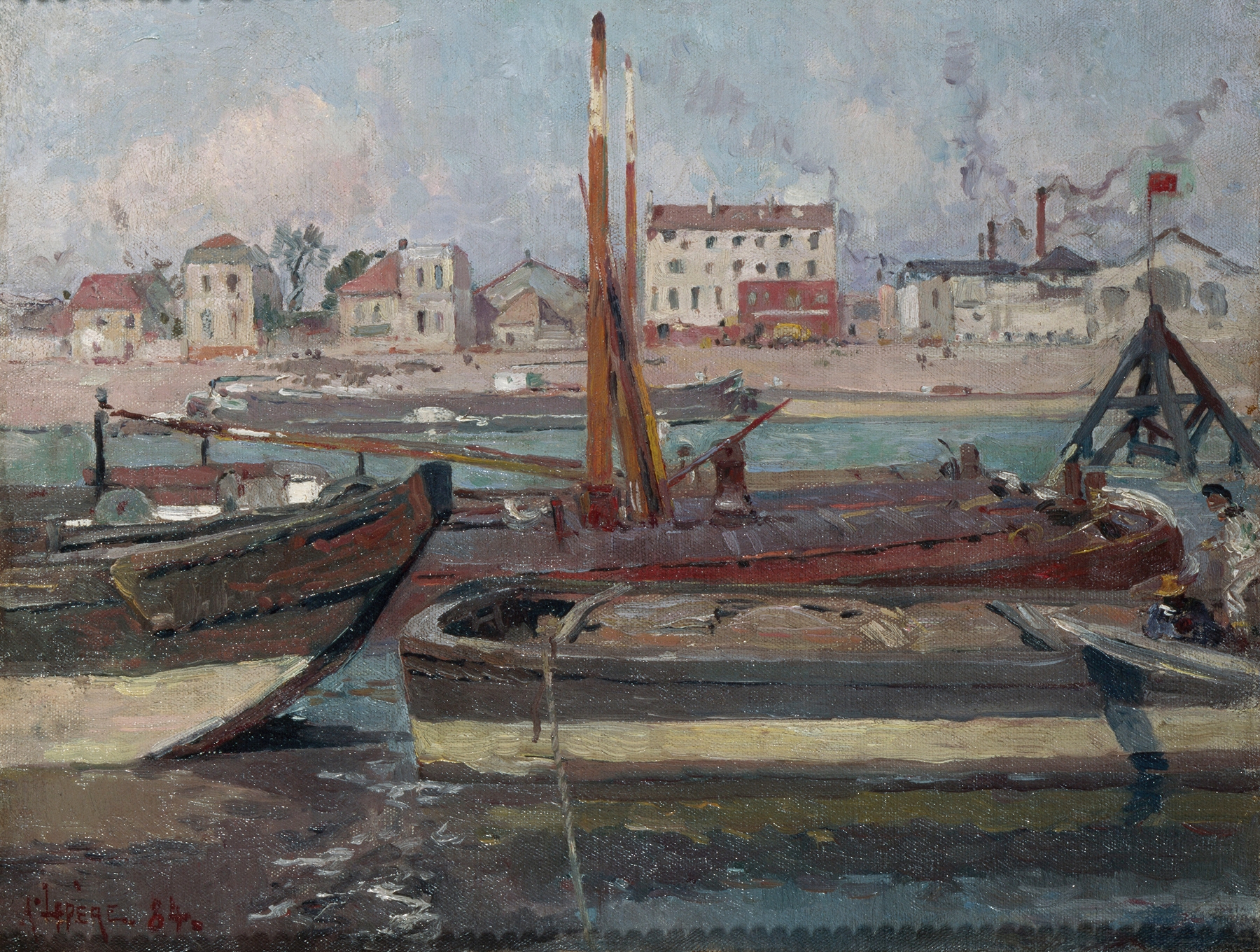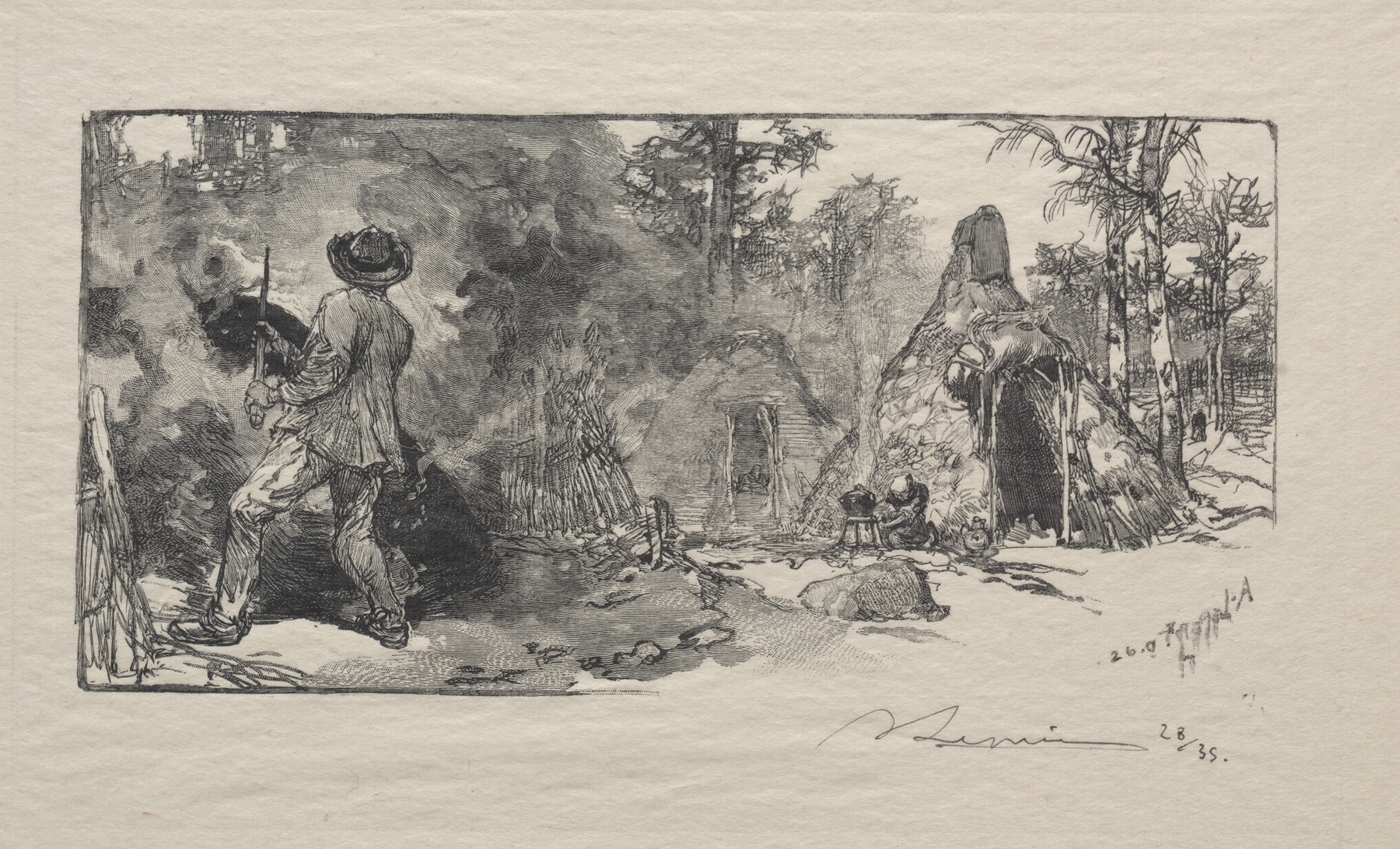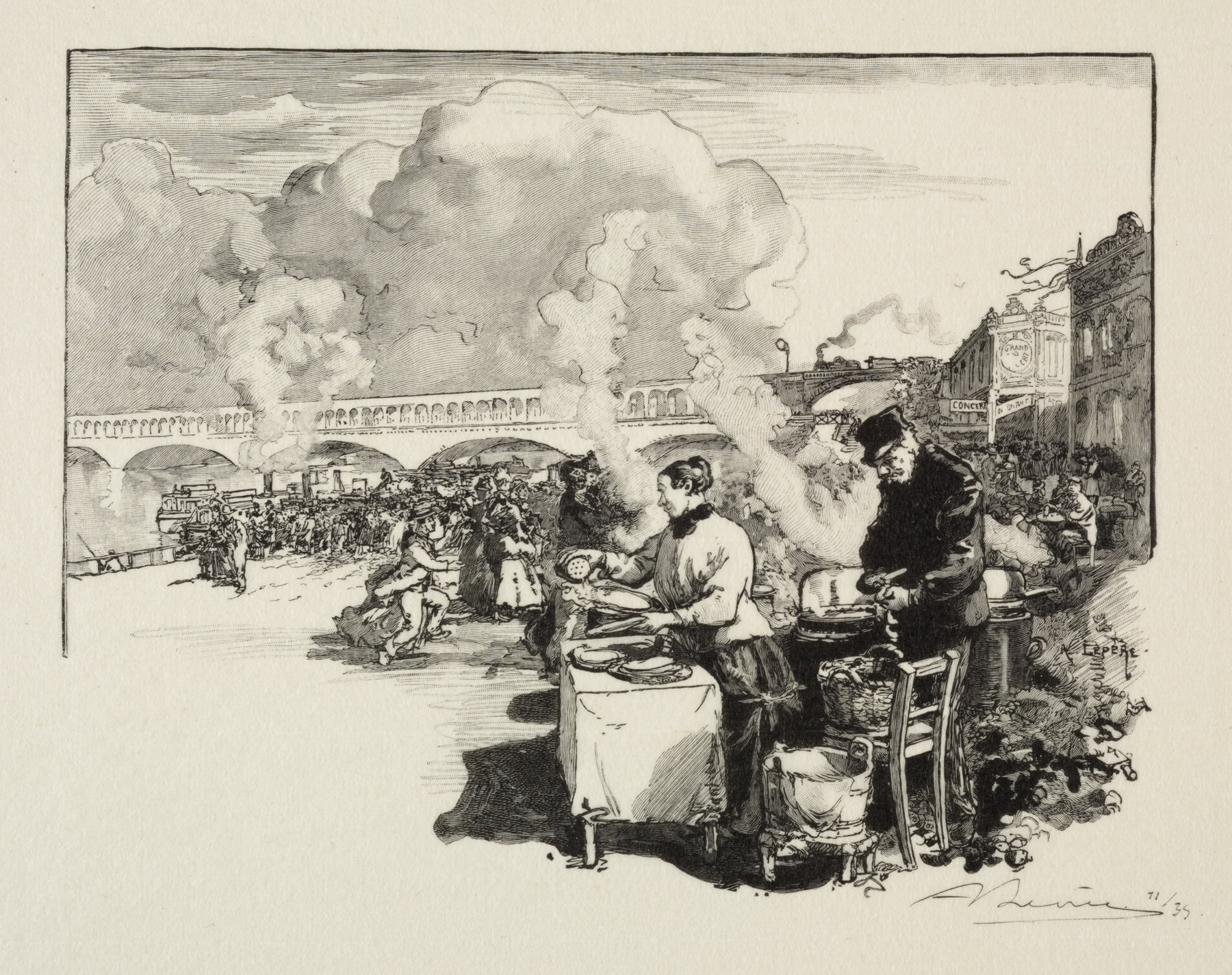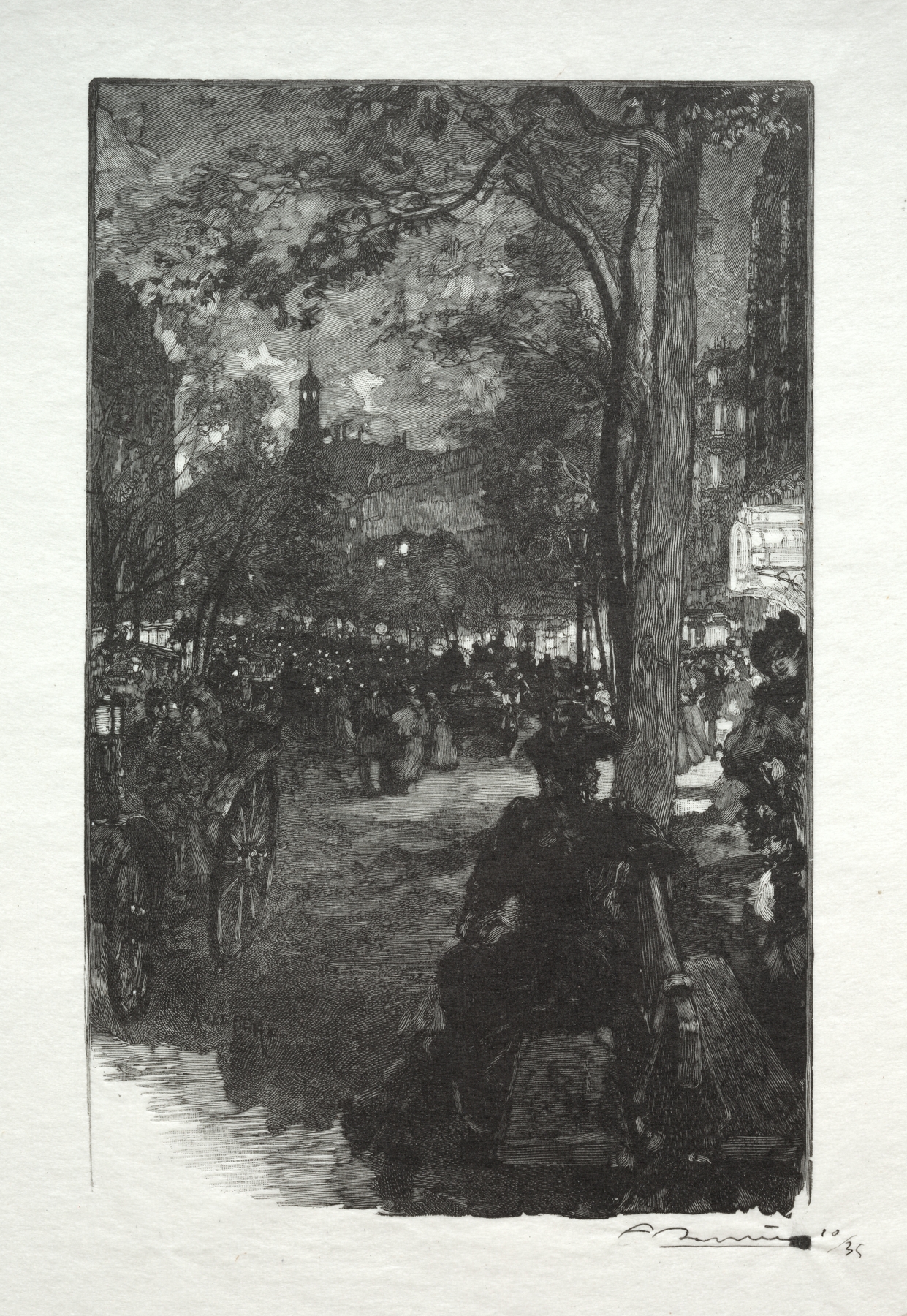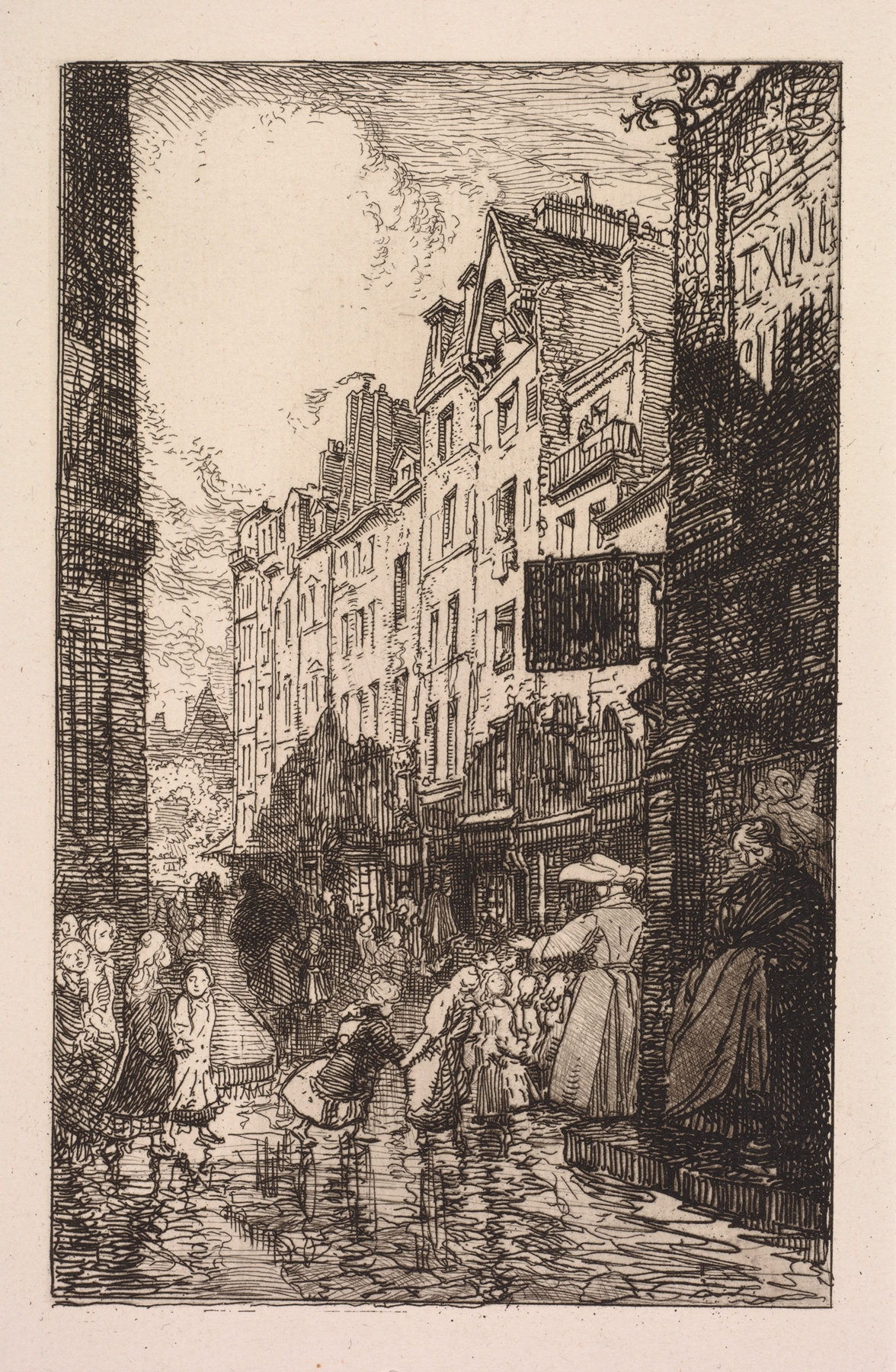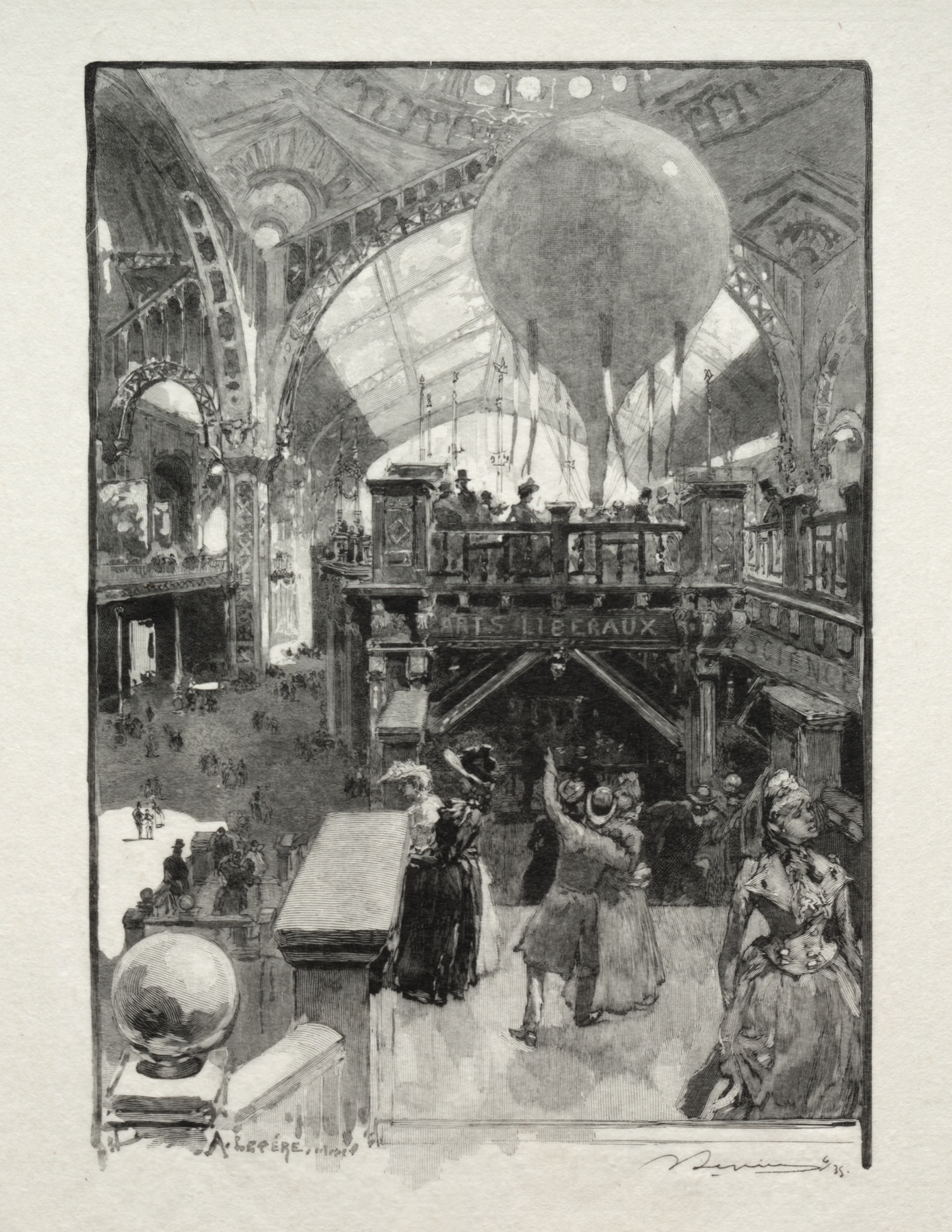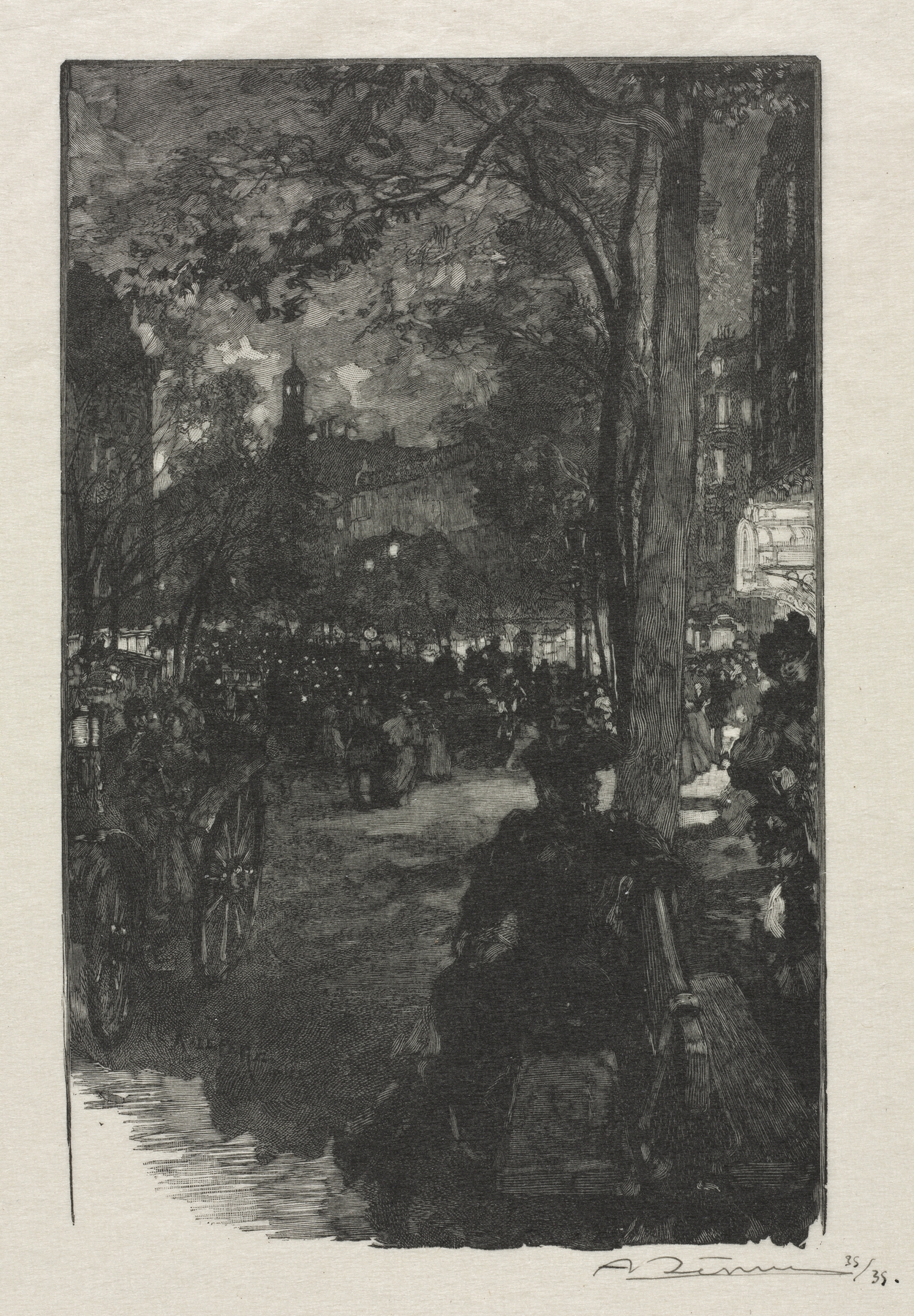
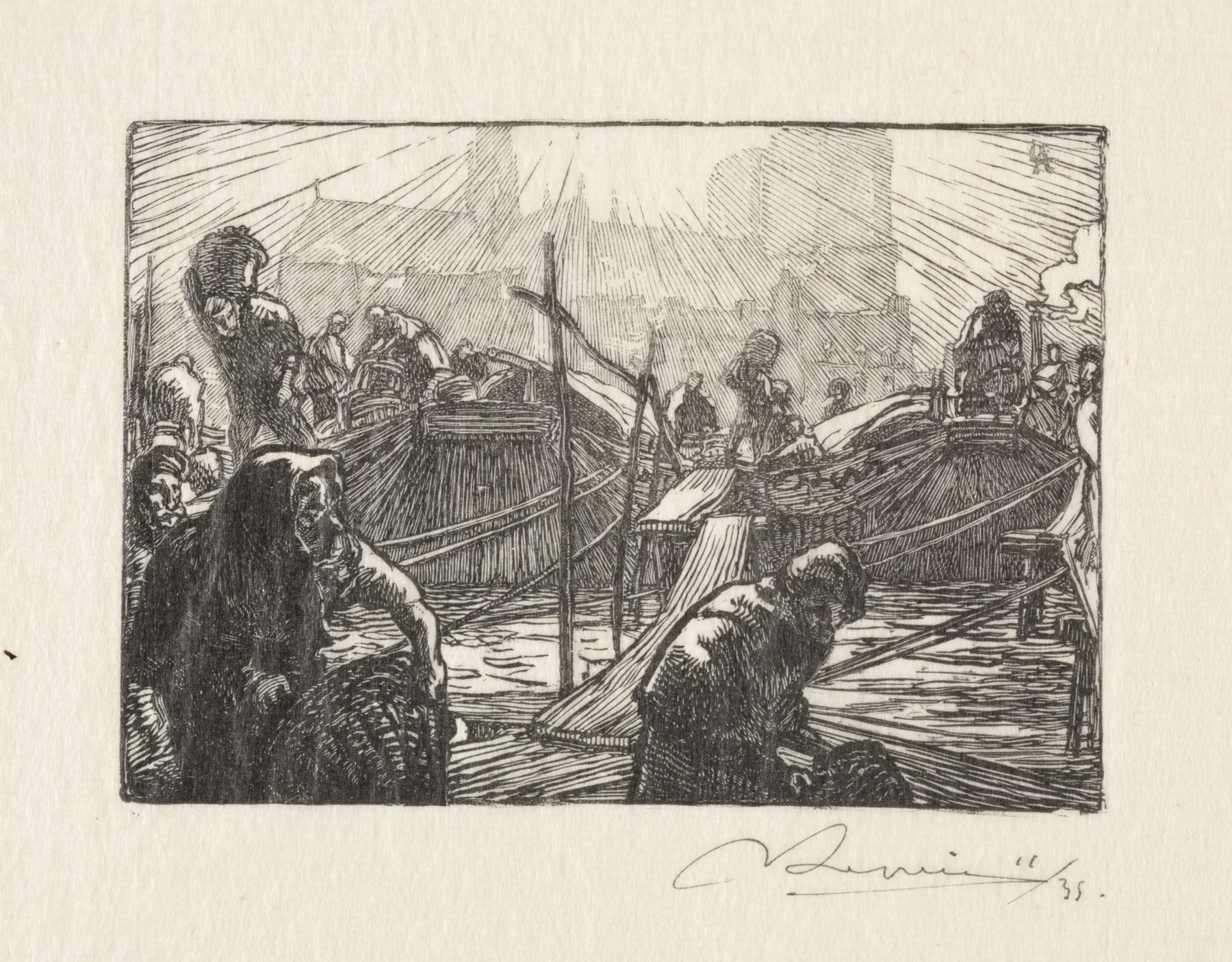
“To paint is to remember what time wants us to forget.” In a world that rushes forward, Lepère’s work captures the fleeting moments of twilight, replete with colors that evoke nostalgia and emotion. Look to the left, where warm hues of orange and gold intermingle with the deepening blue of the evening sky. The brushstrokes pulse with life, leading the eye toward the bustling street filled with figures that embody both movement and stillness. Notice how the lights of the shops flicker like stars against the encroaching night, illuminating the cobblestones with a gentle, luminous glow. Each stroke reveals not just a scene, but a tapestry of everyday life, blending the ordinary with the extraordinary. As you take in the vibrance of the scene, consider the contrast between the lively figures and the shadowy corners of the city. The way the light dances on the surface hints at a deeper unification of humanity and urbanity, a moment suspended in time. The play of colors suggests warmth amidst the coolness of dusk, representing the bittersweet nature of memories; a celebration of the present that is inevitably fading into the past. In 1890, Lepère painted this piece during a transformative period in Paris, where the Impressionist movement was blossoming, and artists were experimenting with light and color to depict modern life. He had settled in Montmartre, a hub for artists and bohemians, reflecting the vibrancy of the city while capturing the essence of its fleeting moments. This work stands as a testament to his keen observation and ability to encapsulate the spirit of an era.