Bromley Hill — History & Analysis
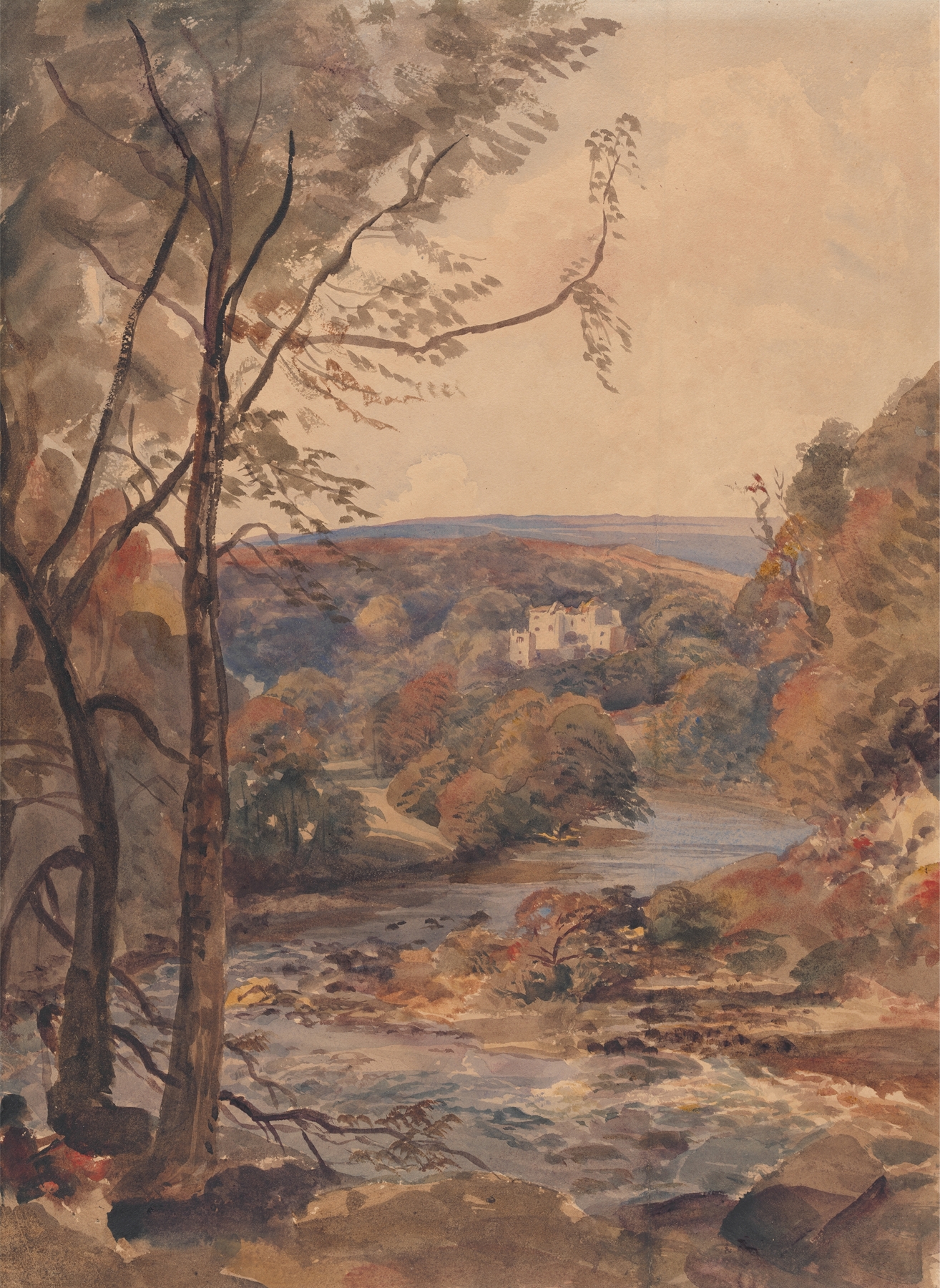
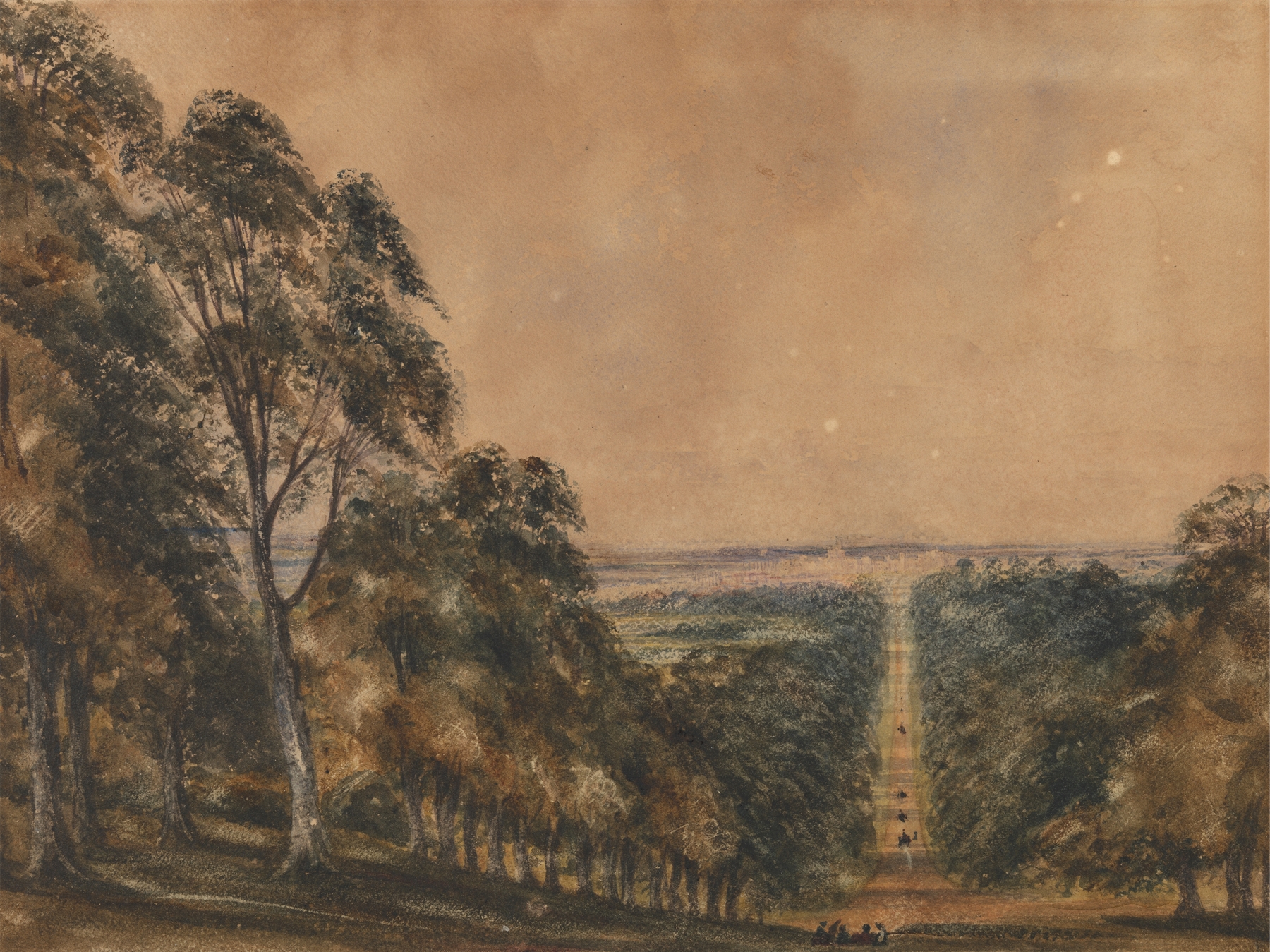
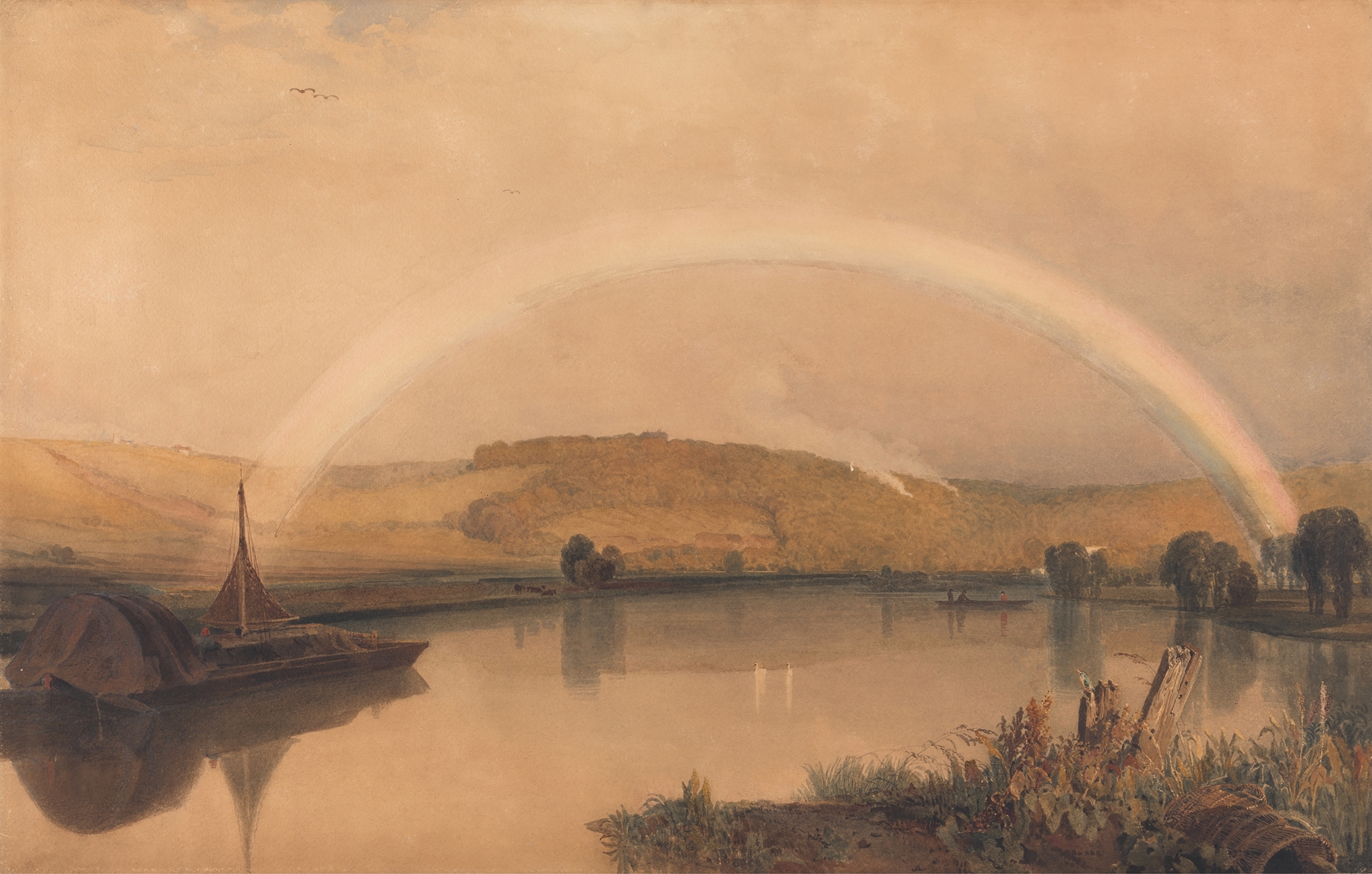
“Sometimes beauty is just pain, disguised in gold.” This sentiment resonates deeply within the landscape that unfolds in a burst of color and texture. Here, nature offers both solace and melancholy, inviting the observer to ponder the duality of existence in a world marked by fleeting moments. Look to the middle of the canvas, where a rich tapestry of greens and browns interweaves the rolling hills. The artist’s deft brushwork captures the rhythm of the land, leading the eye through the undulating forms.
Notice how the sunlight bathes the scene, casting a warm glow that highlights the leaves’ edges and creates a play of shadows across the terrain—each stroke revealing the vibrancy of life coexisting with quiet stillness. Beneath the surface, Bromley Hill pulsates with the tension between beauty and transience. Every brushstroke seems to echo the passing of time, where the lush vegetation hints at abundance while simultaneously whispering of its inevitable decay. The distant horizon, cloaked in soft blues, suggests both hope and longing—a reminder of what lies beyond our immediate grasp, encouraging reflection on our own journeys through a world filled with impermanence.
In 1812, while creating this piece, the artist found himself immersed in a transformative period of English landscape painting, characterized by a push towards romanticism. DeWint was exploring new techniques that emphasized emotional depth, capturing the essence of nature as a reflection of human experience. The era was marked by both industrial growth and a yearning for the pastoral, a tension that resonates profoundly within the work, situating the artist at a crossroads of tradition and innovation.