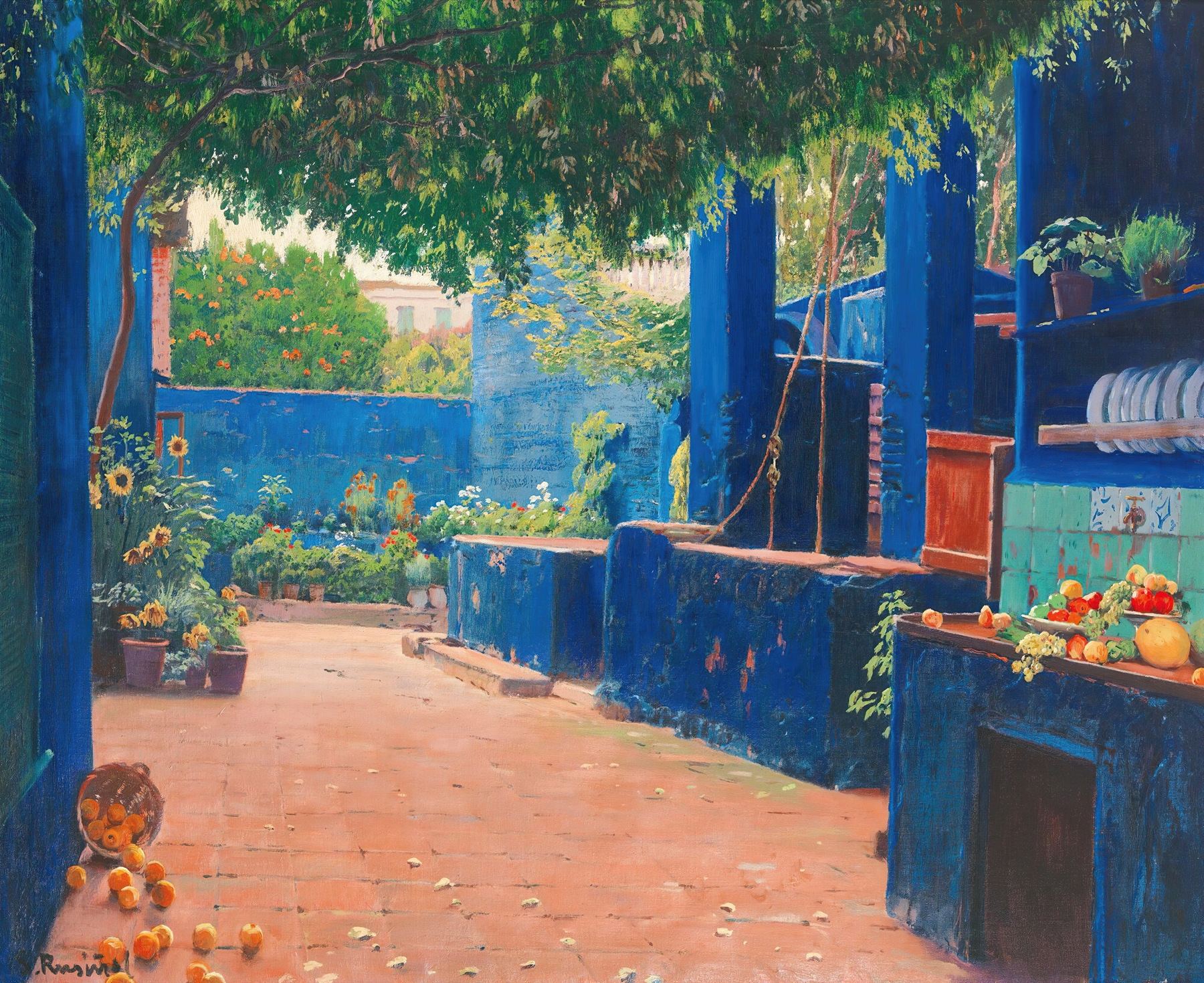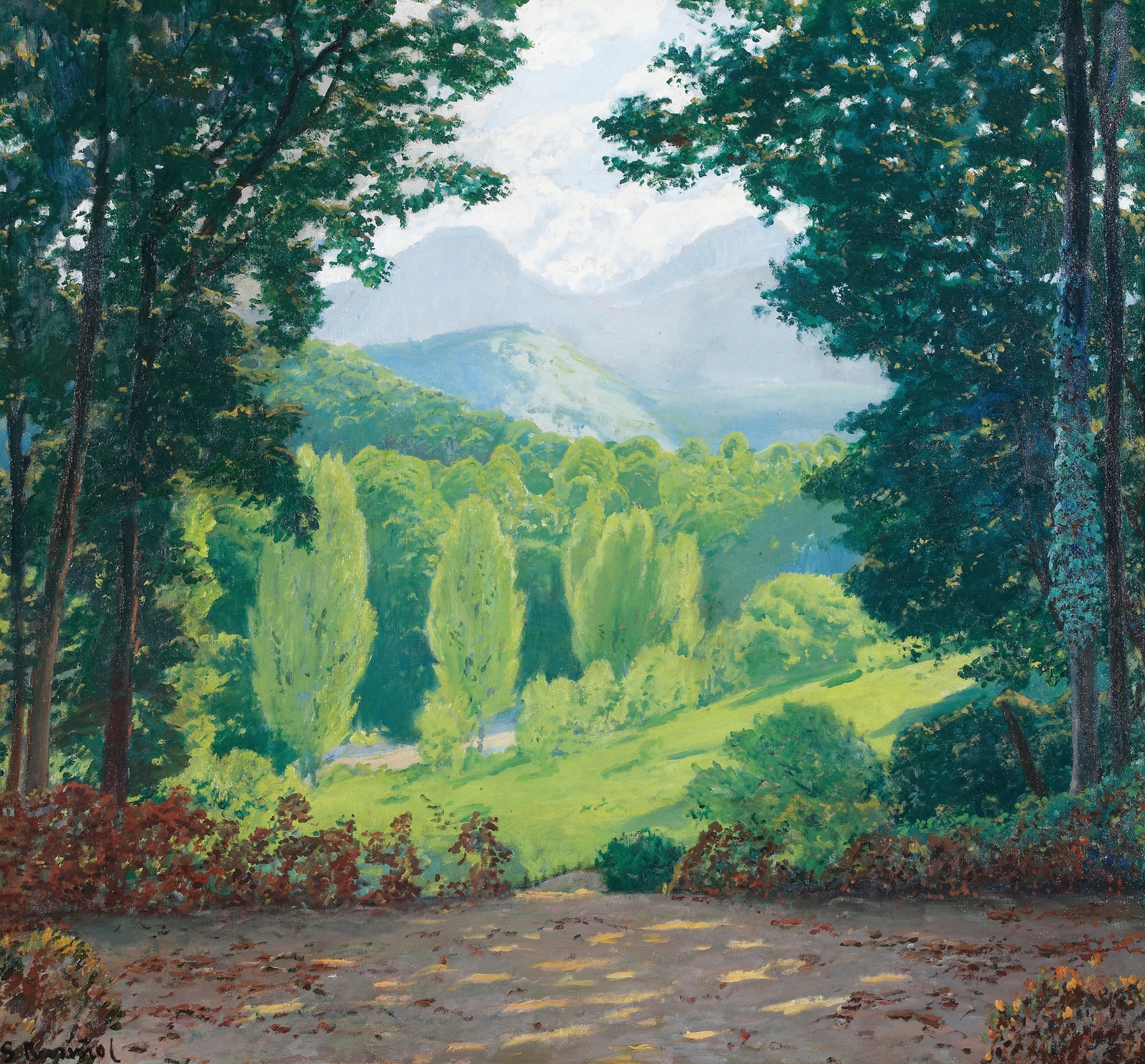
Cala Grisa — History & Analysis
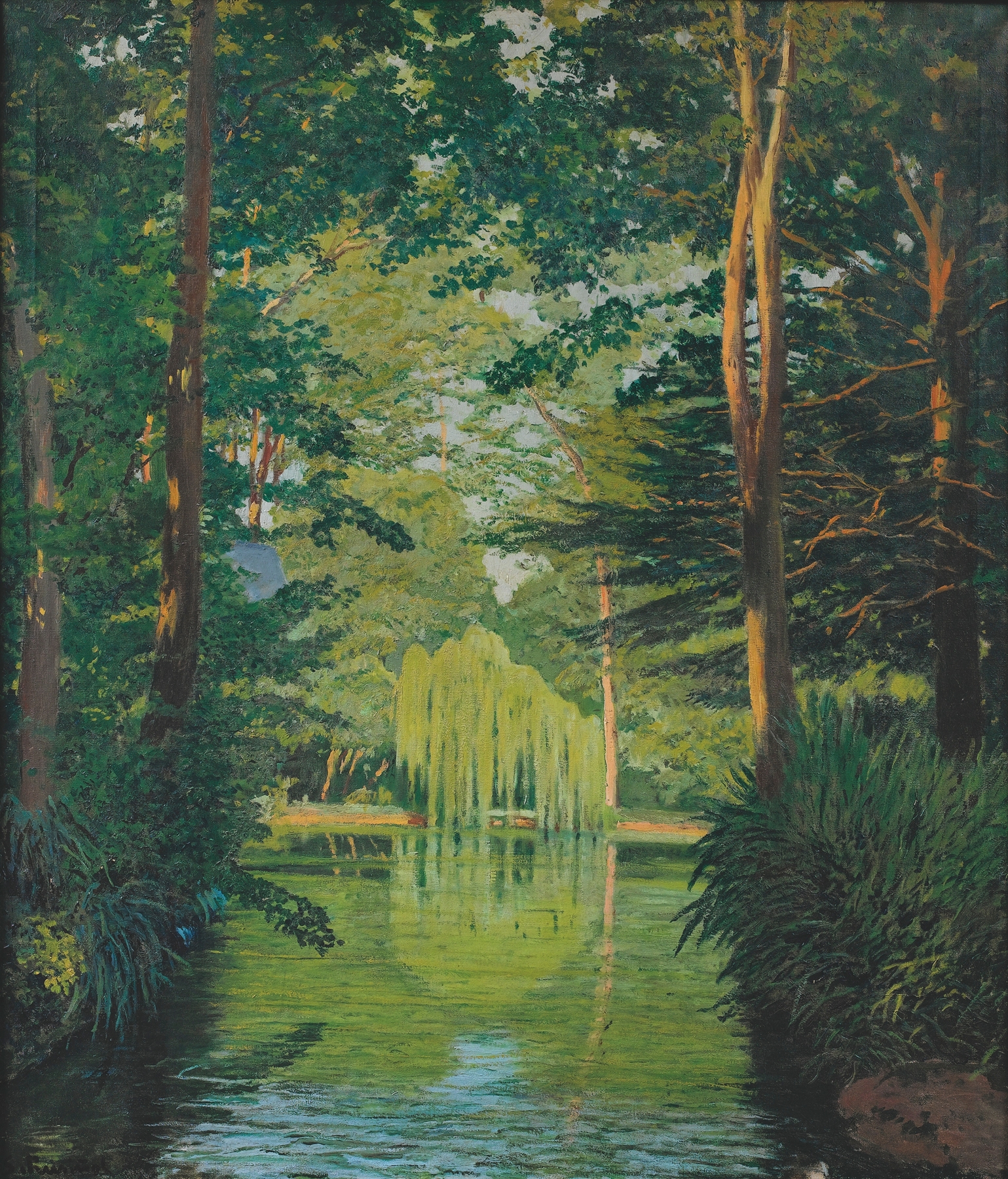
Could a single brushstroke hold eternity? In Cala Grisa, the boundaries of time blur, inviting us to ponder the fleeting yet profound moments encapsulated within its strokes. Look closely at the serene blues and greens — the water dances with gentle ripples, capturing the light in delicate shimmers. Notice how the horizon beckons in soft hues, drawing your gaze toward the distance, as if inviting you to explore an uncharted realm.
The brushwork is both fluid and intentional, creating a sense of movement, while the composition balances tranquility against the underlying pulse of life beneath the surface. As you delve deeper, the painting reflects a myriad of emotions. The stillness of the water contrasts with the vibrant colors, suggesting a dichotomy of calmness and hidden turmoil. The interplay between light and shadow evokes a sense of nostalgia, as if the scene is a memory suspended in time, allowing viewers to reflect on their own transient experiences.
Each stroke seems to whisper stories of the past while beckoning a future yet unwritten. During the period of its creation, Rusiñol was navigating a transformative phase in his life, transitioning from the bohemian circles of Barcelona to explorations of the French countryside. This period, marked by experimentation and an emphasis on impressionistic techniques, mirrored the broader currents in the art world, as artists began to embrace both color and light as essential components of expression.