The Blue Courtyard, Arenys — History & Analysis
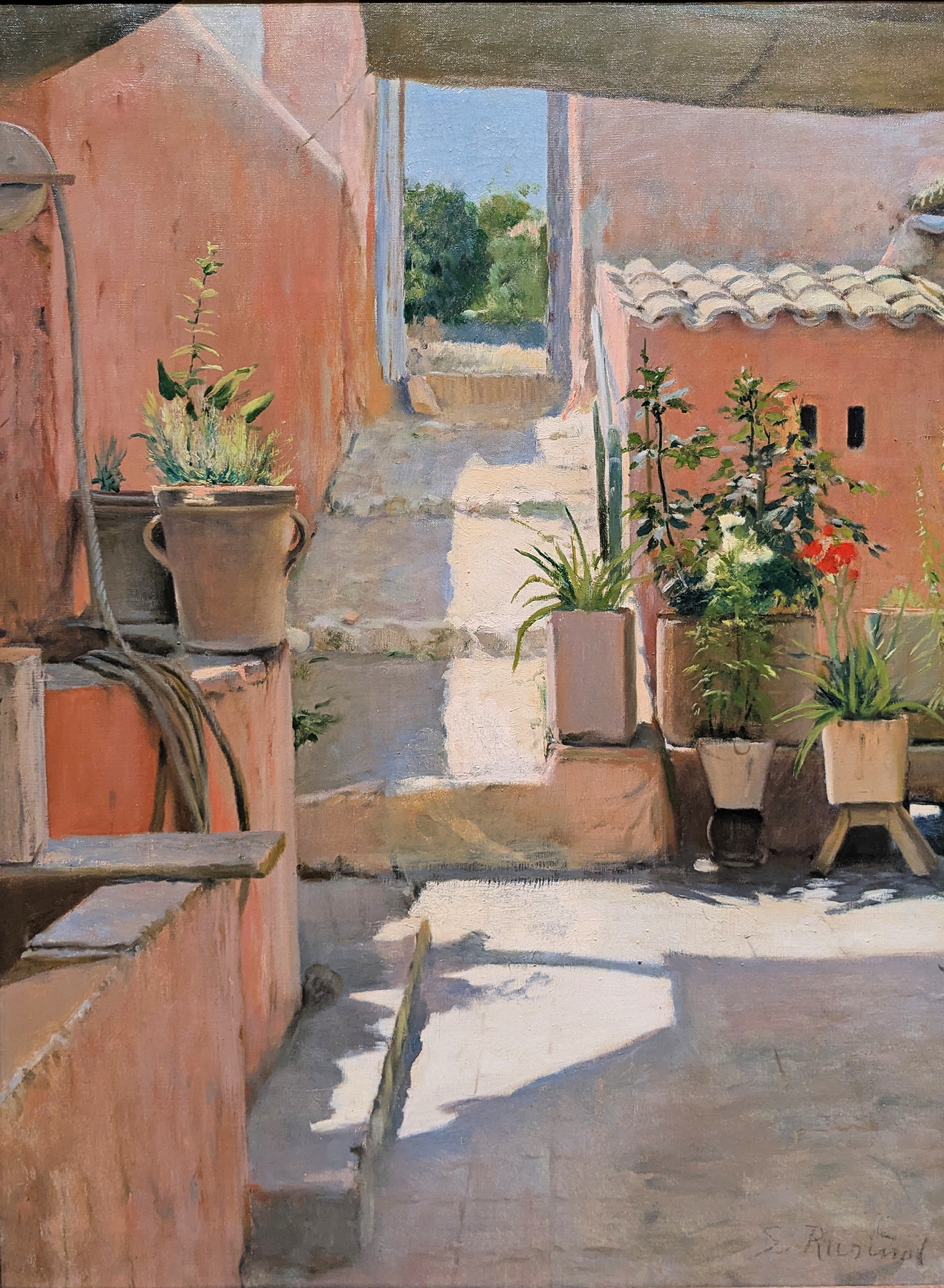
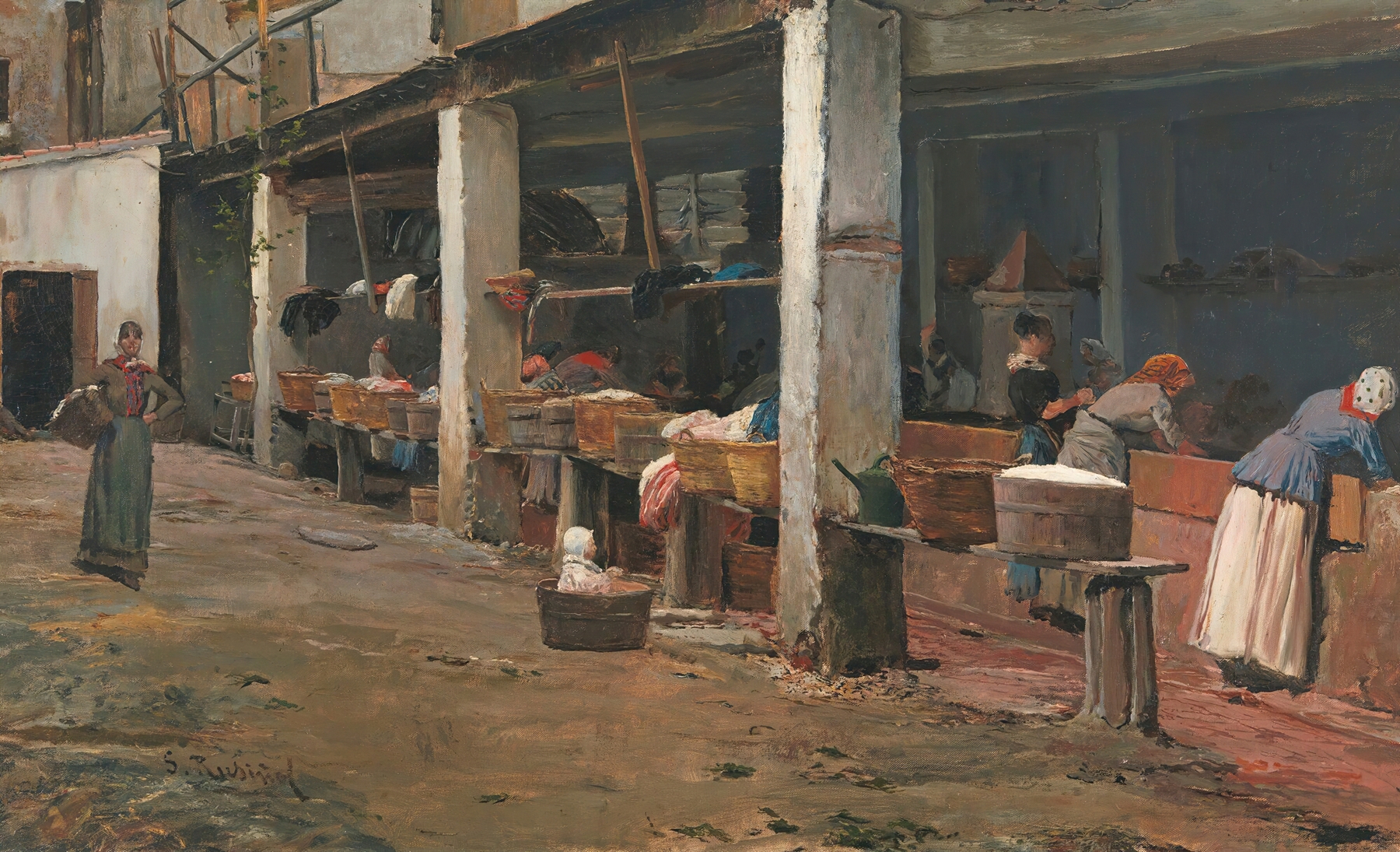
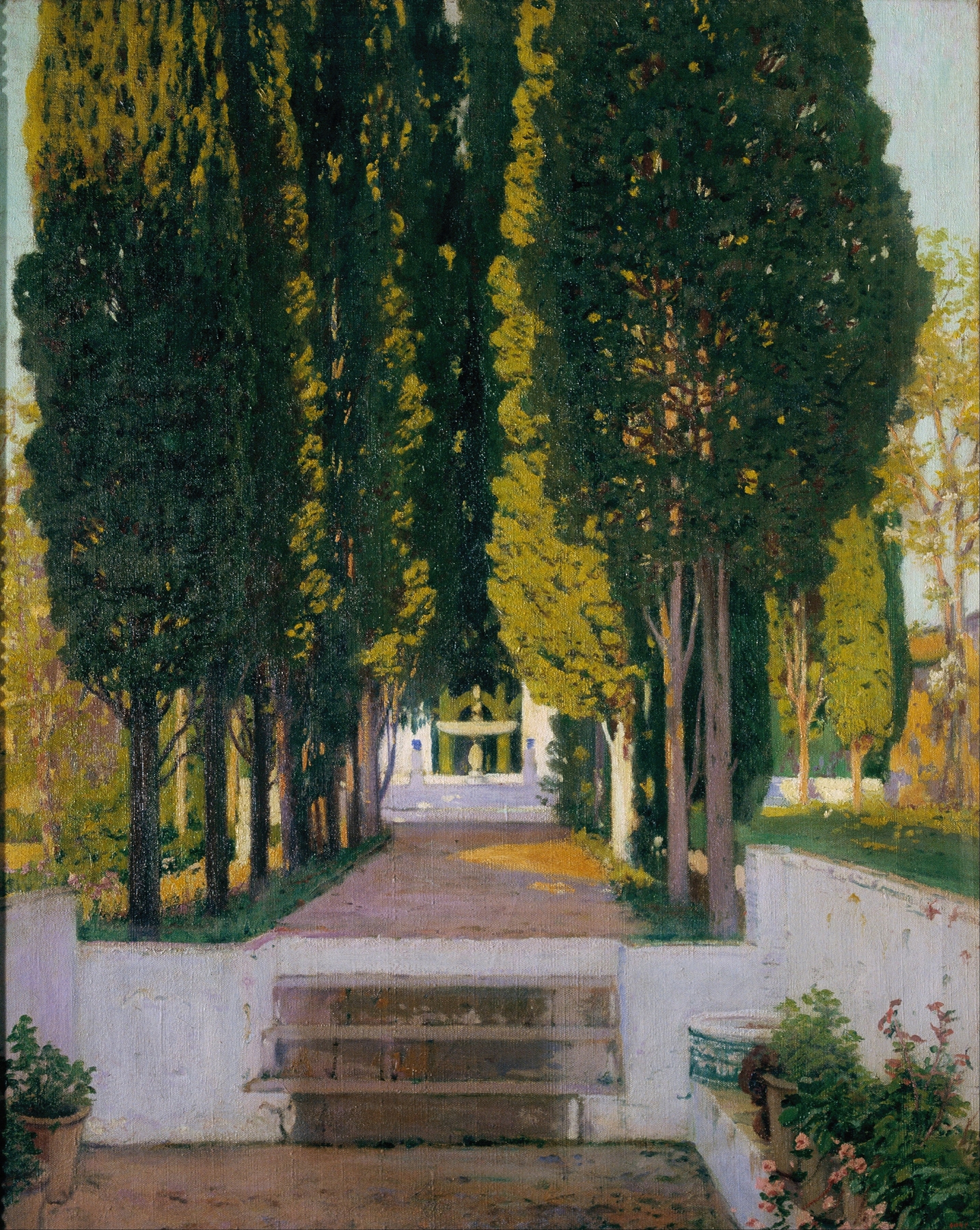
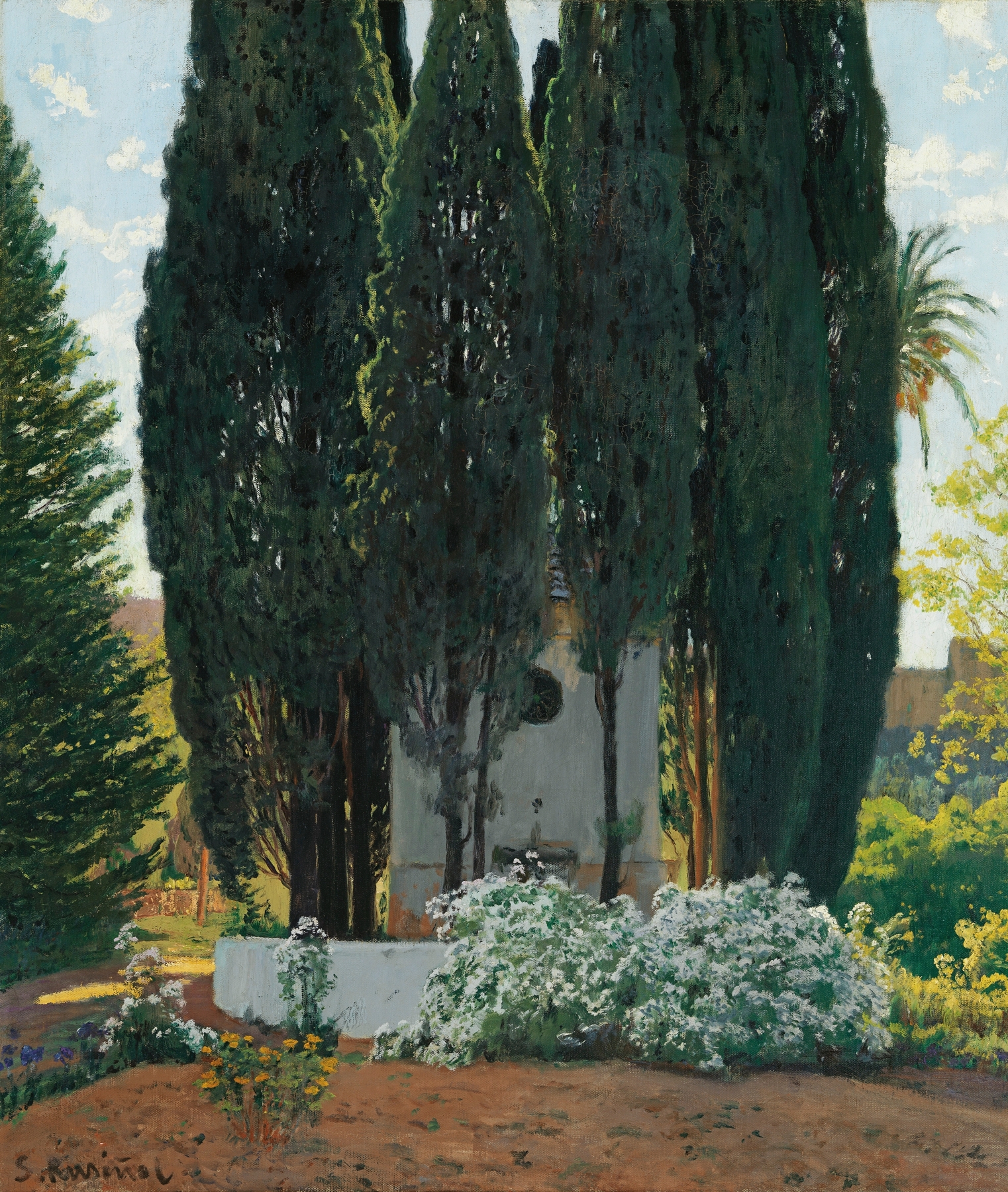
“The canvas doesn’t lie — it simply waits.” In moments of stillness, it holds the promise of rebirth, whispering secrets of quiet transformations yet to unfold. Look to the left at the delicate interplay of azure tones, where sunlight cascades upon the courtyard, illuminating the terracotta tiles and inviting shadows to dance across the scene. The structure stands modestly, framed by vibrant greens that call attention to the lush foliage. Notice how Rusiñol employs soft brushstrokes that lend a dreamlike quality, blending colors seamlessly, creating an atmosphere that speaks of leisurely afternoons and contemplative solitude.
Yet beneath the tranquil exterior lies a deeper narrative — the contrast between the vibrant outdoor life and the stillness of the enclosed space suggests an eternal cycle of renewal. The abundance of blooming flowers hints at new beginnings, while the building itself represents the remnants of past journeys, both personal and artistic. The choice of blue invokes not only calm but also an emotional depth, encouraging viewers to reflect on their own paths of growth and rejuvenation.
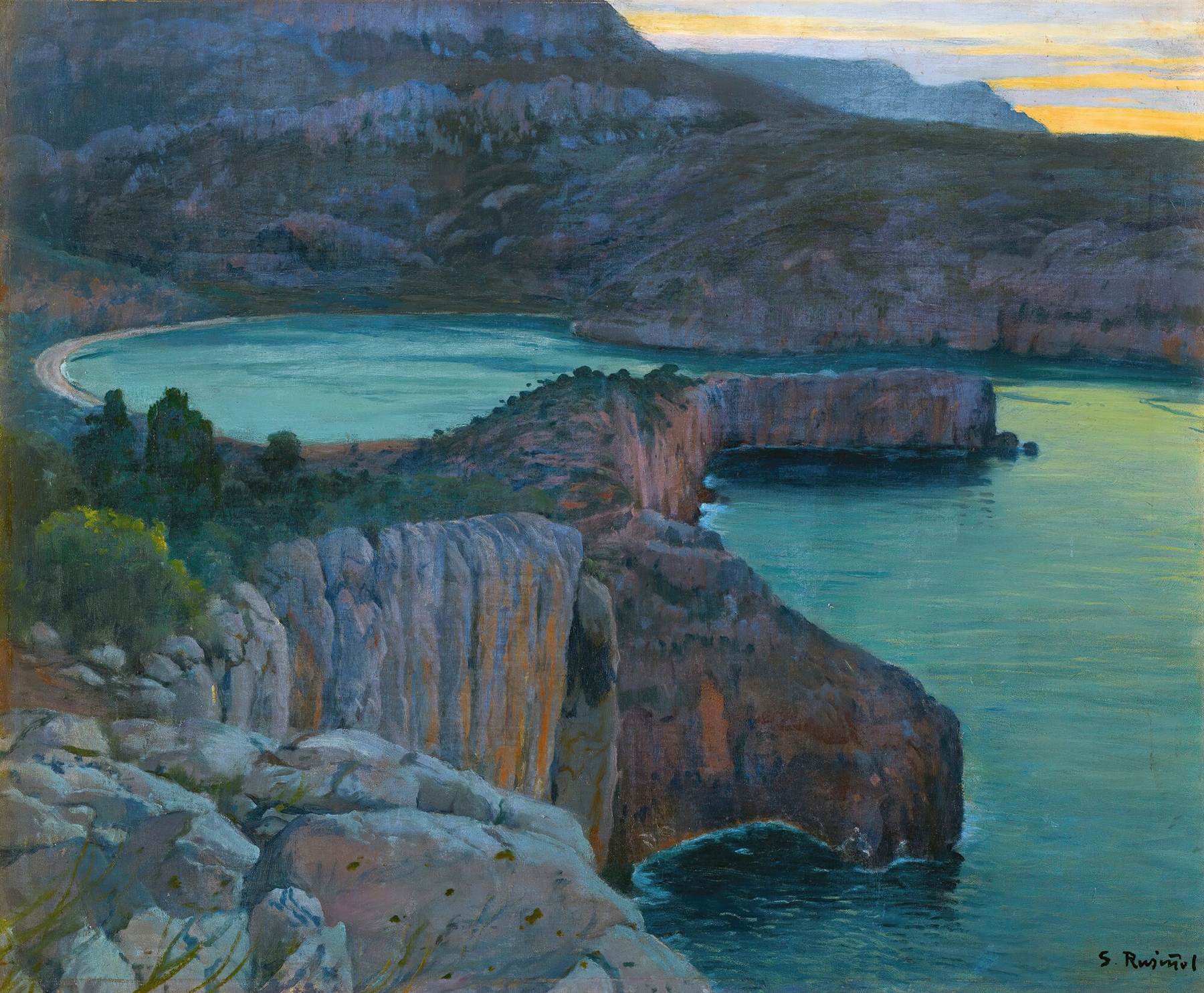
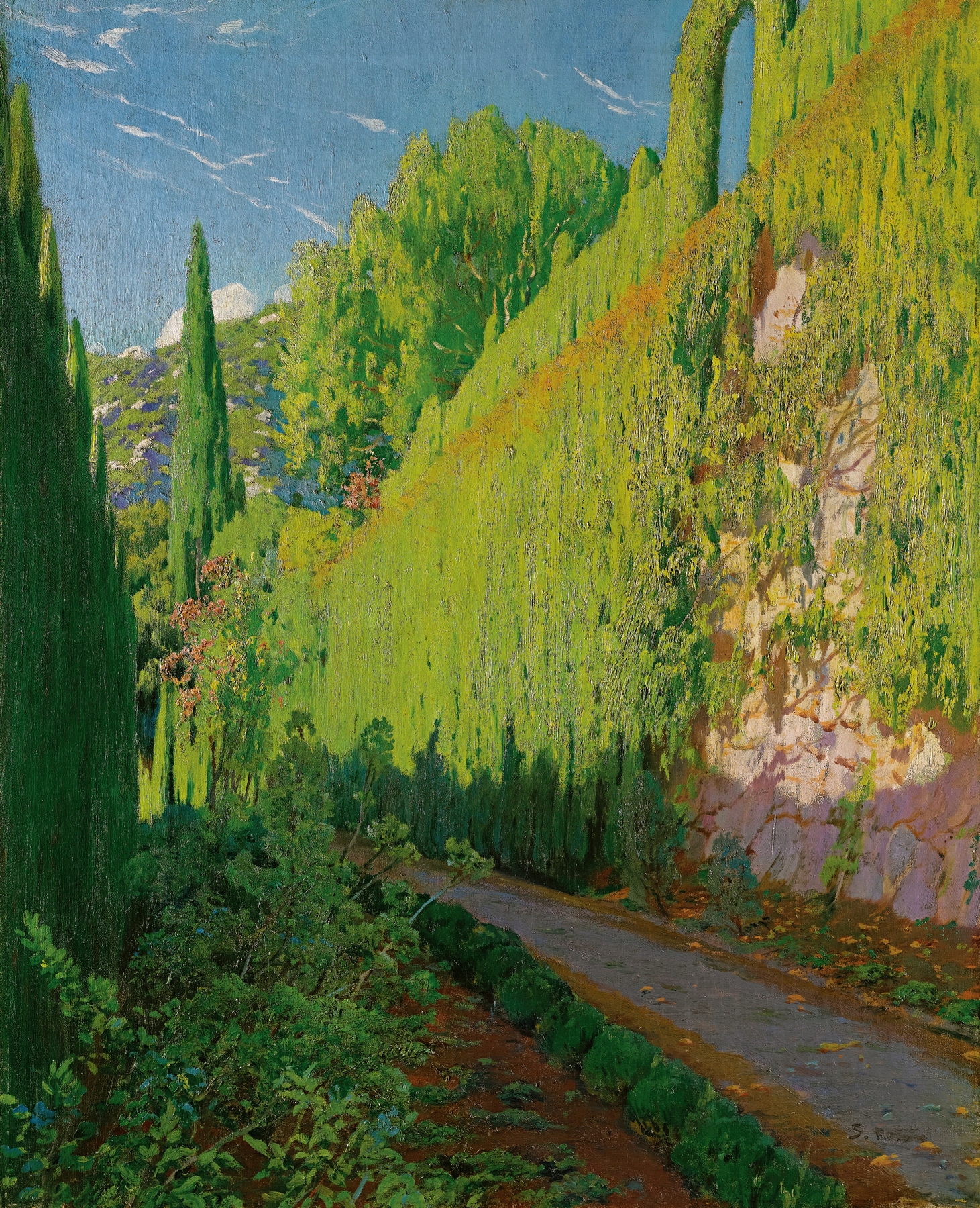
Created during the late 19th century, this piece reflects Rusiñol’s profound connection to nature and his exploration of the Catalan landscape. Living in Barcelona, he was at the forefront of a cultural movement that sought to break away from traditional artistic constraints, embracing modernism’s fluidity. This work embodies both a personal exploration and a collective awakening, capturing a moment where art becomes a vessel for renewal — much like the courtyard itself.