Gardens of the Generalife — History & Analysis
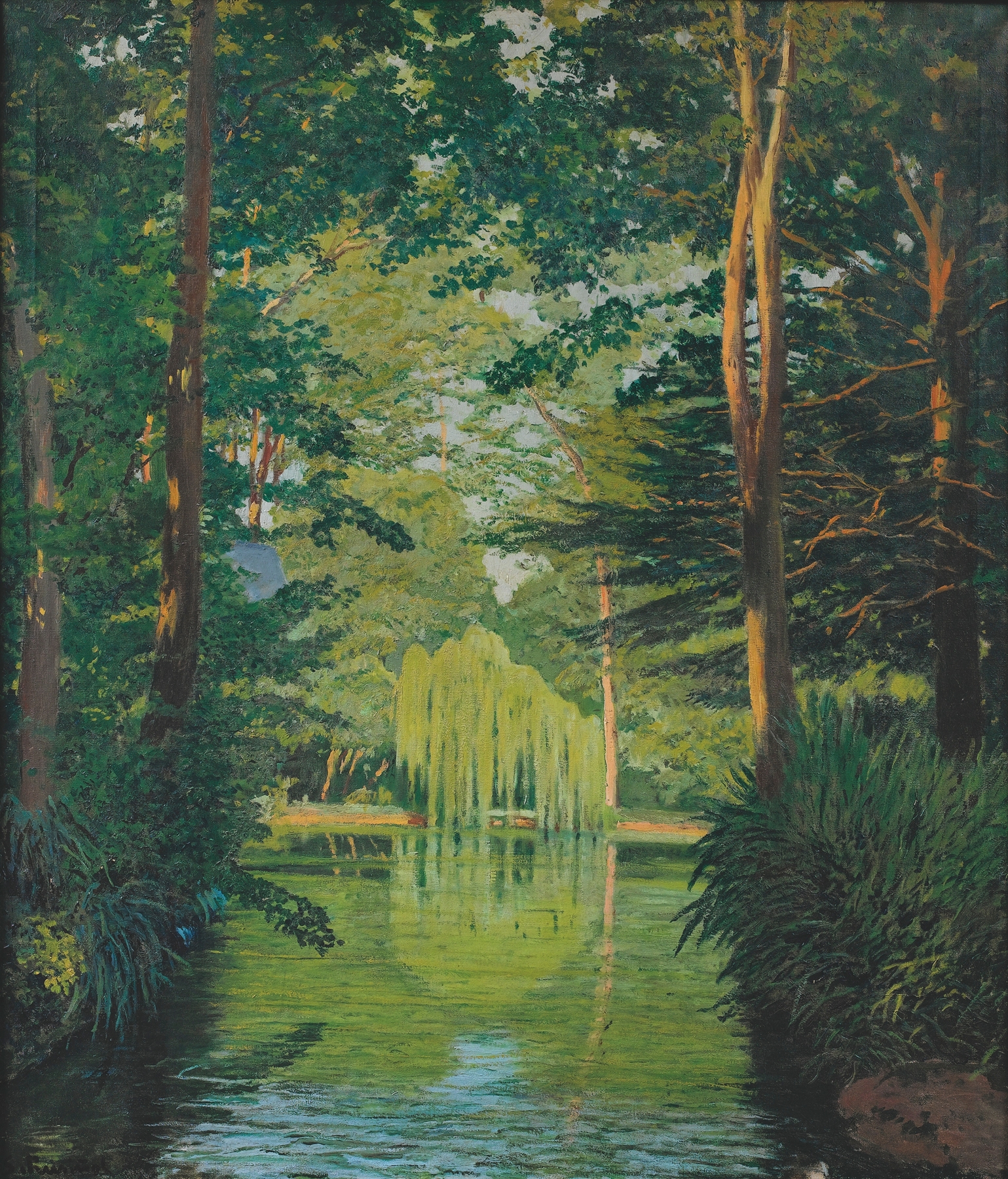
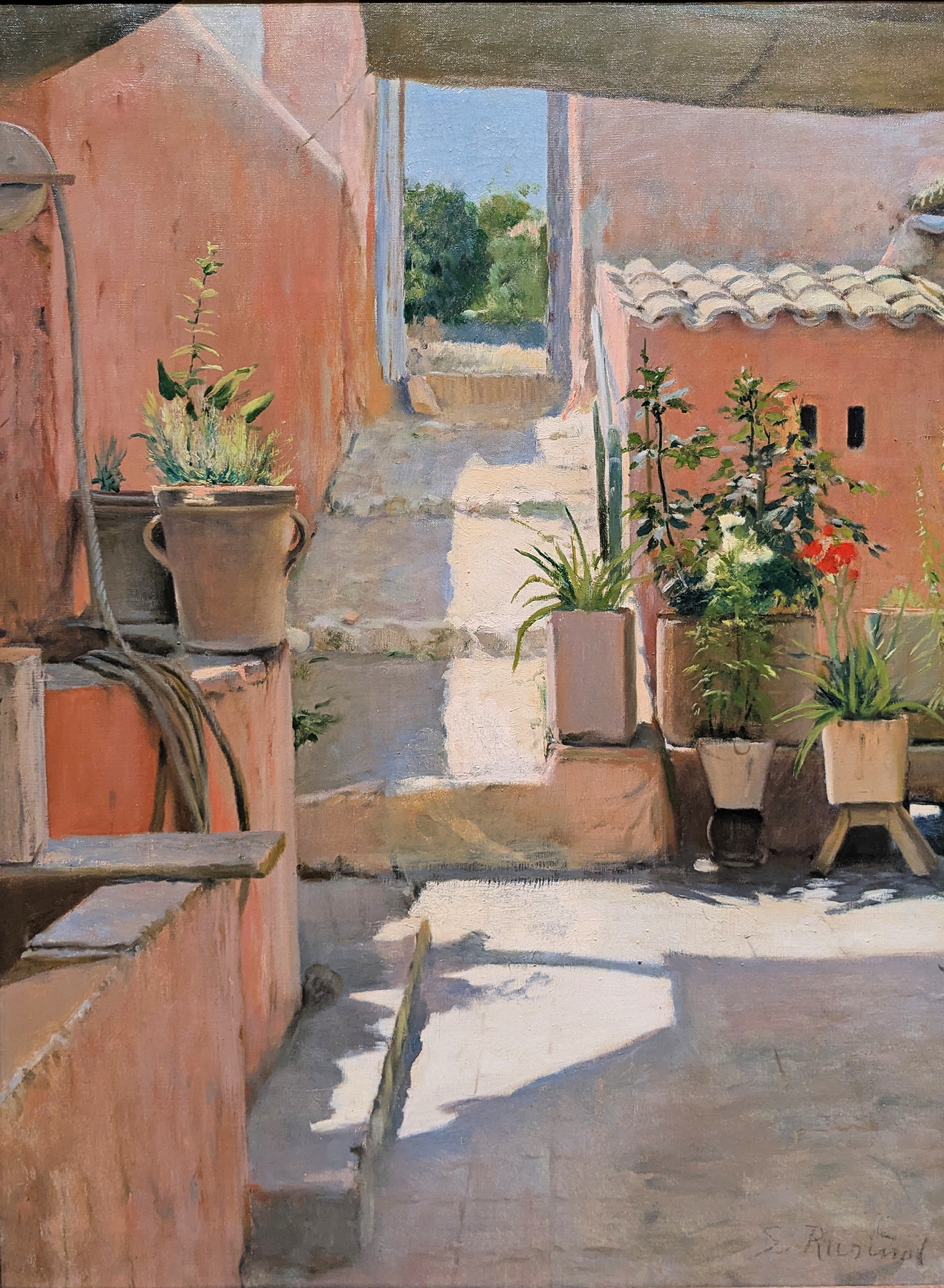
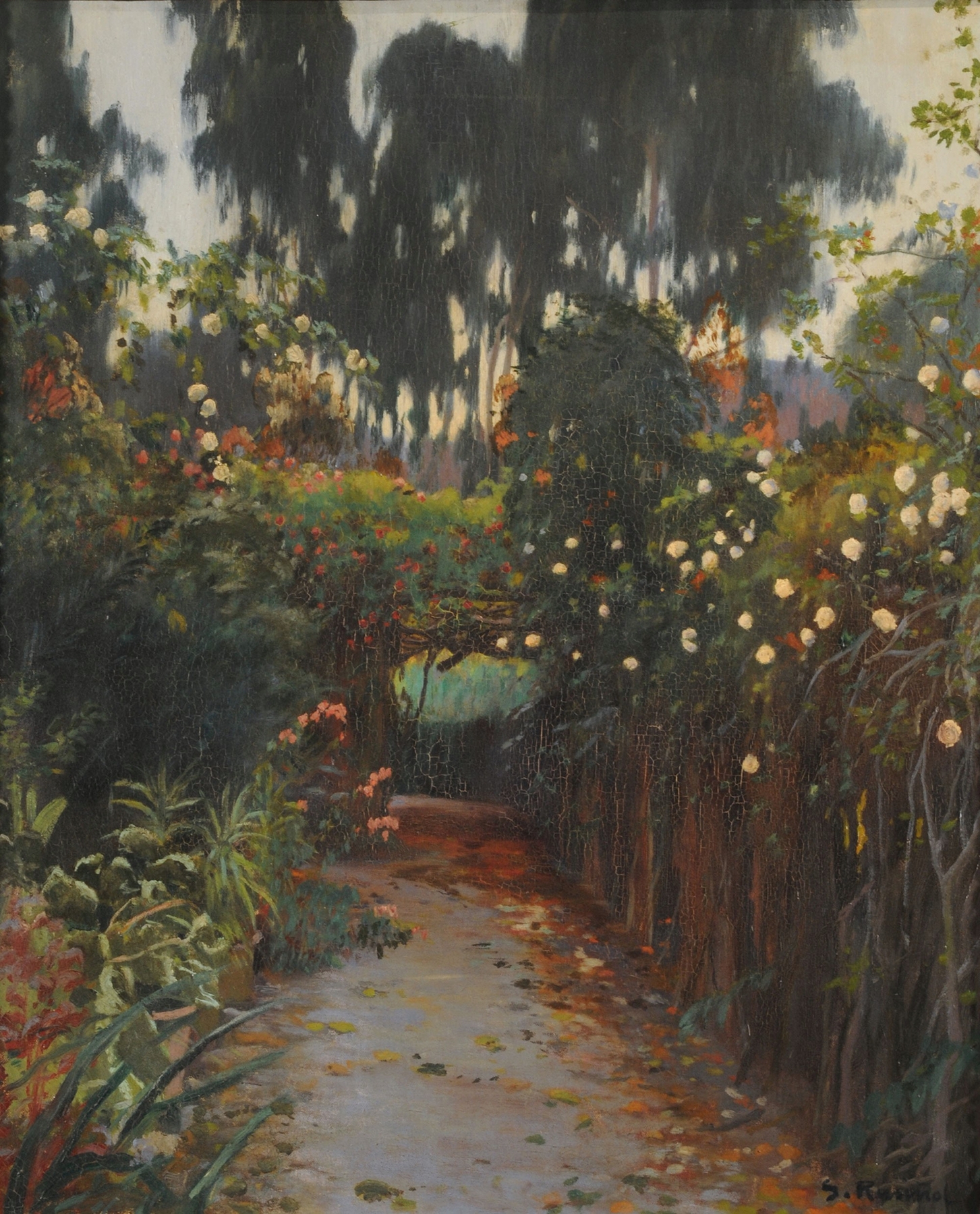
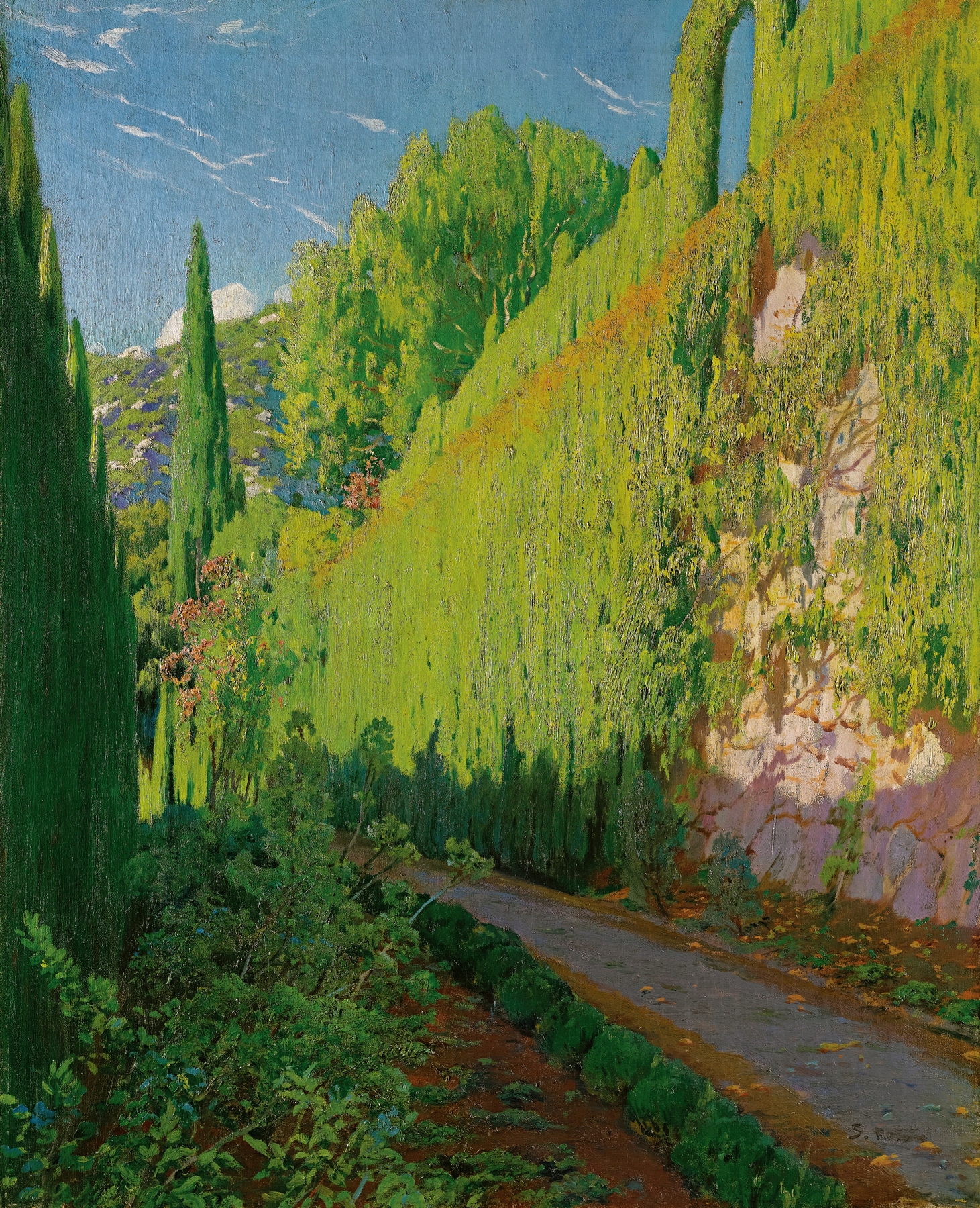
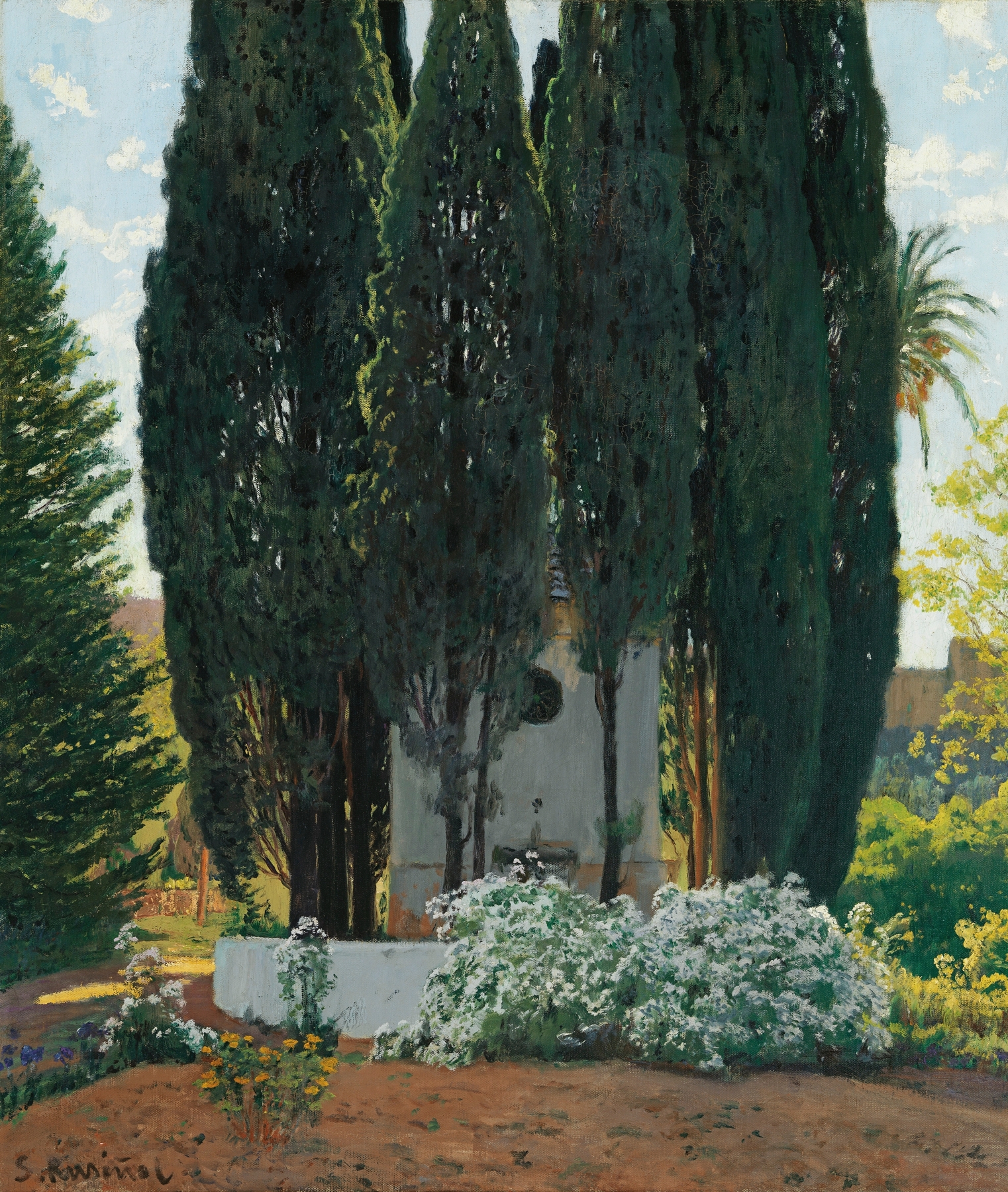
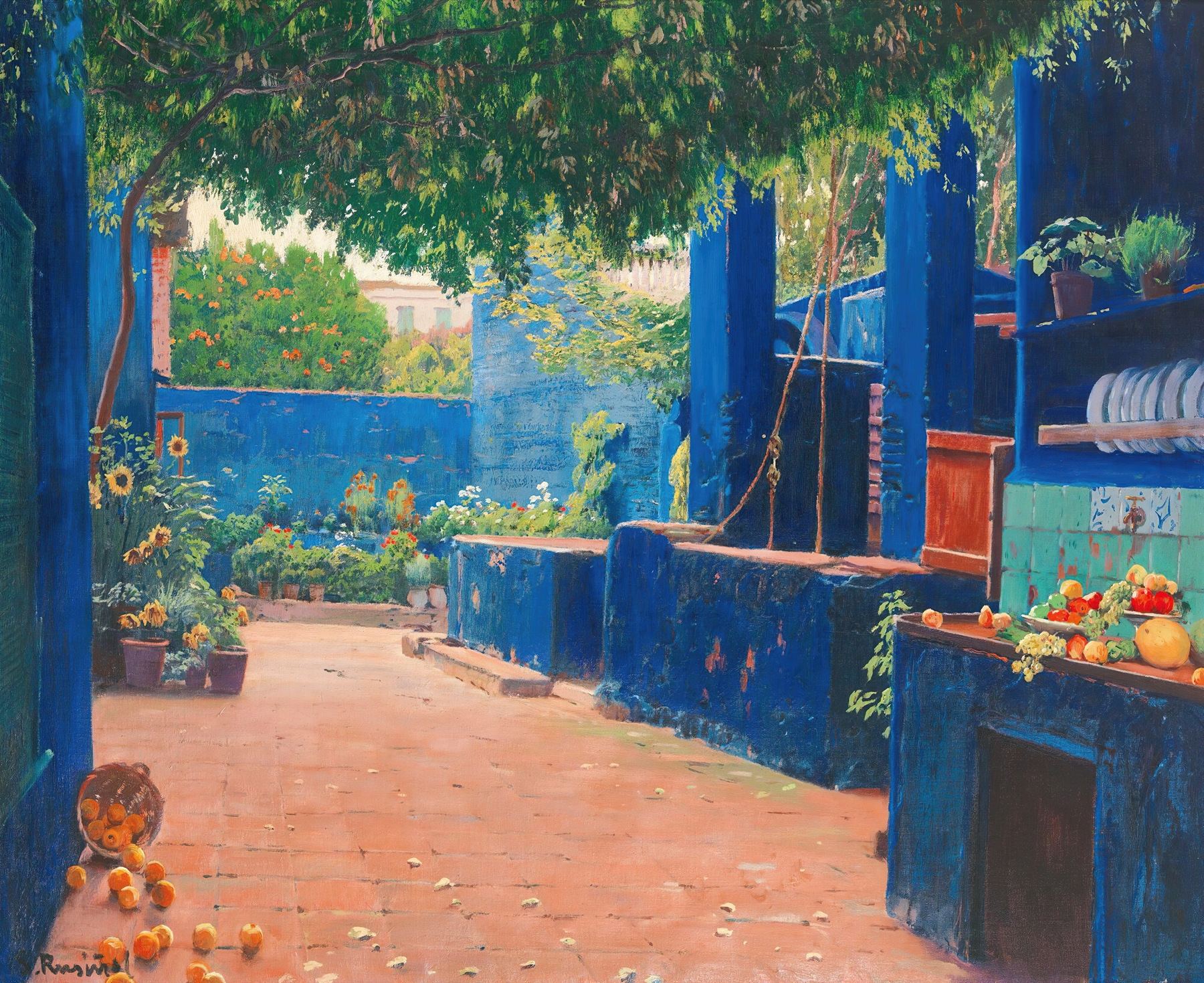
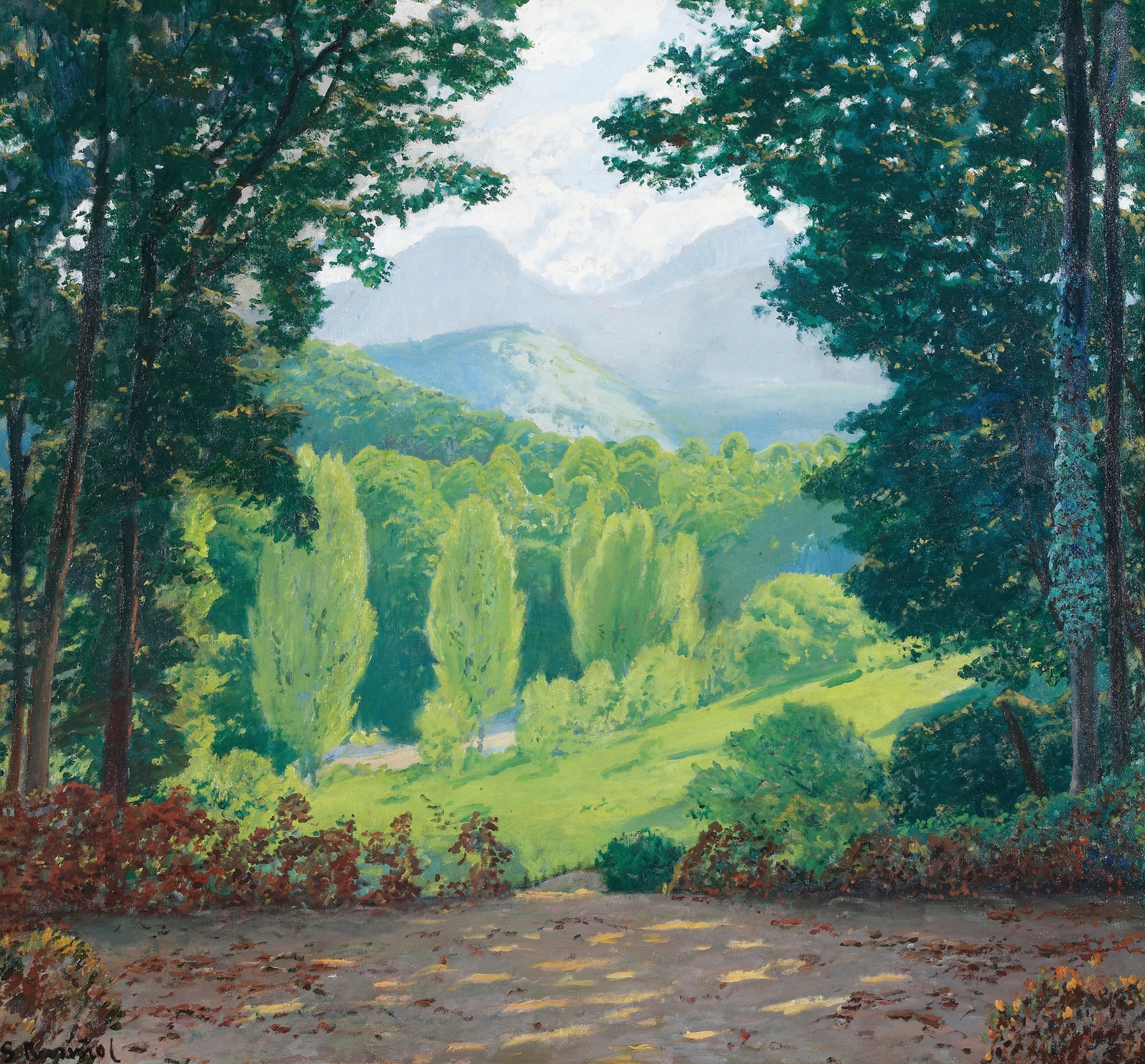
A soft breeze stirs the fragrant jasmine, carrying whispers of secrets wrapped in sunlight. In this moment, the vibrant colors of the Generalife gardens pulse with life, as flowers sway gently beneath a clear blue sky. A solitary figure meanders through the tranquility, eyes cast upward, as if searching for something beyond the earthly blooms around them. Look to the left, where splashes of crimson and gold draw you into the lush foliage of blossoms.
The artist’s brushstrokes dance with a fluidity that mimics nature itself, allowing the viewer to feel the gentle sway of the petals. The vibrant greens intermingle with the radiant pastel hues, and dappled light filters through the leaves, creating a play of shadows that invites exploration of the canvas's depth. Beneath the surface, the painting speaks of a deeper connection between humanity and nature. The solitary figure, though small against the expansive garden, embodies a quest for transcendence—a longing to escape the confines of reality.
The intermingling colors not only celebrate the beauty of the garden but also suggest the interplay of fleeting moments and the eternal cycle of life, evoking a sense of serenity amid chaos. Santiago Rusiñol created this masterpiece in 1909 while living in Spain, during a time when the Symbolist movement was flourishing. This period marked his deep exploration of nature as a sanctuary, reflecting both personal experiences and broader artistic trends. The gardens of the Generalife served as a muse, capturing Rusiñol's fascination with beauty and the ephemeral, a poignant reflection of his artistic journey.