Lavaderos De La Barceloneta — History & Analysis
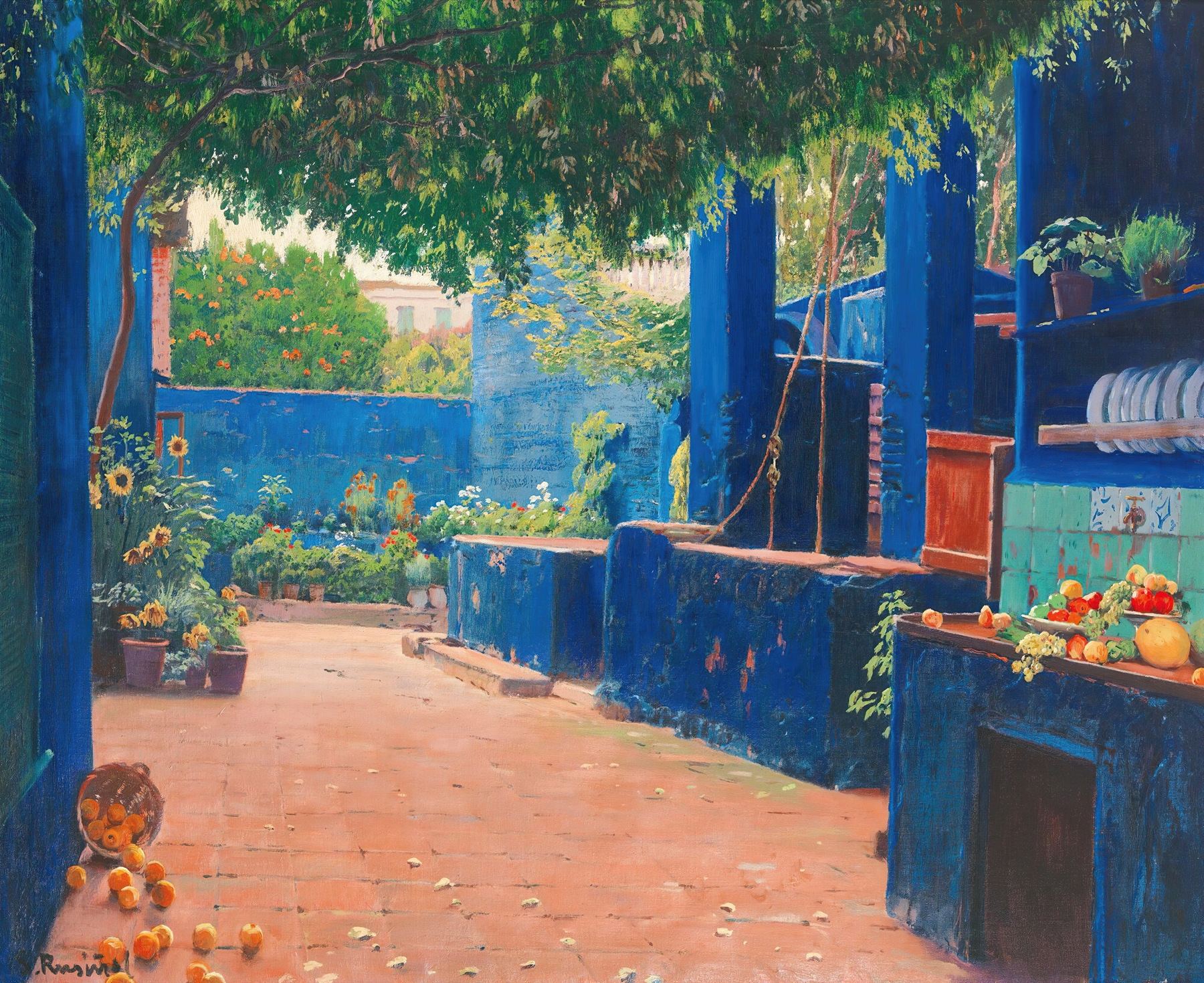
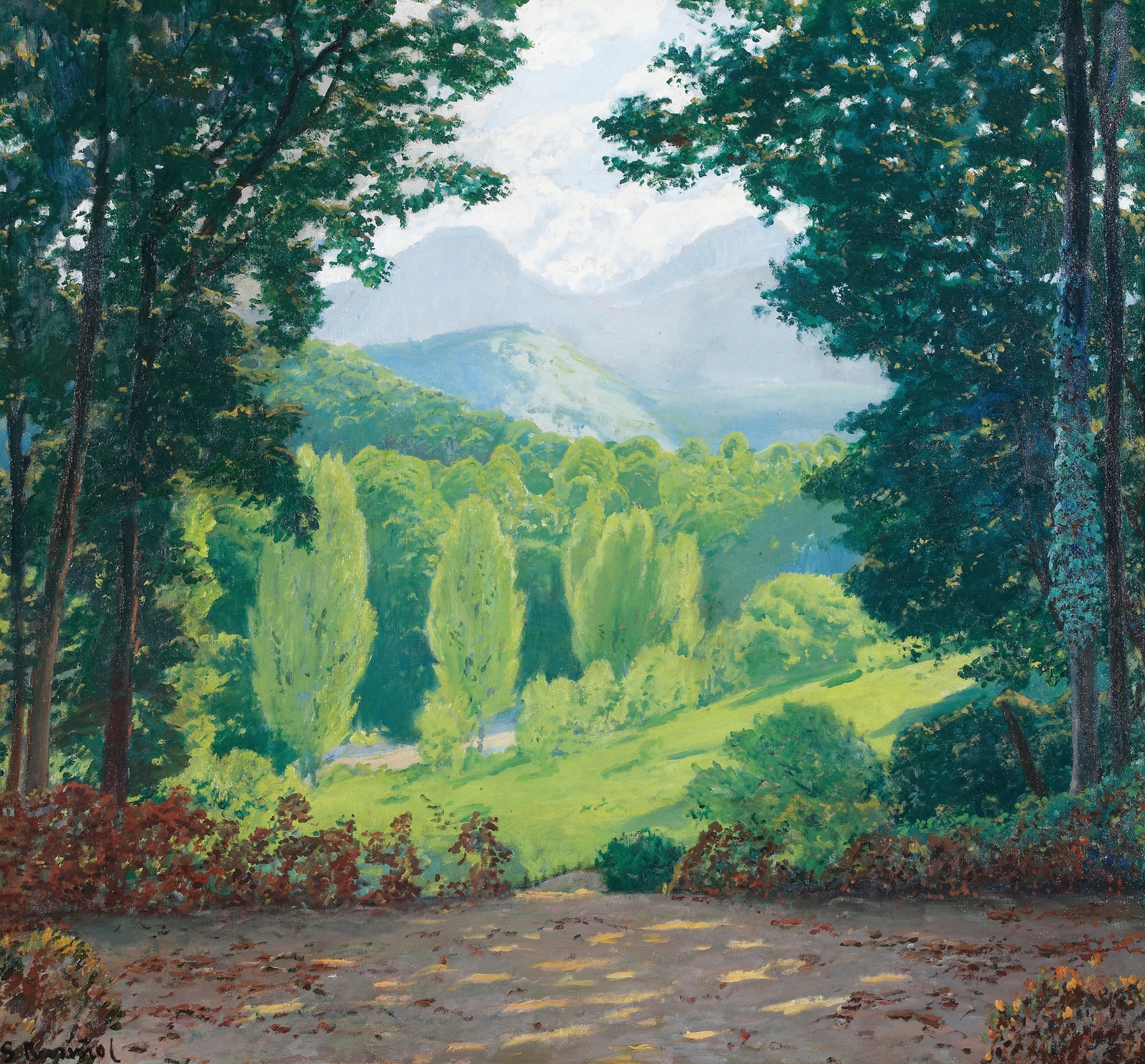
Who listens when art speaks of silence? In Lavaderos De La Barceloneta, the vibrant hues and tranquil imagery invite contemplation, inviting viewers into a world where color narrates untold stories. Focus first on the deep blues and cerulean shades that dominate the canvas, mirroring the waters of the nearby Mediterranean. Notice how these colors contrast with the warm, sunlit ochres of the buildings, creating a dialogue between the coolness of the sea and the warmth of human presence.
The composition draws your gaze toward the washing place itself, where women, clad in muted garments, perform their daily rituals, their figures gently silhouetted against the rich backdrop of Barcelona's architecture. Delve deeper, and you’ll uncover the emotional undercurrents of the scene. The interaction among the women conveys a sense of community and shared labor, yet there is an underlying serenity that speaks of solitude amidst routine. The gentle waves lapping at the edge and the soft reflections on the water emphasize this duality—life's incessant rhythm contrasted with moments of quiet reflection.
Each brushstroke tells a story of resilience, care, and an unspoken bond between the women and their environment. Created in the late 19th century, during a period of intense artistic exploration in Spain, this work exemplifies Santiago Rusiñol’s engagement with modernist themes. Rusiñol was immersed in the bohemian culture of Barcelona, seeking to capture the essence of everyday life through color and light. His focus on local scenes and the working-class experience marked a significant evolution in Spanish art, contributing to the broader narrative of Modernisme, while elevating humble subjects to the realm of artistic significance.