Camp of the naval brigade, before Sebastopol — History & Analysis
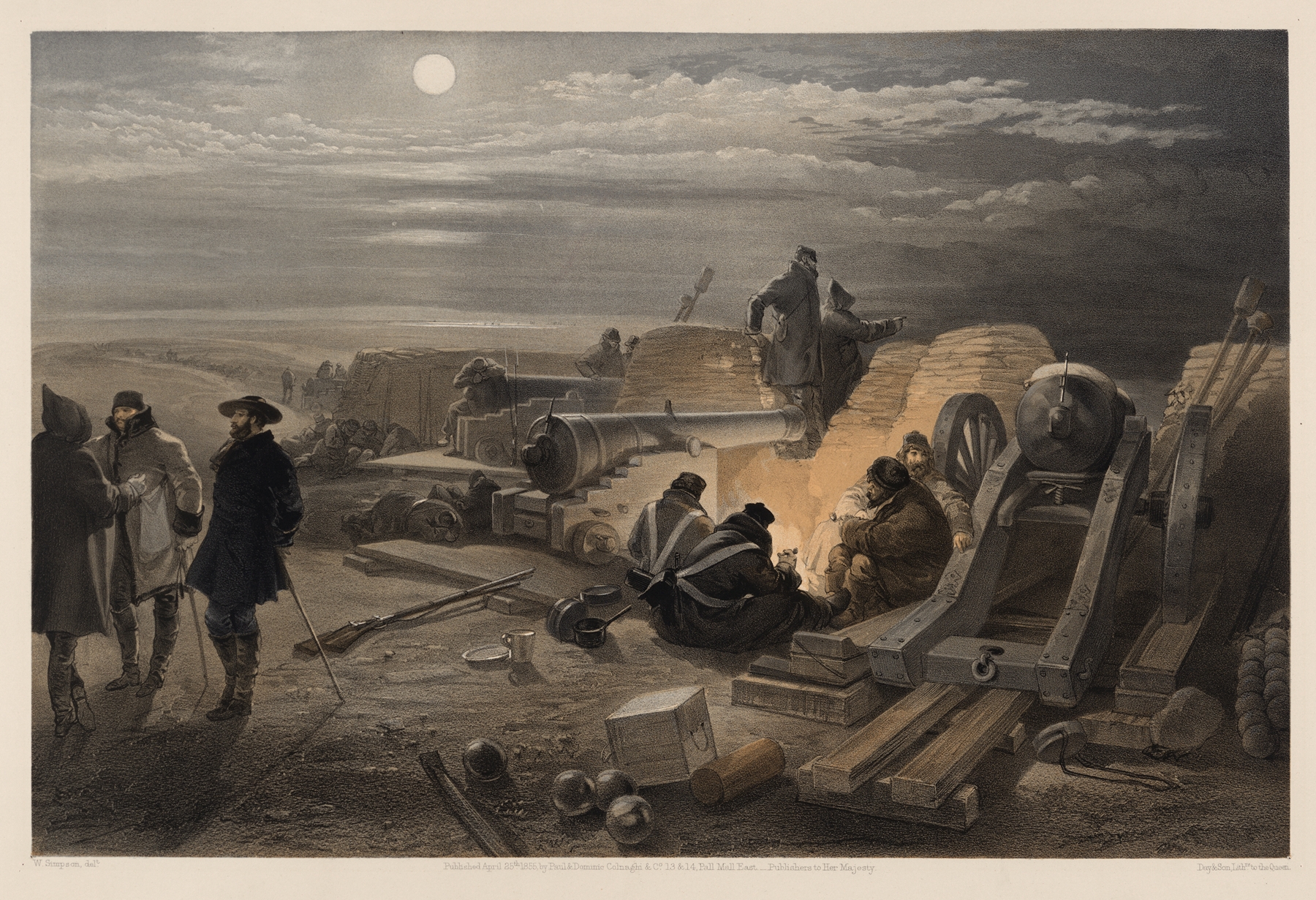
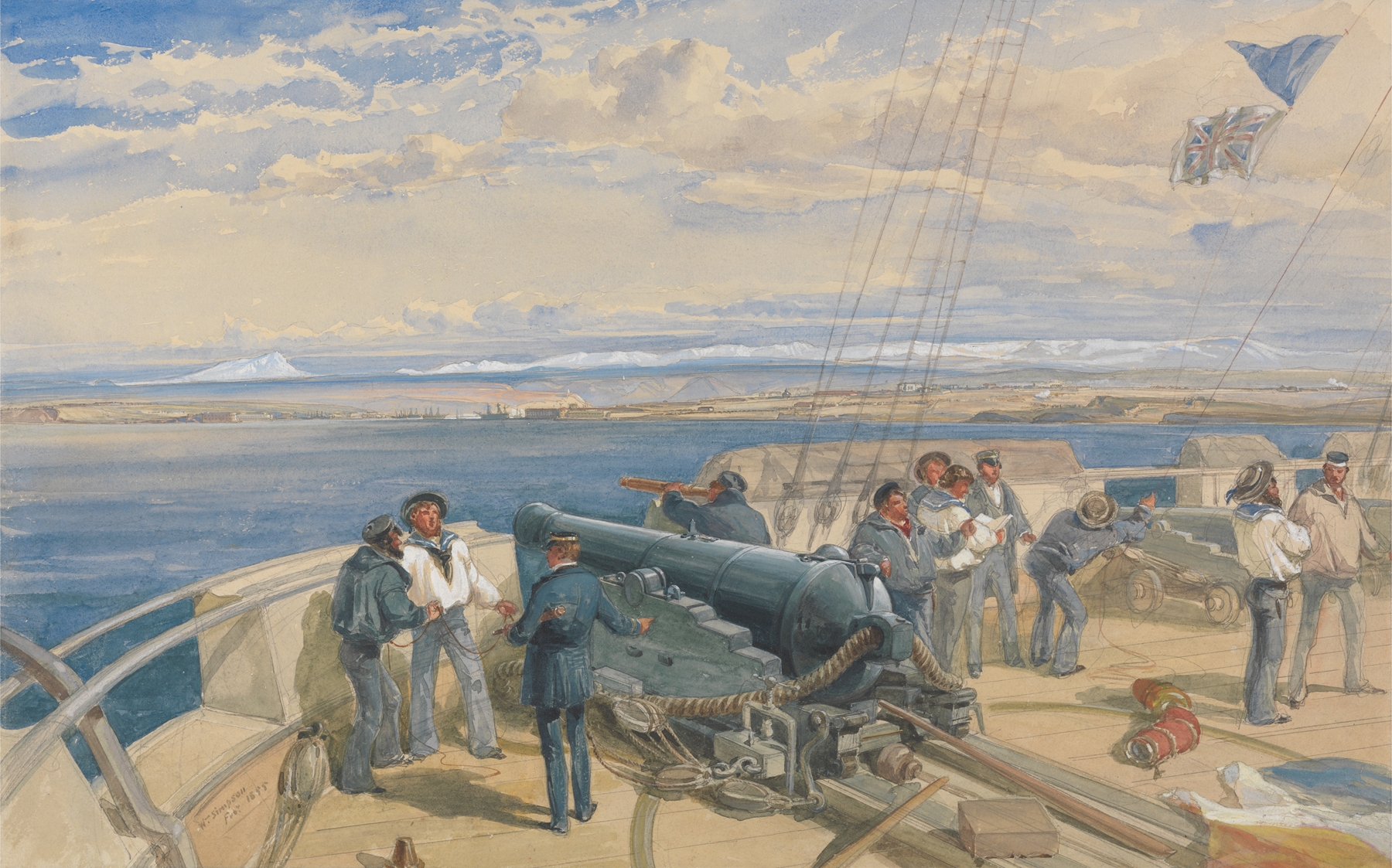
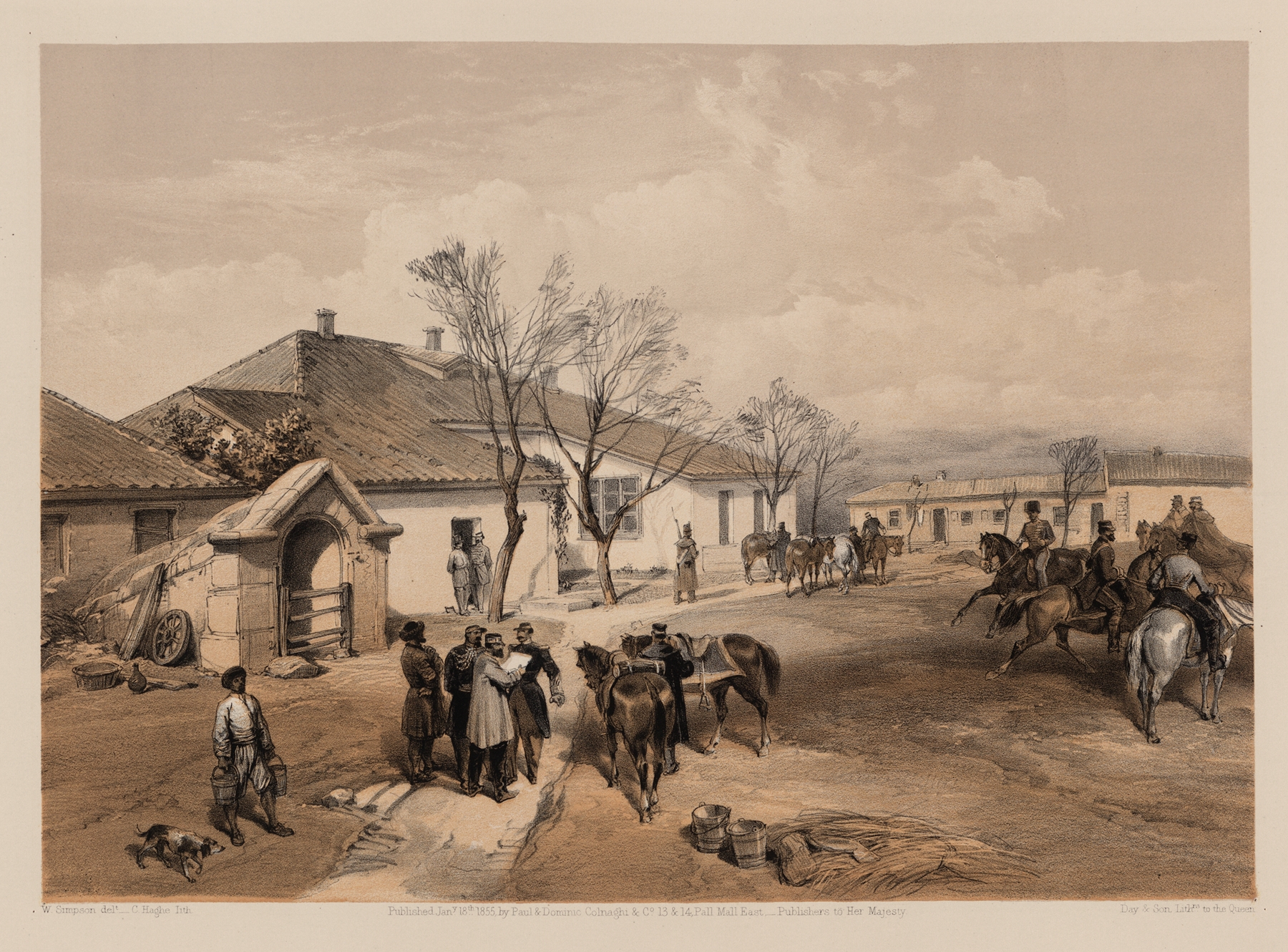
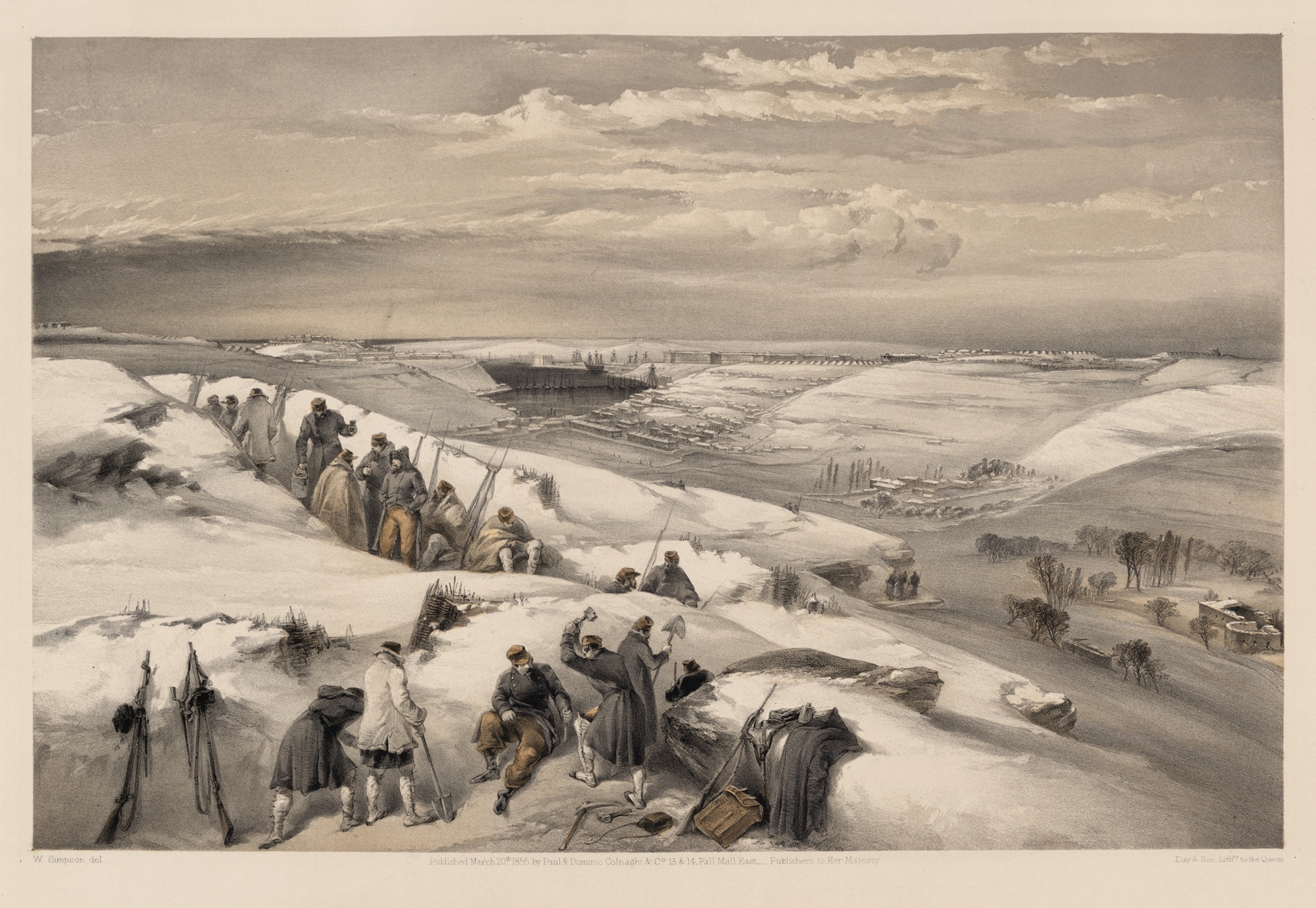
“Under the brush, chaos becomes grace.” In the hands of a master, the tumult of life becomes a dance, each stroke capturing a fleeting moment in time. Look to the center where the flurry of activity unfolds, a naval brigade bustling about their camp. The artist employs a warm palette of earth tones and muted greens, establishing a sense of camaraderie and urgency amidst the serene backdrop of Sebastopol. Notice how the light cascades over the soldiers, illuminating their faces and the fabric of their uniforms, giving life to the men engaged in their daily tasks.
Each figure is rendered with precision, yet the overall composition pulses with motion, as if caught in a lively tableau. Amidst the apparent chaos lies a deeper story of resilience. The juxtaposition of soldiers, unified in their duties, against the backdrop of a desolate landscape speaks to the tension between war’s brutality and the inherent humanity of those who fight. The distant smoke rising from the battlefield suggests both an impending threat and the stark reality of their existence.
Small yet poignant details, like the weary expressions or the spontaneous gestures of camaraderie, reveal a story of brotherhood and survival that transcends the noise of conflict. In 1855, while stationed in the Crimean War, the artist captured this scene during a time of great upheaval. As a war correspondent, he sought to document the realities faced by soldiers at the front line. The work not only reflects the artist’s commitment to portraying the truth of warfare but also aligns with a broader movement within art to depict modern life, a significant shift from romanticized portrayals of battle to authentic representations of human experience in dire circumstances.