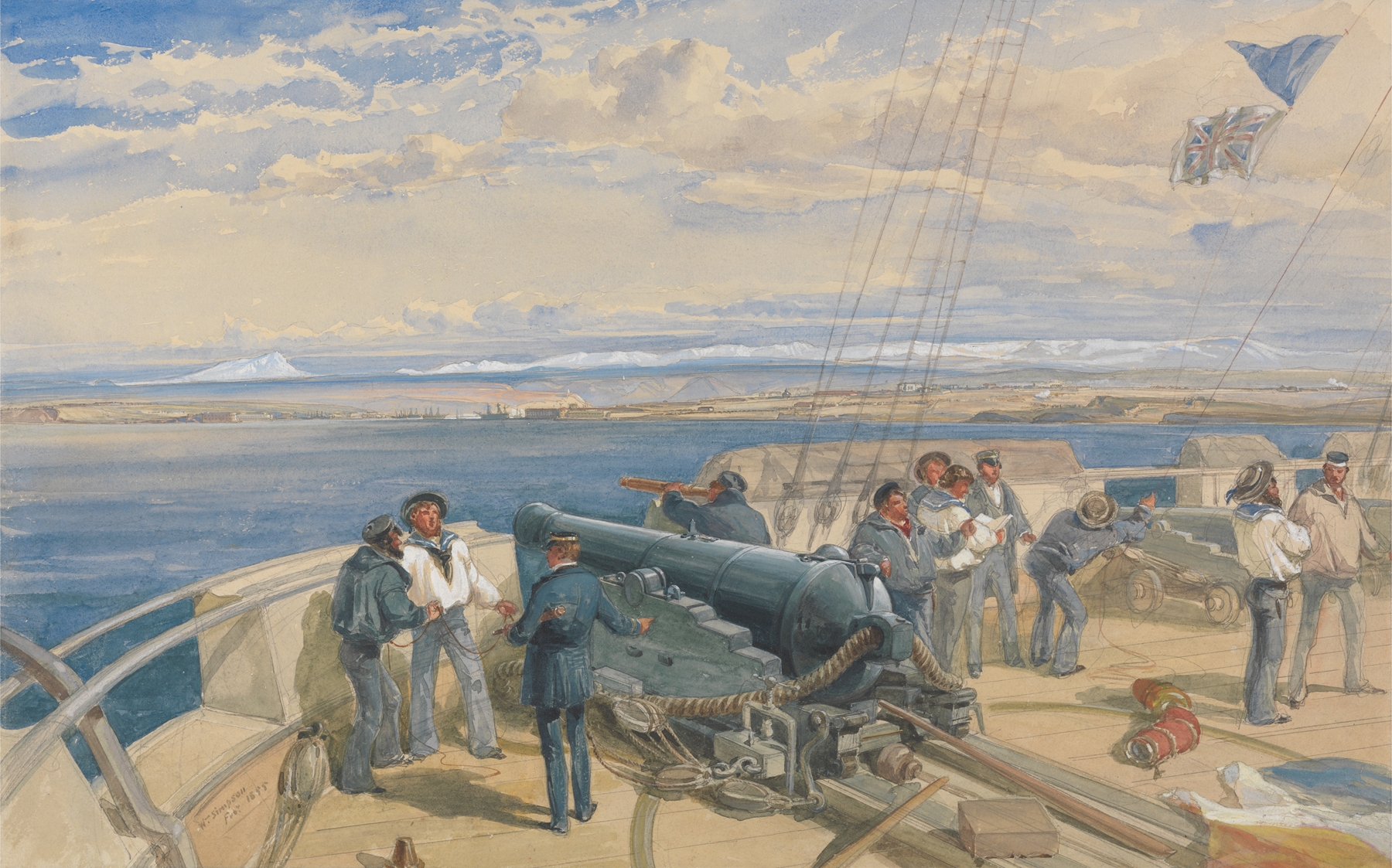
Sebastopol from the Sea, Sketched from the Deck of H. M. S. Sidon, Feb. 1855 — History & Analysis
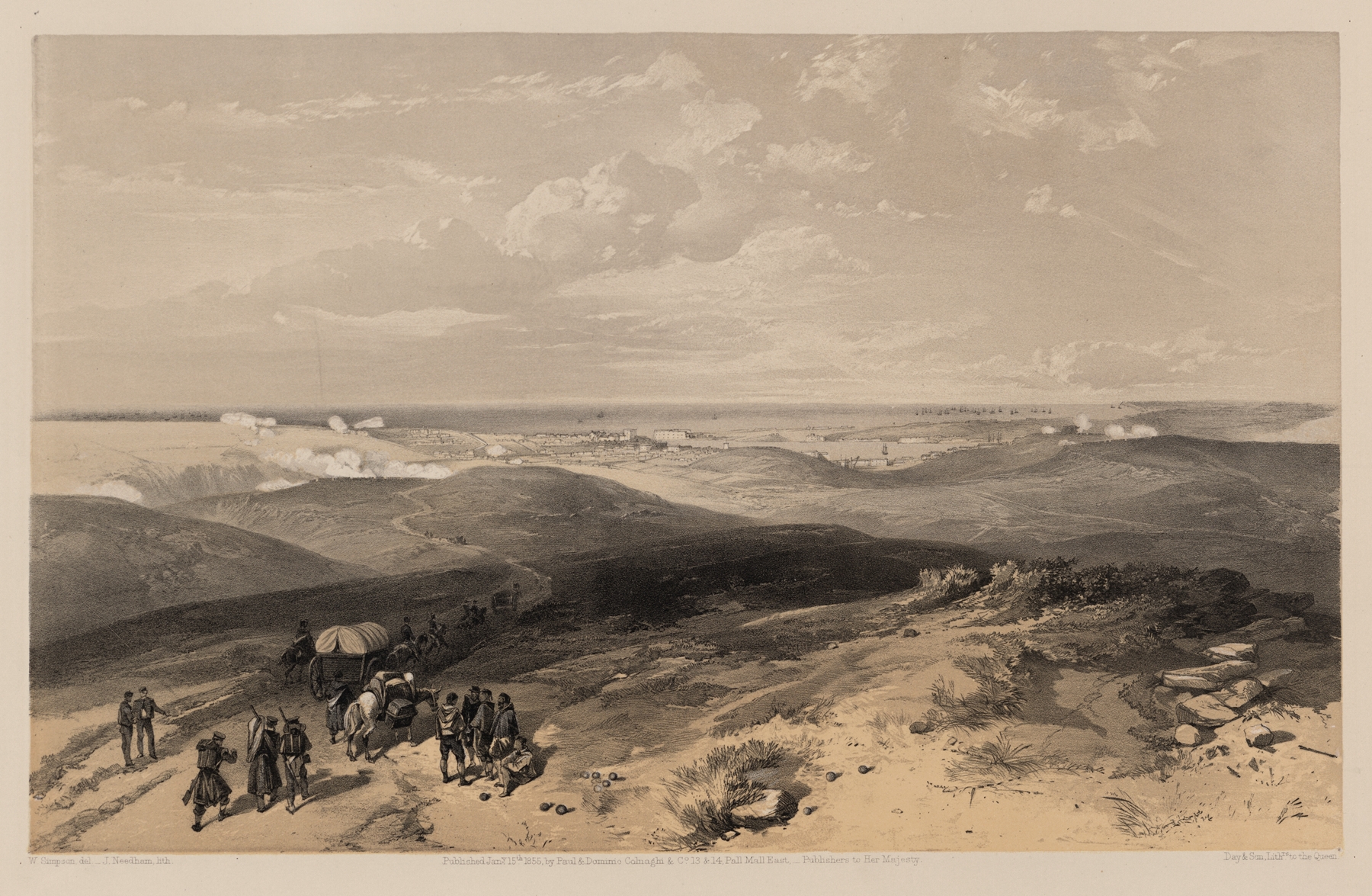
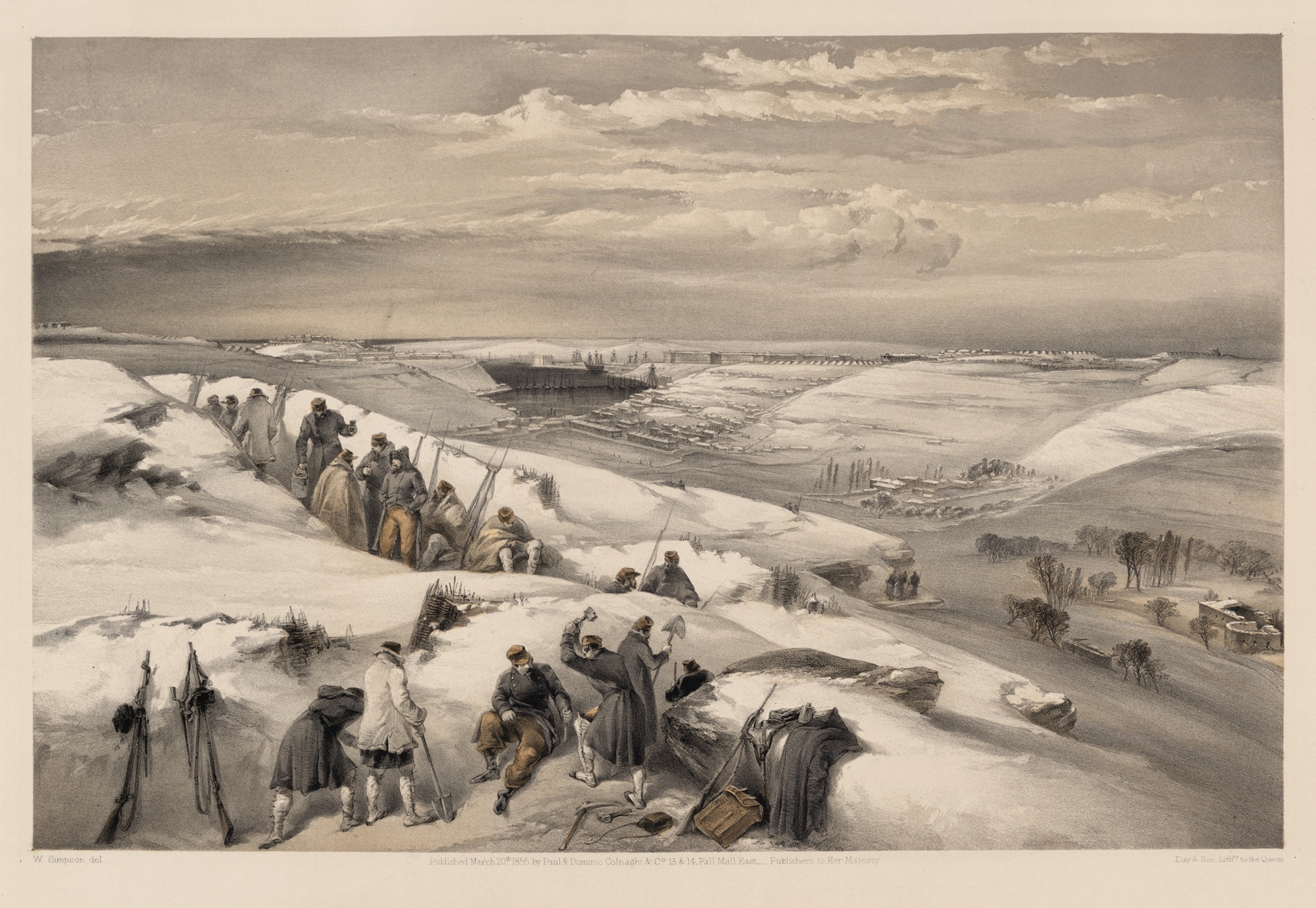
“Under the brush, chaos becomes grace.” In the turbulent throes of war, one finds not just despair, but flickers of hope that illuminate the darkest of moments. This artwork becomes a metaphor for resilience amid chaos, capturing the heart of a beleaguered city poised on the brink of transformation. Look closely at the sweeping vista before you; your gaze should first be drawn to the crumbling fortifications silhouetted against a tumultuous sky. The interplay of muted earth tones and striking blues evokes both the unrest of battle and the beauty of the sea. The delicate brushstrokes convey movement—the gentle lapping of waves and the distant smoke of conflict. This masterful technique invites you to feel the tension, the very air charged with anticipation. Amid the stark reality of siege, the painting reveals glimpses of human endurance. Notice the ships anchored in the foreground, steadfast despite the encroaching storm; they symbolize hope and resilience. The distant landscape, shadowed yet luminous, hints at renewal, suggesting that even in the darkest times, beauty can emerge from destruction. Each element pulsates with the potential for rebirth, inviting contemplation about the fragility and strength of the human spirit. In February 1855, William Simpson created this piece while aboard H.M.S. Sidon during the Crimean War. At this time, he was not only documenting the landscape but also responding to the broader currents of conflict that would shape Europe. His role as a war artist provided him with a unique lens to explore the dualities of devastation and hope, highlighting a pivotal moment as well as capturing the very essence of human resilience in art.