Canal Au Clair De Lune — History & Analysis
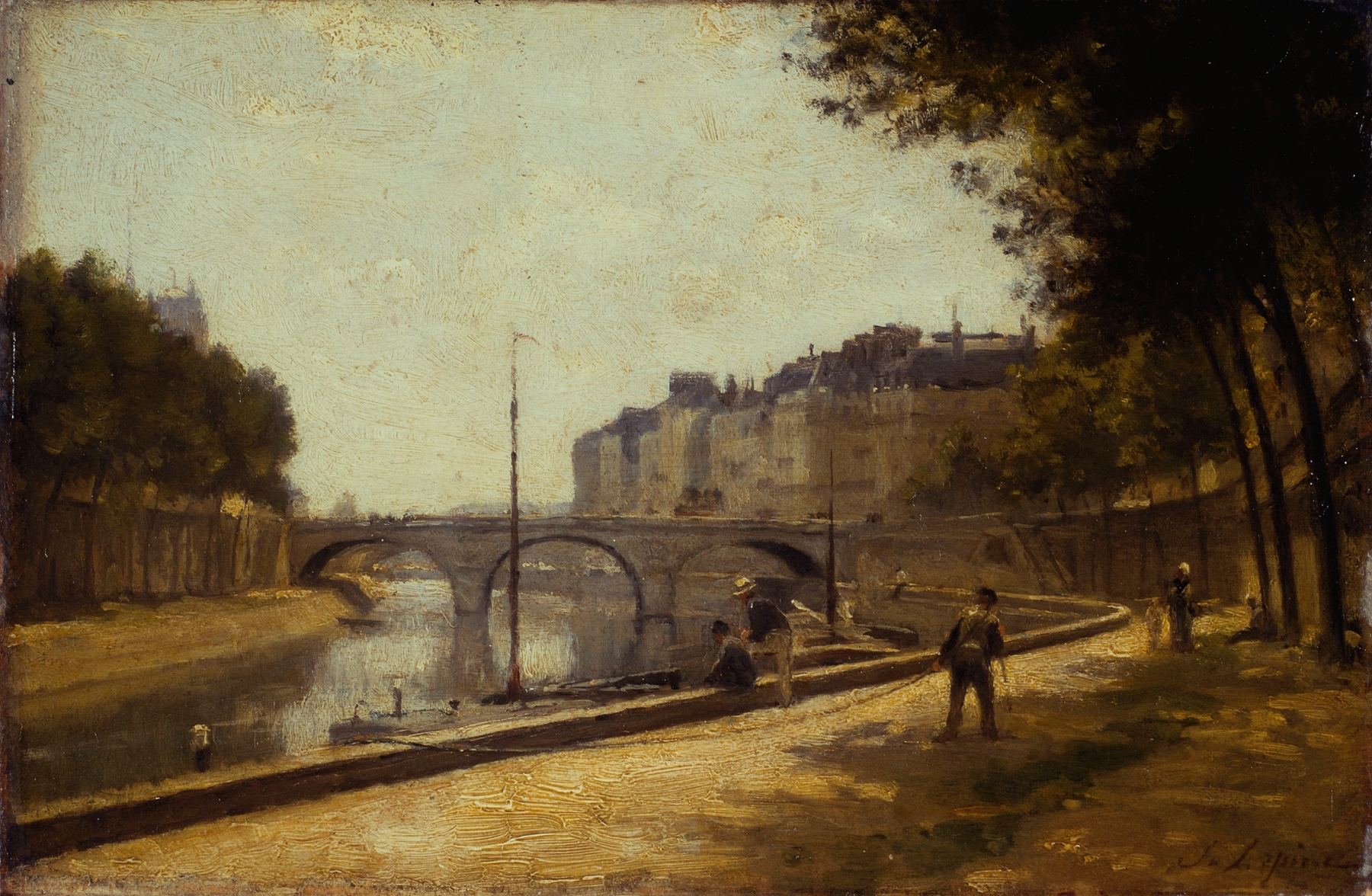
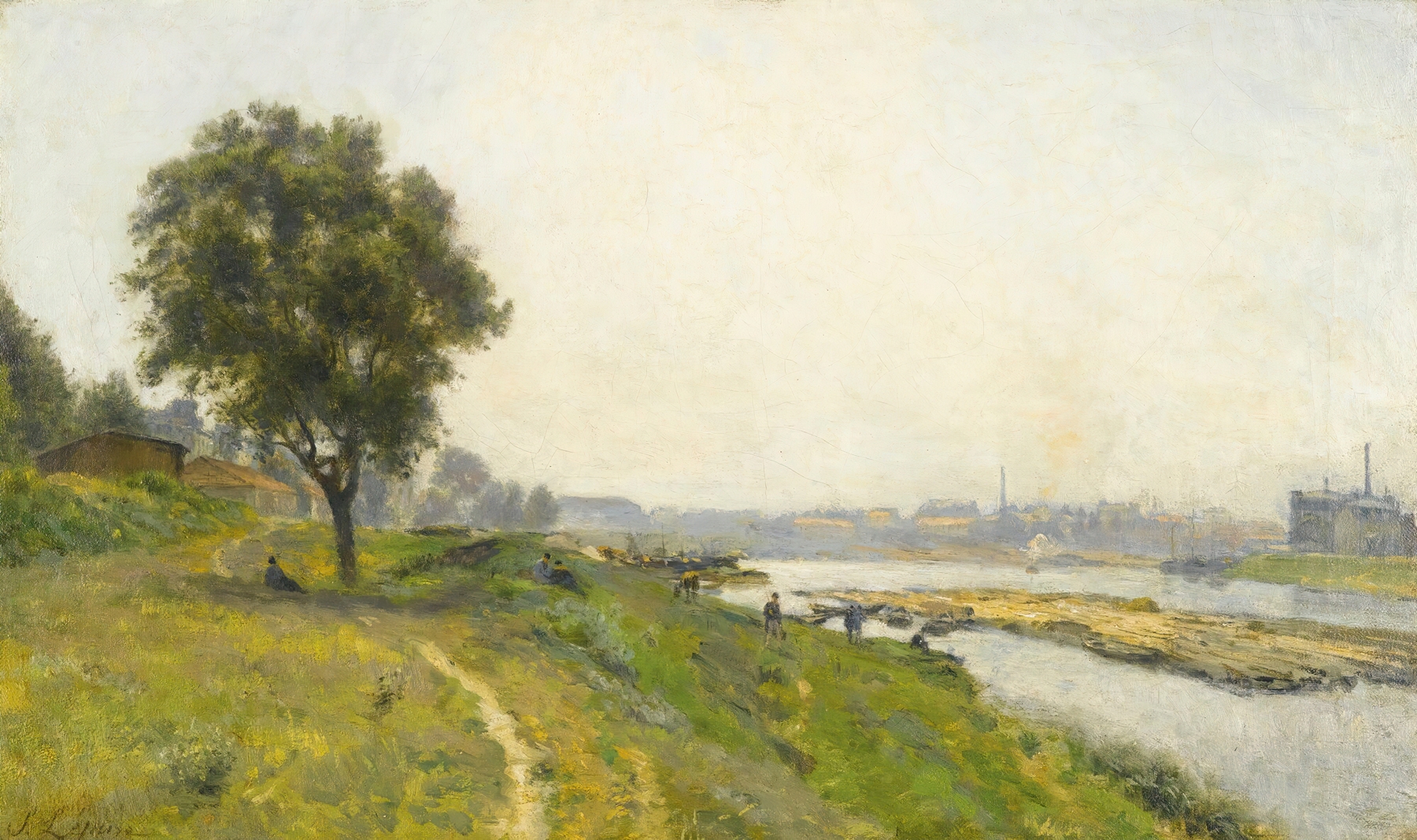
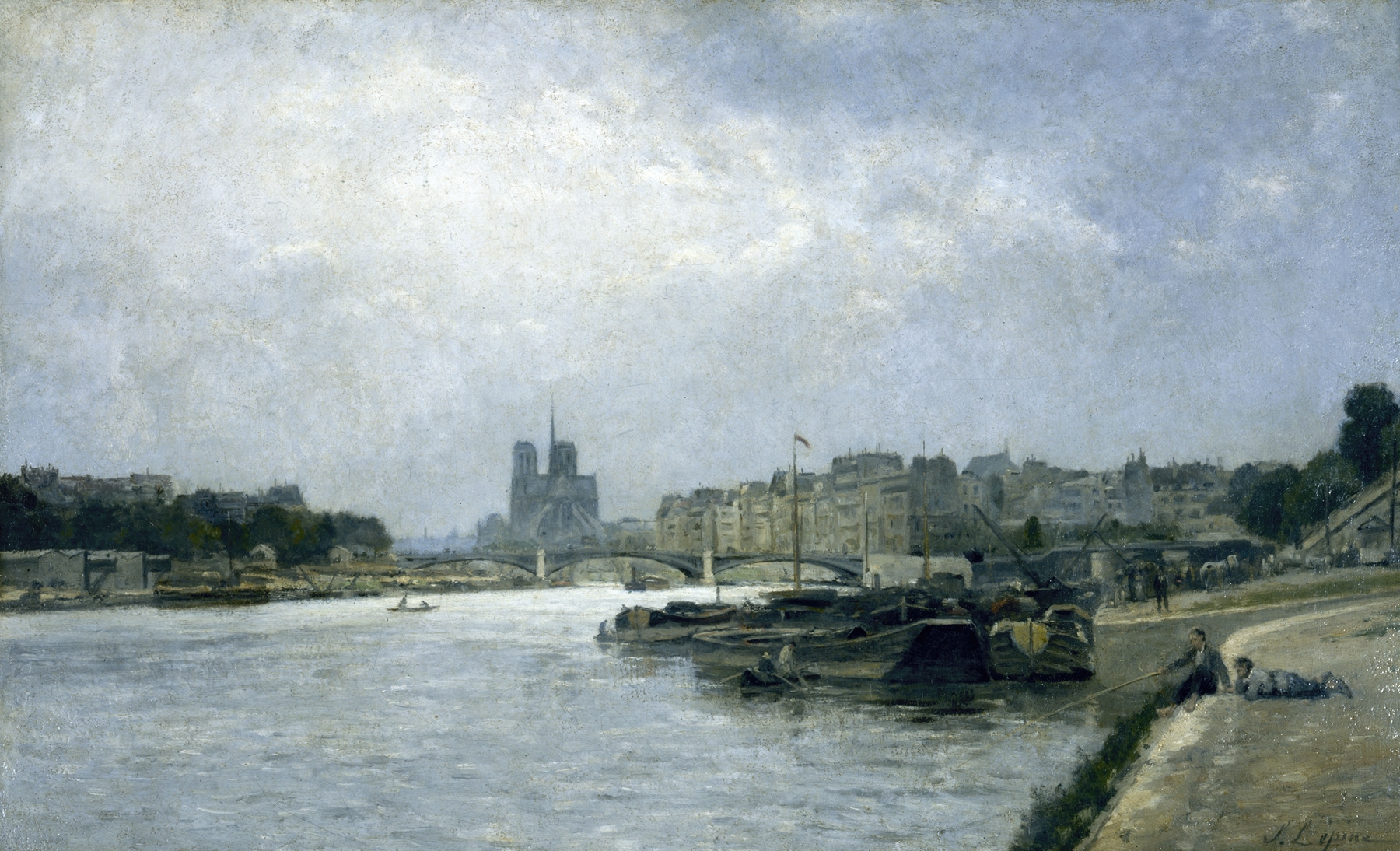
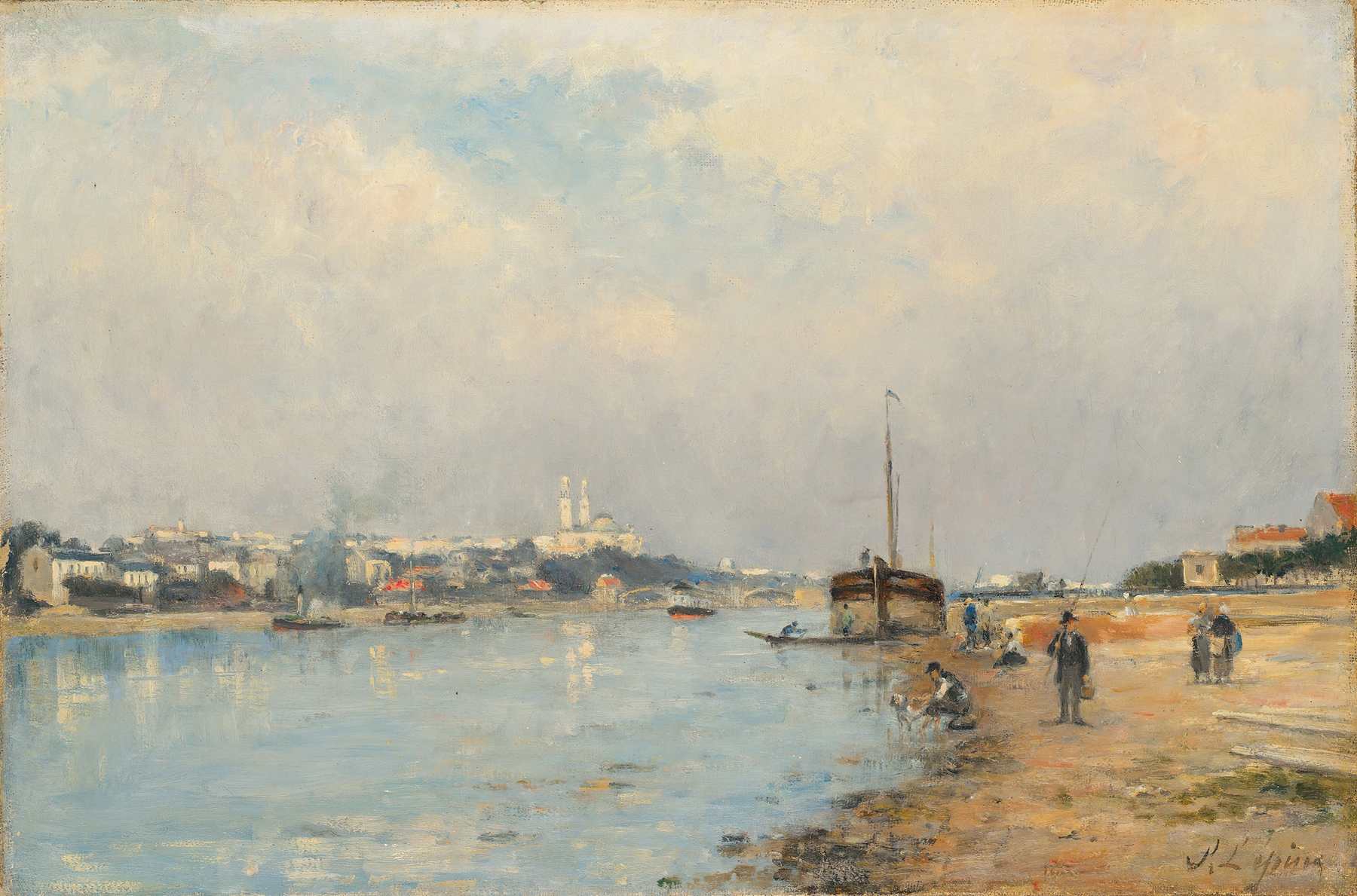
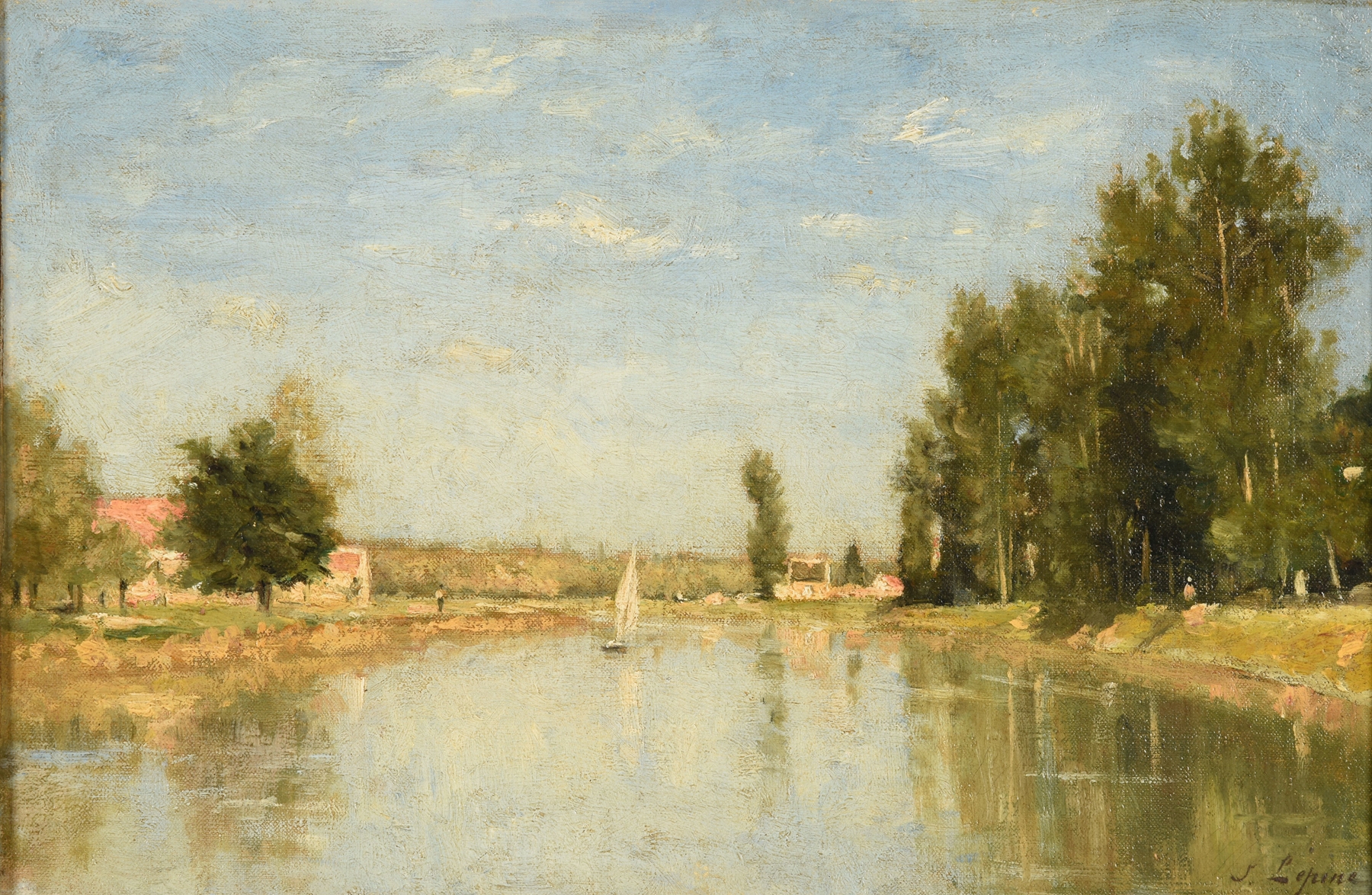
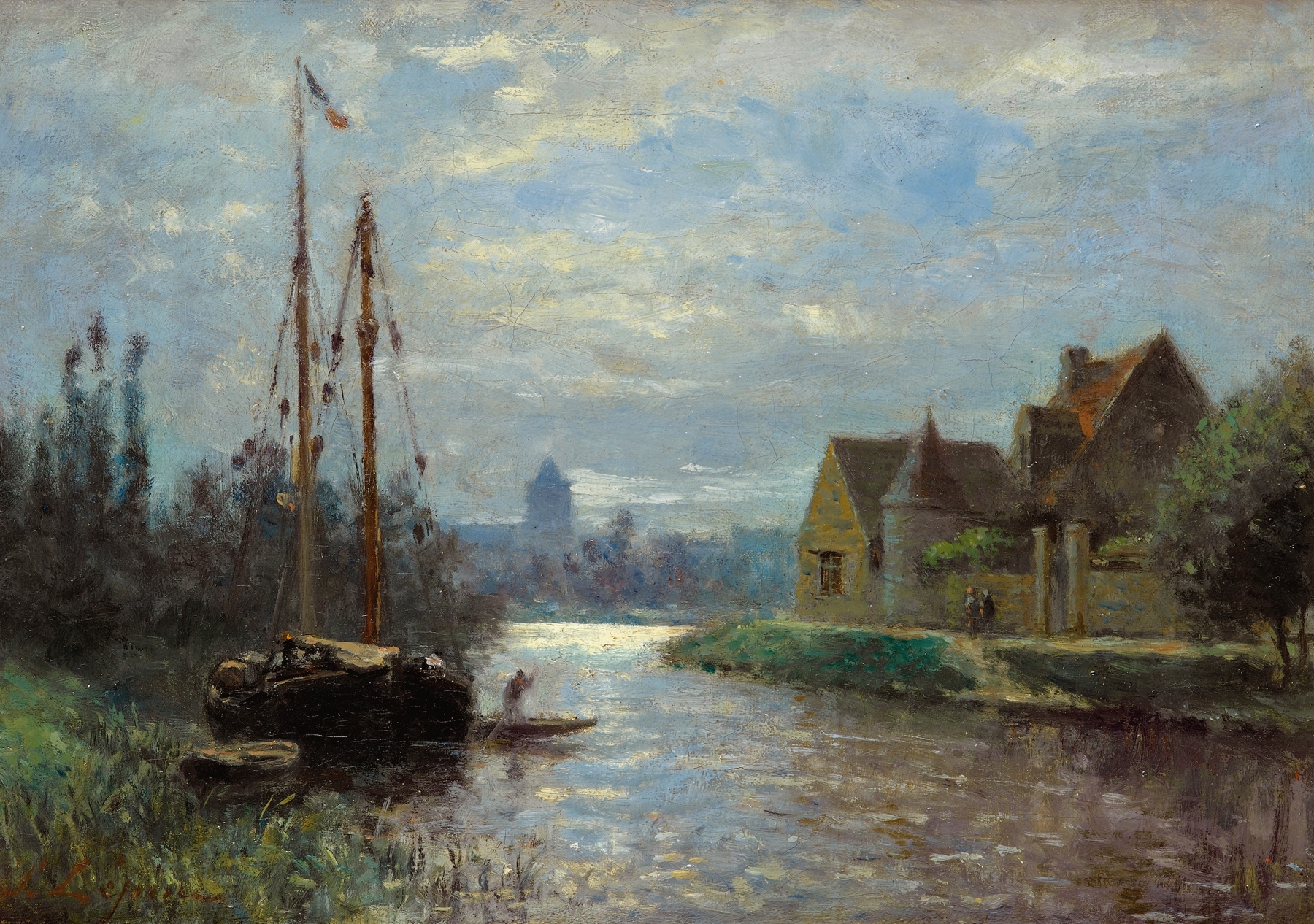
Can beauty exist without sorrow? In the quiet embrace of twilight, there lies a profound awe that lurks just beneath the surface of serene landscapes. In Canal Au Clair De Lune, light dances on water, evoking a world where tranquility and melancholy exist in delicate balance. Look to the left at the luminous moon reflecting on the water's surface, its silvery glow illuminating the tranquil canal. The soft blues and greens of the night sky are intertwined with hints of vibrant yellows, creating a harmonious dialogue between light and dark.
Notice how Lépine’s brushstrokes evoke both calm and motion, as ripples in the water mirror the fleeting nature of time. The composition is anchored by gently arched trees, framing the scene and inviting viewers to take a contemplative journey through this enchanting nocturne. As you peer deeper, consider the emotional undertones captured within the landscape. The juxtaposition of the serene water against the looming darkness suggests a tension between peace and the unknown, invoking feelings of solitude and reflection.
Small details, such as the scattered clouds and their play with light, hint at the transient beauty of life, where moments of bliss are often tinged with an undercurrent of longing. At the time of creating this piece, Lépine was immersed in the artistic currents of 19th-century France, exploring the interplay of light and landscape. While the exact date remains undetermined, his works were often inspired by the Impressionist movement, which sought to capture the ephemeral quality of nature. Lépine’s focus on water and natural light exemplifies this shift, resonating with the emotional depth of an era transitioning between romanticism and modernity.