Captain Thomas Daggett (c. 1683-1730) — History & Analysis
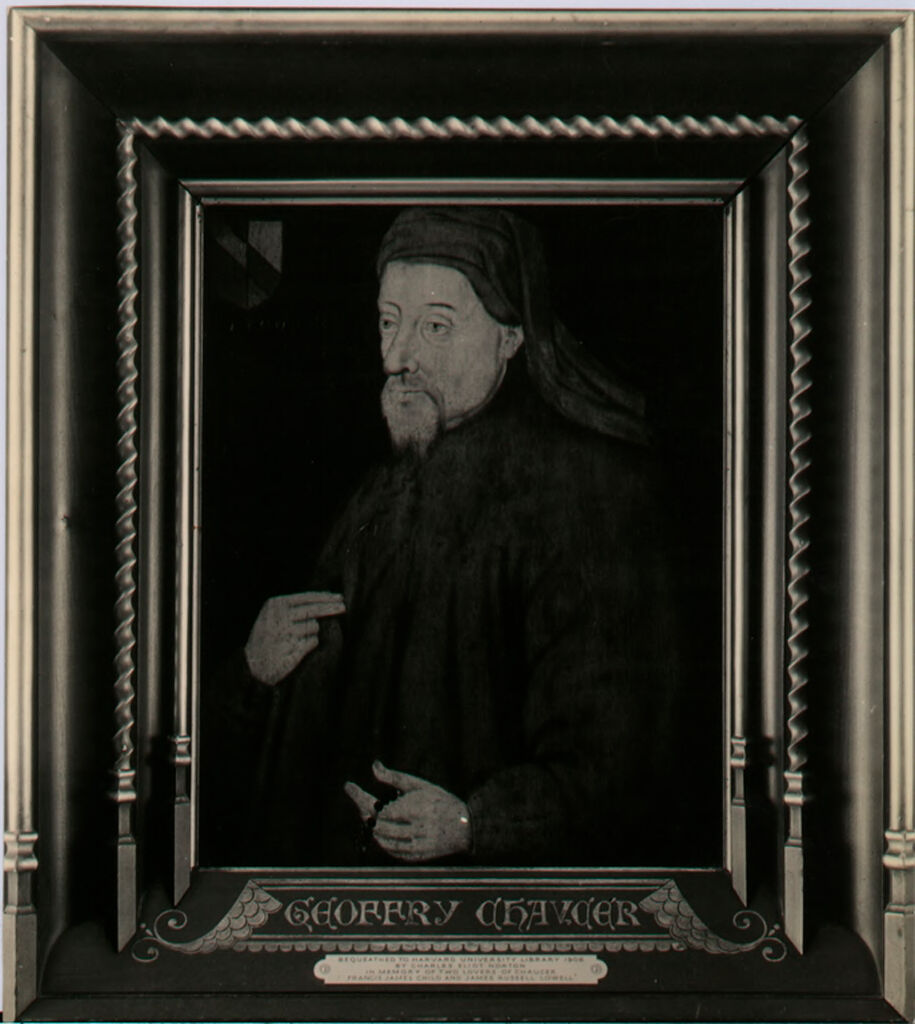
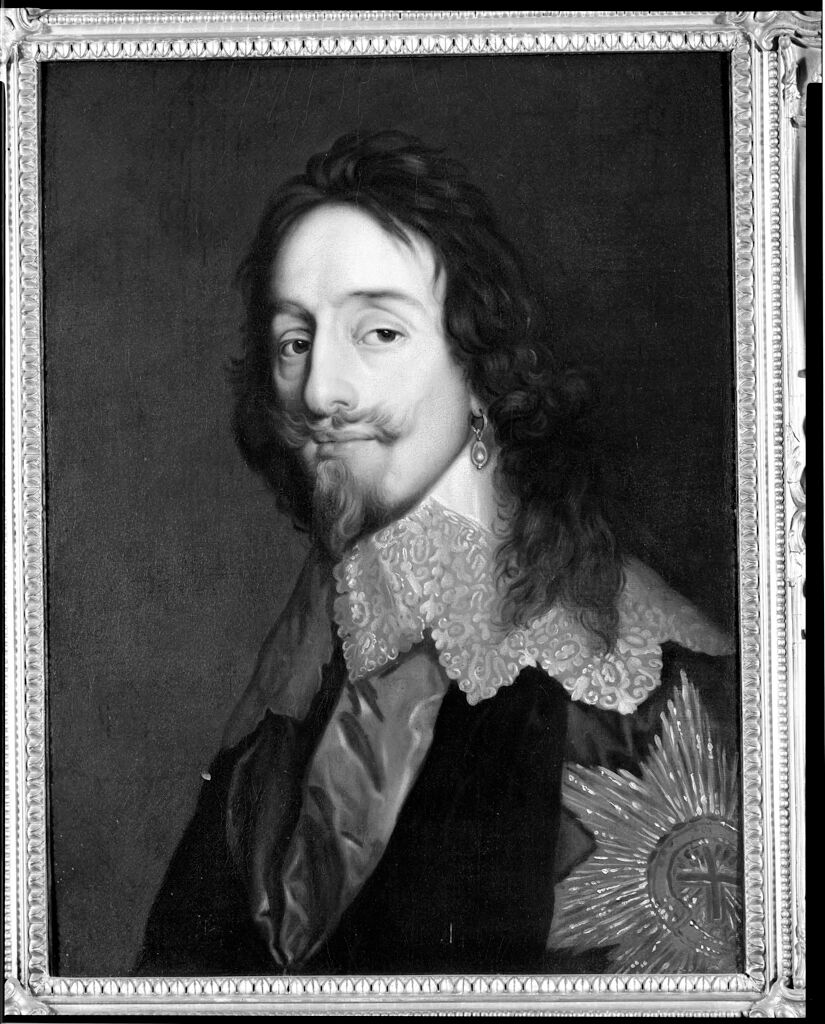
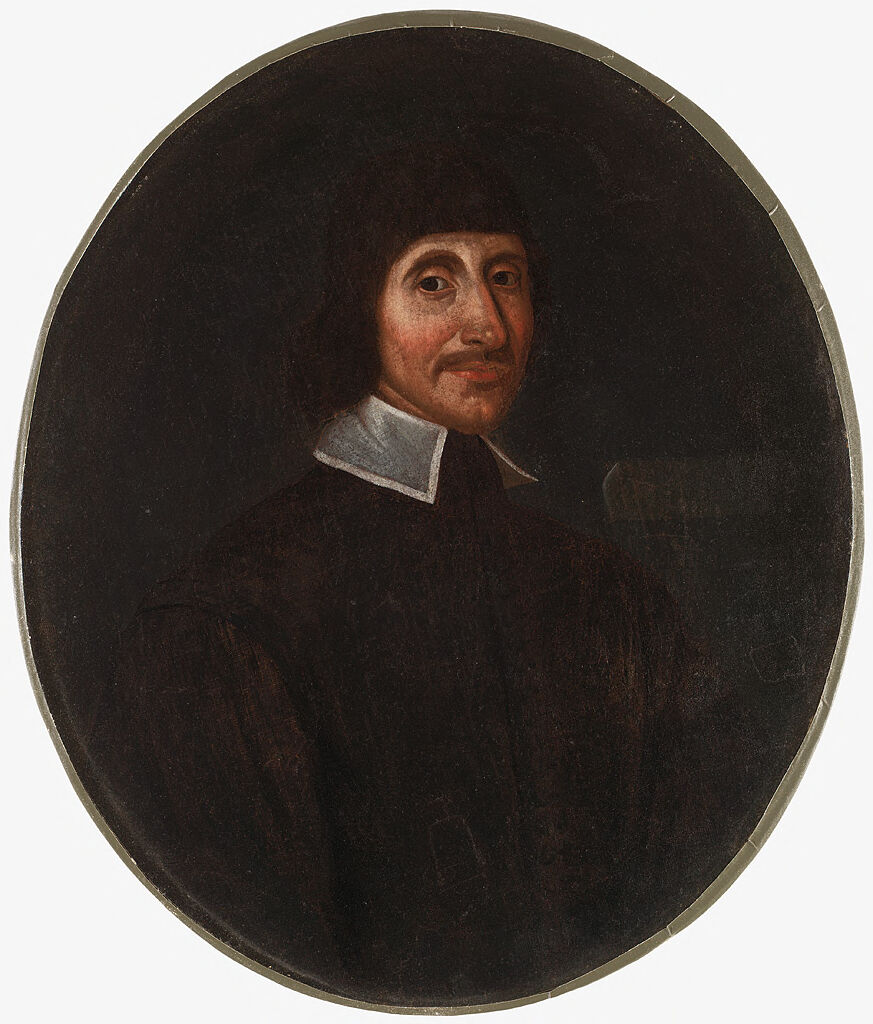
“To paint is to remember what time wants us to forget.” In Captain Thomas Daggett, the interplay between memory and identity unfolds, capturing a fleeting moment that transcends time. Look closely at the figure of Captain Daggett, commanding attention in the center of the canvas. The dark, rich colors of his clothing contrast with the soft, muted background, drawing your eye to the intricate details of his lace collar and the resolute expression on his face. Notice the gentle play of light on his features, highlighting the strength and wisdom etched in his gaze.
Each brushstroke seems intentional, a testament to the artist’s skill in depicting not just a portrait but a presence, a narrative frozen in time. Delve deeper into the emotions conveyed through Daggett's posture and the subtle tension in his expression. His steady gaze suggests both pride and contemplation, perhaps hinting at the burdens of leadership and the weight of history on his shoulders. The interplay between dark and light within the painting adds to the atmosphere, suggesting the complexities of a man who navigated both command and vulnerability.
This duality invites viewers to reflect on their own perceptions of authority and legacy. This portrait was crafted during the early 18th century, a time rich with colonial expansion and emerging artistic traditions. The artist, whose name remains lost to history, likely aimed to embody the spirit of the age as they captured the likeness of Daggett, a figure emblematic of the values and challenges of the era. It was a period when portraiture served not only as documentation but as a means of crafting personal and collective narratives.