Charles I (after a van Dyck painting in the Staatliche Museen, Gemaldegalerie, Dresden) — History & Analysis
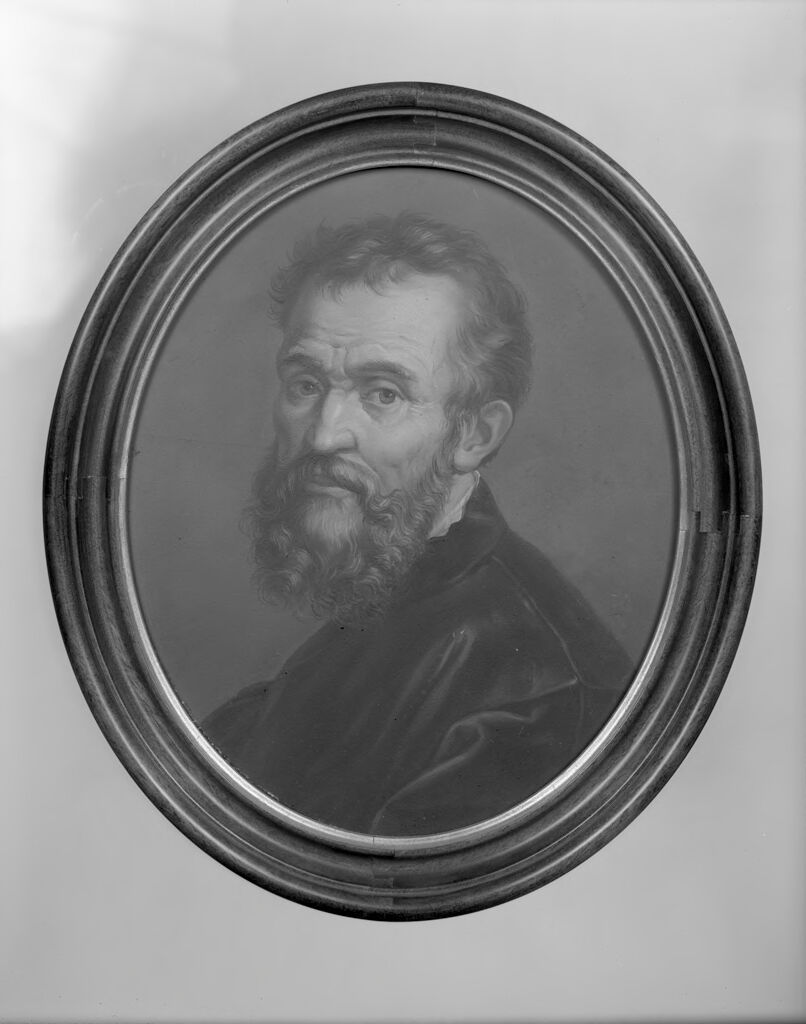
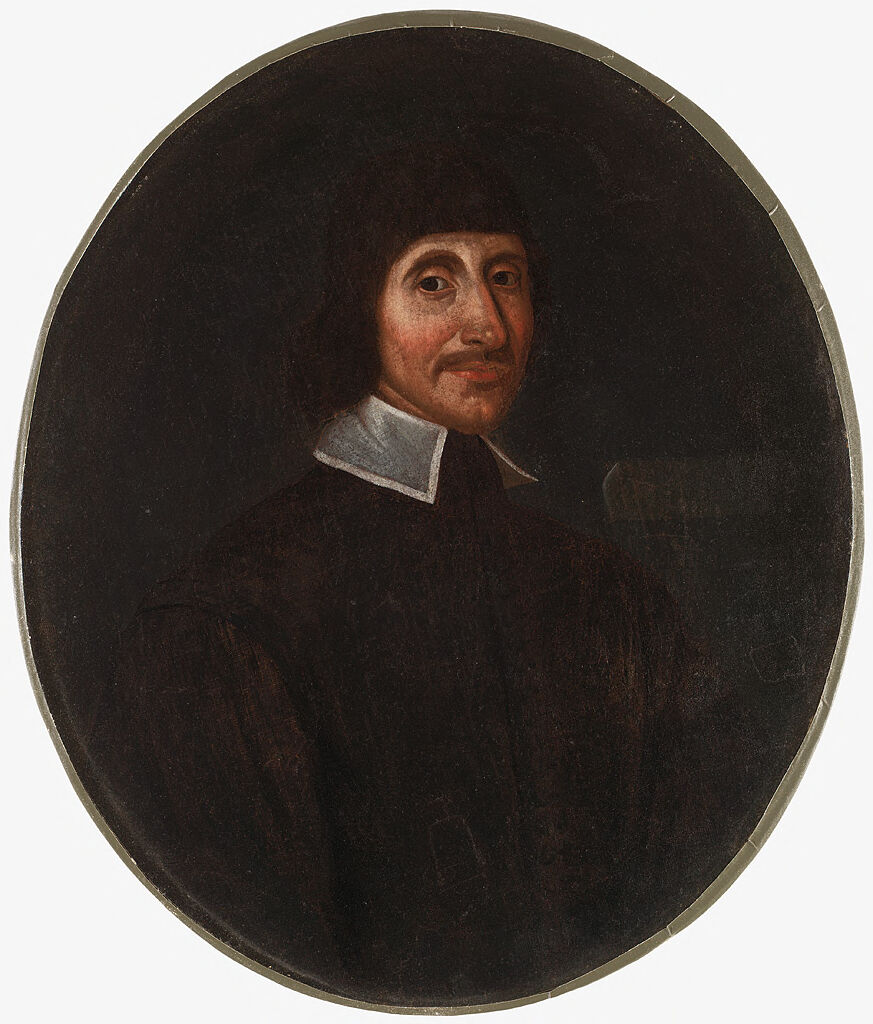
“Every silence here is a confession.” In the icy stillness of the canvas, fear lingers like a whispered secret, echoing through time and space. The unyielding gaze of a monarch, caught in a moment that teeters on the brink of vulnerability, lays bare the quiet dread of authority. The weight of expectation and the specter of impending fate pulsate beneath the layers of paint. Look closely at the figure at the center, draped in sumptuous fabrics that contrast starkly with the tension in his eyes. Notice how the deep browns and rich blues envelop him, yet highlight the pallor of his skin, a ghostly reminder of his mortality.
The artist’s meticulous attention to detail — from the intricate lace collar to the subtle glint of jewels — invites you to explore the duality of power and fragility. This is a portrait that oscillates between reverence and unease. Delve deeper, and you will uncover the delicate interplay of light and shadow, emphasizing the monarch’s isolation amidst the grandeur. The subtle tension in his posture, with one hand tucked at his side, hints at an instinct to retreat — a poignant contrast to the commanding presence his title demands.
Every brushstroke seems to whisper stories of anxiety, as the regal facade crumbles to reveal the human heart beneath. The identity of the artist remains cloaked in mystery, but this artwork likely emerges from a time of turbulence and uncertainty. Created long after the original by van Dyck, it reflects an era in which the tumult of civil strife and the fear of downfall were palpable. The painting stands as a testament to the timeless interplay of power, fear, and the fragility of the human condition, inviting viewers to peer into the depths of history and introspection.