Castellamare am Golf von Neapel — History & Analysis
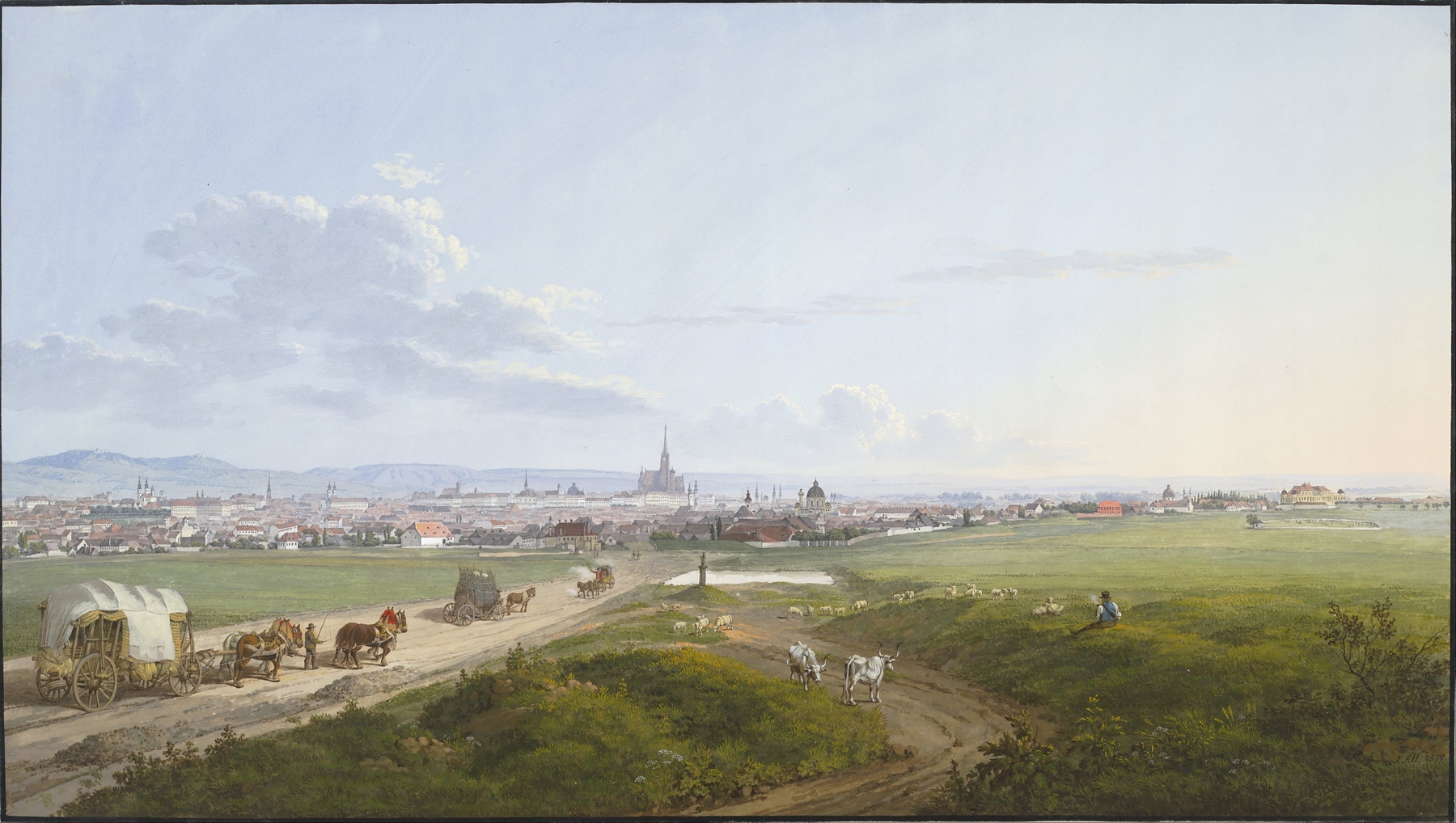
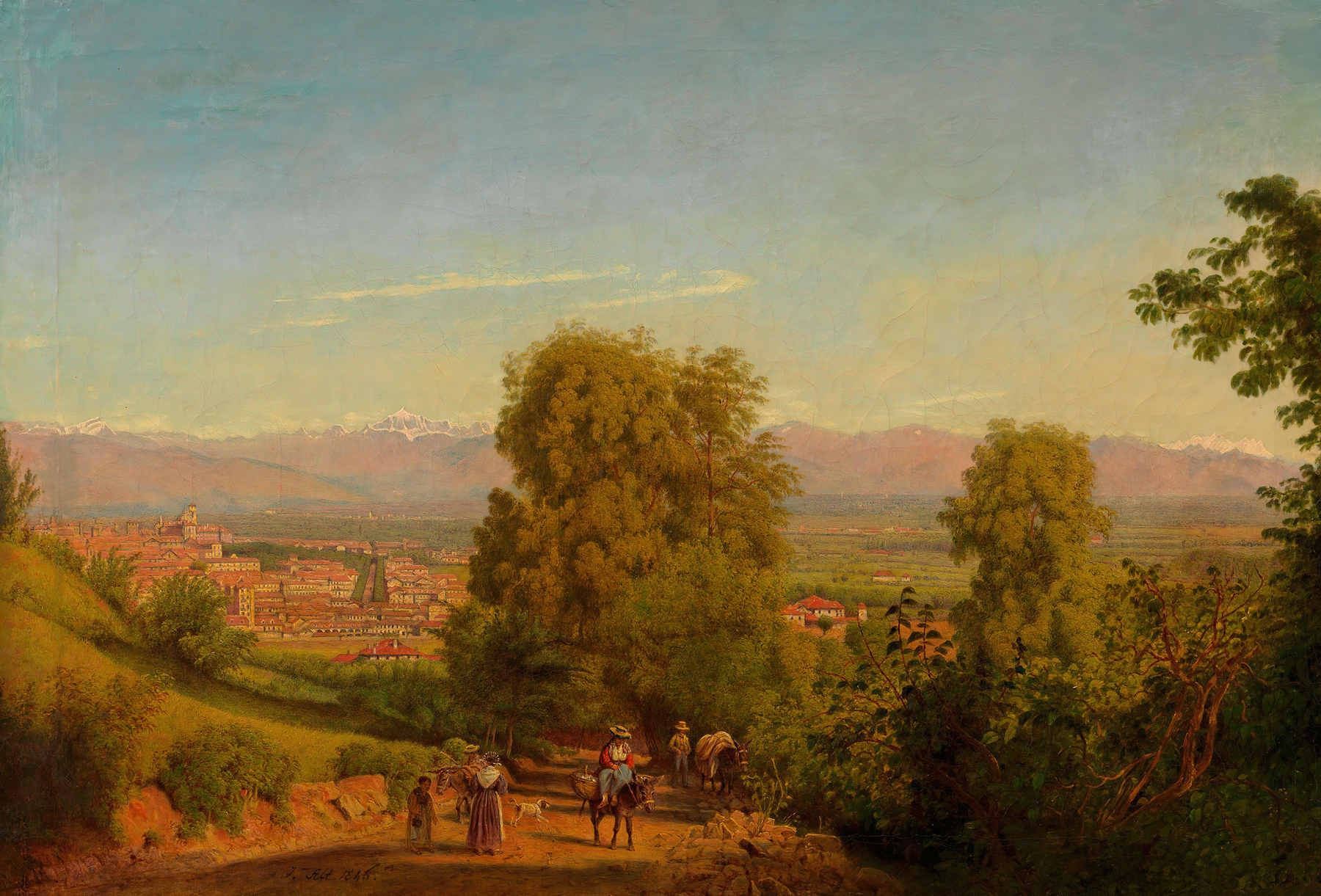
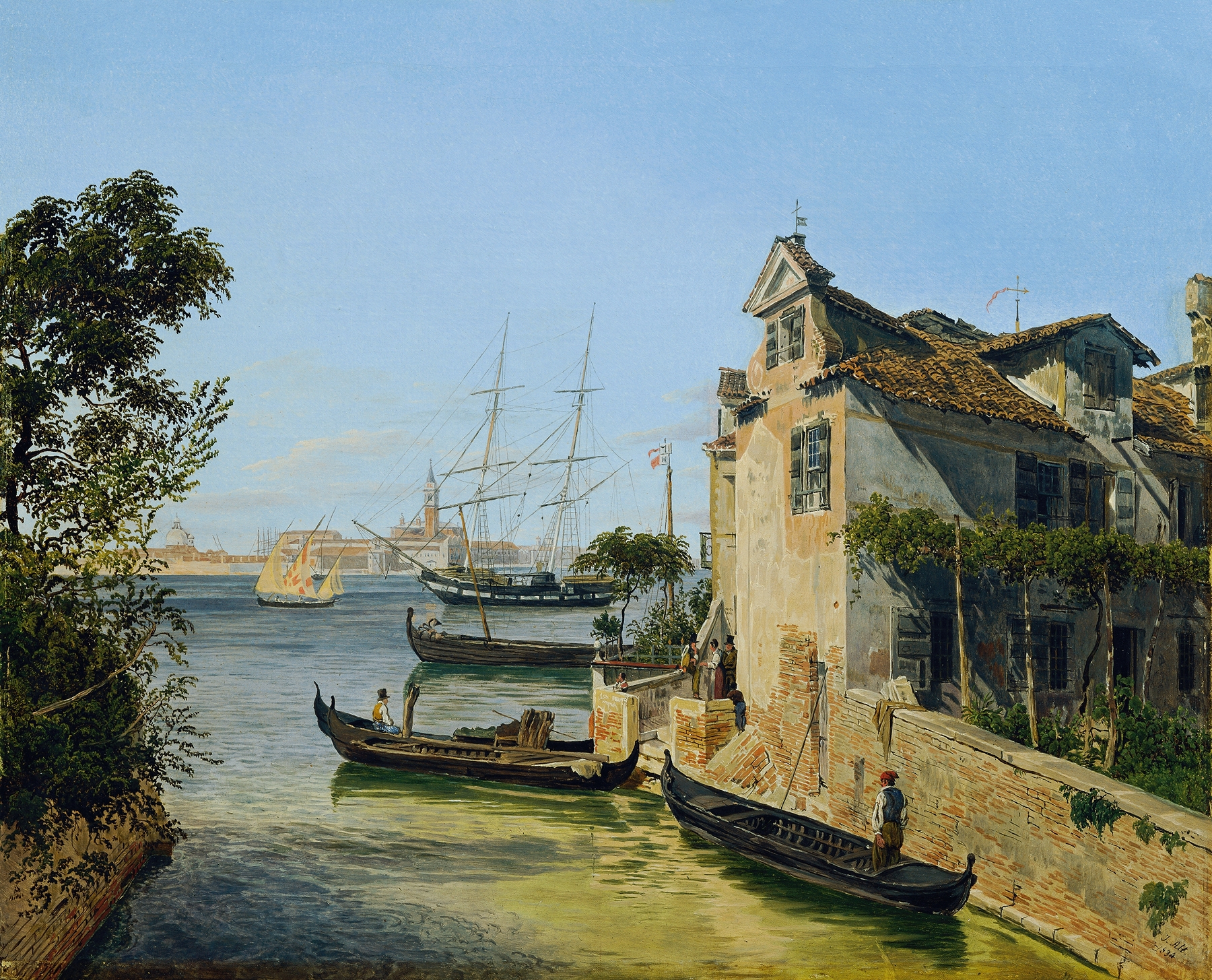
“Art reveals the soul when the world turns away.” In the quiet embrace of memory, landscapes transform into reflections of our innermost selves, capturing time in a delicate dance of color and form. Focus on the vibrant blues and greens that define the scene, drawing your gaze toward the serene bay of Naples. The artist’s brush has orchestrated a symphony of color, where soft strokes evoke the gentle lapping of waves. Look to the foreground, where a quaint village nestles against the backdrop of the distant mountains, each building warm with sunlight, suggesting life lived in harmony with nature.
Here, the interplay of light and shadow speaks volumes; the bright sunlit areas contrast sharply with the somber depths of the shaded corners, hinting at the duality of joy and nostalgia. Notice the sailboats, their sails billowing like whispers of adventure, juxtaposed against the stillness of the water, representing the fleeting nature of memory and the dreams that linger just beyond reach. Each element in this composition is a reminder of the beauty inherent in transience.
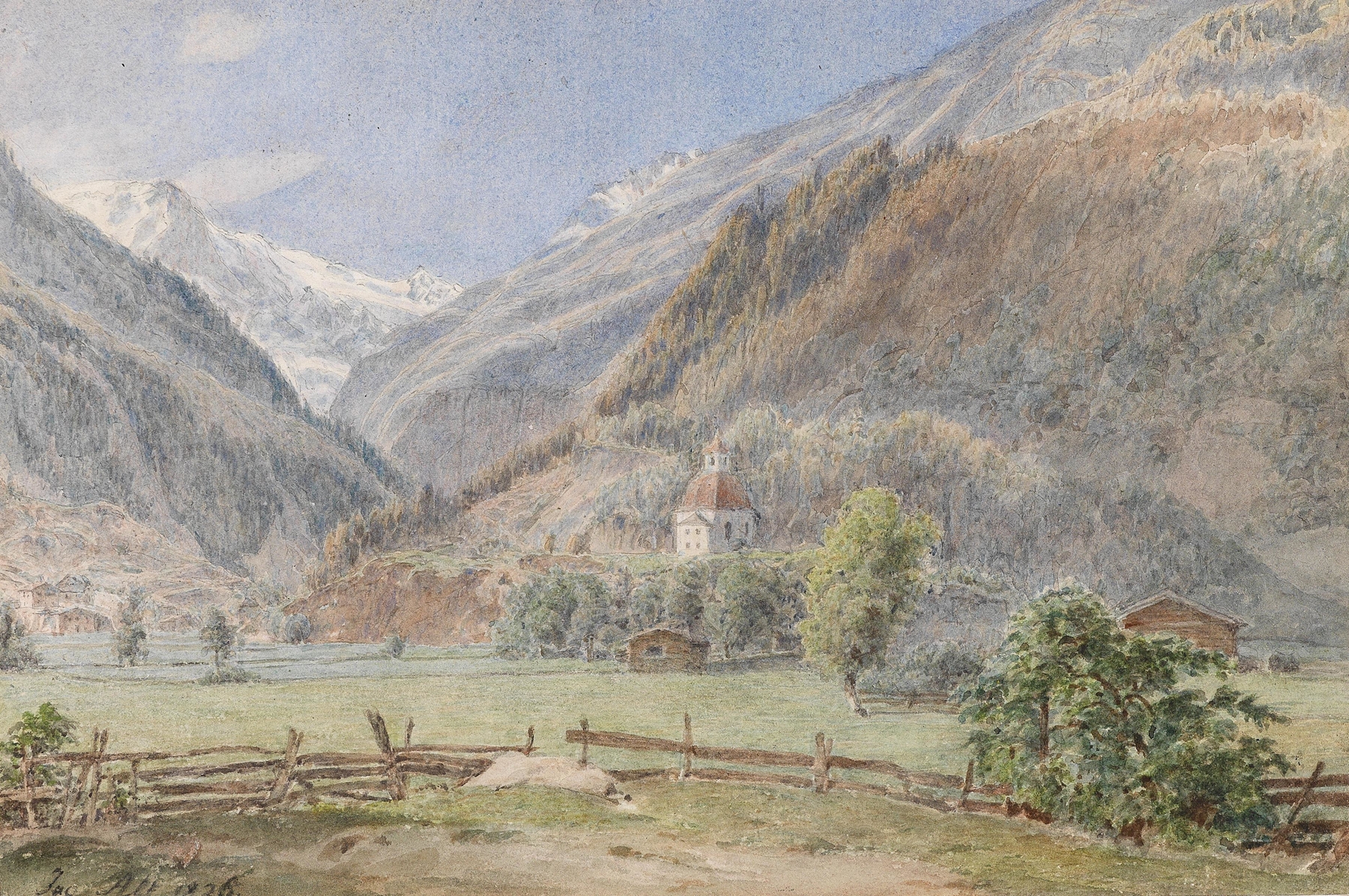
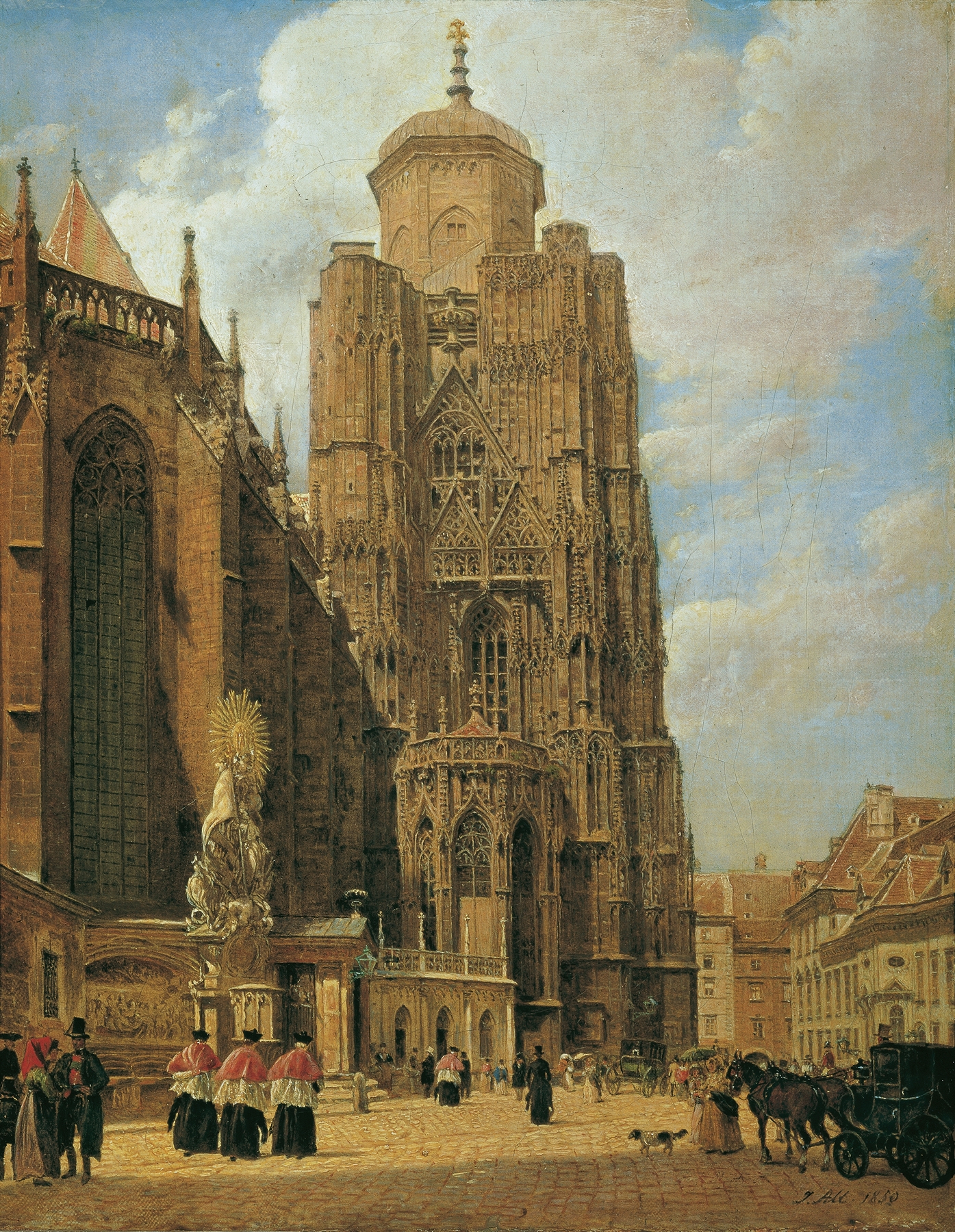
Jakob Alt created this work in 1837 while living in Vienna, a time when Romanticism was flourishing across Europe. His life was marked by travels through Italy, capturing the essence of landscapes that stirred the imagination. Alt’s focus on the breathtaking vistas of Naples reflects not only his personal experiences but also a broader artistic movement that sought to celebrate the sublime beauty of nature amidst the rapid industrialization of the world.