Cathedral Rocks, Yosemite Valley — History & Analysis
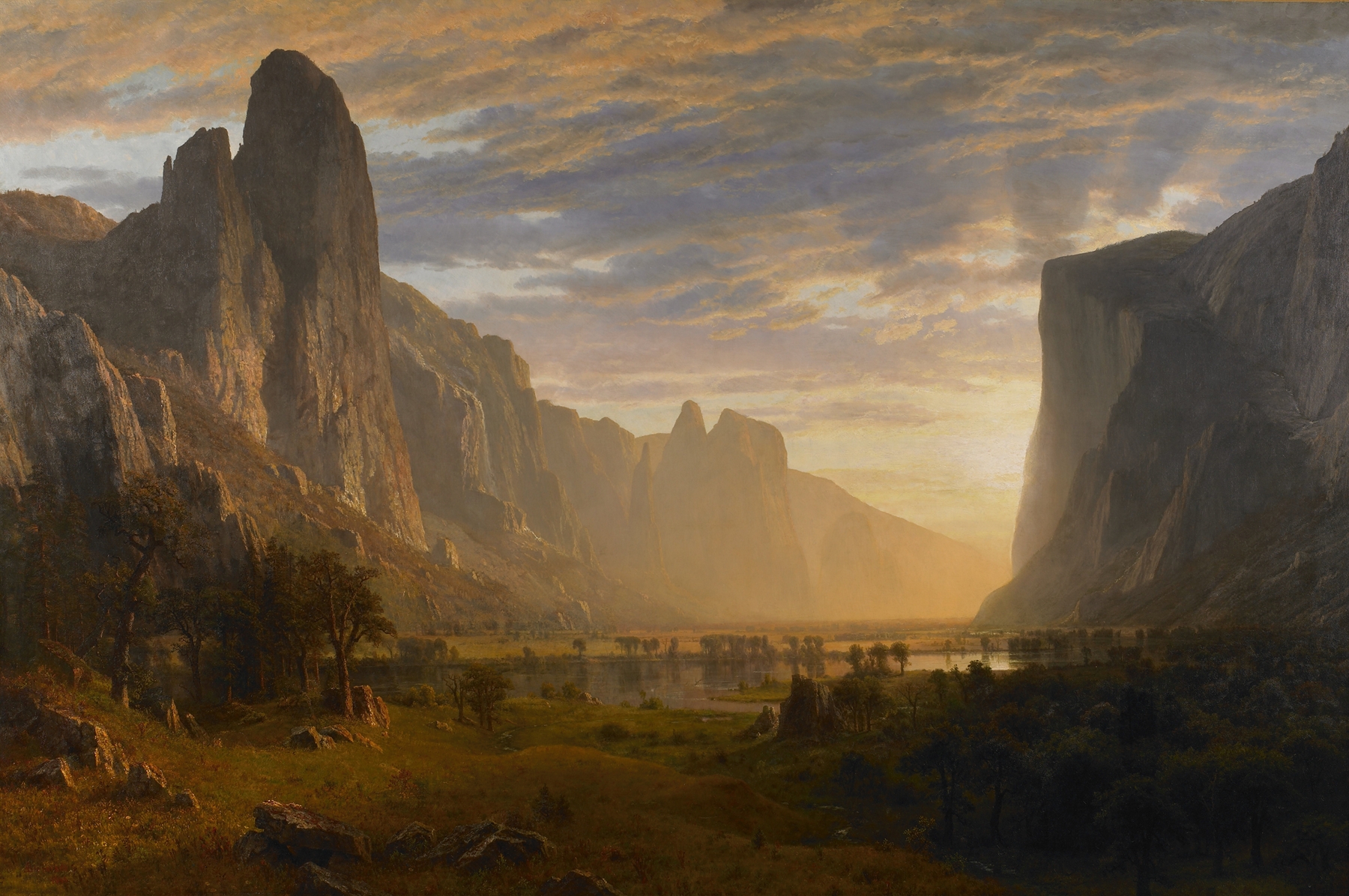
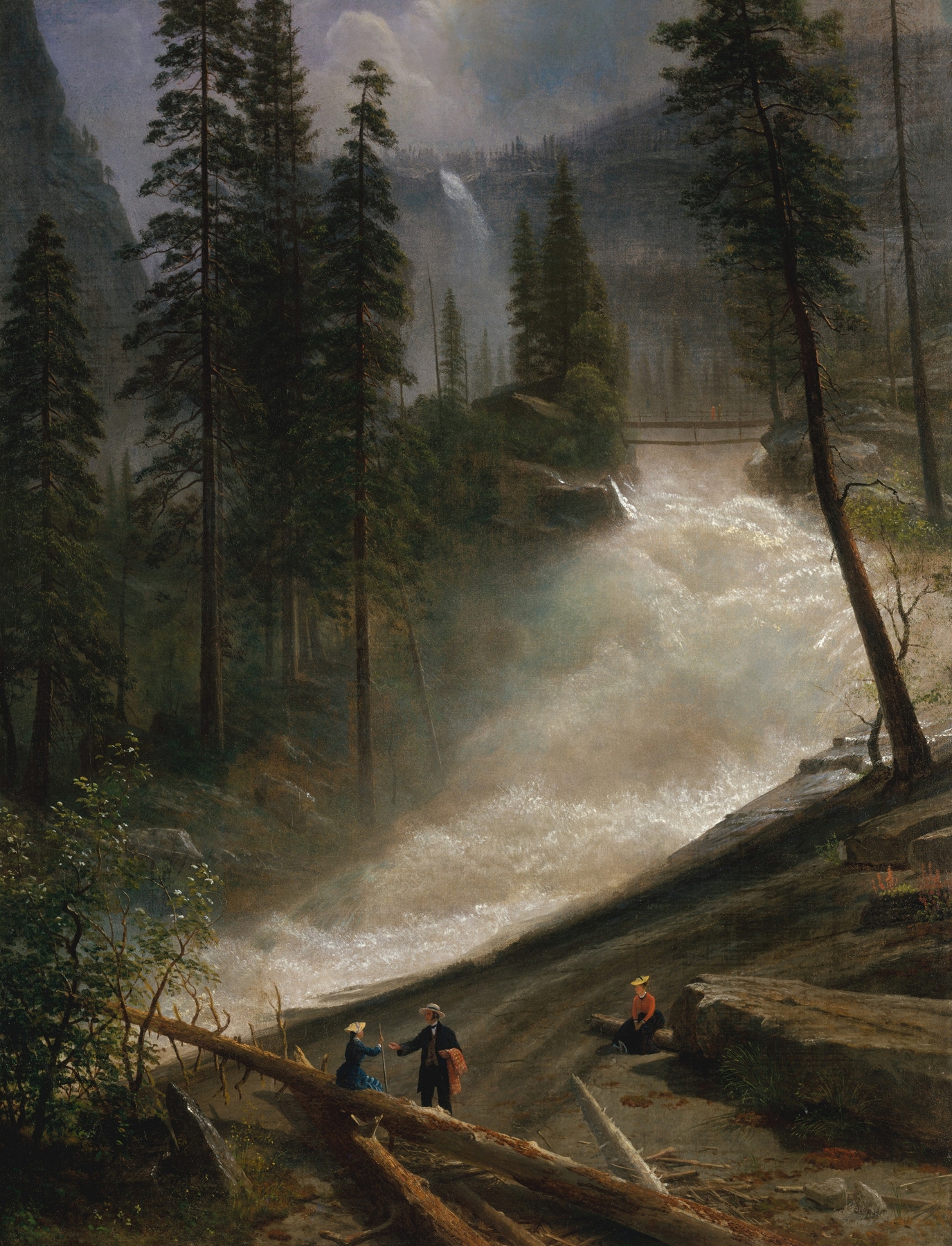
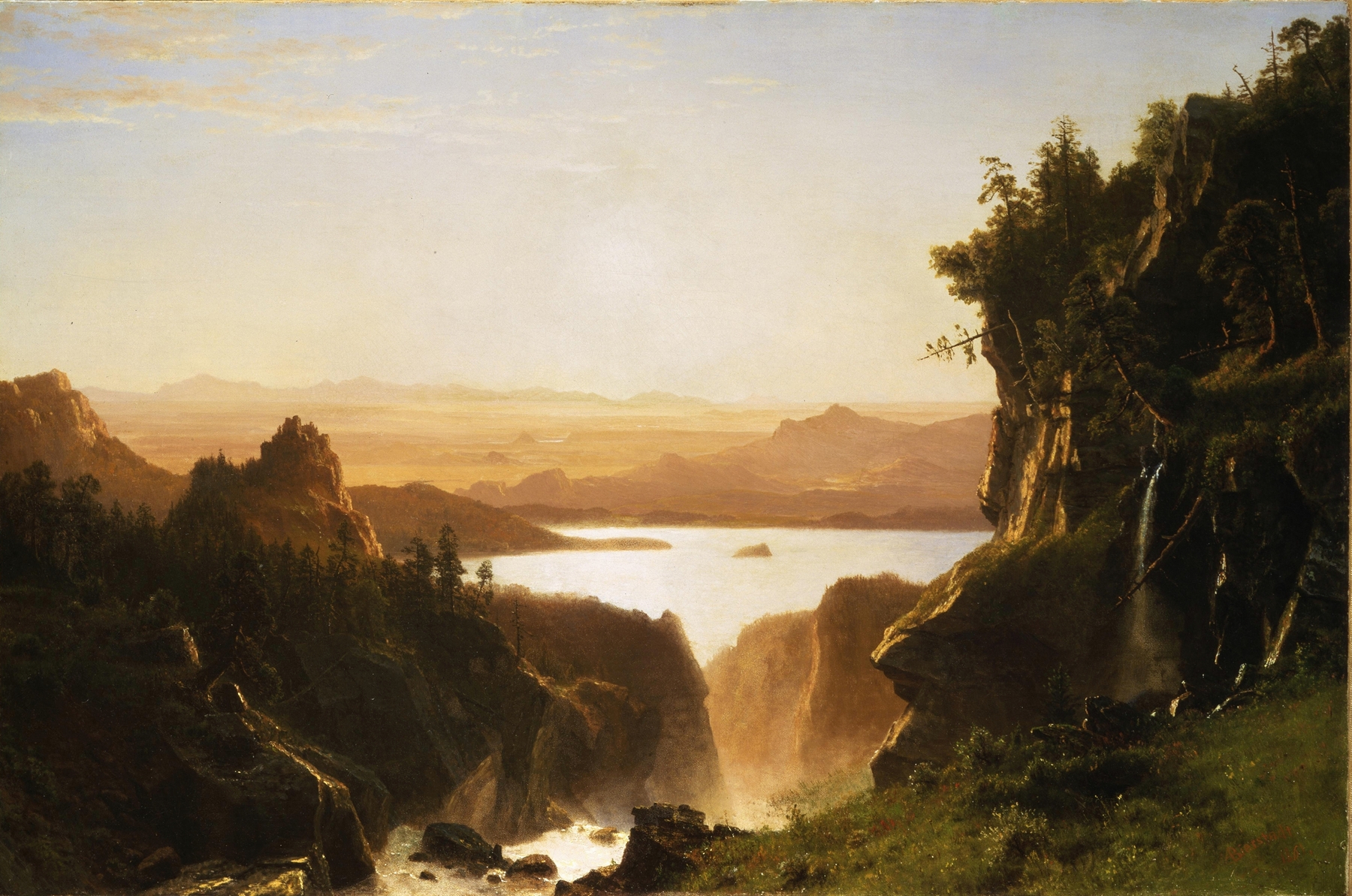
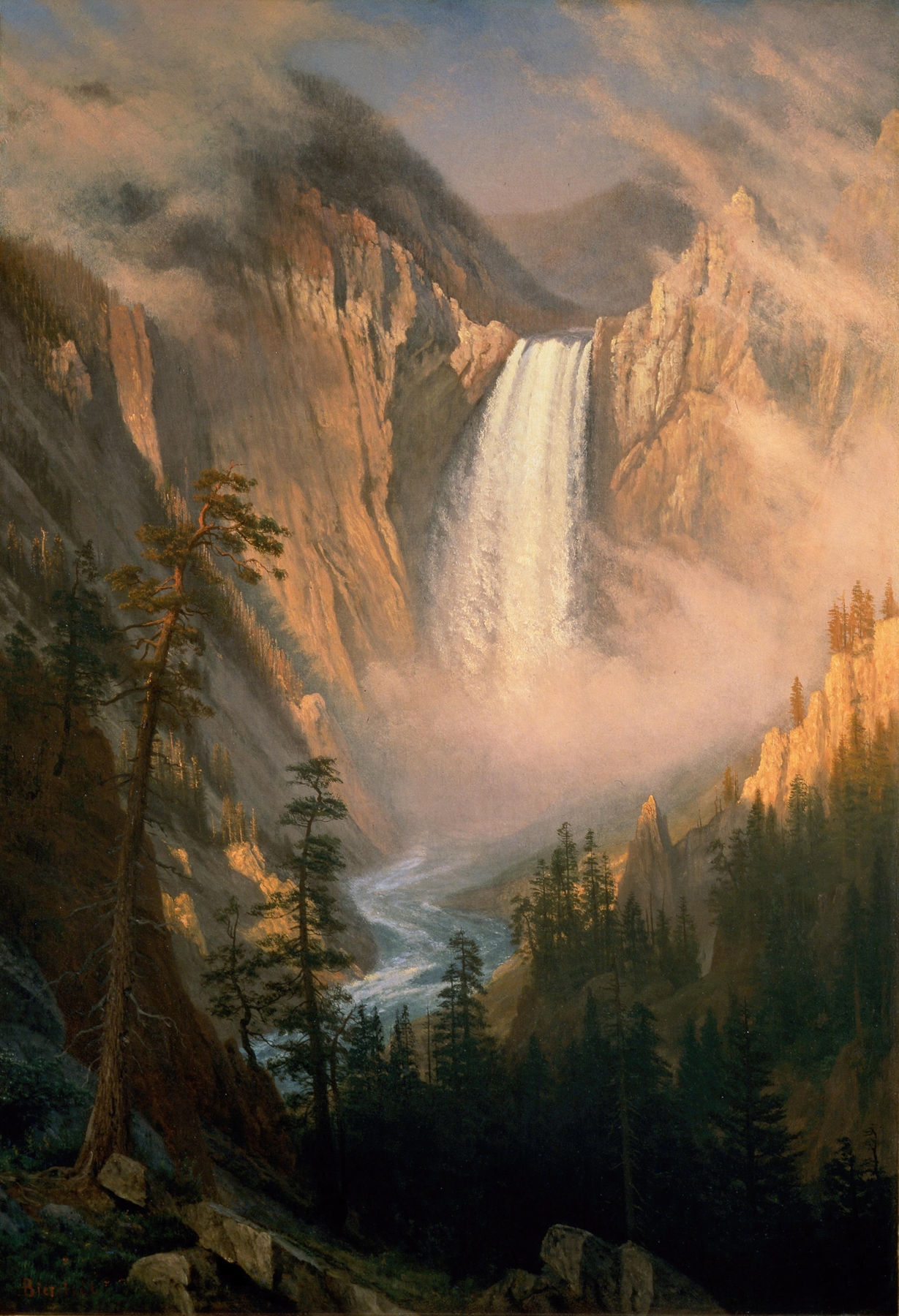
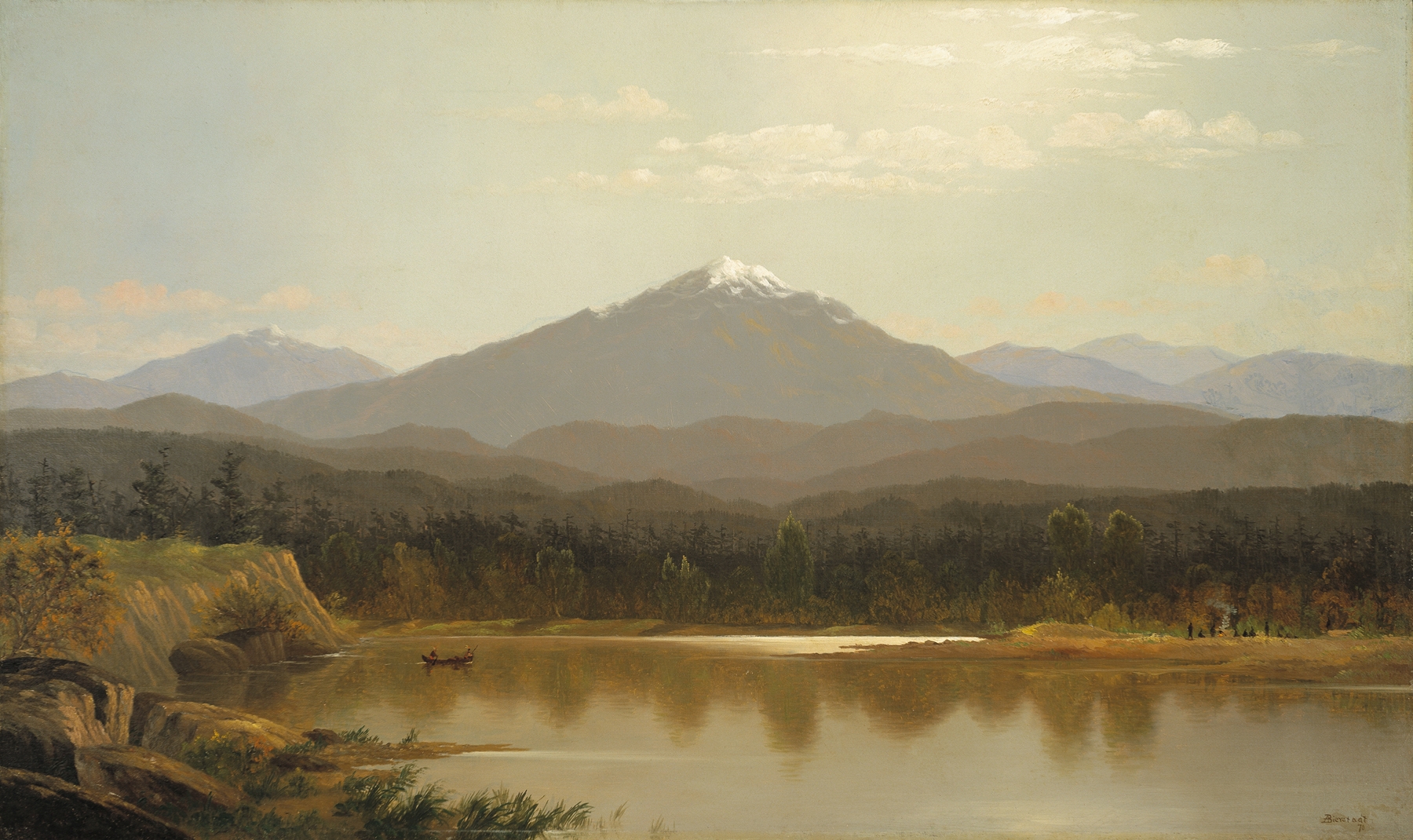
Can beauty exist without sorrow? Albert Bierstadt’s Cathedral Rocks, Yosemite Valley evokes a bittersweet reverie, blending nature's splendor with the heavy weight of legacy. Look to the left at the towering granite spires that pierce the sky, their jagged edges softened by the golden light of a setting sun. Notice how the expansive sky transitions from vibrant blue to warm oranges and pinks, reflecting the day's end.
The composition leads the eye through a harmonious interplay of rock, water, and lush greenery, where the gentle flow of the river invites contemplation amidst the overwhelming grandeur. Delve deeper into the painting and you'll uncover an interplay of light and shadow that speaks to the duality of existence. The radiant colors evoke a sense of awe, yet the looming rocks seem to cast a long shadow — a reminder of time's passage and nature's permanence. The serenity of the scene contrasts poignantly with the understanding that these landscapes, while breathtaking, are also reminders of humanity's fragility and the fleeting nature of our experiences.
In 1872, Bierstadt painted this masterpiece during a period of personal and artistic growth. Having just returned from a journey through the American West, he sought to capture its raw beauty, as well as the spirit of exploration that defined an era. The painting represents not only his evolution as an artist but also the broader fascination with the American landscape, as the nation grappled with its identity amid industrialization and expansion.