Rocky Mountains, Lander’s Peak — History & Analysis
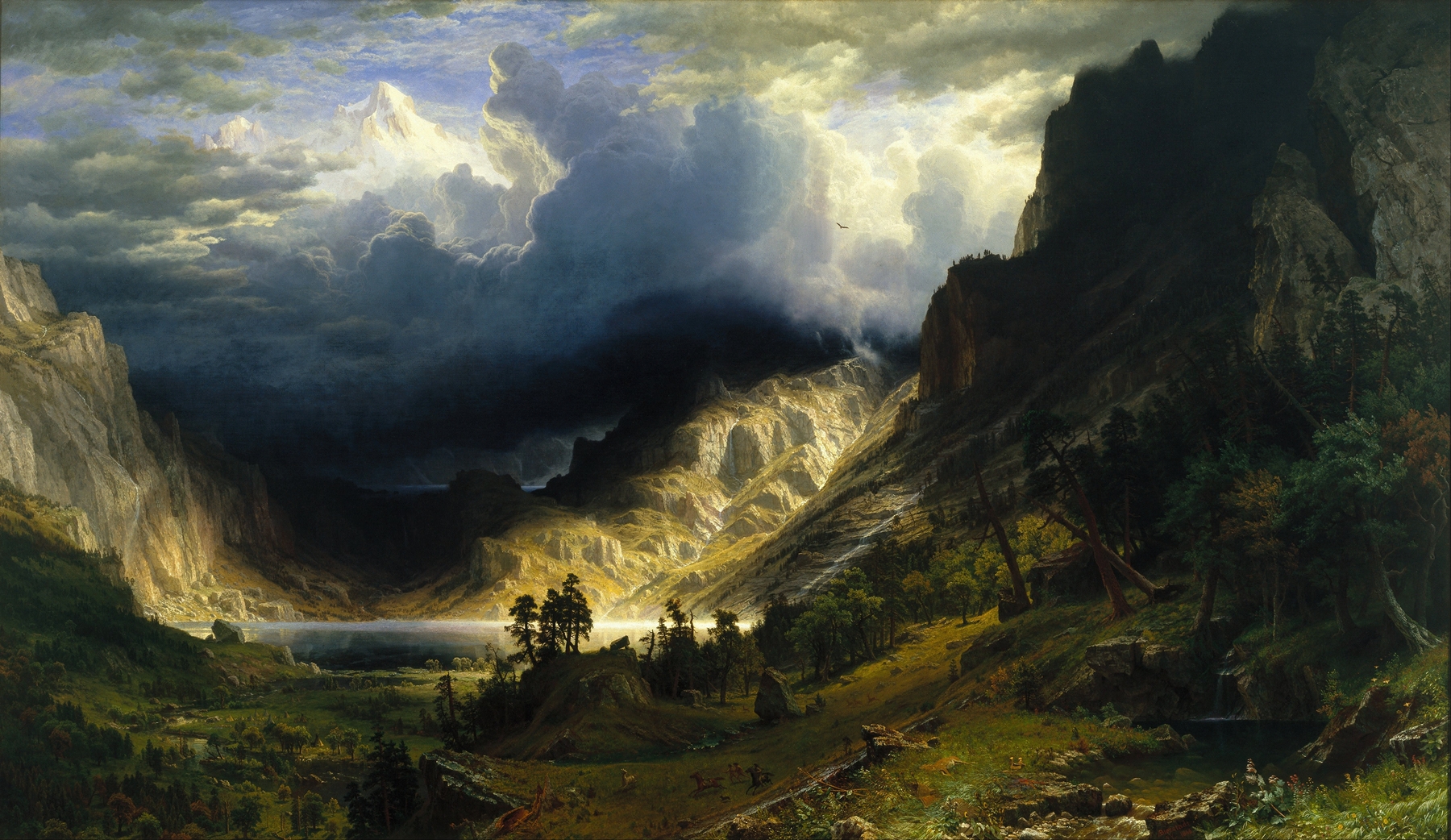
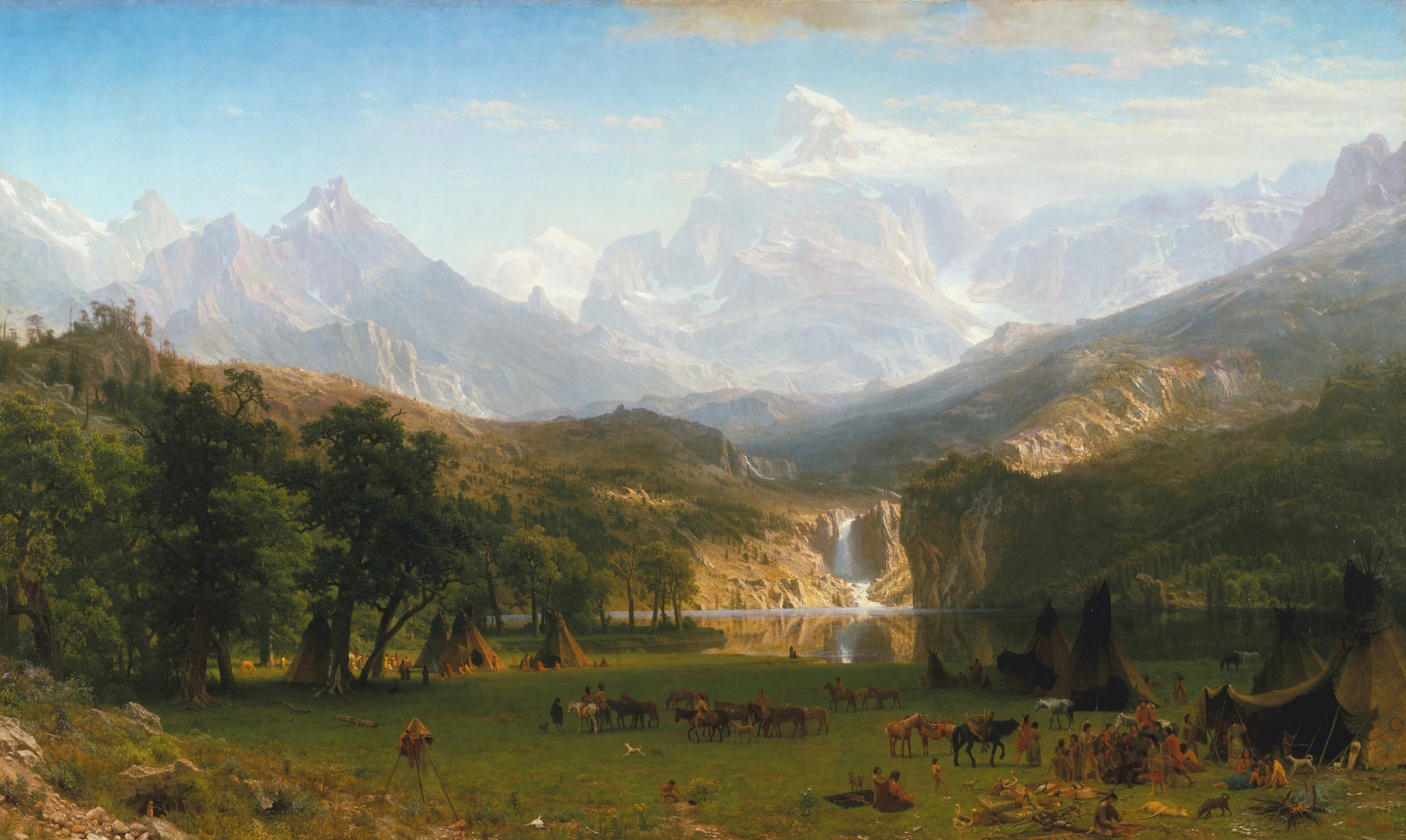
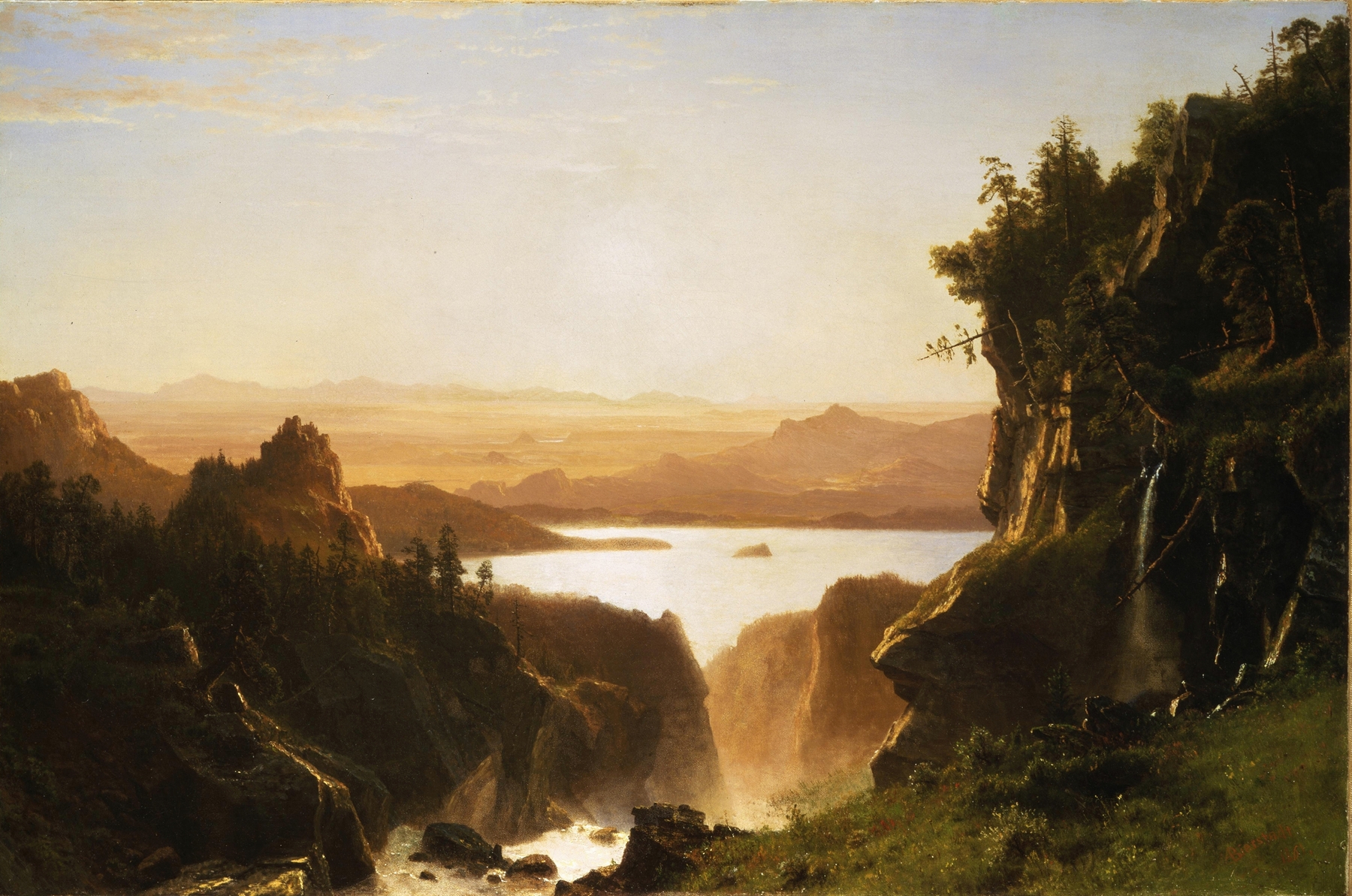
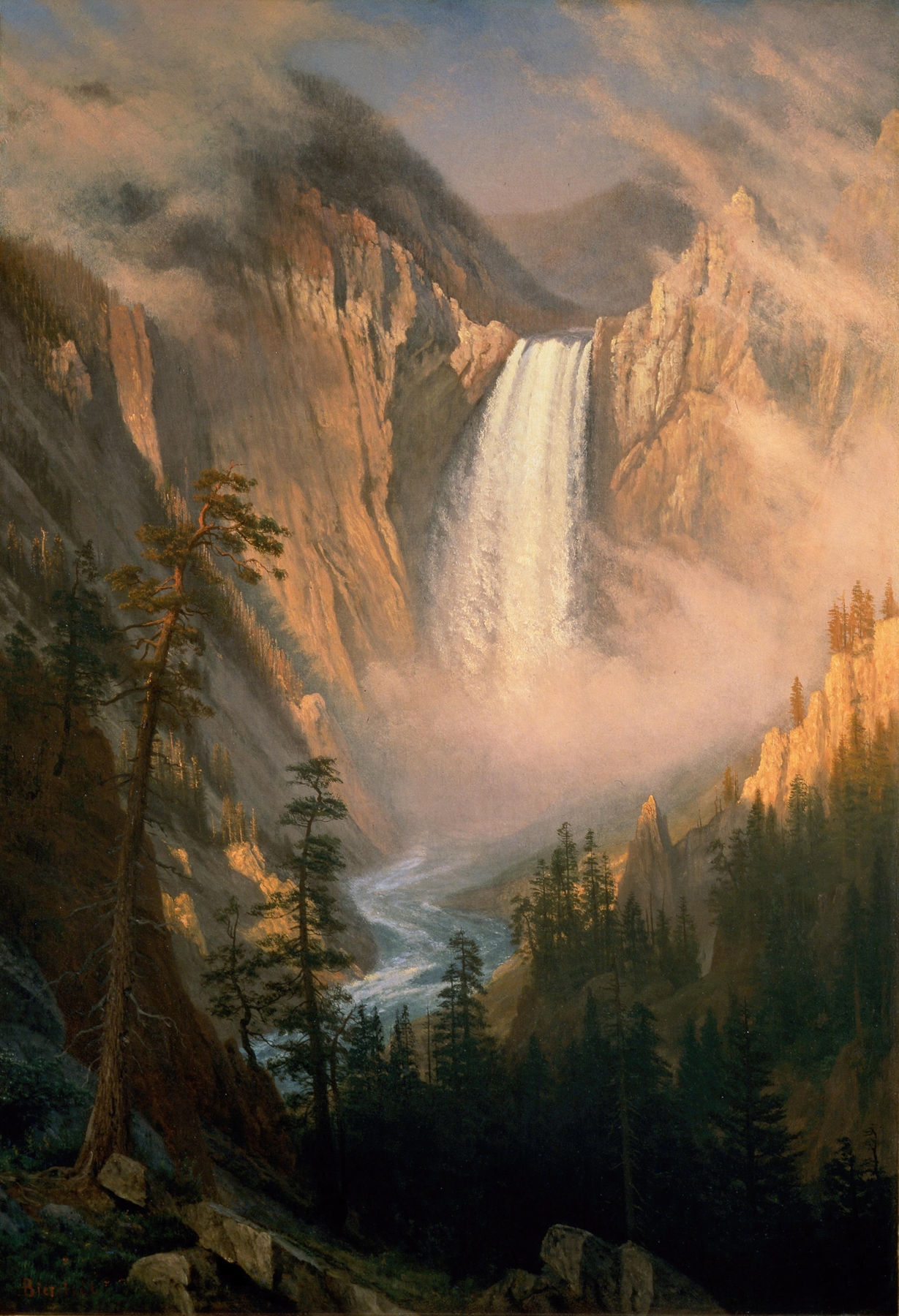
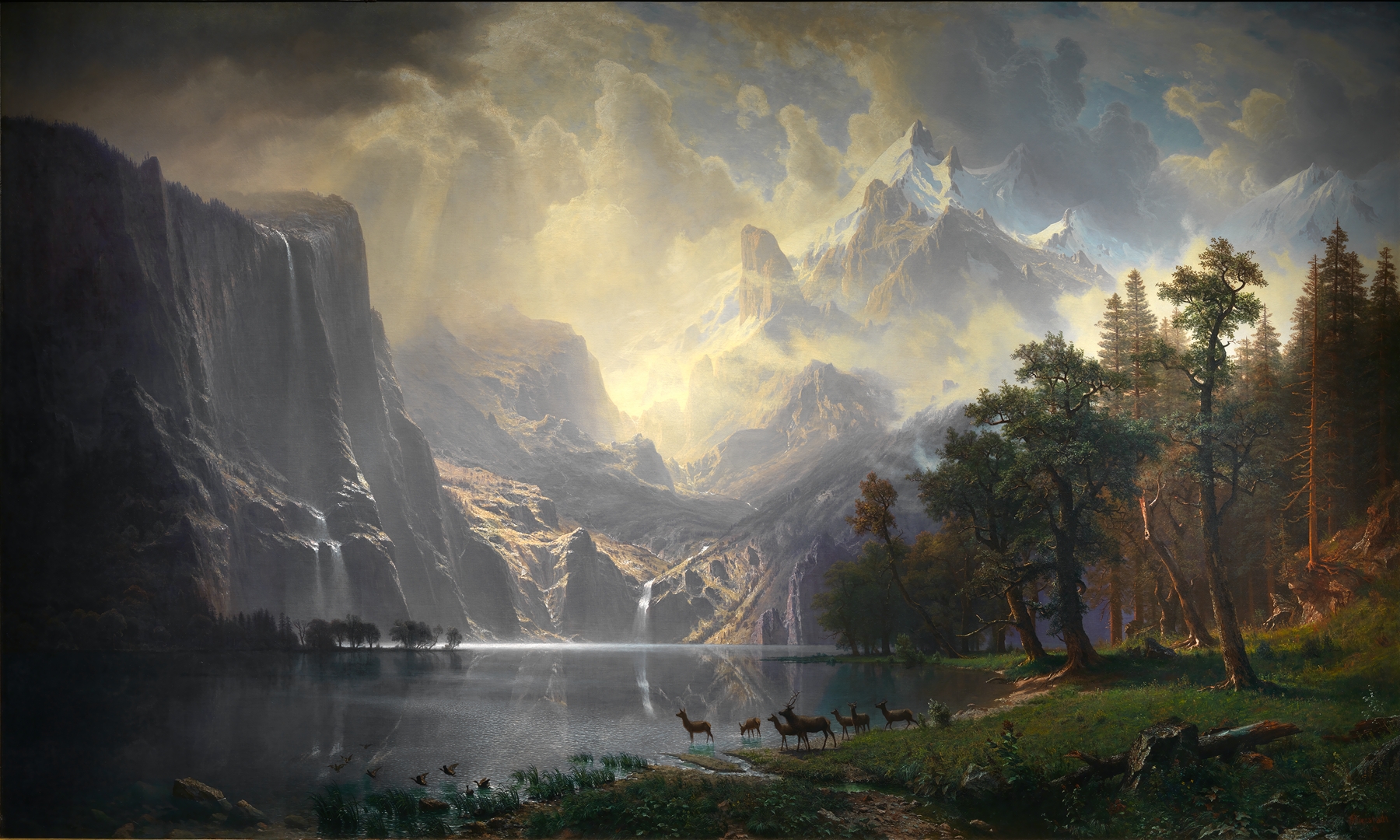
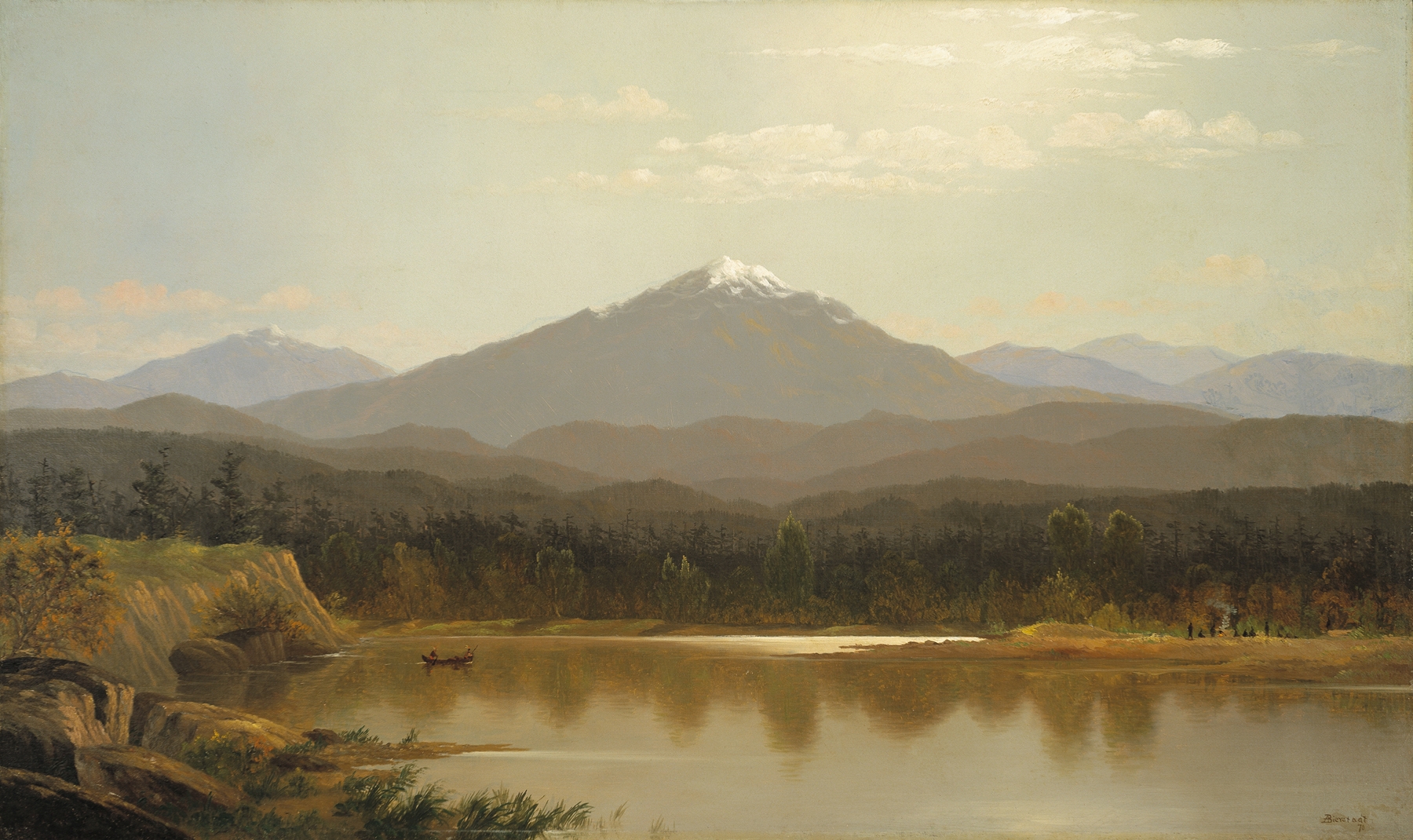
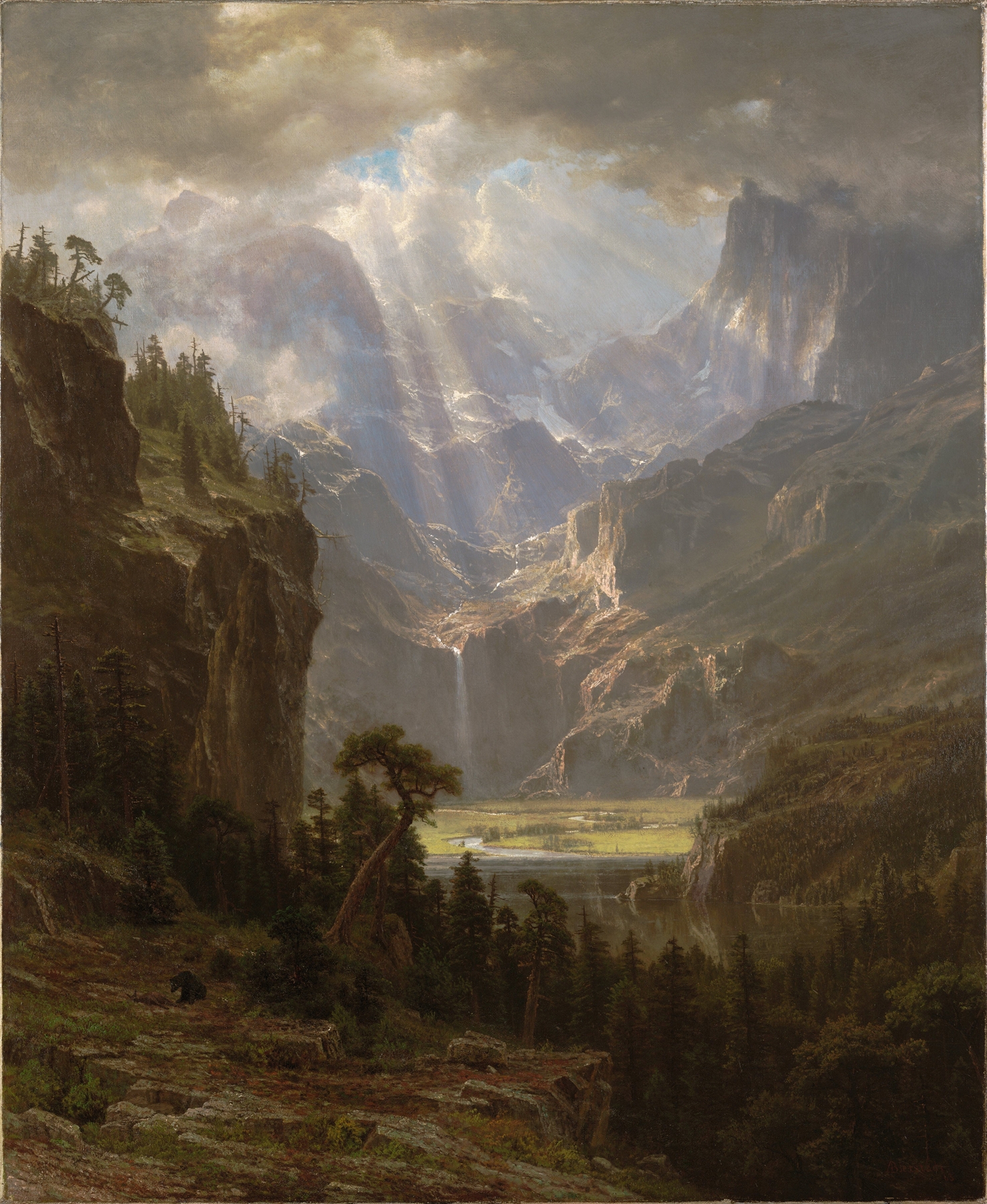
“Every silence here is a confession.” In the vast embrace of nature, the void speaks volumes, revealing the intricate balance between beauty and desolation. Look to the left at the majestic peak that rises sharply into the sky, crowned with bright snow that glimmers under the soft light. Notice how the artist’s delicate brushwork captures the texture of the rocky surfaces, creating an inviting contrast against the smooth, reflective lake below. The vivid greens of the foreground blend seamlessly into the deep blues of the sky, evoking a sense of harmony within a seemingly chaotic wilderness.
Beneath this picturesque landscape lies an emotional tension, a reminder of nature's duality. The tranquil lake, mirroring the towering mountains, invites serenity yet hints at the isolation that such beauty can inspire. The colors, vibrant yet subdued, reflect the artist's ambivalence towards the sublime—an awe for nature that is tinged with a sense of longing for connection in the vastness of the wilderness.
In 1863, Bierstadt was at the height of his artistic career, deeply influenced by the exploration of the American West. This period marked a surge in interest in the western landscape as a symbol of national identity and the sublime. As America grappled with its own growing pains, Bierstadt's work embodied both the romantic ideals of untouched nature and the political undercurrents of a nation in transition, capturing a moment in time that resonates through history.