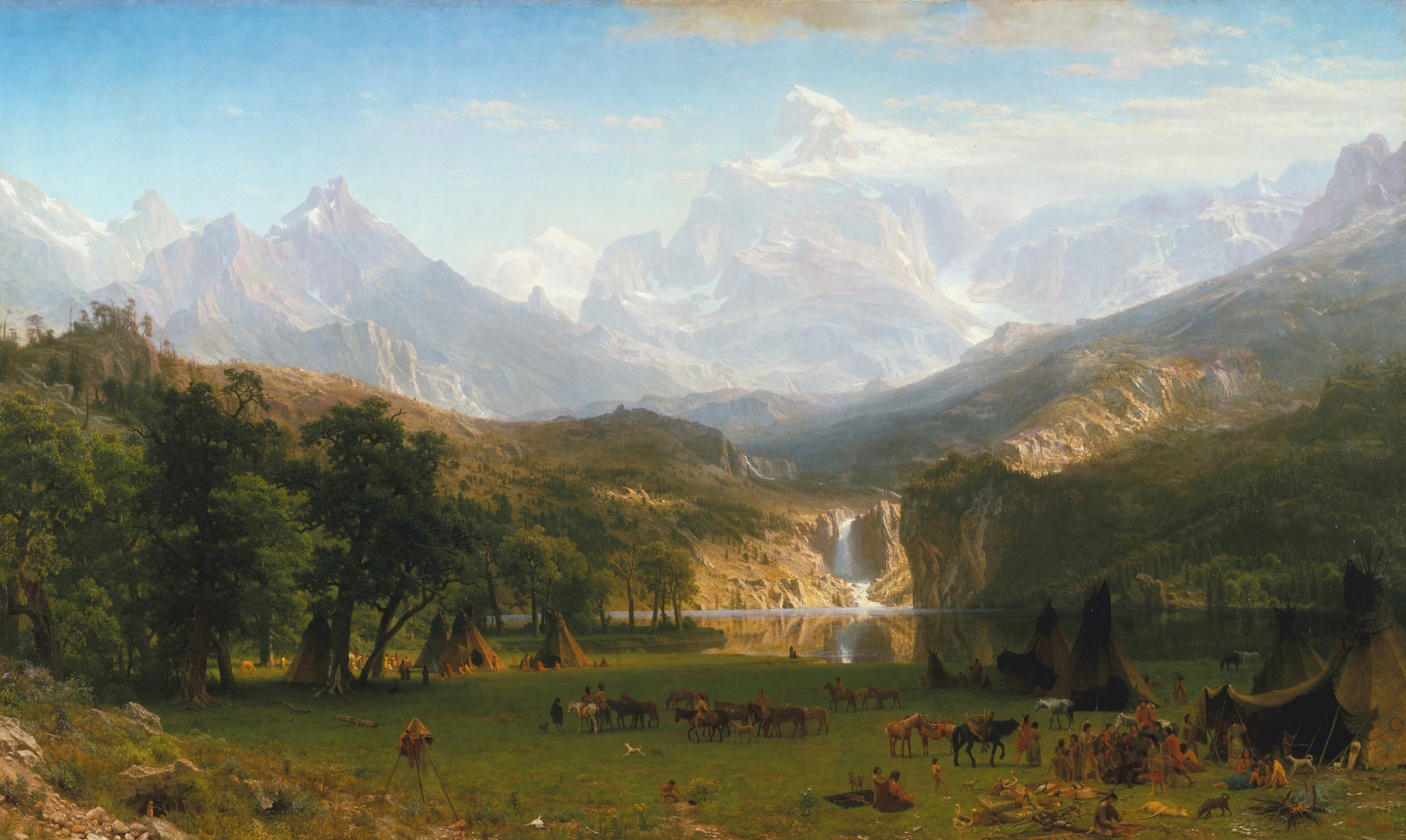
The Rocky Mountains, Lander’s Peak — History & Analysis
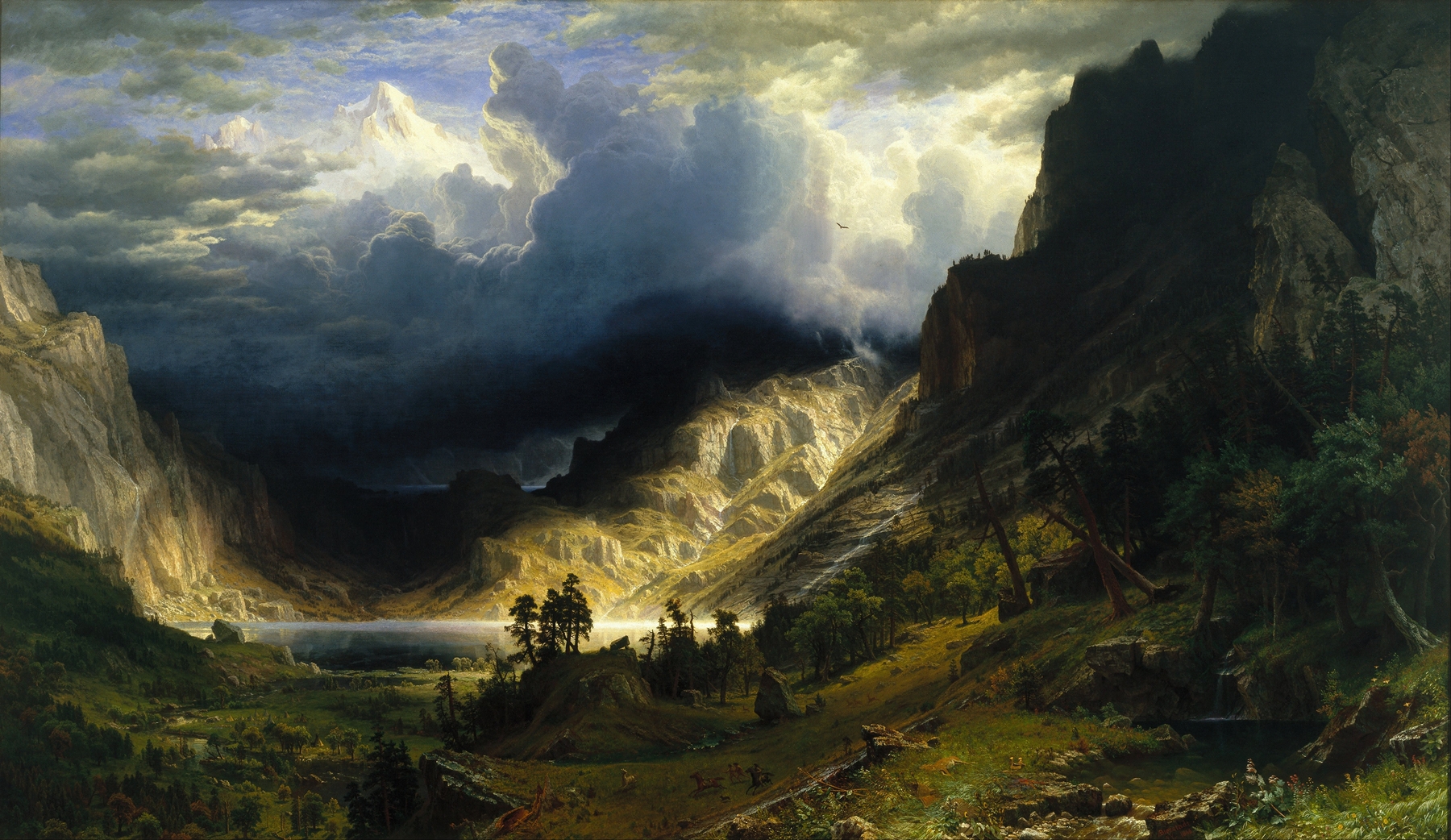
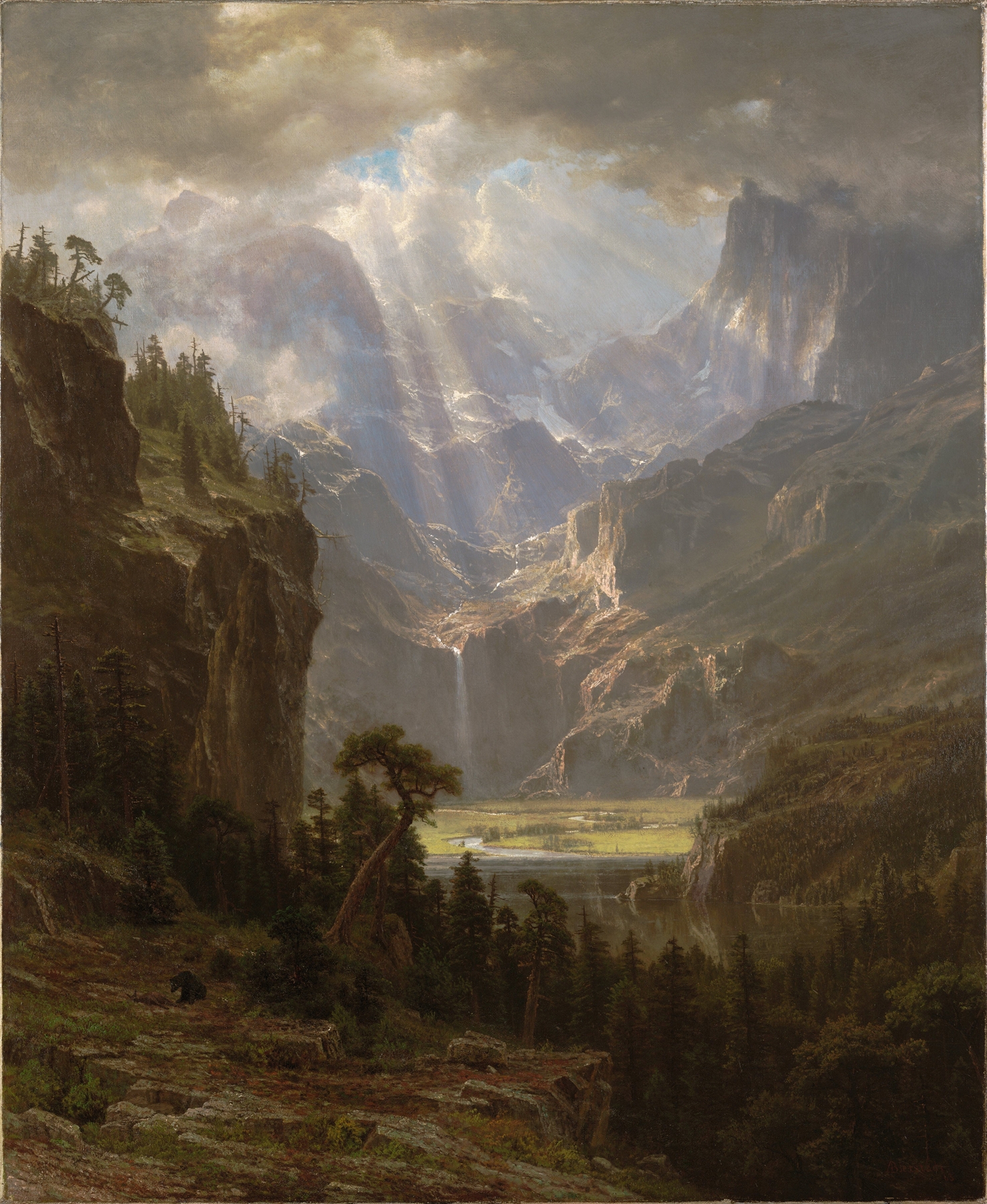
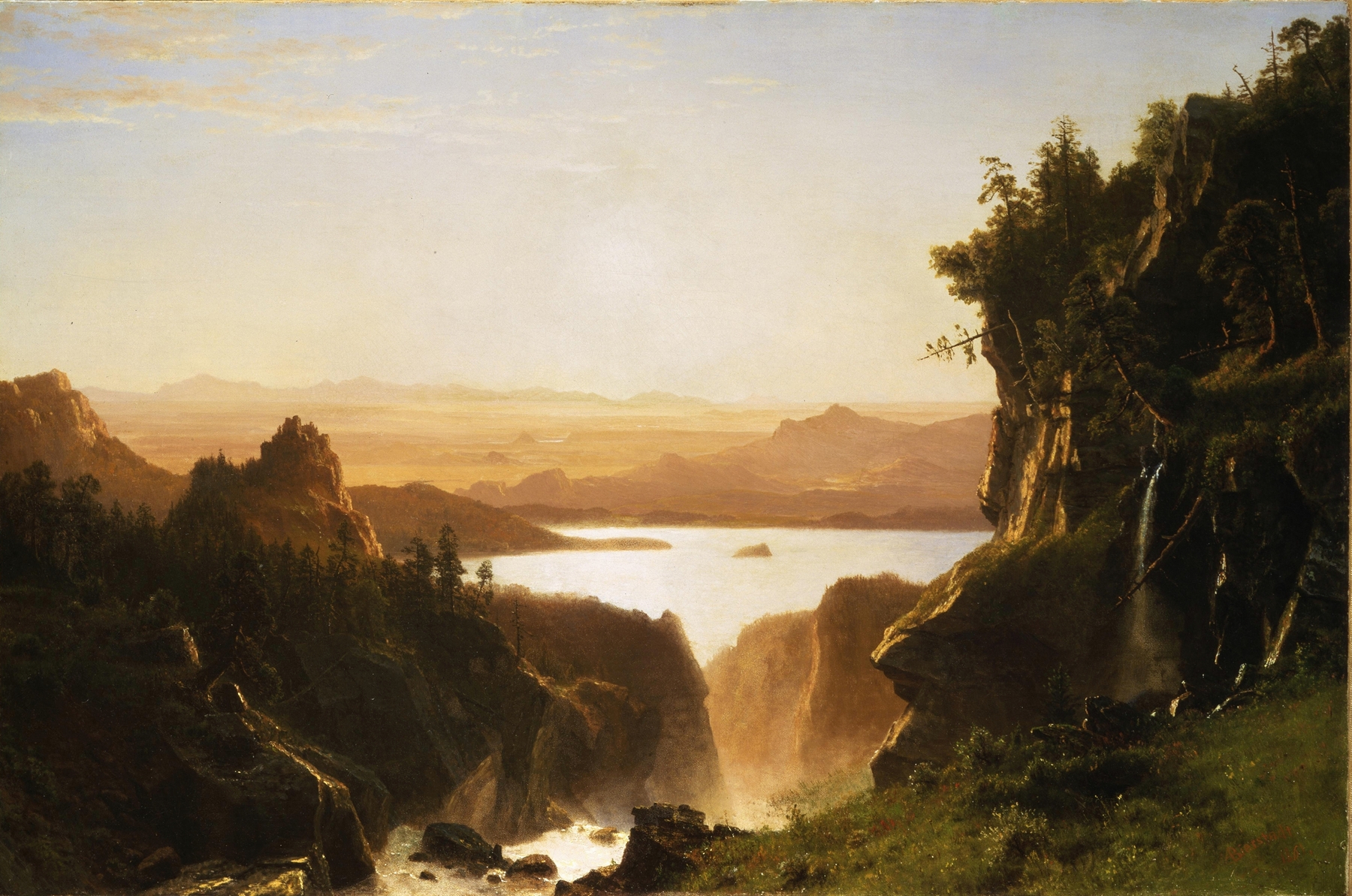
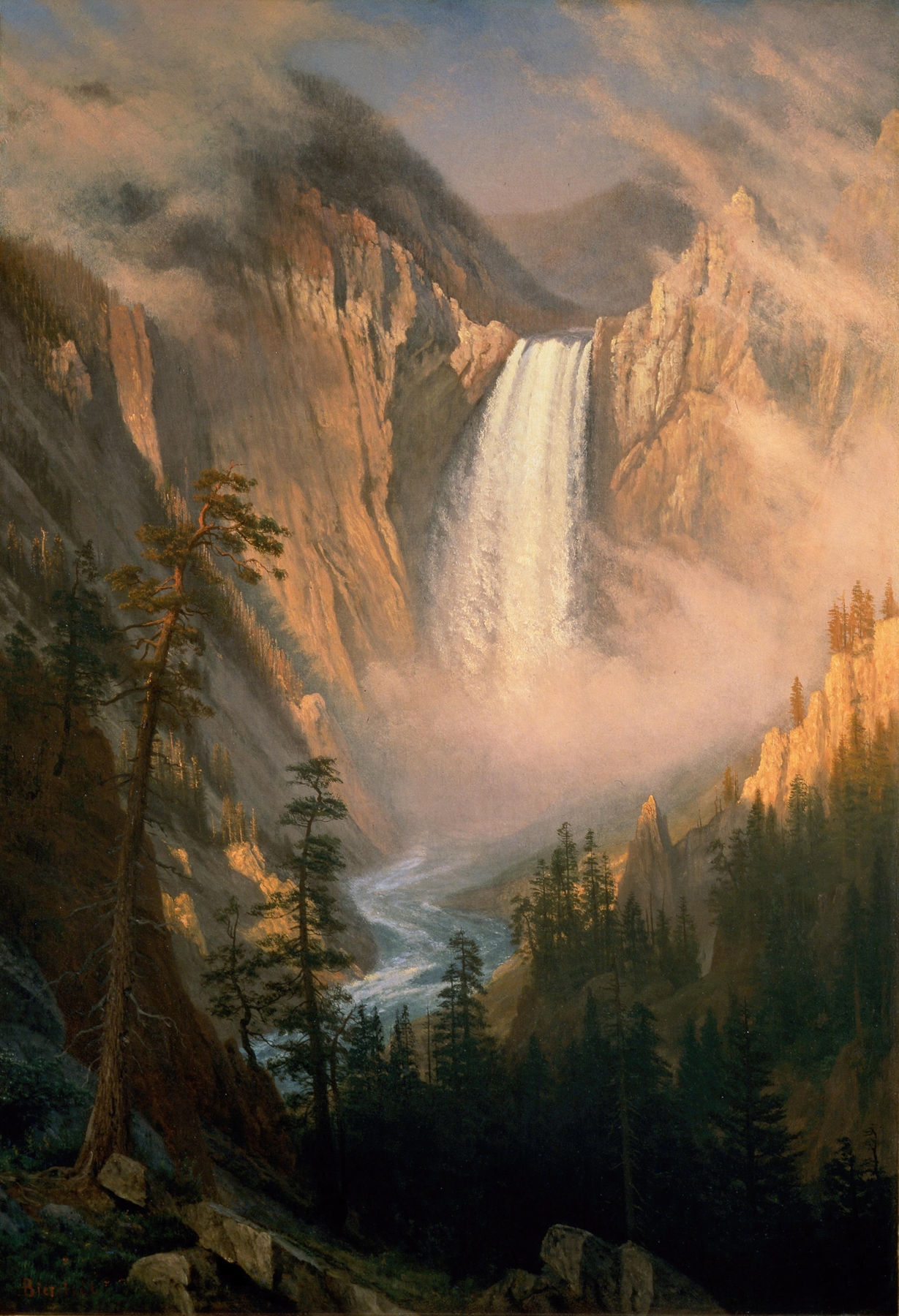
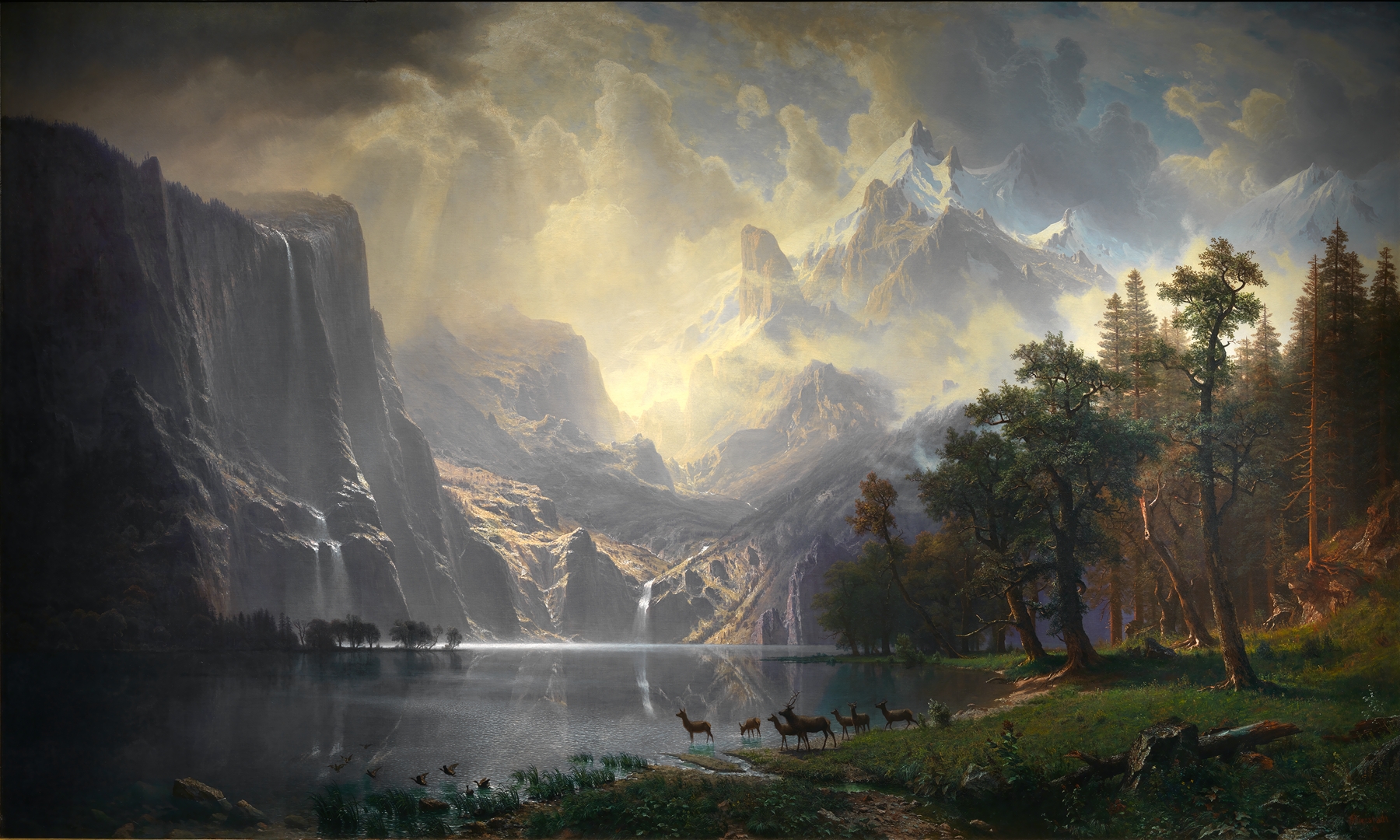
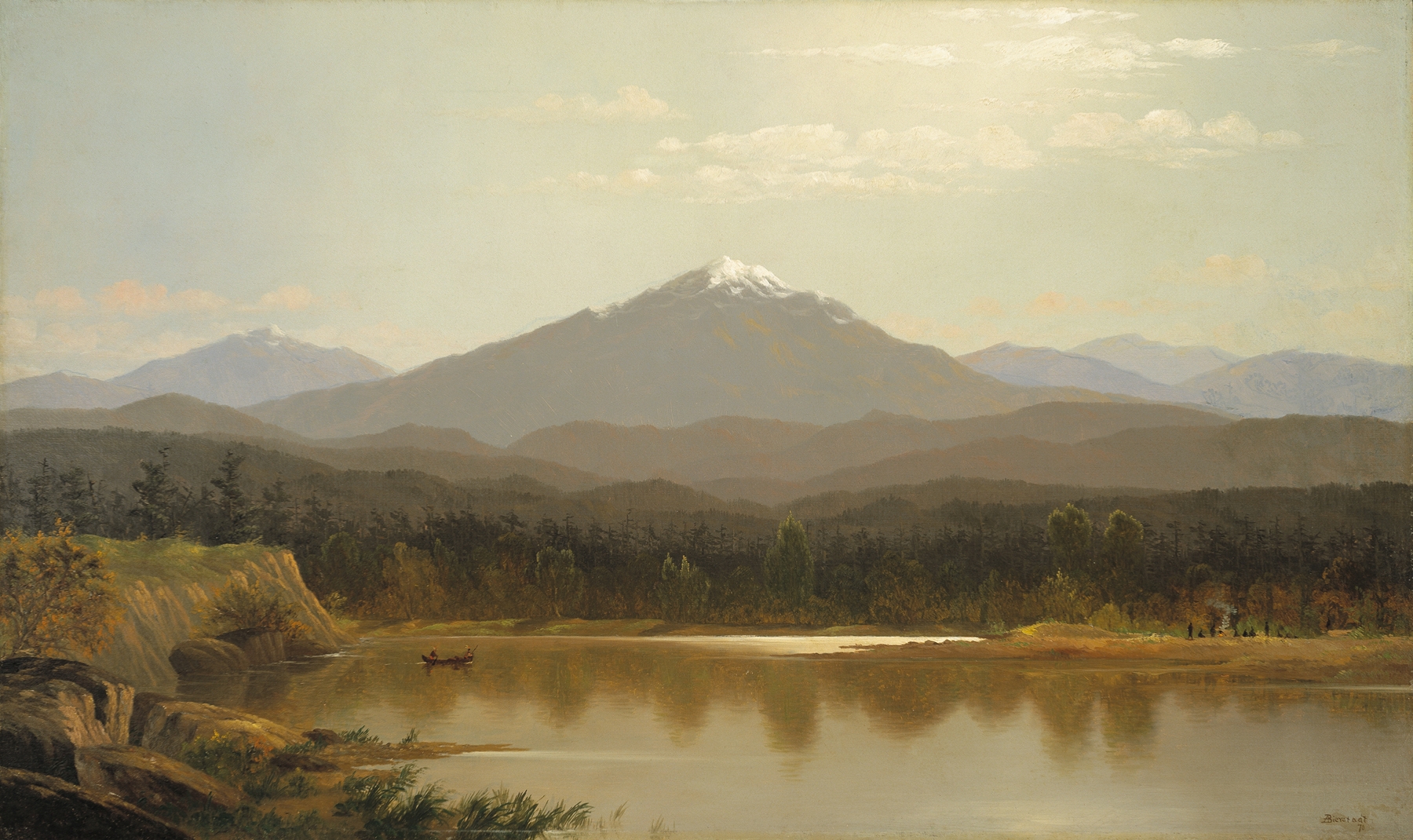
Every brushstroke is a heartbeat remembered. In a world that often rushes past beauty, this artwork captures a moment of sublime reverence for nature’s grandeur. Look to the foreground at the rich greens of the alpine meadows, where wildflowers seem to dance in a gentle breeze beneath the towering cliffs. The pristine blues of the sky stretch above, contrasting the rugged, snow-capped peaks that dominate the horizon.
Notice how light plays across the surface of the lake, mirroring the majesty of the mountains while inviting viewers to lose themselves in its depth. This harmonious color palette immerses you in the serenity of a landscape untouched by time. Delve deeper into the composition, and you’ll uncover an interplay between light and shadow that suggests the passage of time, evoking both the fleeting nature of beauty and the lasting impact of the sublime. The mountains, steadfast yet imposing, represent obstacles and challenges, while the delicate flora signifies resilience and hope.
There lies a tension between grandeur and intimacy, prompting contemplation on humanity's place within the vastness of nature. In 1863, while creating this piece, Bierstadt was immersed in the burgeoning movement of American Romanticism, reflecting the nation’s fascination with the western wilderness. Having just returned from a significant trip through the Rocky Mountains, he sought to convey the majestic beauty he encountered. This period marked a crucial time for the artist as he navigated both personal success and the growing interest in landscape painting, which would help define the era’s artistic landscape.