Valley of the Yosemite — History & Analysis
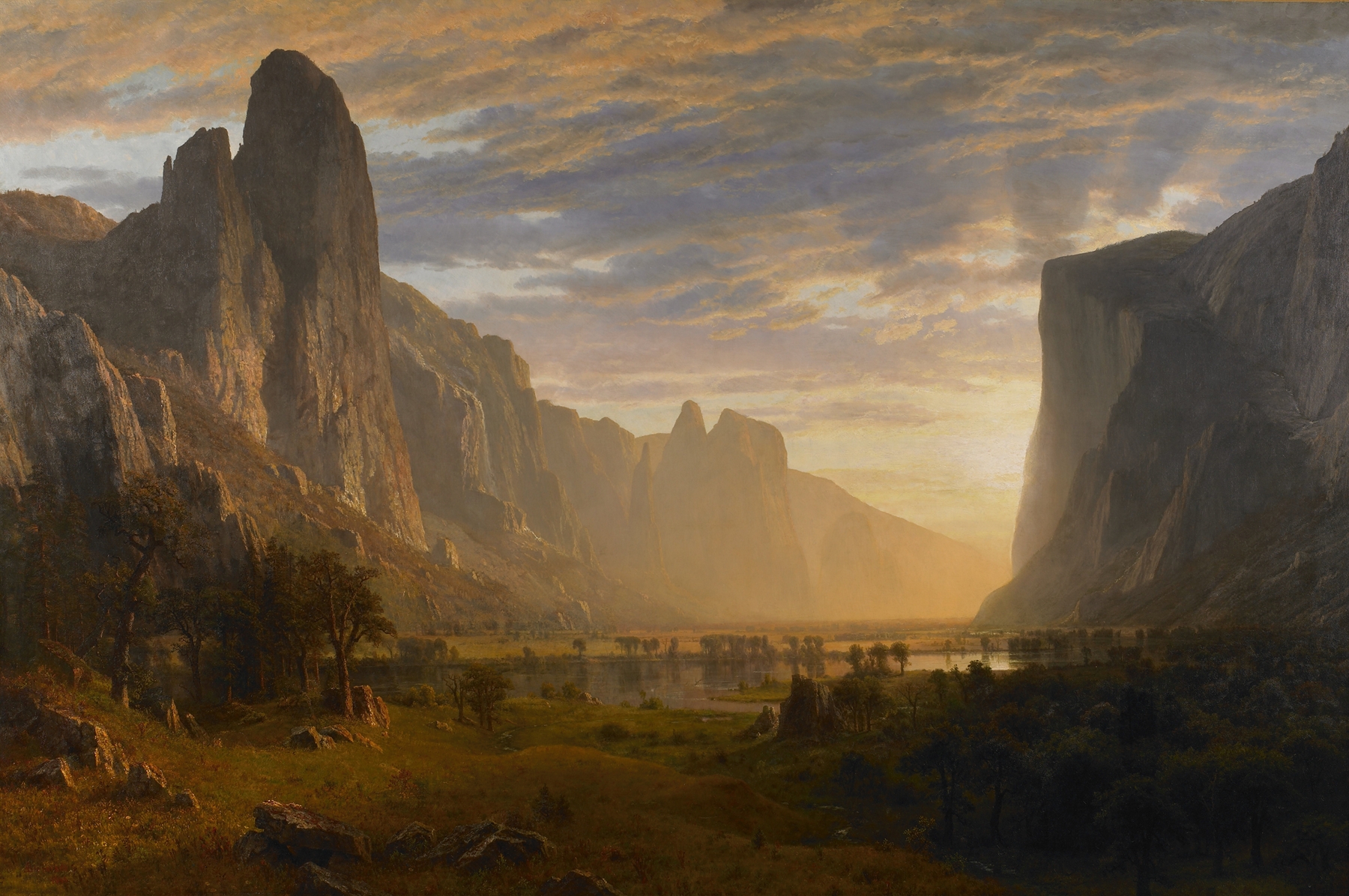
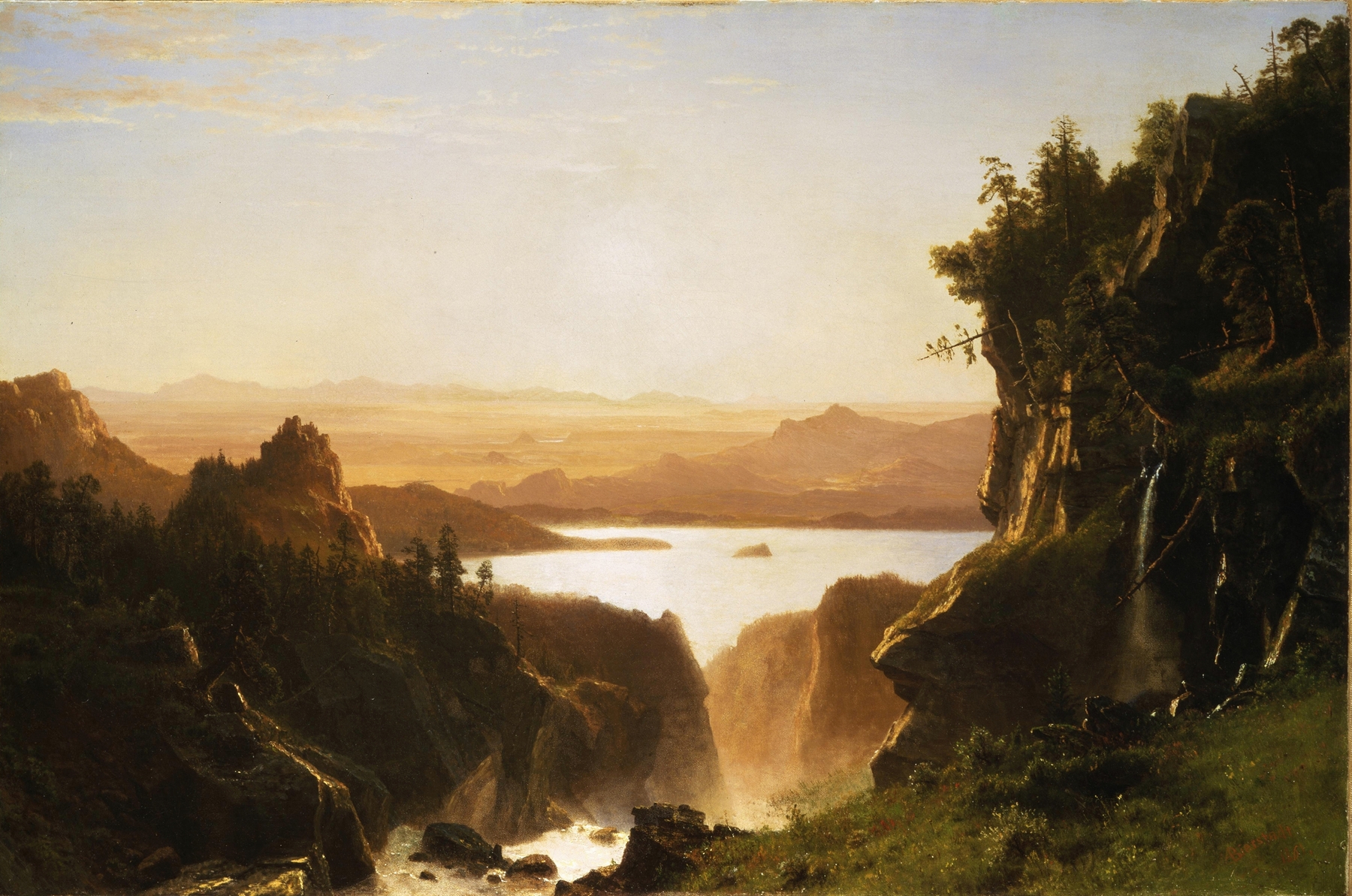
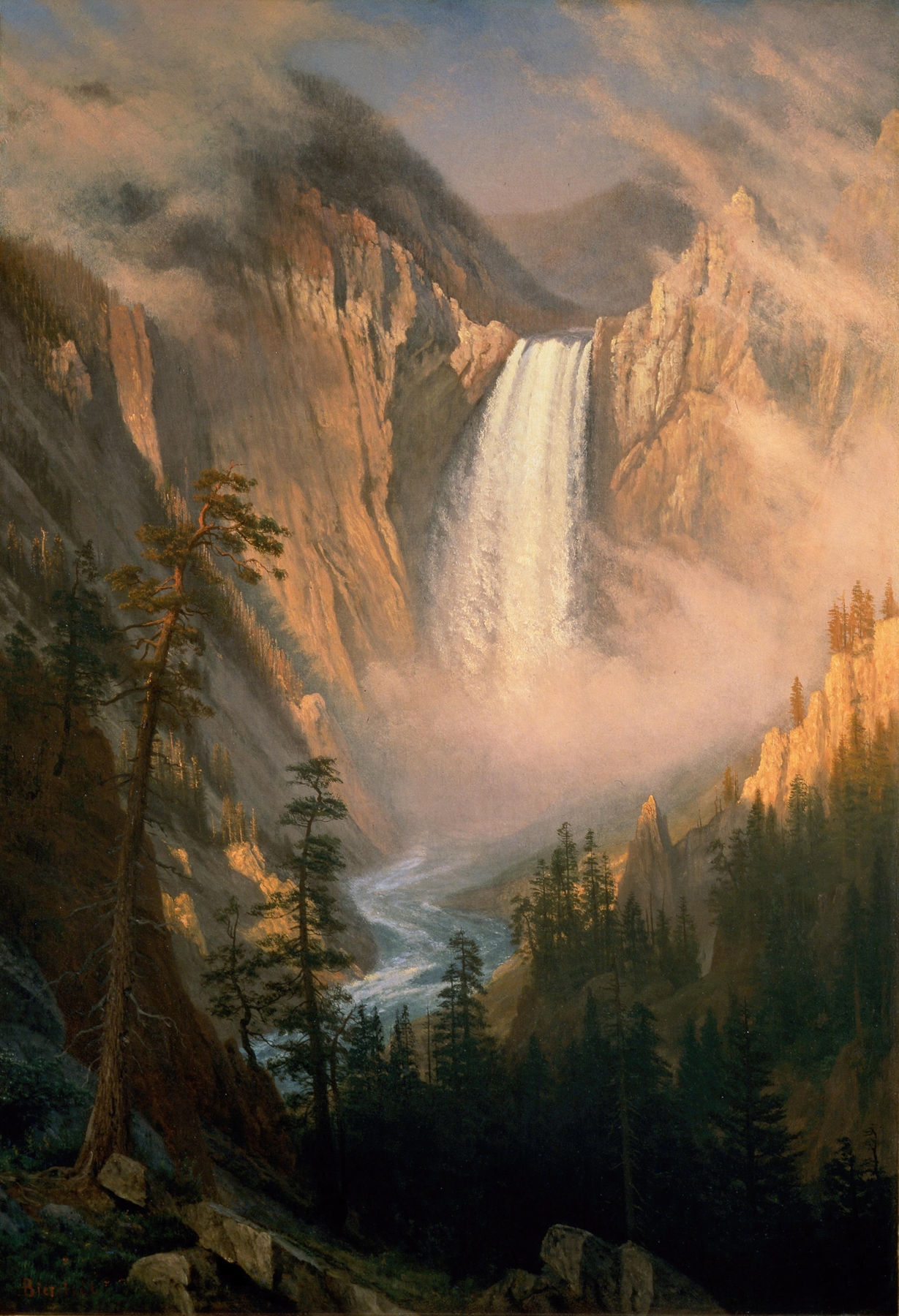
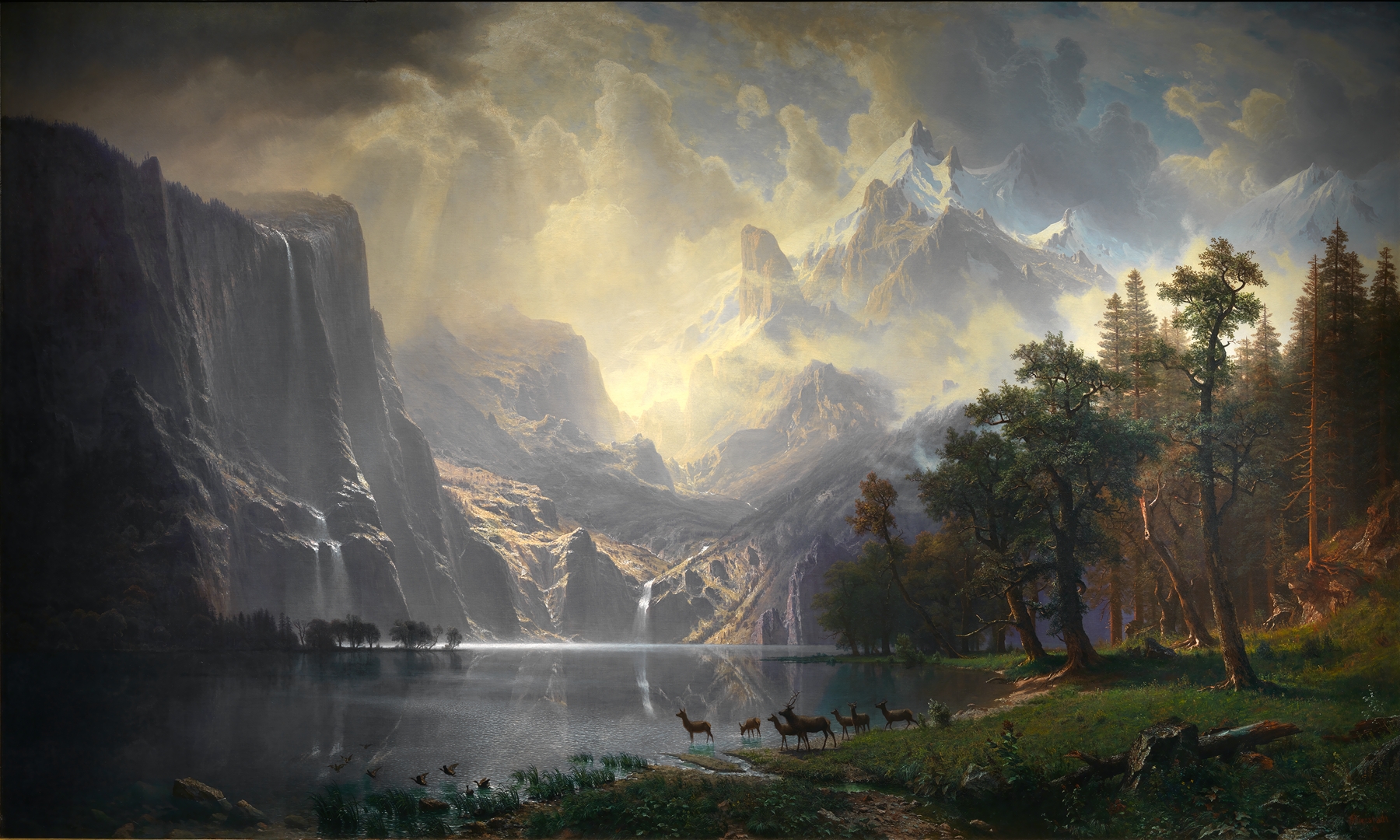
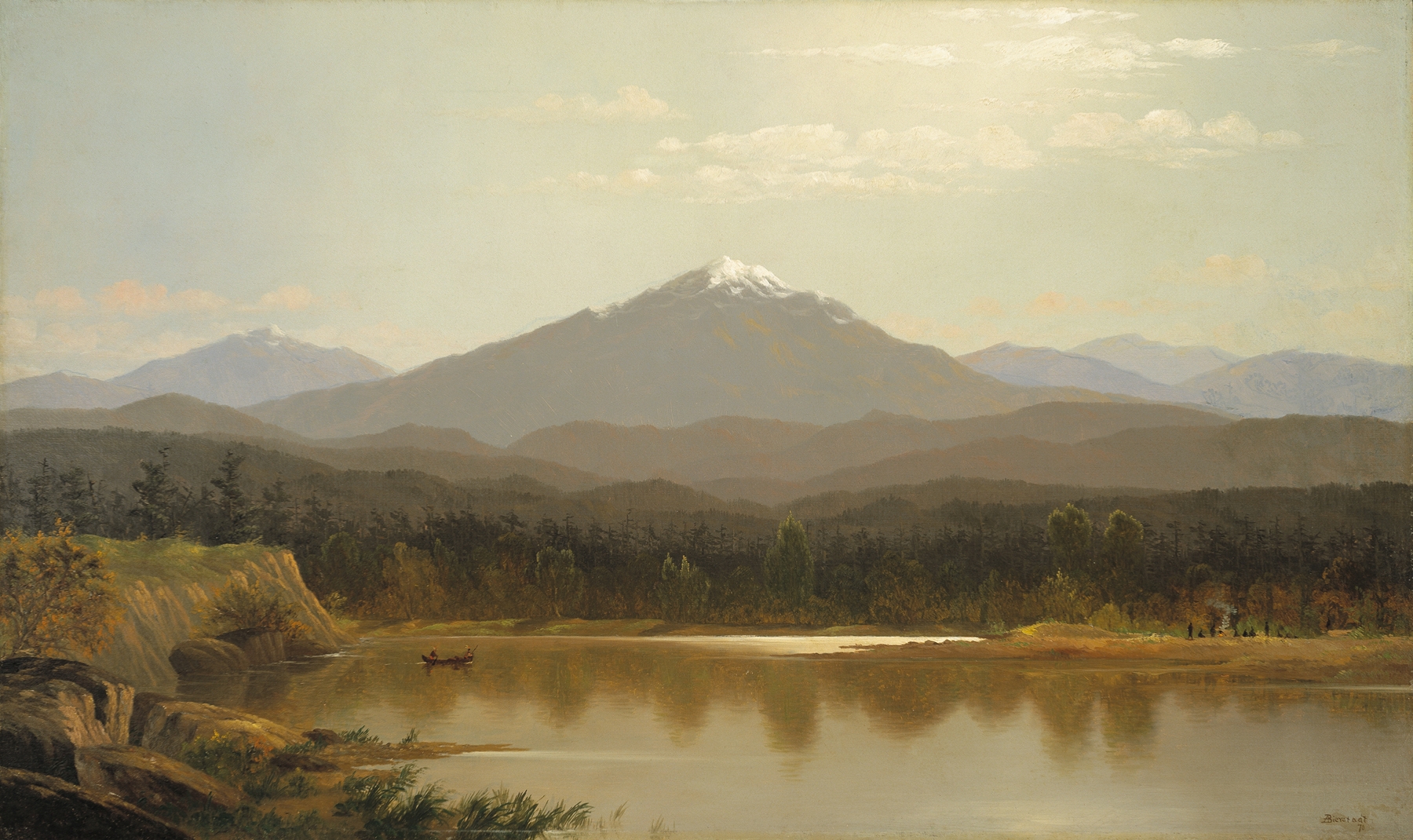
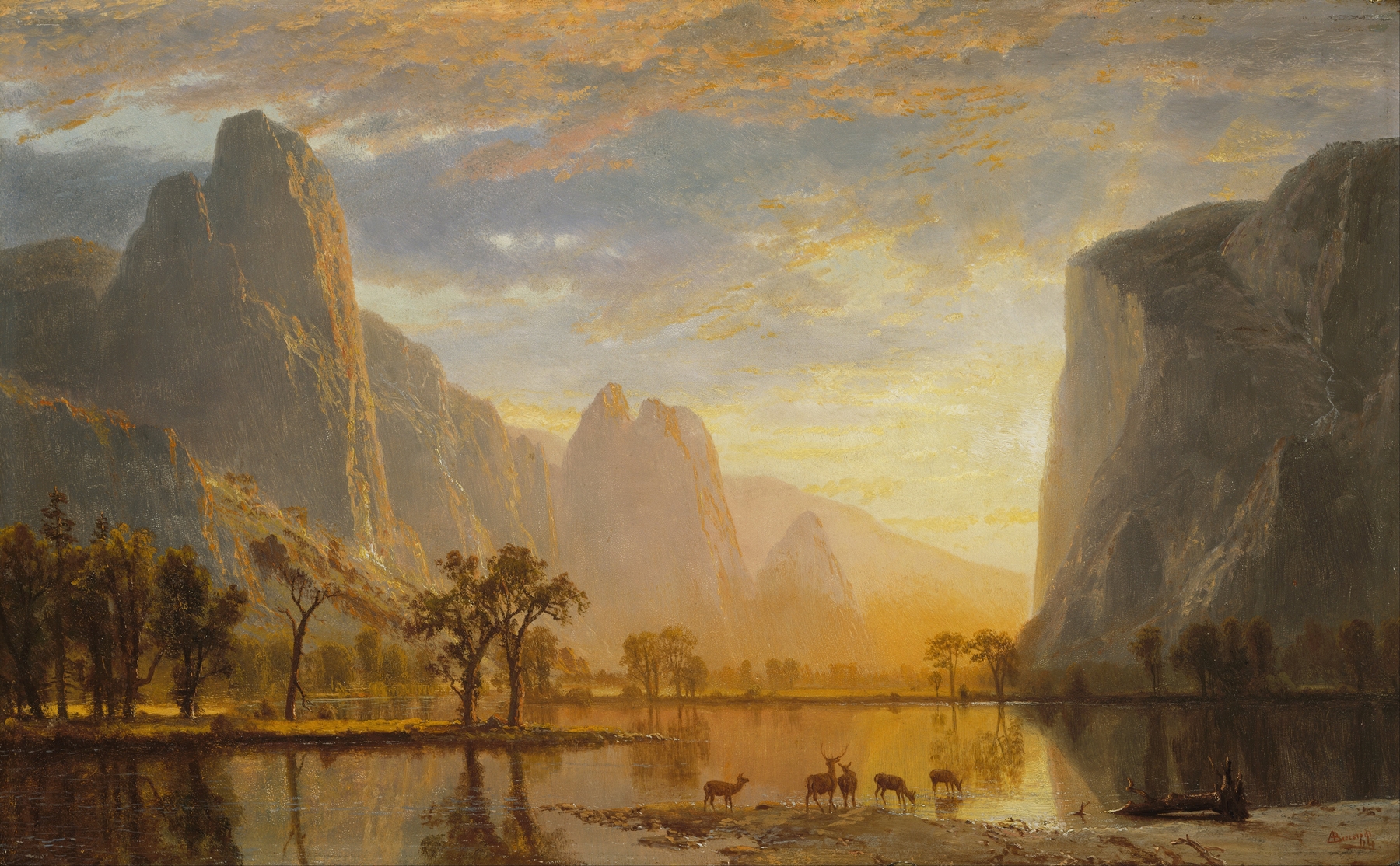
“To paint is to remember what time wants us to forget.” In Valley of the Yosemite, the grandeur of nature stands as a witness to human ambition and, perhaps, betrayal. Look to the sweeping expanse of the valley, framed by towering granite cliffs that dominate the composition. The artist masterfully layers soft greens and deep blues, inviting your gaze to traverse from the lush foreground to the ethereal blue sky. Notice how the light cascades through the clouds, illuminating the valley below with a golden warmth that feels almost heavenly, contrasting with the imposing strength of the mountain range.
Yet, within this breathtaking beauty lies a tension—a reminder of the fragility of the landscape and the encroachment of civilization. The scene evokes a sense of nostalgia, hinting at the loss of untouched wilderness to the relentless march of progress. The delicate interplay of light and shadow suggests moments of intimacy and solitude, whispering stories of those who once roamed this land, now overshadowed by the very forces that seek to immortalize it.
In 1864, while living in the United States, Bierstadt painted this masterpiece during a period marked by the burgeoning exploration of the West. It was a time of great transition, as the country grappled with the implications of expansion and the often harsh realities of industrialization. His work captures not just the physical beauty of Yosemite but also the complexities of an era where nature's majesty was both celebrated and exploited.