Island Lake, Wind River Range, Wyoming — History & Analysis
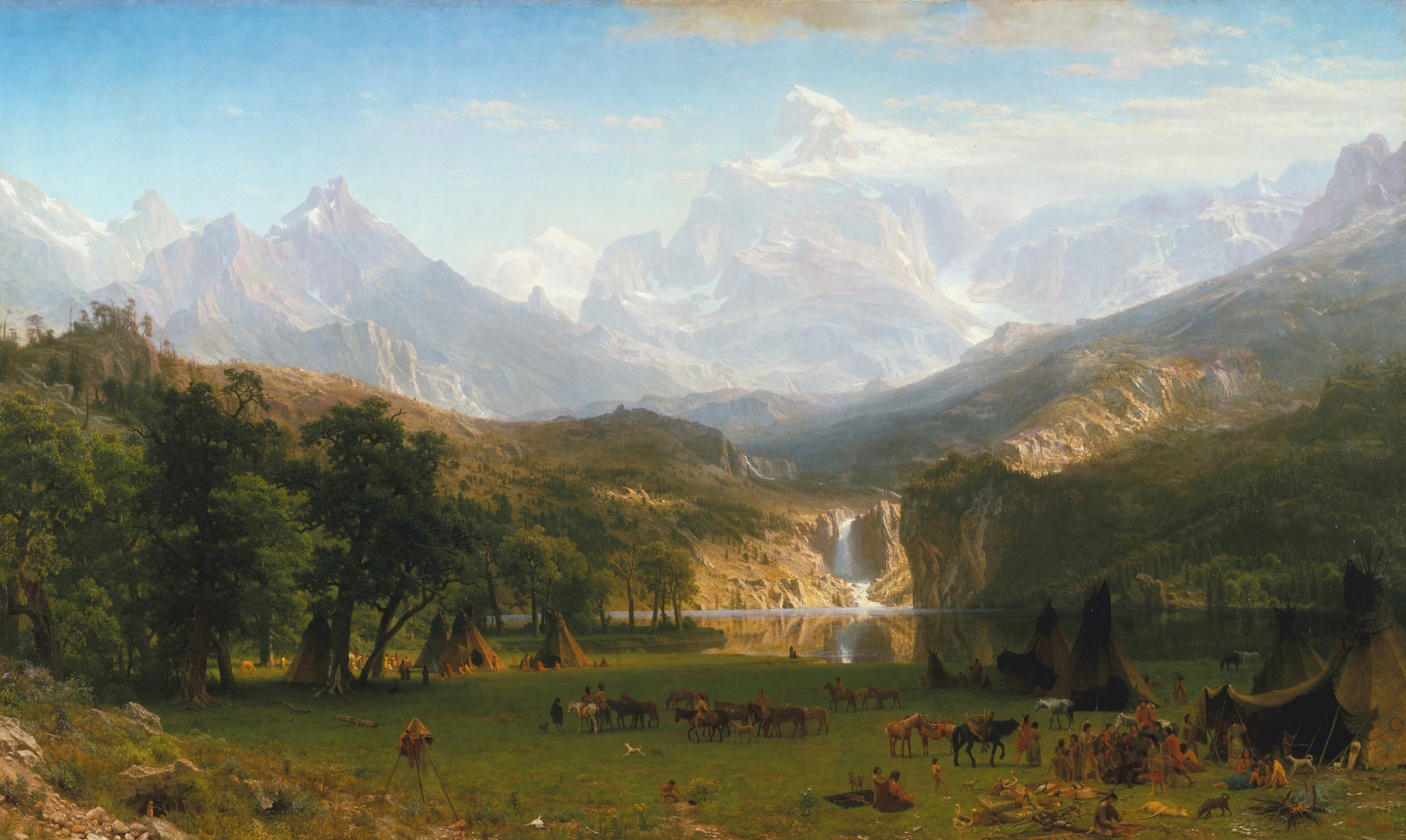
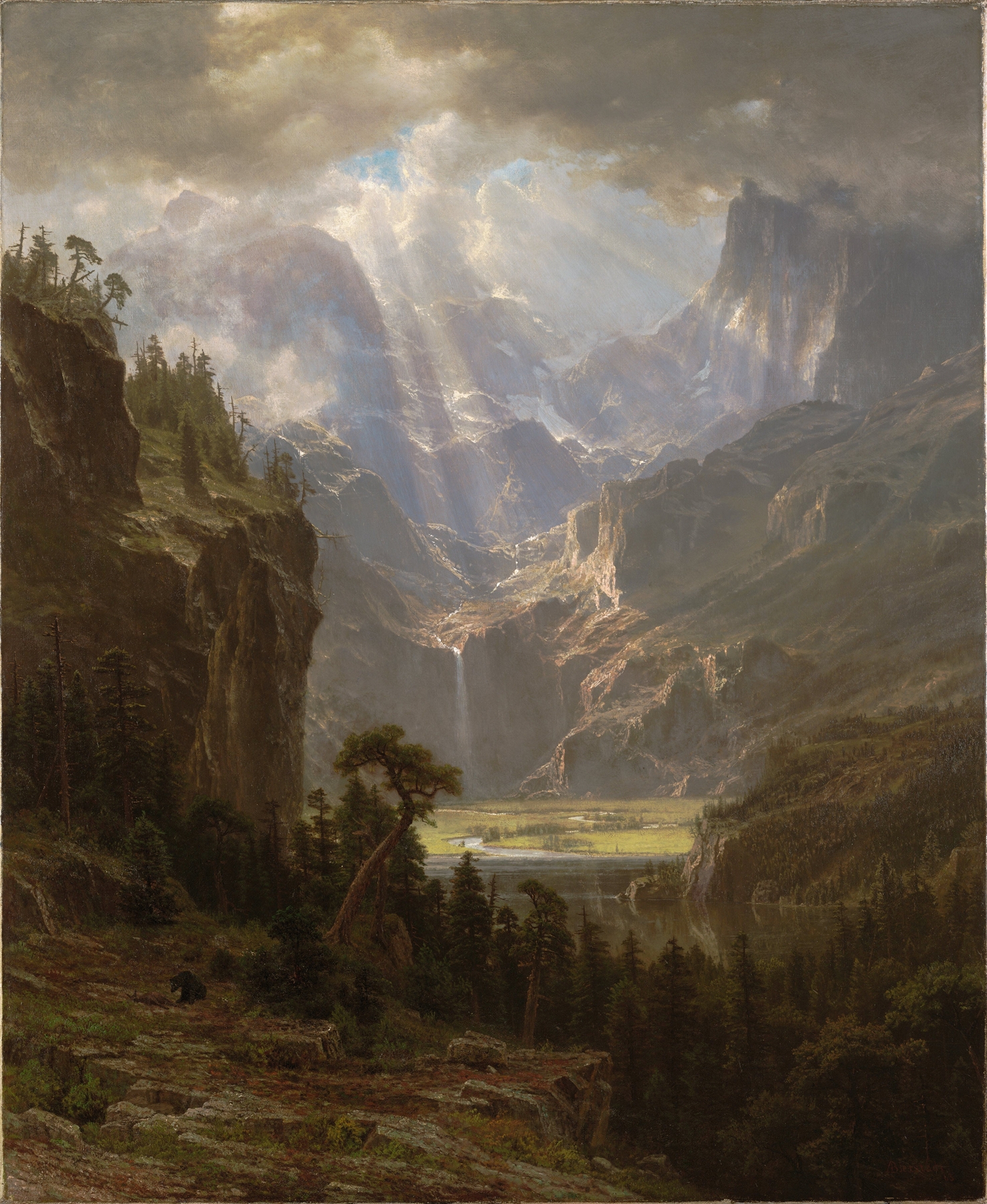
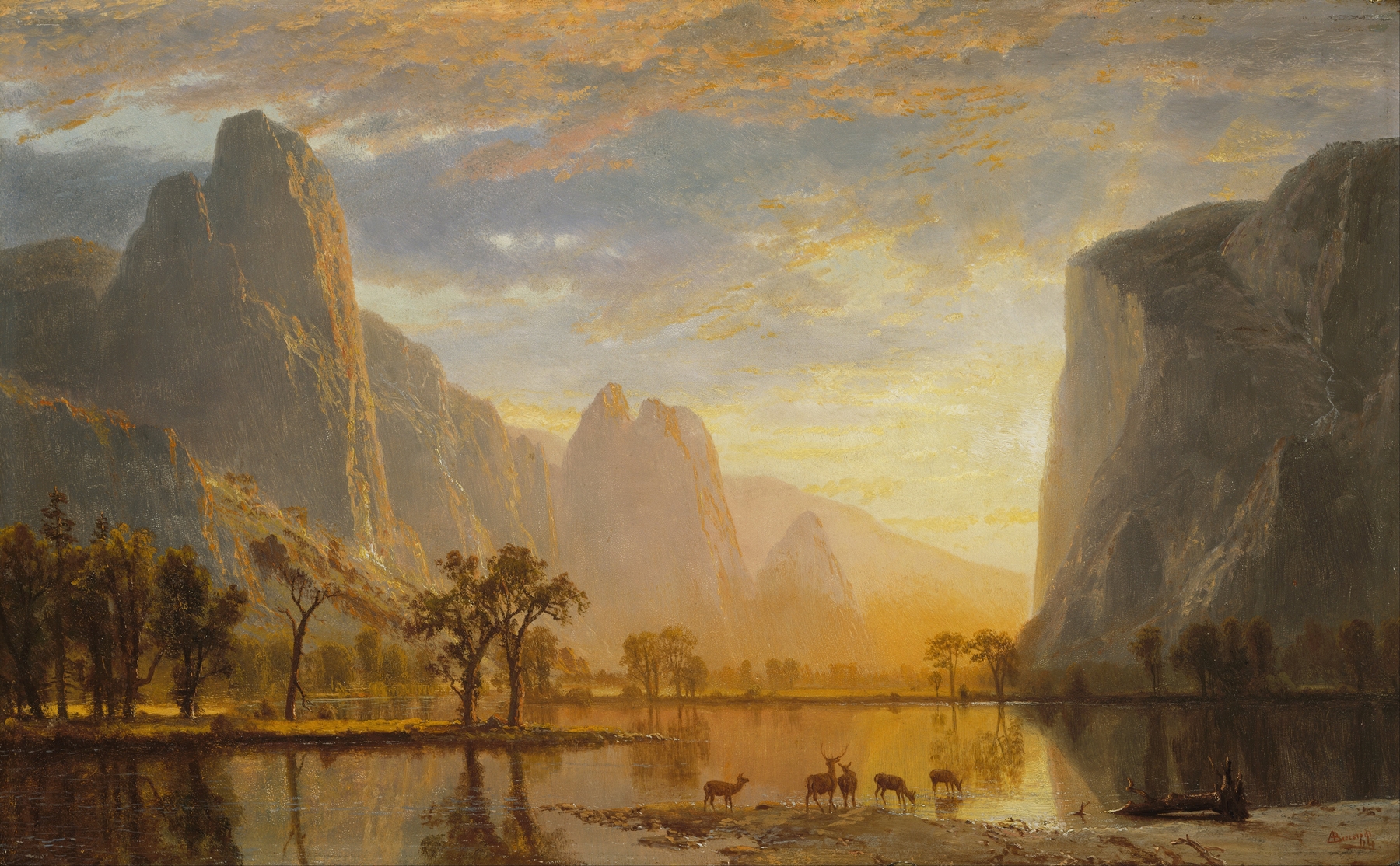
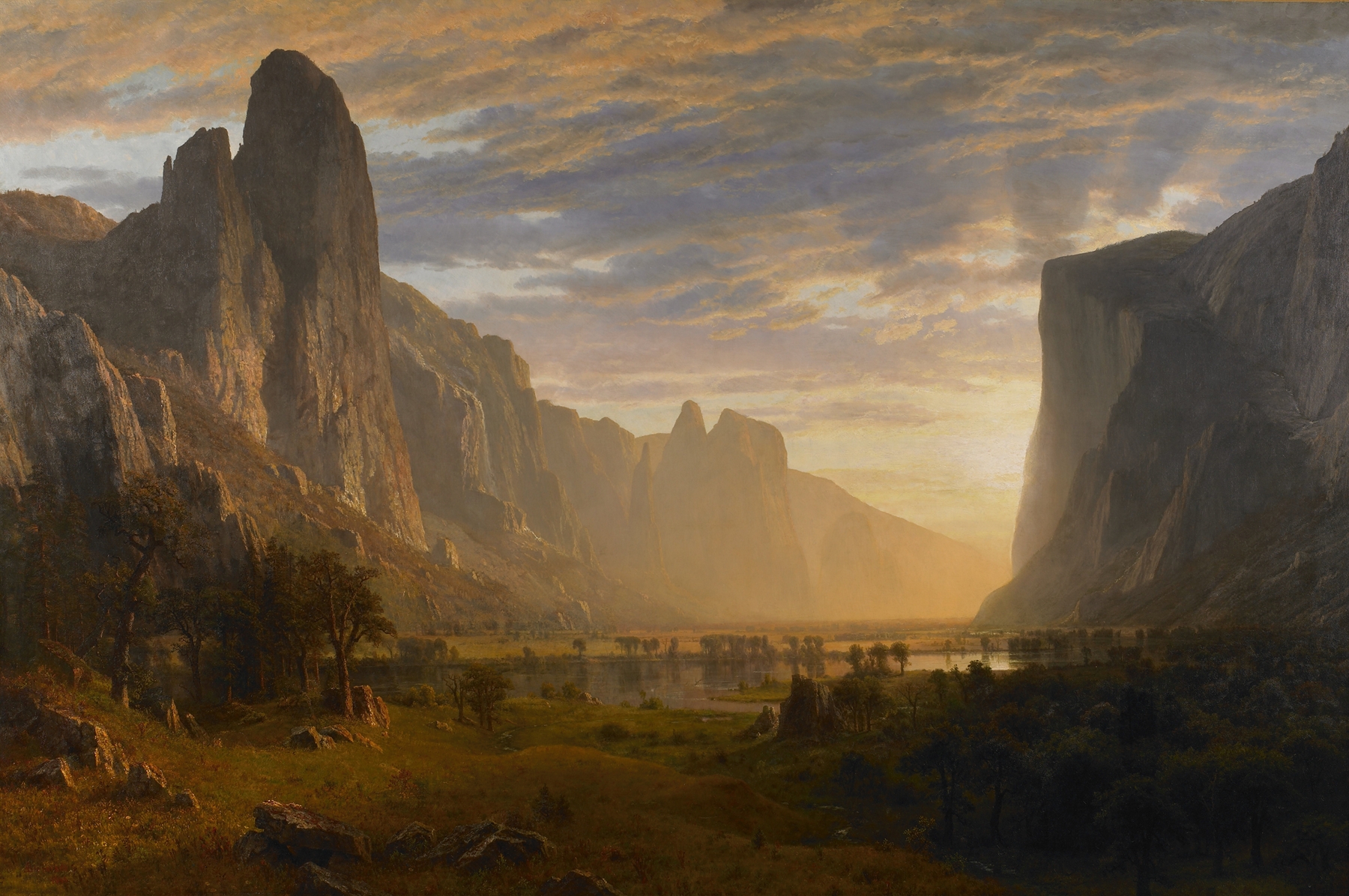
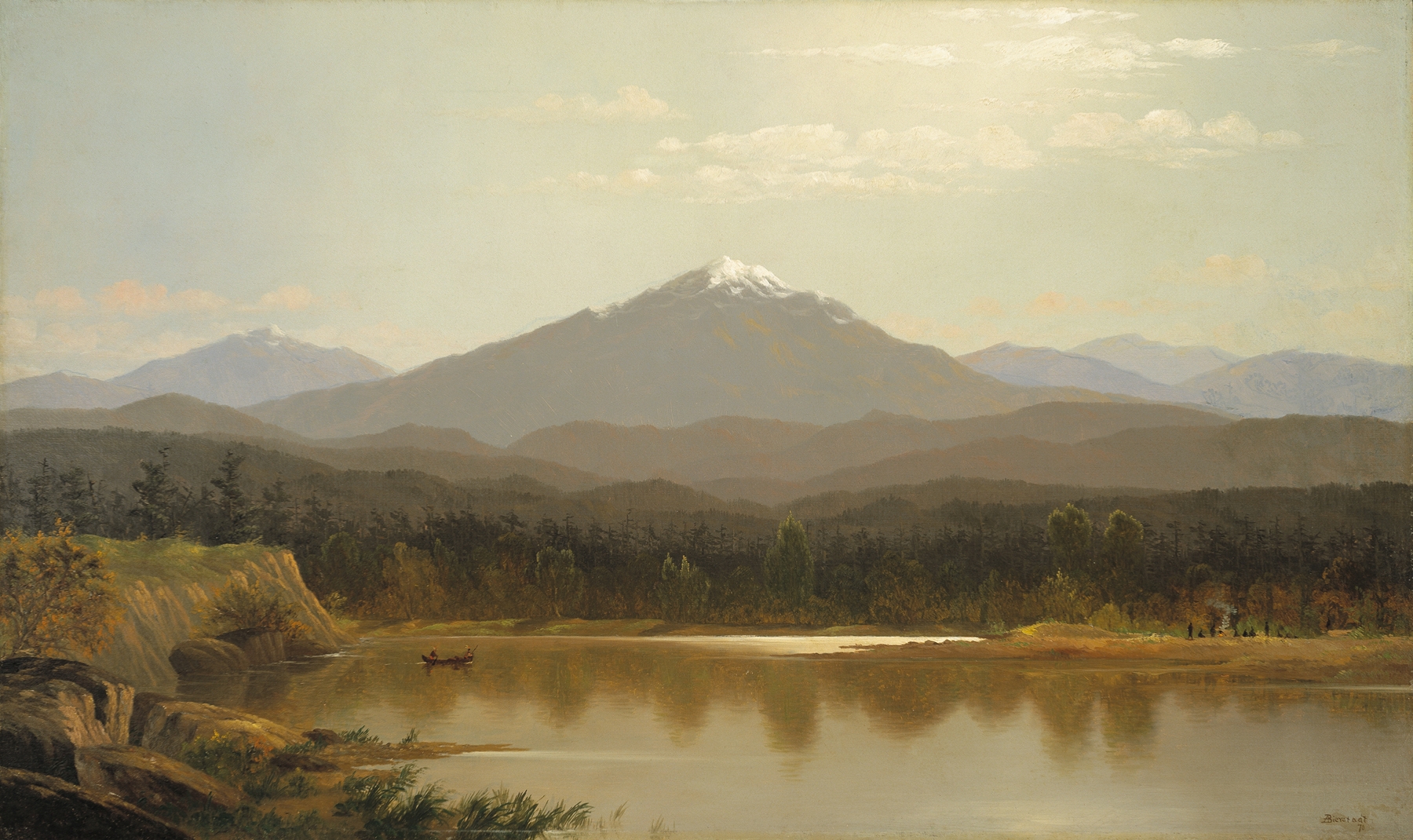
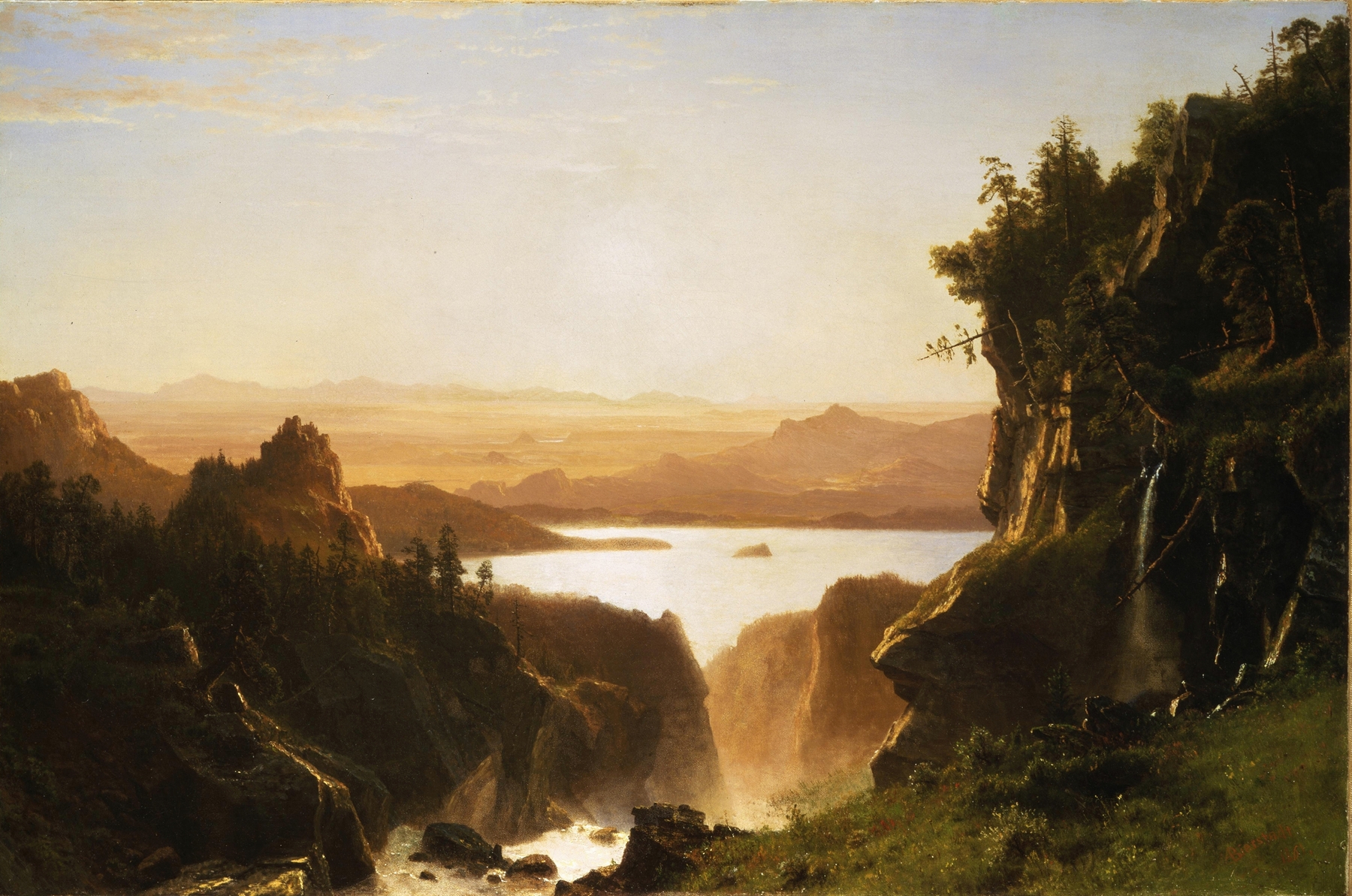
“To paint is to remember what time wants us to forget.” In the delicate strokes of Bierstadt’s Island Lake, Wind River Range, Wyoming, a profound beauty is captured, inviting reflection on nature’s ephemeral moments. Look to the center of the canvas, where the tranquil lake mirrors the majestic peaks, their surfaces kissed by the soft light of dawn. Notice how the artist’s use of vibrant blues and gentle greens intermingles with the warm golden hues, creating a harmony that feels both inviting and serene.
The meticulous brushwork gives life to the rugged terrain and lush foliage, while the clouds hover like whispers, hinting at a story not yet told. Bierstadt’s painting conveys more than just a picturesque landscape; it teems with emotional contrasts. The stillness of the water juxtaposes the grandeur of the mountains, suggesting a delicate balance between peace and the overwhelming power of nature.
The rich detail in the foreground reflects the vibrancy of life, yet also hints at the solitude found in such untamed beauty—a reminder of both the tranquility and isolation that wilderness can evoke. In 1861, Bierstadt painted this work amid the burgeoning American landscape movement, a time when artists were beginning to explore and celebrate the vastness of the country. His travels through the West were fueled by a desire to capture the unspoiled beauty of the American landscape, and this piece reflects both his artistic vision and the romanticism that surrounded this era in art history.