Deposition (Icon) — History & Analysis
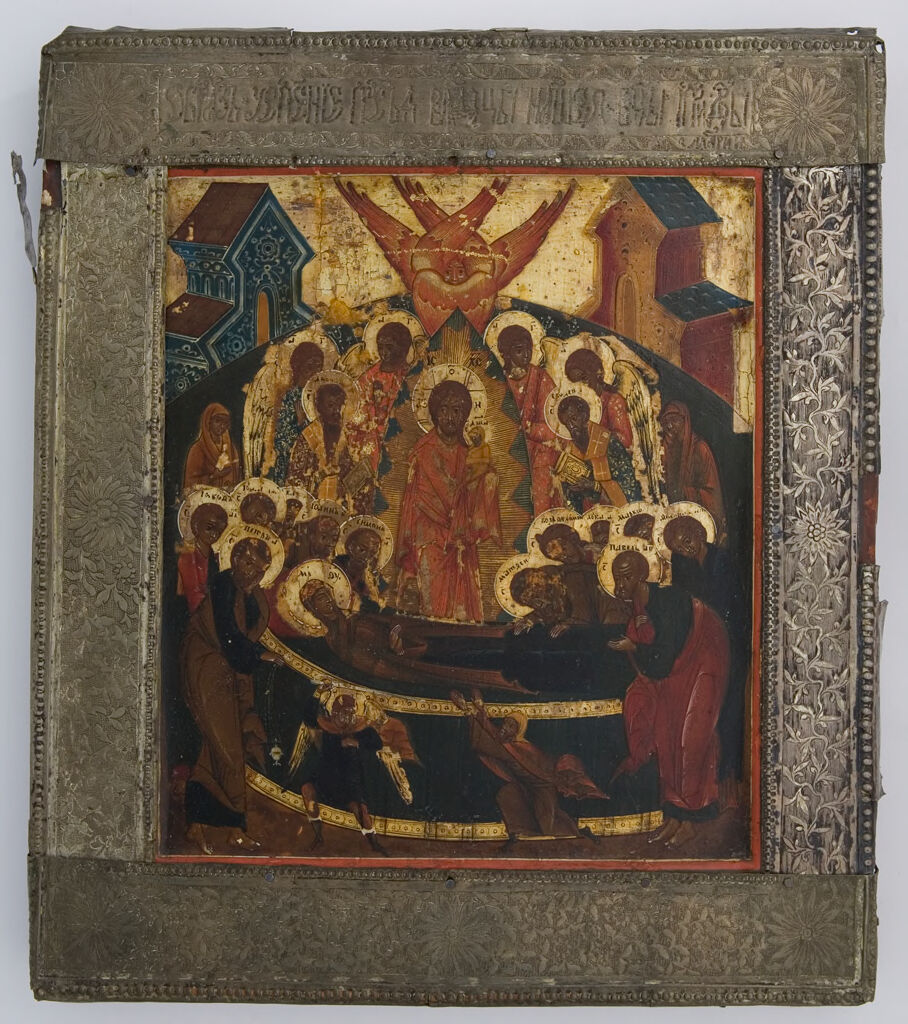
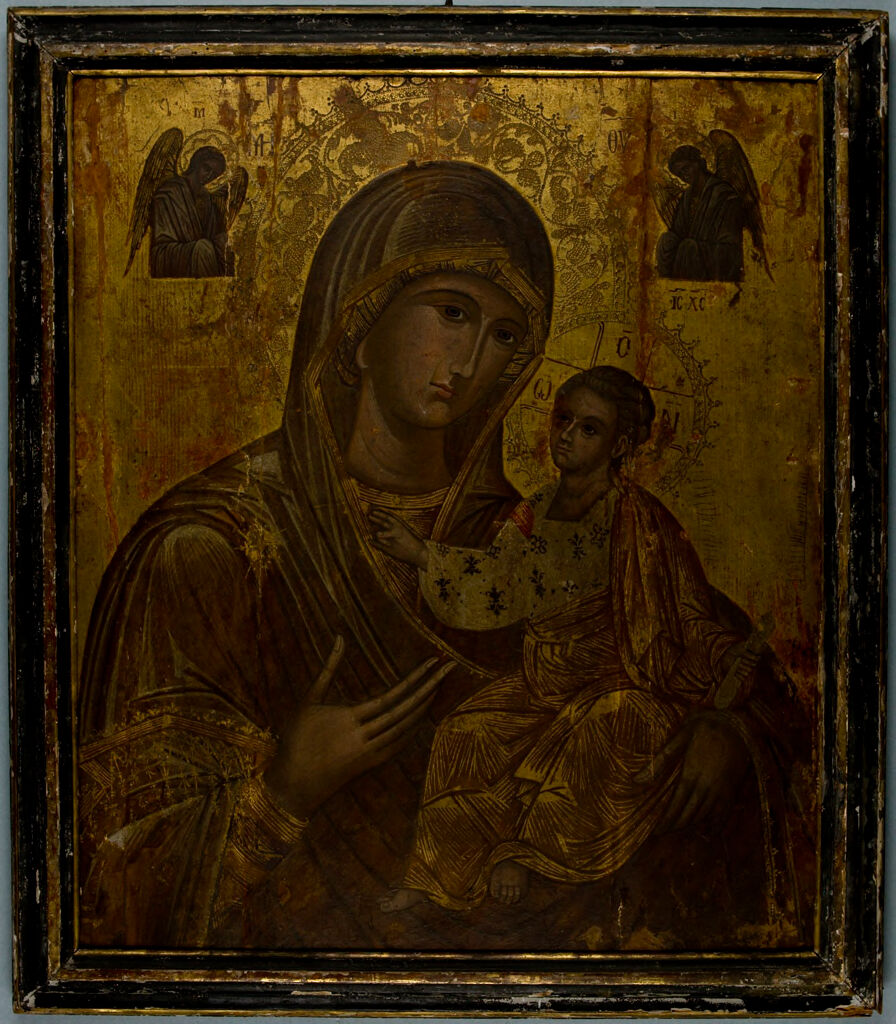
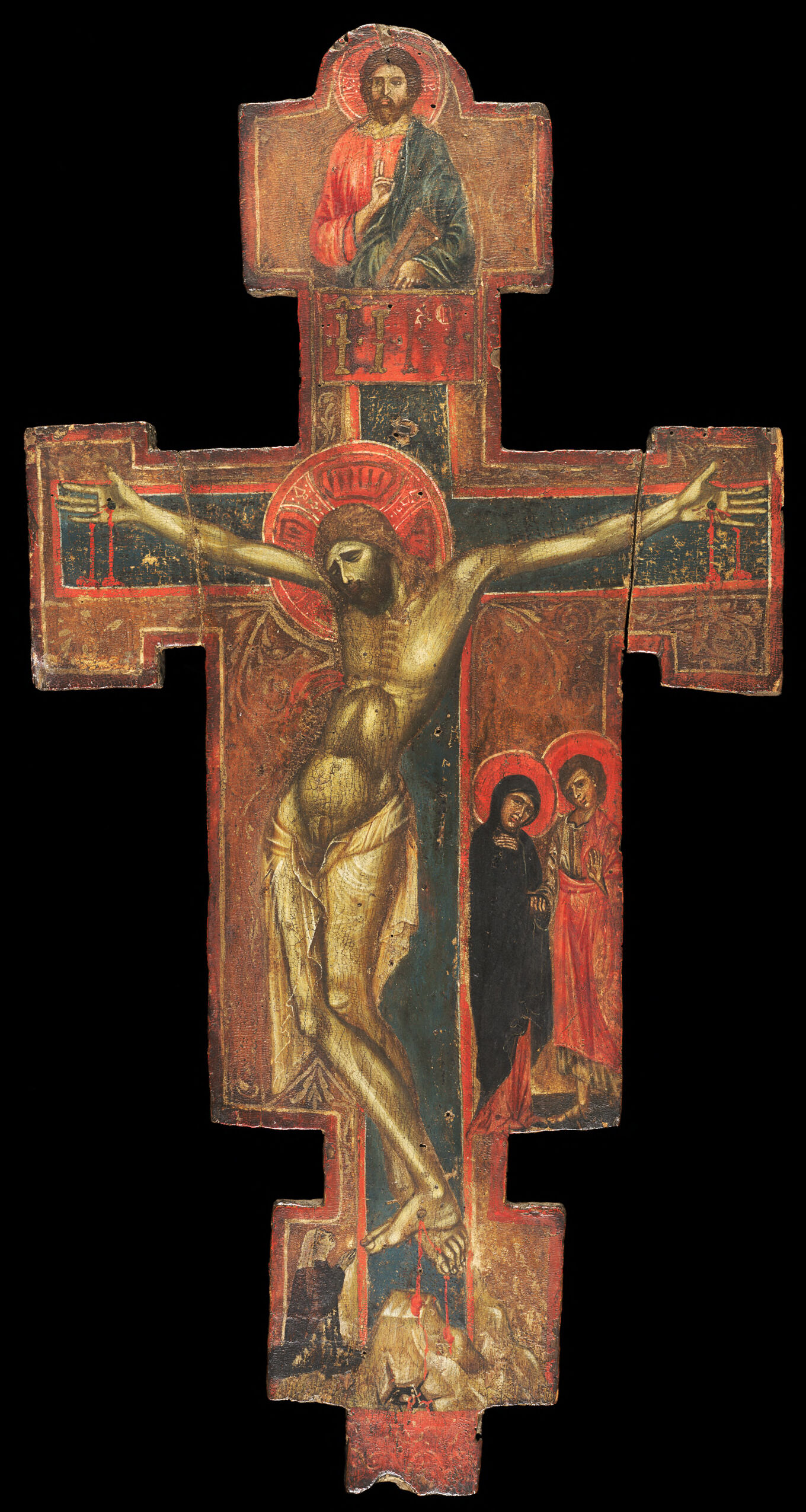
What if silence could speak through light? The gentle illumination in the Deposition envelops a poignant moment, where innocence and sorrow intertwine, expressing a profound narrative without uttering a word. Look to the center, where the figures are delicately arranged, each one representing a spectrum of grief and devotion. The soft, muted palette evokes a somber atmosphere, as gentle hues of blue and gray caress the figures’ faces.
Notice how the light falls upon their hands, almost reverently cradling the lifeless body, a gesture steeped in tenderness and loss. The juxtaposition of their finely detailed expressions against the ethereal background creates an emotional weight that draws the viewer into the depth of their sorrow. Hidden within the composition are subtle contrasts that enrich its meaning. The stark tension between the lifelessness of the body and the vibrant humanity of the mourners speaks to the fragility of life.
Each figure's gaze, directed at the fallen one, tells a silent story of love, loss, and innocence, creating a tableau that resonates with the heart's unspoken words. The stark simplicity of the scene invites a reflection on both the inevitability of mortality and the enduring nature of affection. This work, created by an unidentified artist in an unknown period, resonates through the ages, reflecting a time when religious themes dominated artistic expression. In an era marked by spiritual exploration and profound existential questions, the artist captured not just a moment but an emotional ethos that transcends the boundaries of time, reminding us that innocence is often clearest in our deepest sorrow.