Christ Healing the Blind — History & Analysis

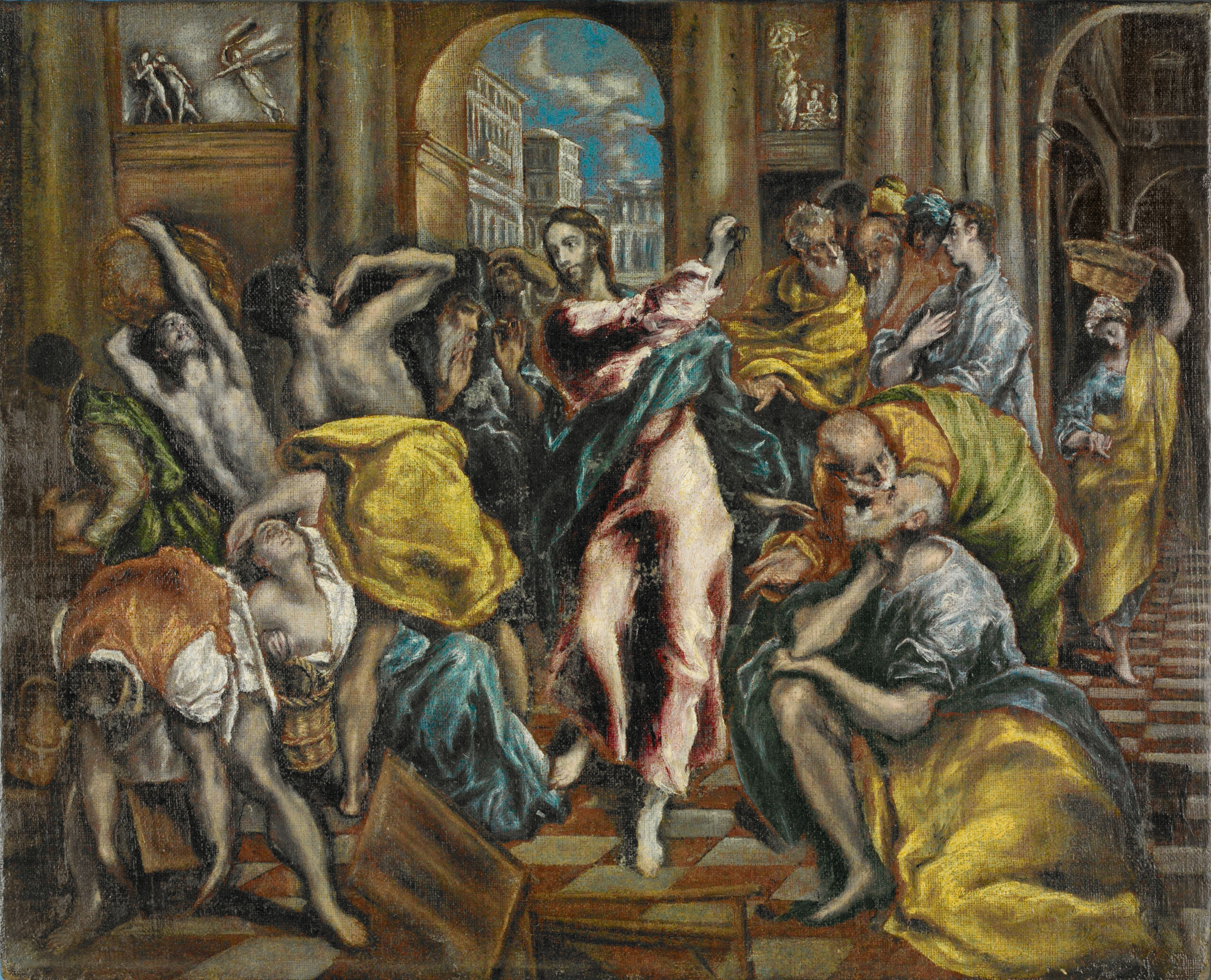
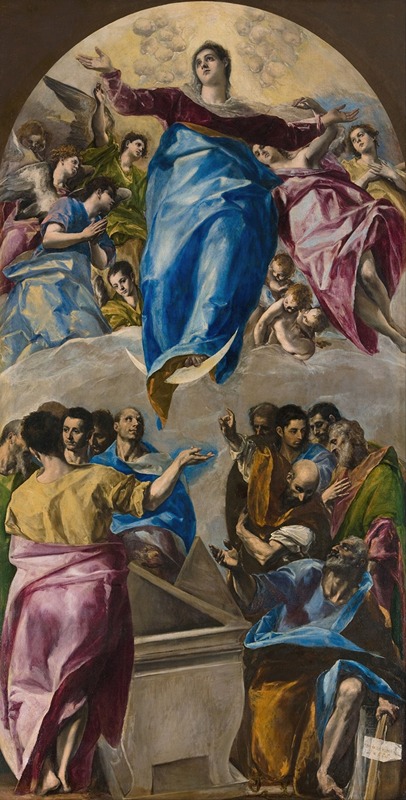
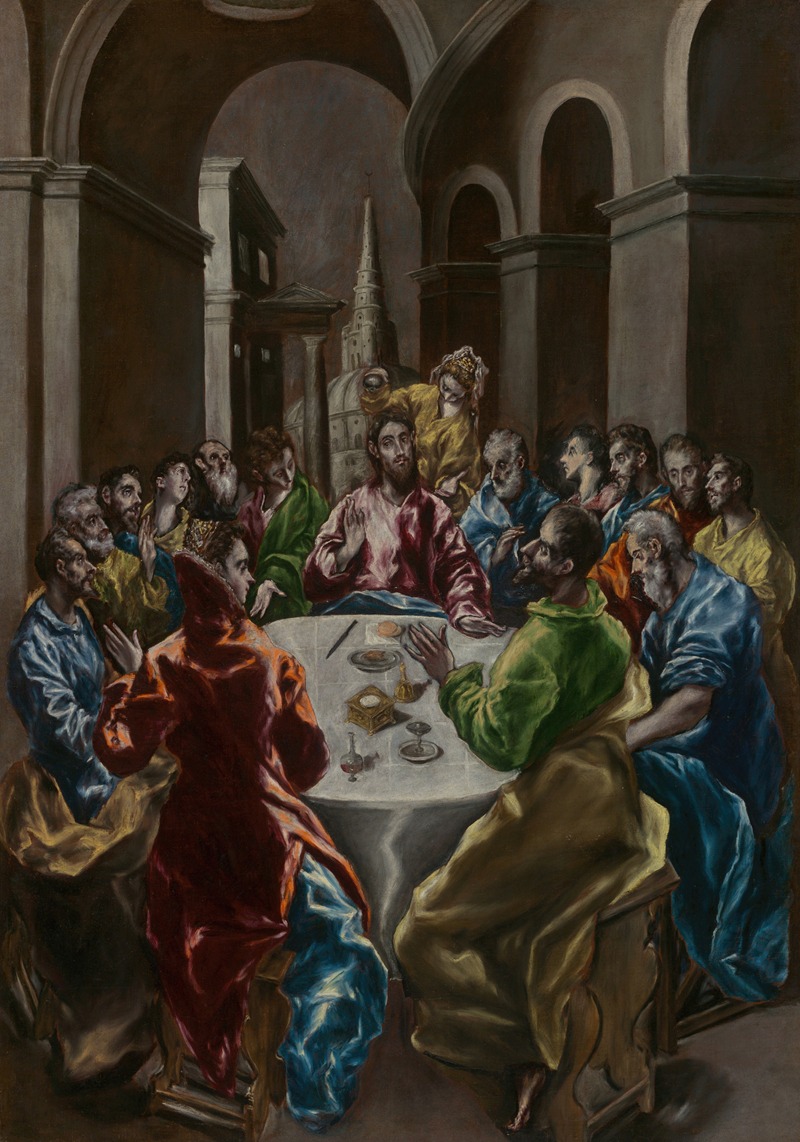
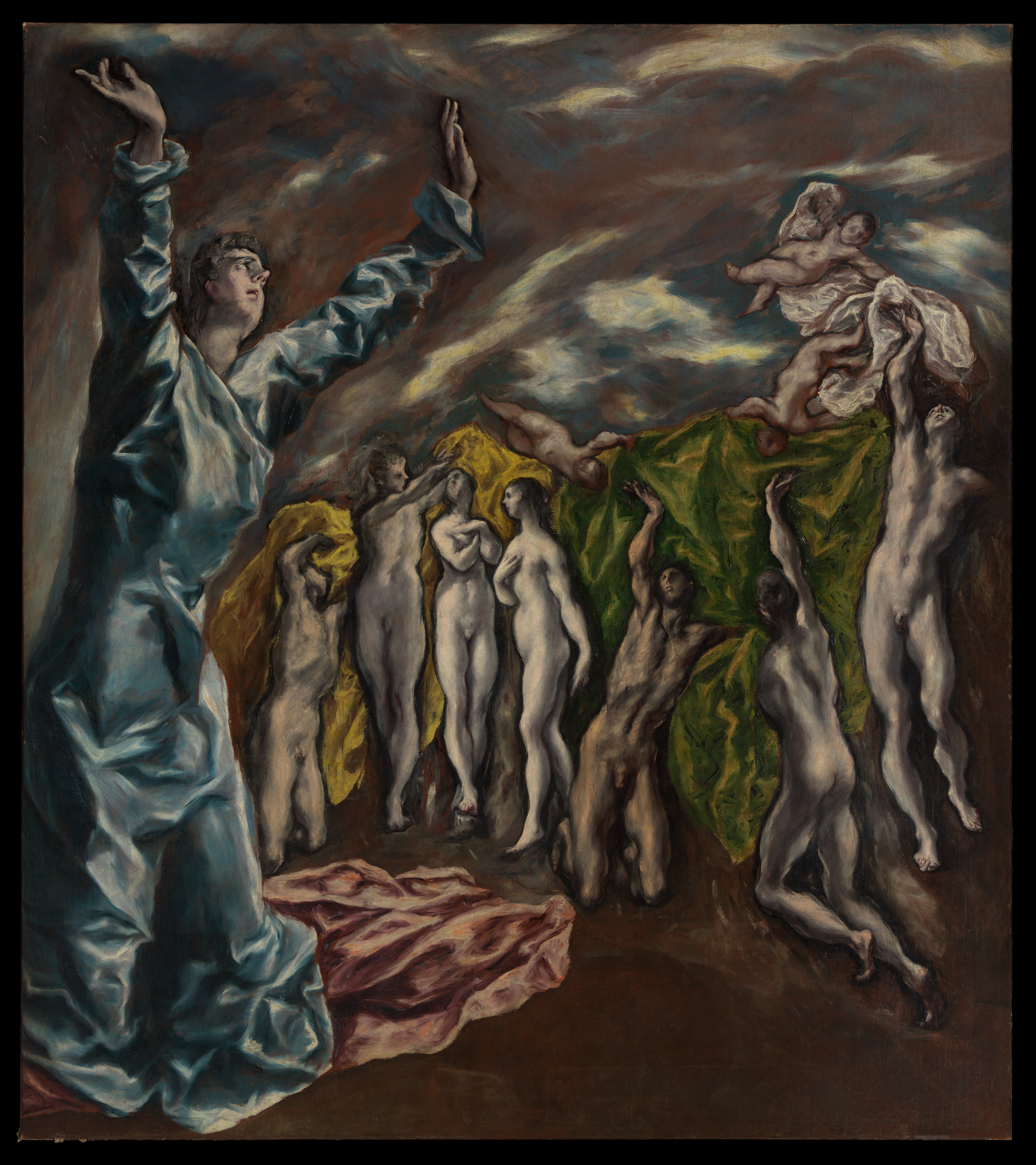
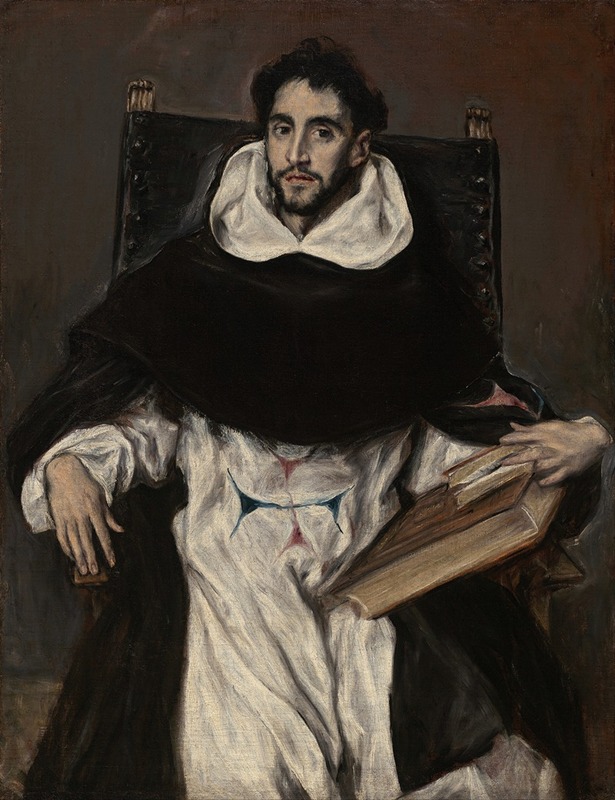
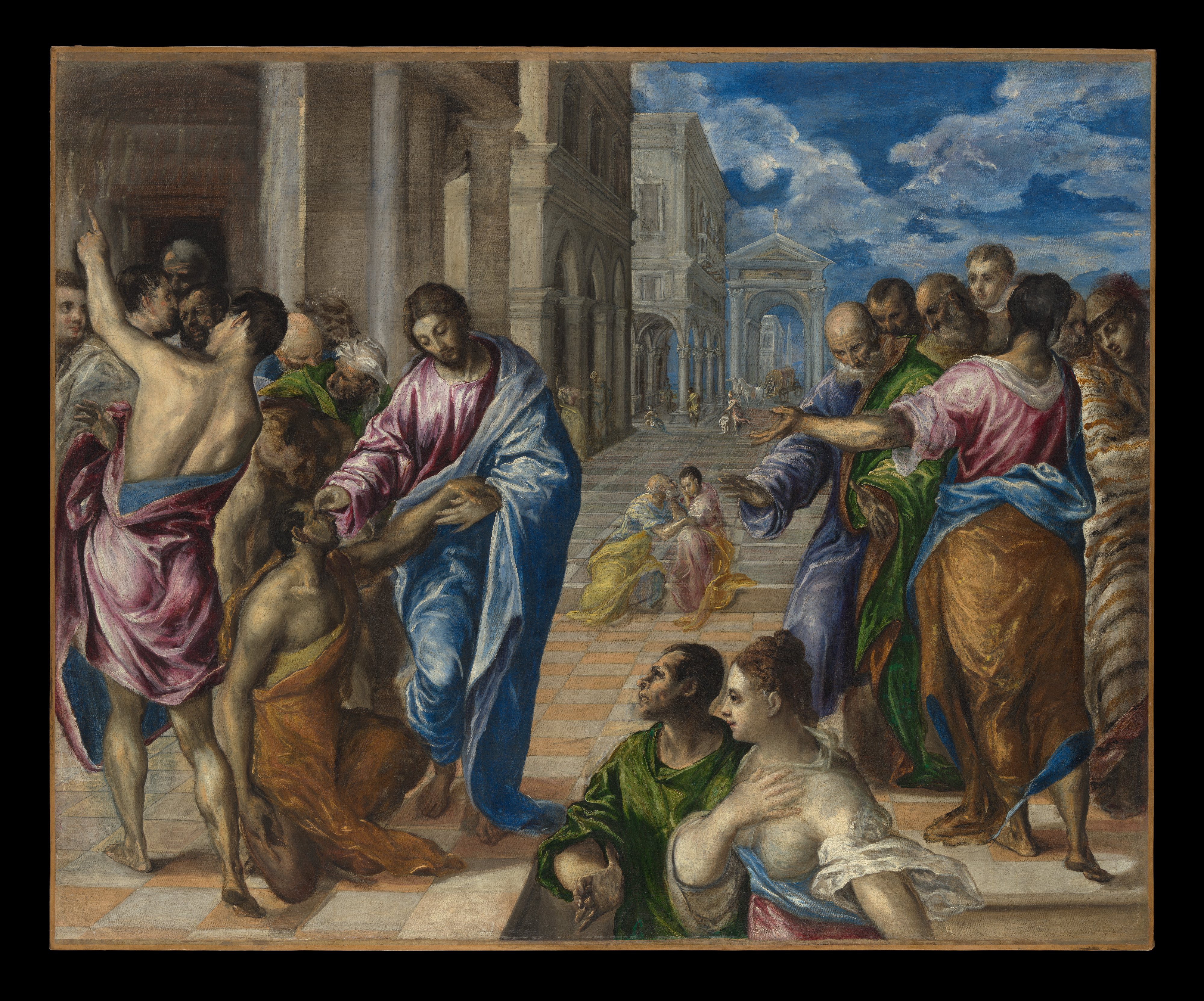
“Under the brush, chaos becomes grace.” In a world where pain and suffering often reign, the act of healing emerges as a transcendent force, carving paths from the void toward illumination. Focus on the central figure—the Christ, radiant with divine light that envelops Him, illuminating the faces around Him in a symphony of muted but rich colors. Look closely at the contrasting dark shades that frame the scene, emphasizing the emotional tension of desperation and hope. Notice how the figures are arranged in a circular composition, drawing the eye to Christ while allowing the viewer to sense the urgency of the moment.
The deft brushstrokes create a palpable energy, as if the very air vibrates with the intensity of the miracle. Delve deeper into the expressions of the men surrounding Christ; each face reveals a journey through suffering. The blind man's upturned gaze, for instance, reflects both utter despair and an inkling of faith, a juxtaposition of light and darkness that resonates deeply.
The use of elongated forms and sweeping gestures serves not only to heighten the drama but also to suggest the tension between earthly existence and divine intervention, reminding us of our own struggles within the void. In 1570, El Greco was creating this work in Toledo, Spain, a time marked by personal exploration and the convergence of Renaissance and Mannerist styles. As he grappled with his identity as an artist and his relationship with spirituality, this painting emerged, encapsulating the essence of his artistic vision and the fervent religious atmosphere of the time.