Saint Martin and the Beggar — History & Analysis

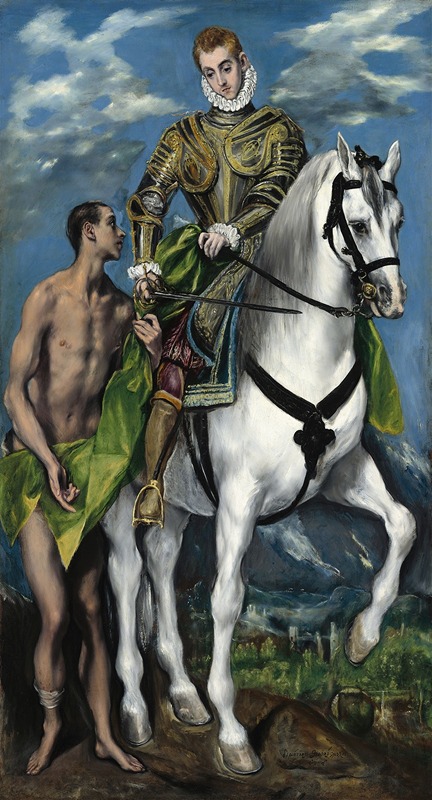
“Art reveals the soul when the world turns away.” In a time of upheaval and transformation, the brush becomes a tool for profound storytelling, revealing truths that often elude the eye. First, look to the central figure, Saint Martin, clad in a vibrant cloak that dominates the palette with its rich red hues. Notice how he is extending his sword to the desperate beggar, embodying the profound act of compassion. The contrasting light on Martin's face highlights his serene resolve, while the shadowed background creates an ominous depth, amplifying the weight of their encounter.
The beggar, clothed in tattered rags, returns Martin's gaze with a blend of hope and despair, allowing their connection to hang in the air like a fragile thread. As you explore further, observe the subtleties in their positioning: Martin's elevated stance versus the beggar's humble crouch creates a stark visual hierarchy that speaks volumes about societal divides. The interplay of light and dark not only enriches the emotional tension but also represents the spiritual duality of wealth and poverty. The painting encapsulates a moment of potential transformation—a revolution of the heart—reflecting the broader societal shifts of the era and inviting viewers to consider their own roles in the face of injustice.
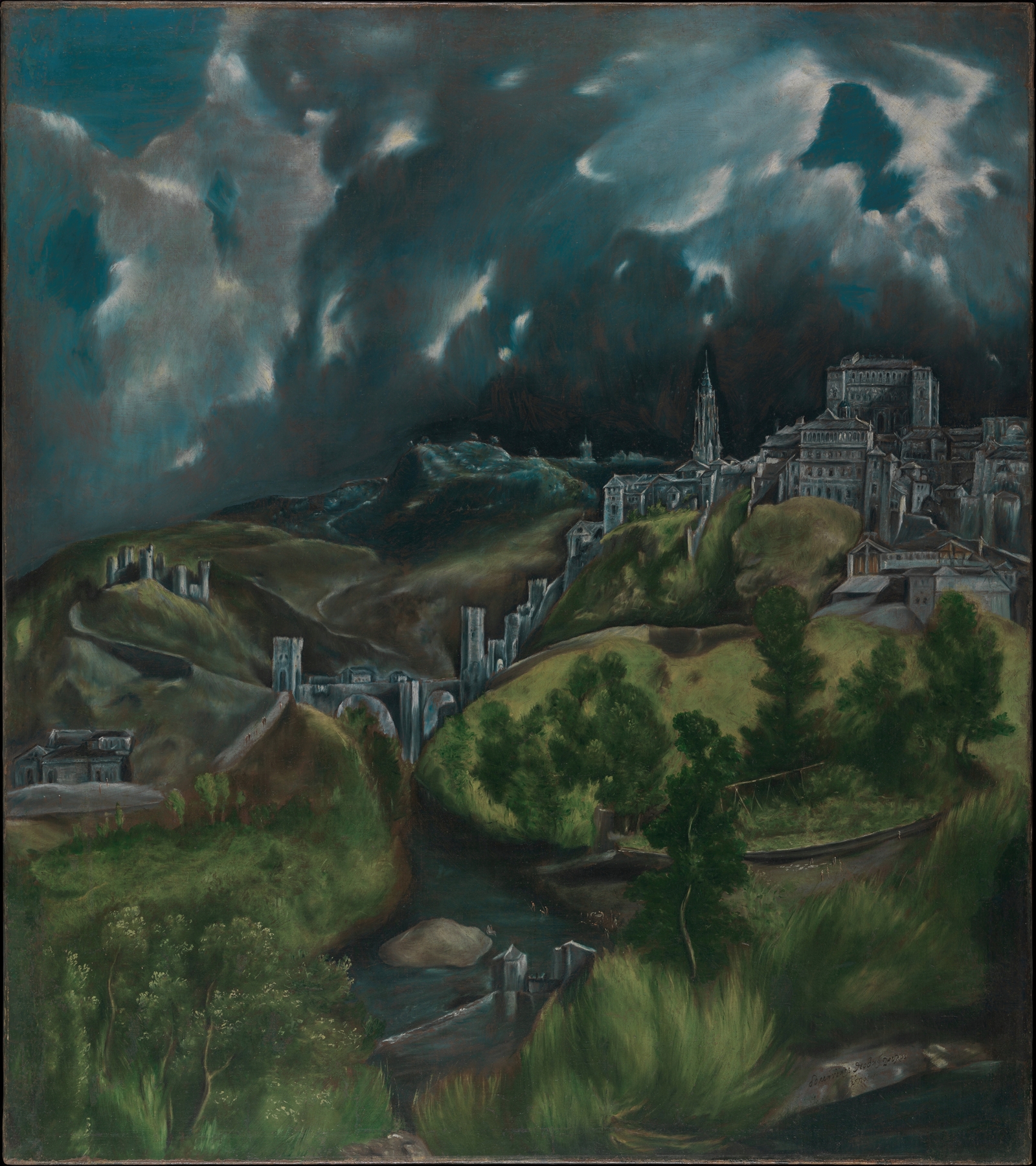
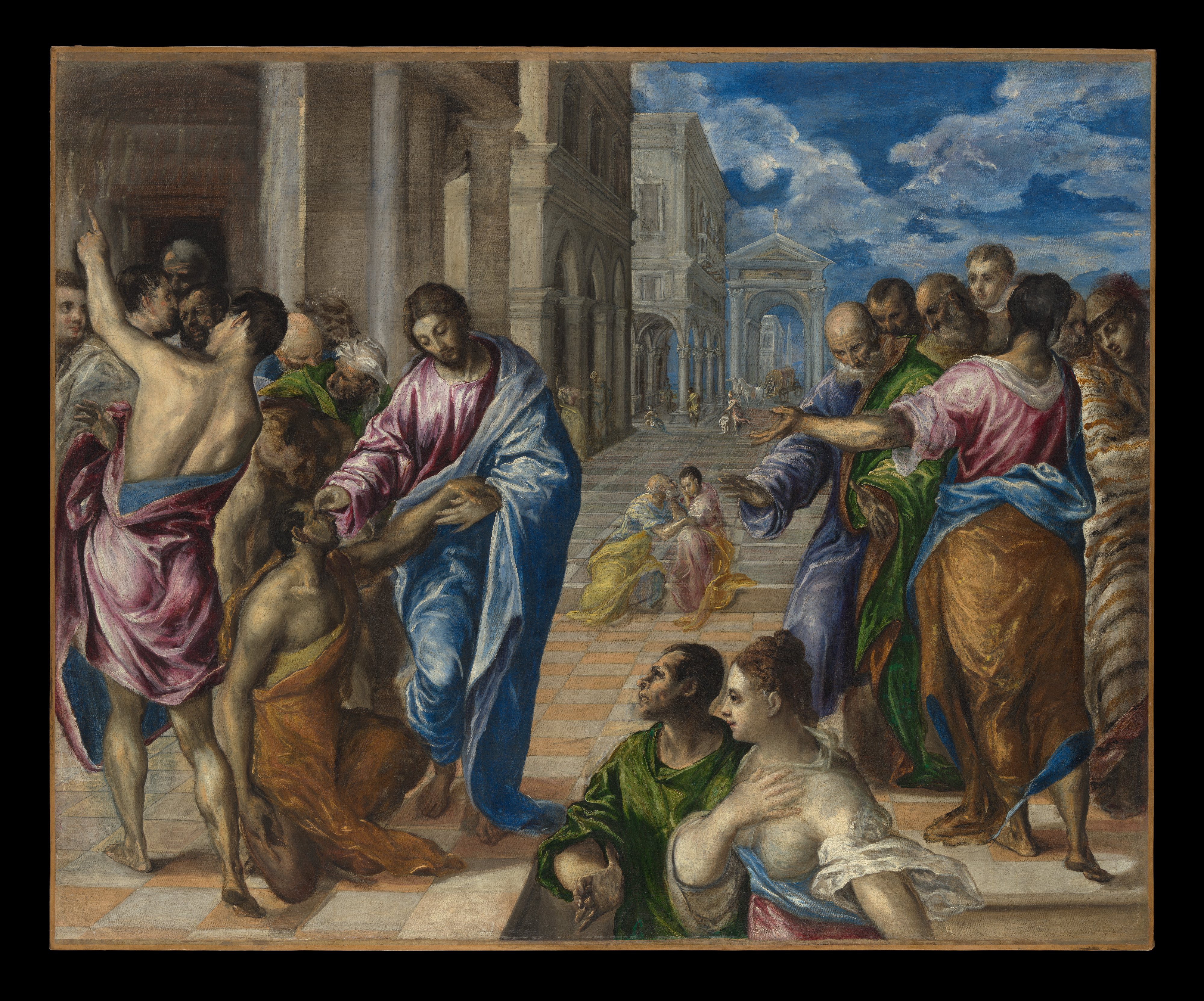
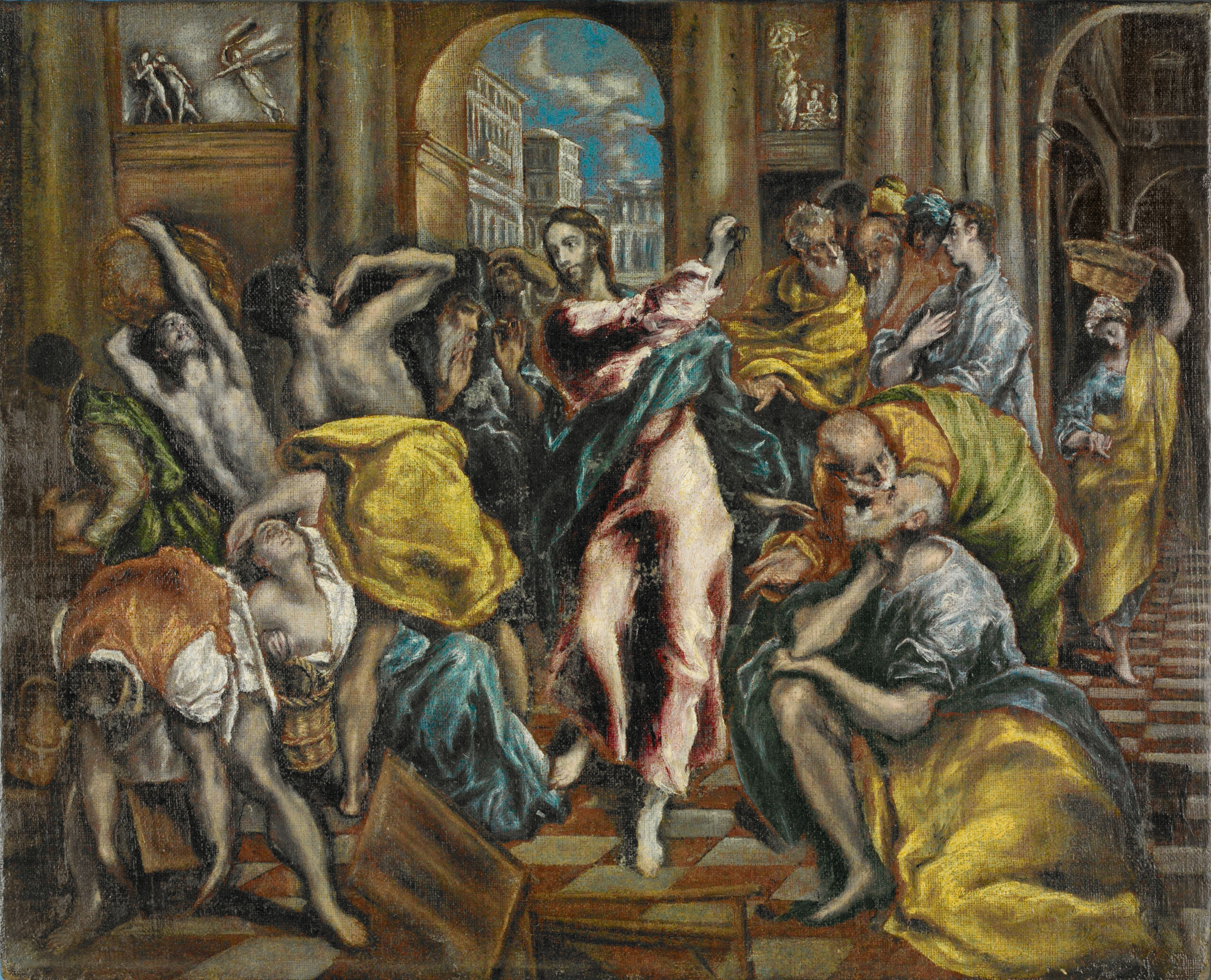
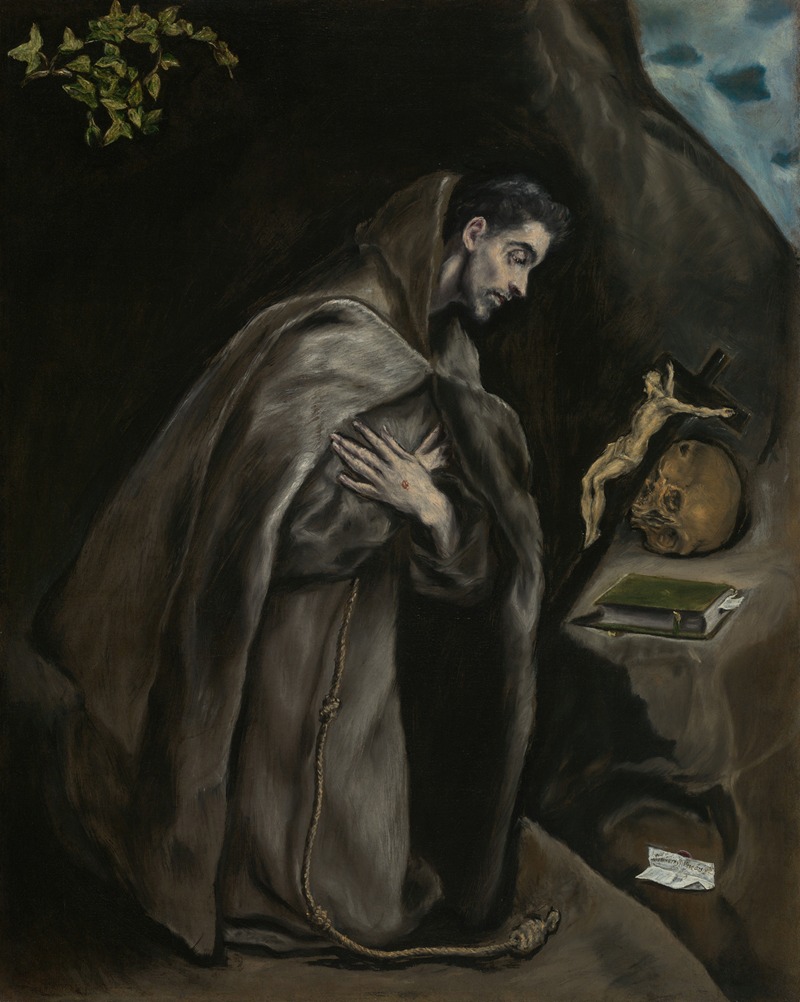
During this period, the artist worked in Toledo, Spain, amid the flourishing of the Spanish Renaissance. El Greco, influenced by both Byzantine and Western styles, sought to convey the spiritual essence of human experience. His approach to color and form distinguished him from his contemporaries, marking a pivotal moment in the evolution of art as a medium for revolutionary thought and social commentary.