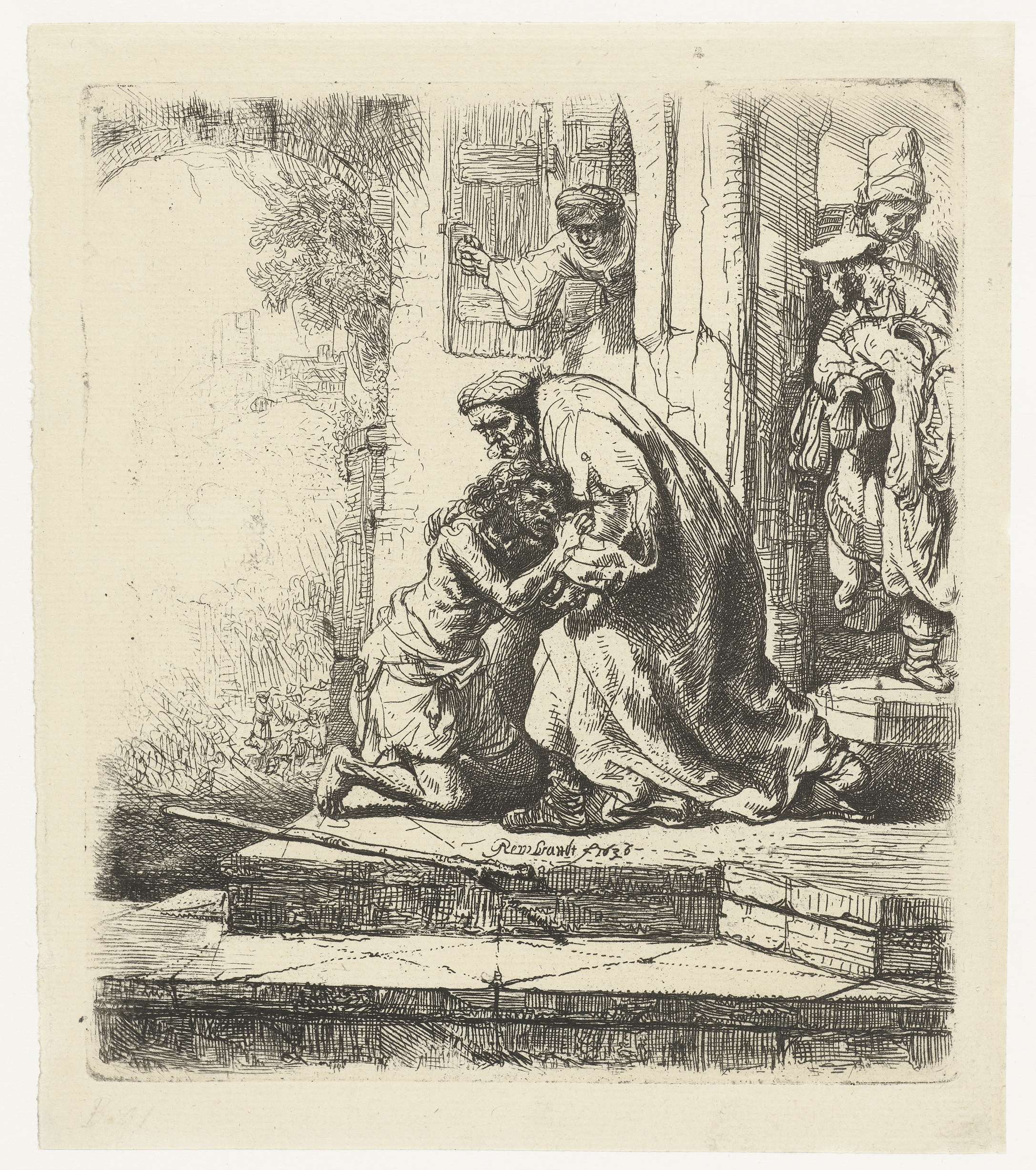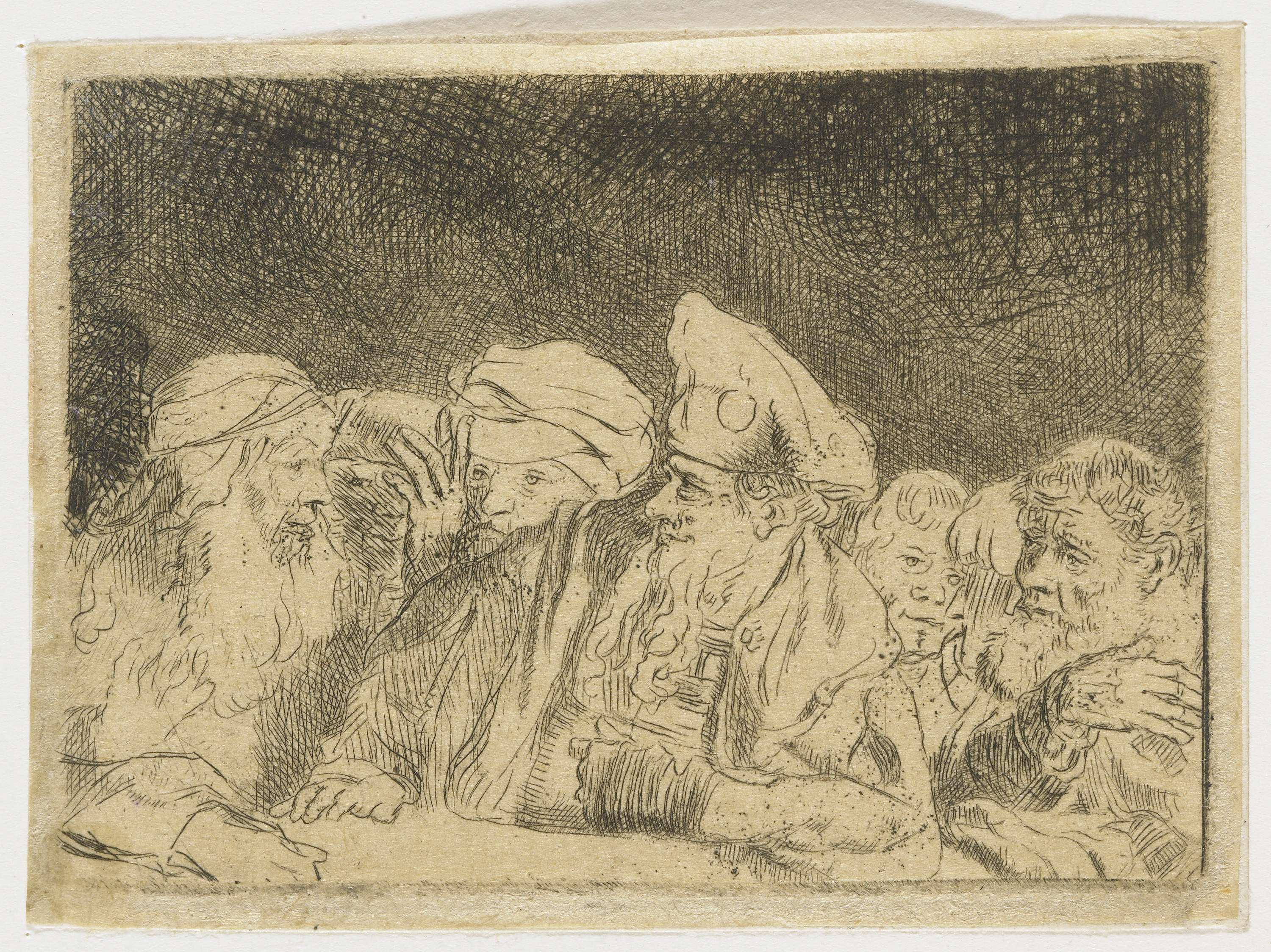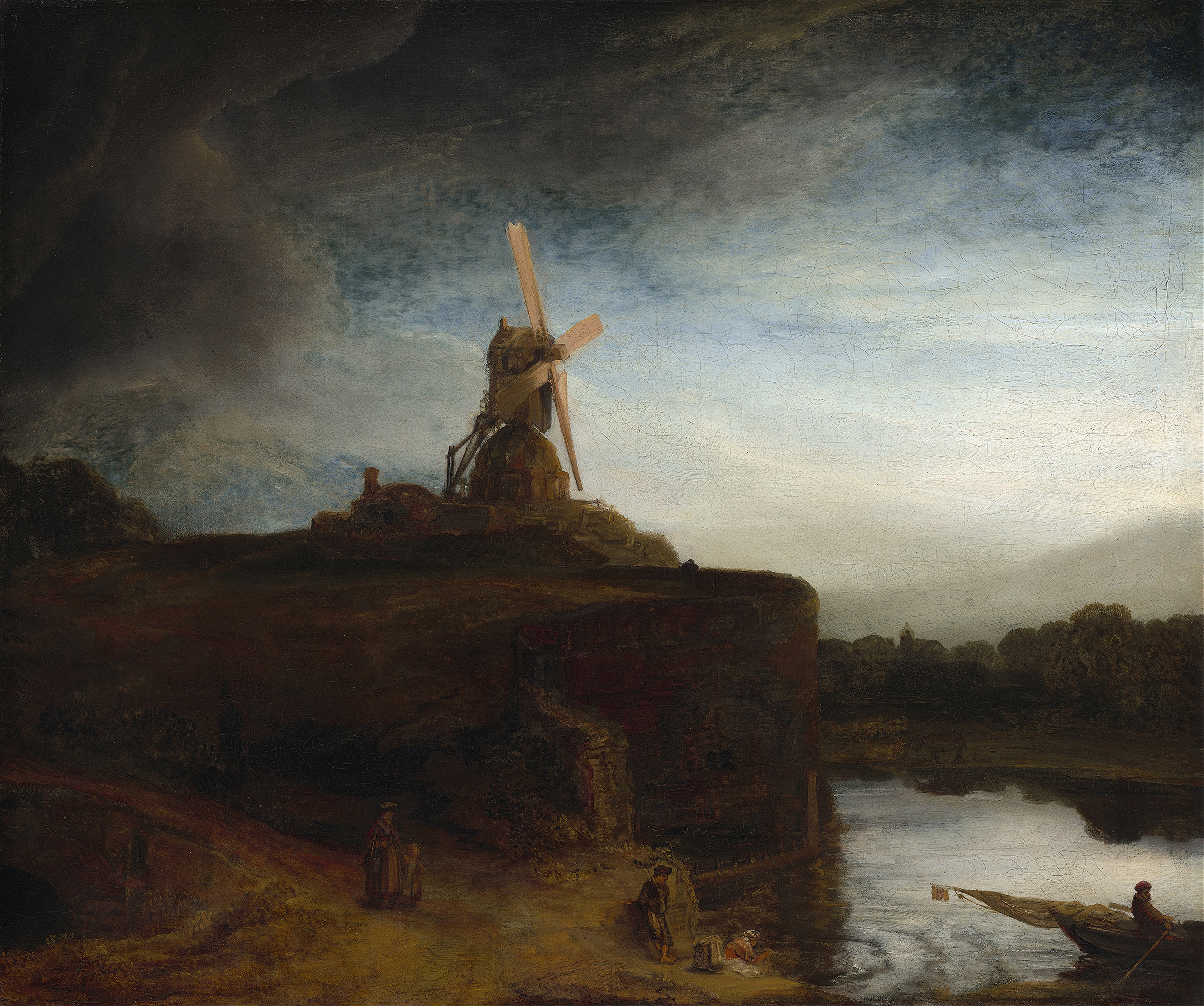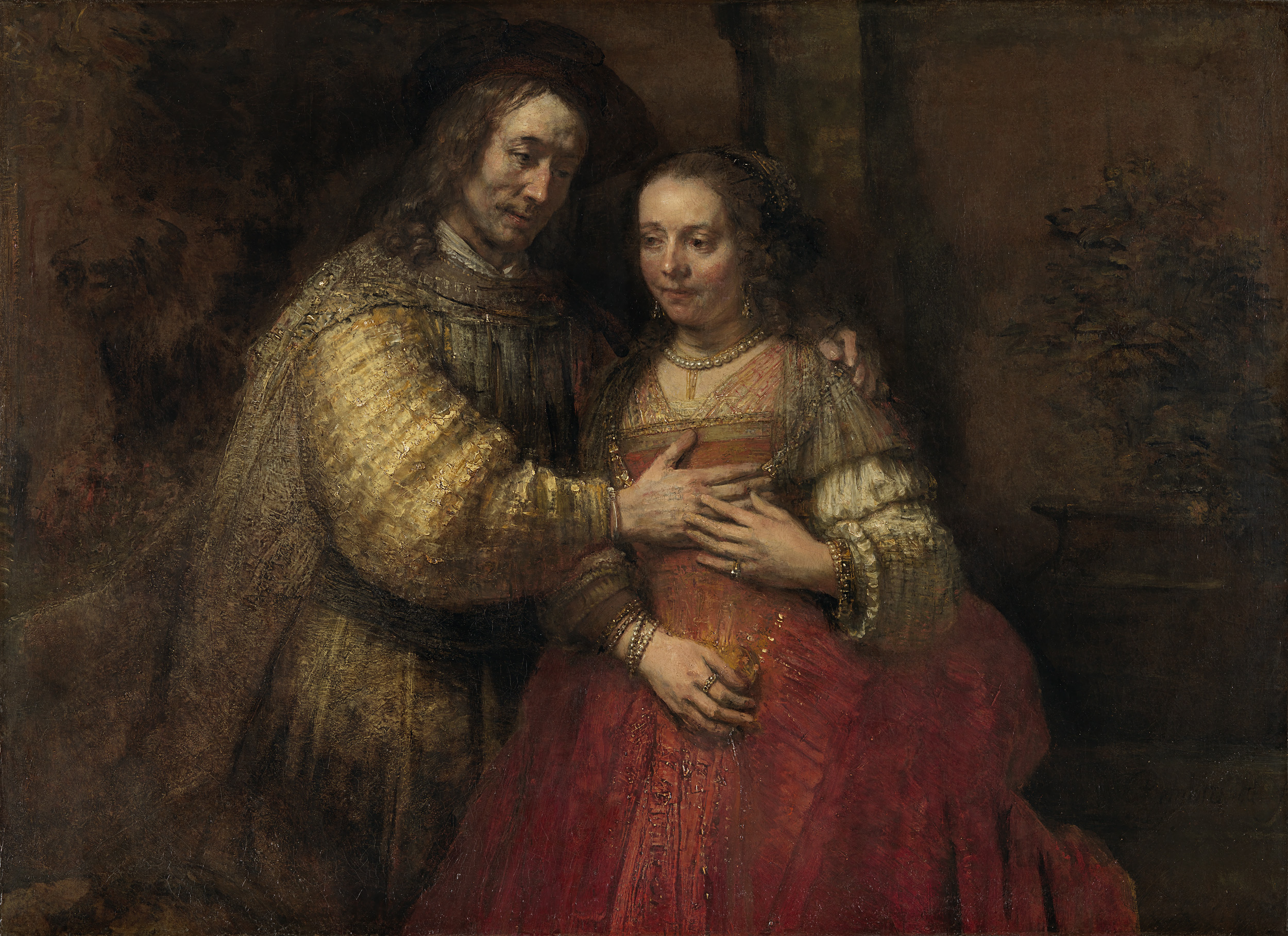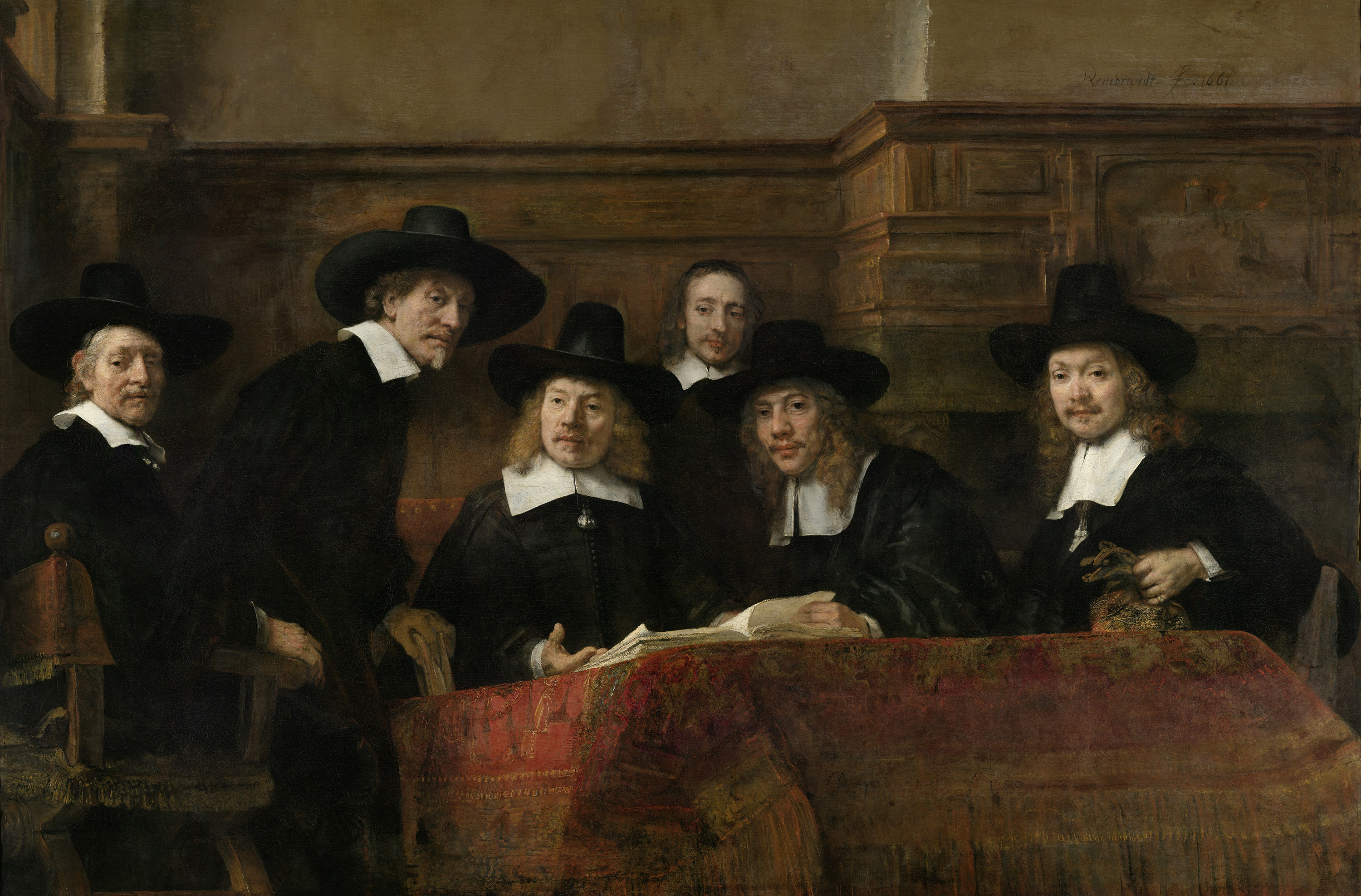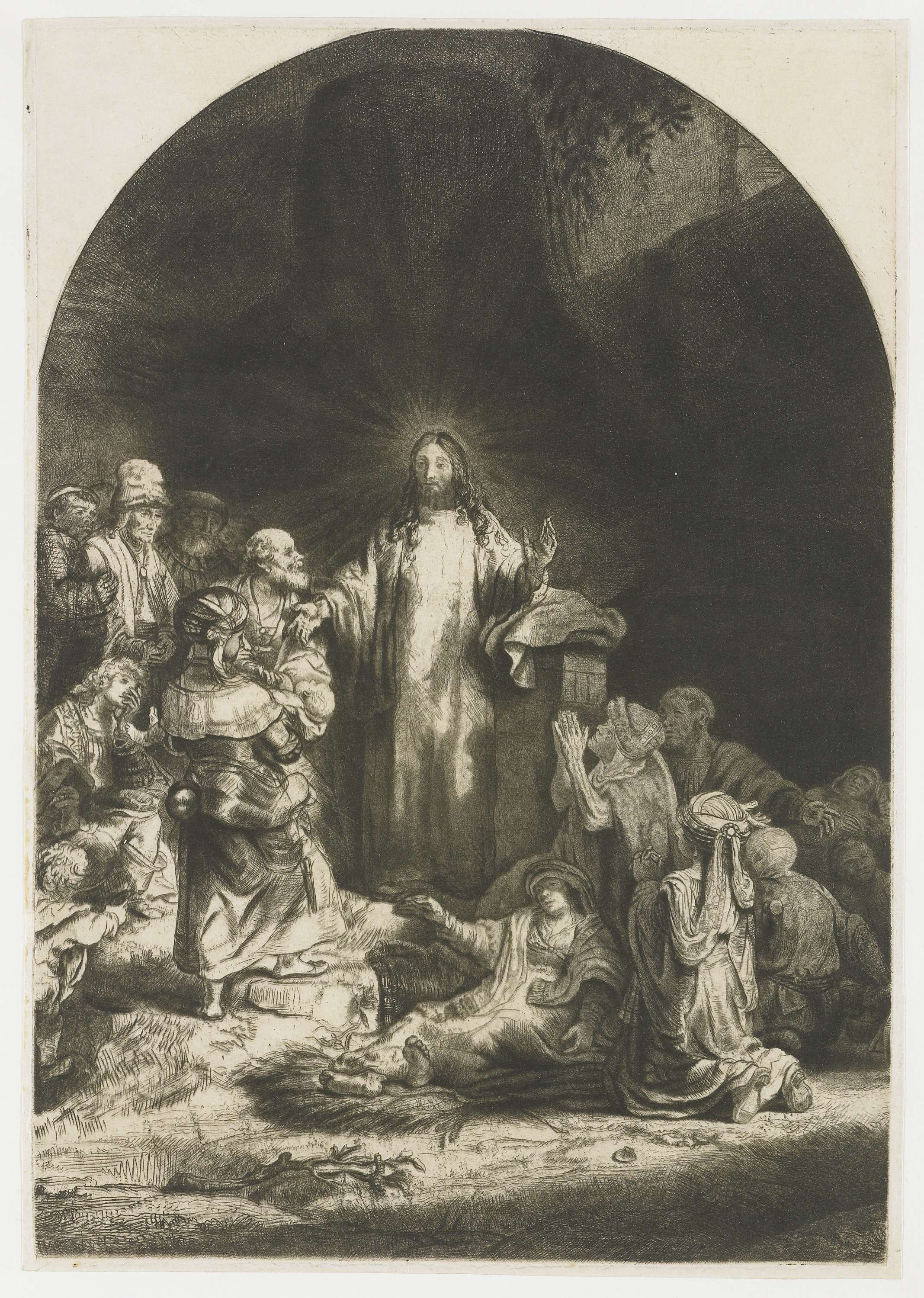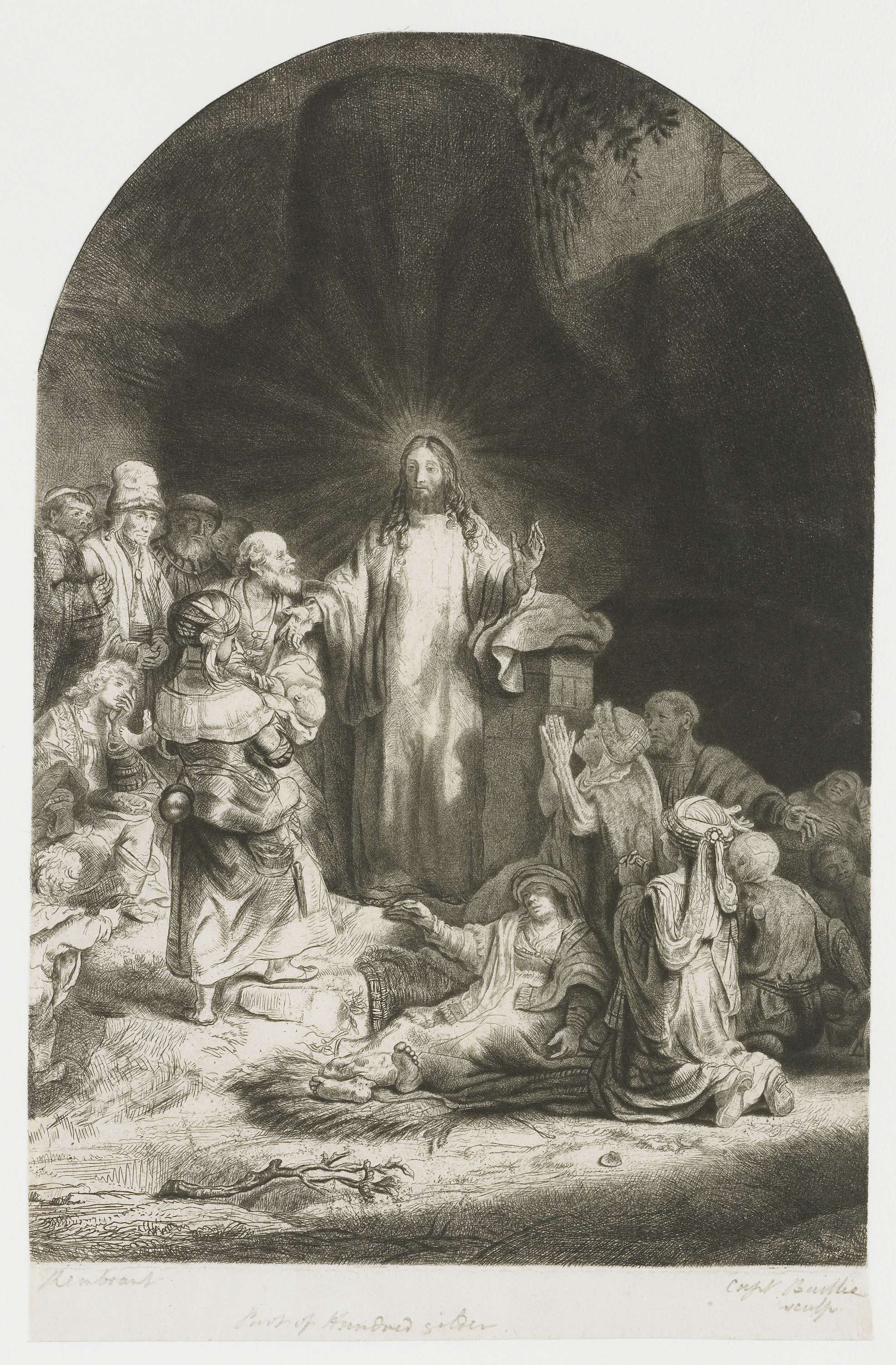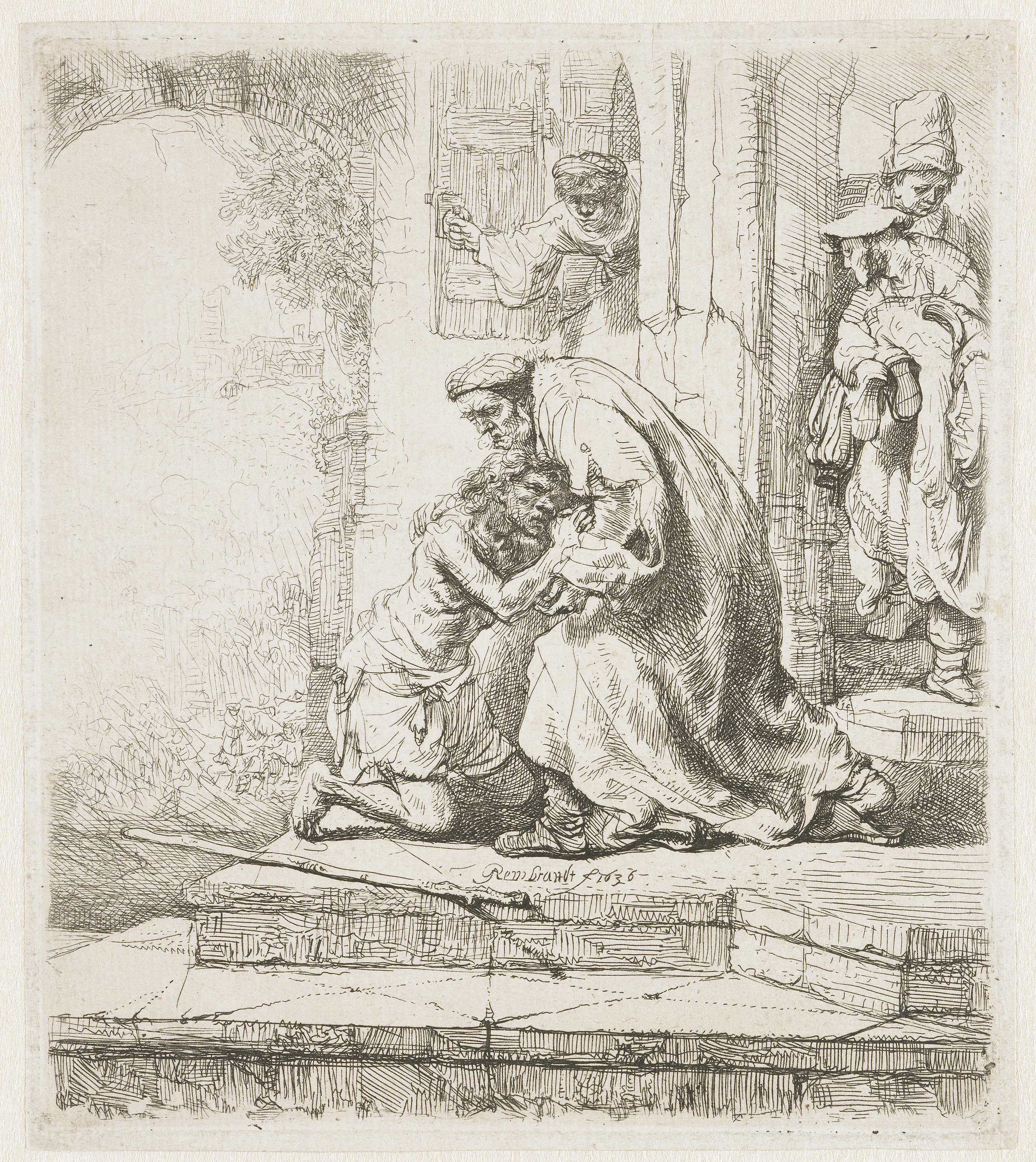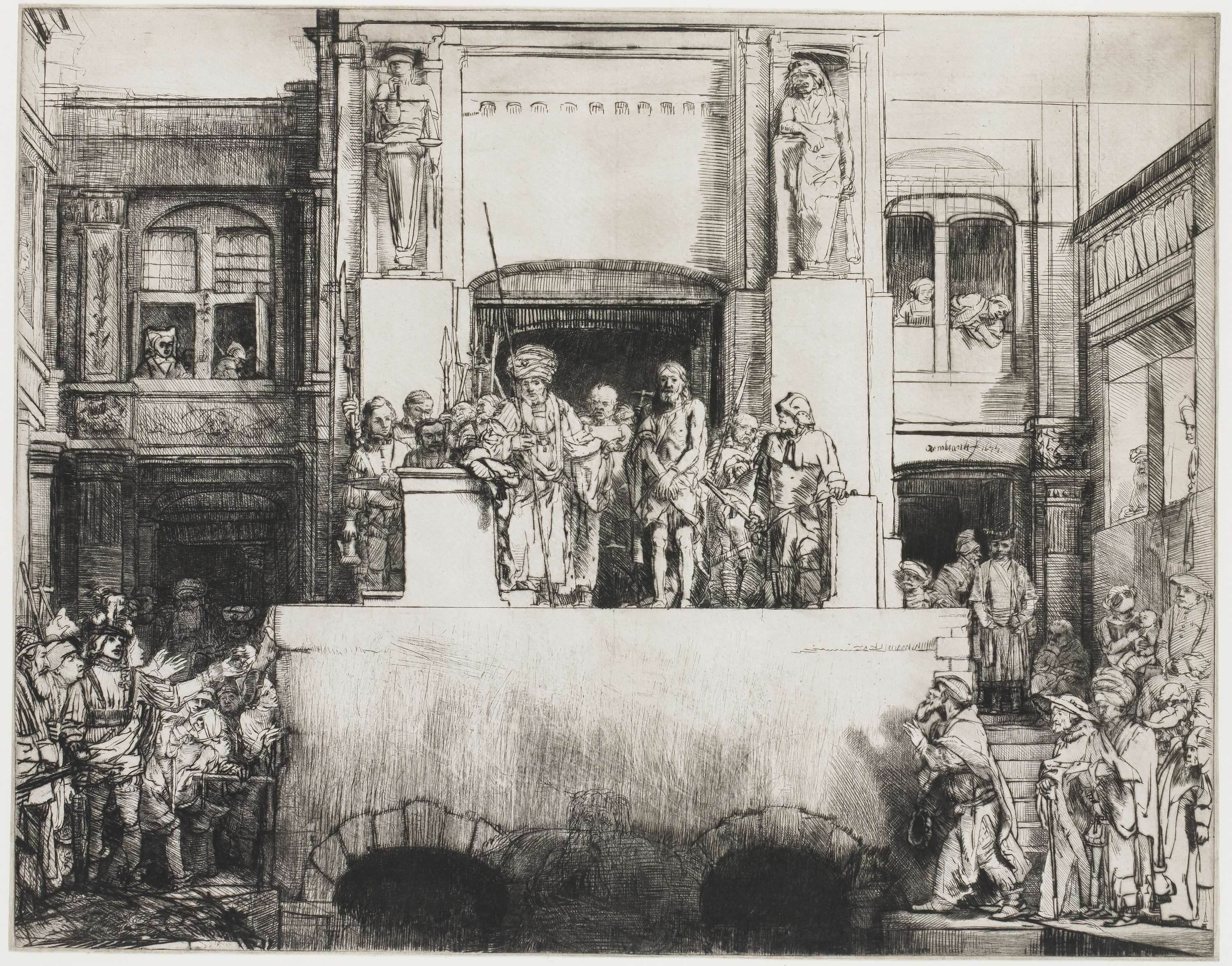
When did color learn to lie? The vibrant hues that fill the canvas swirl with emotion, echoing a profound grief that transcends the visual. In the depths of each shade, narratives unfold that compel the viewer to confront the duality of beauty and sorrow. Look to the foreground, where the figures stand in stark contrast to the luminescent background. The interplay of light draws your eye to the central figure, whose expression captures a moment of vulnerability and hope. The artist’s masterful use of chiaroscuro enhances the tension within the scene, where the warm tones of the flesh juxtapose the cooler shadows surrounding the figures, creating a palpable sense of unease and urgency. As you delve deeper, observe the facial expressions of the crowd—some reveal scorn, others disbelief. This emotional cacophony underscores the interplay of faith and doubt, a reflection of the turbulent human experience. The subtle brushstrokes convey not just the scene, but the weight of the moment; here, grief is not merely felt but also expressed through the very fabric of color itself, prompting an introspection rarely found in such depictions. In 1655, Rembrandt was navigating a turbulent period in his life, marked by personal loss and financial strife. Created in Amsterdam, *Christ presented to the people: oblong plate* showcases his exploration of the human soul amidst societal upheaval. During this time, the artist's innovative techniques and emotional depth in his work began to redefine the expectations of Baroque art, marking him as a pivotal figure in the evolution of painting.