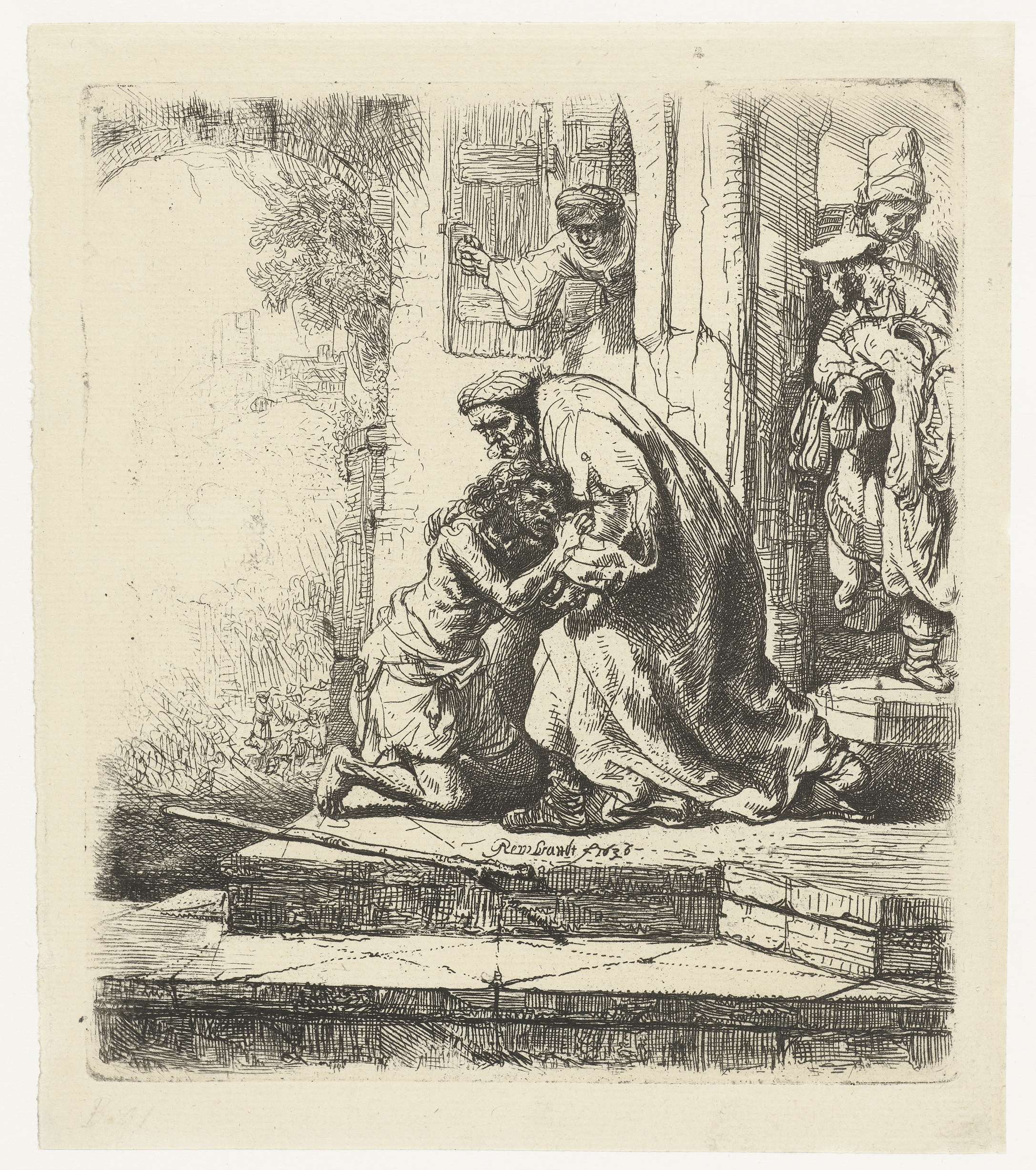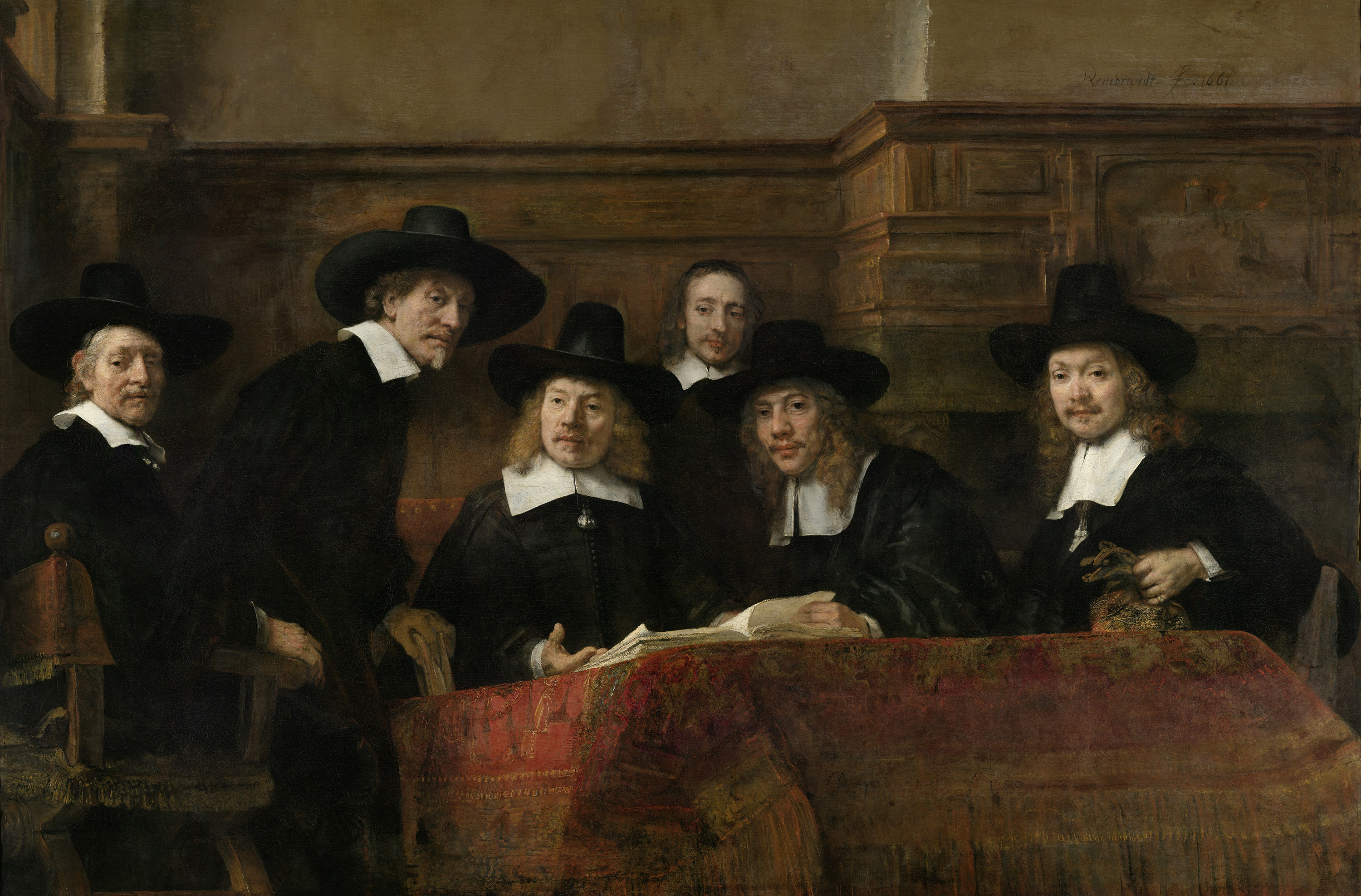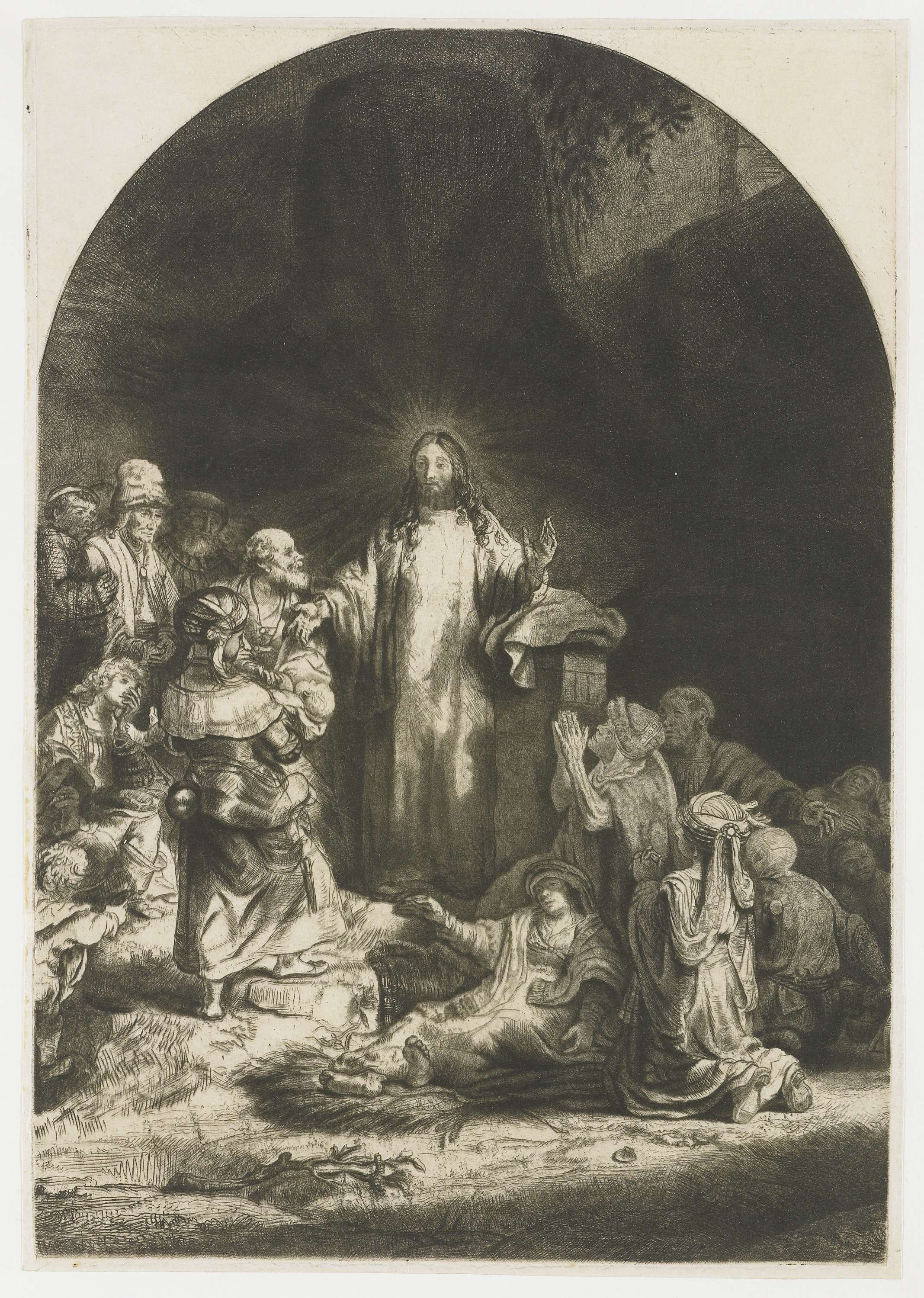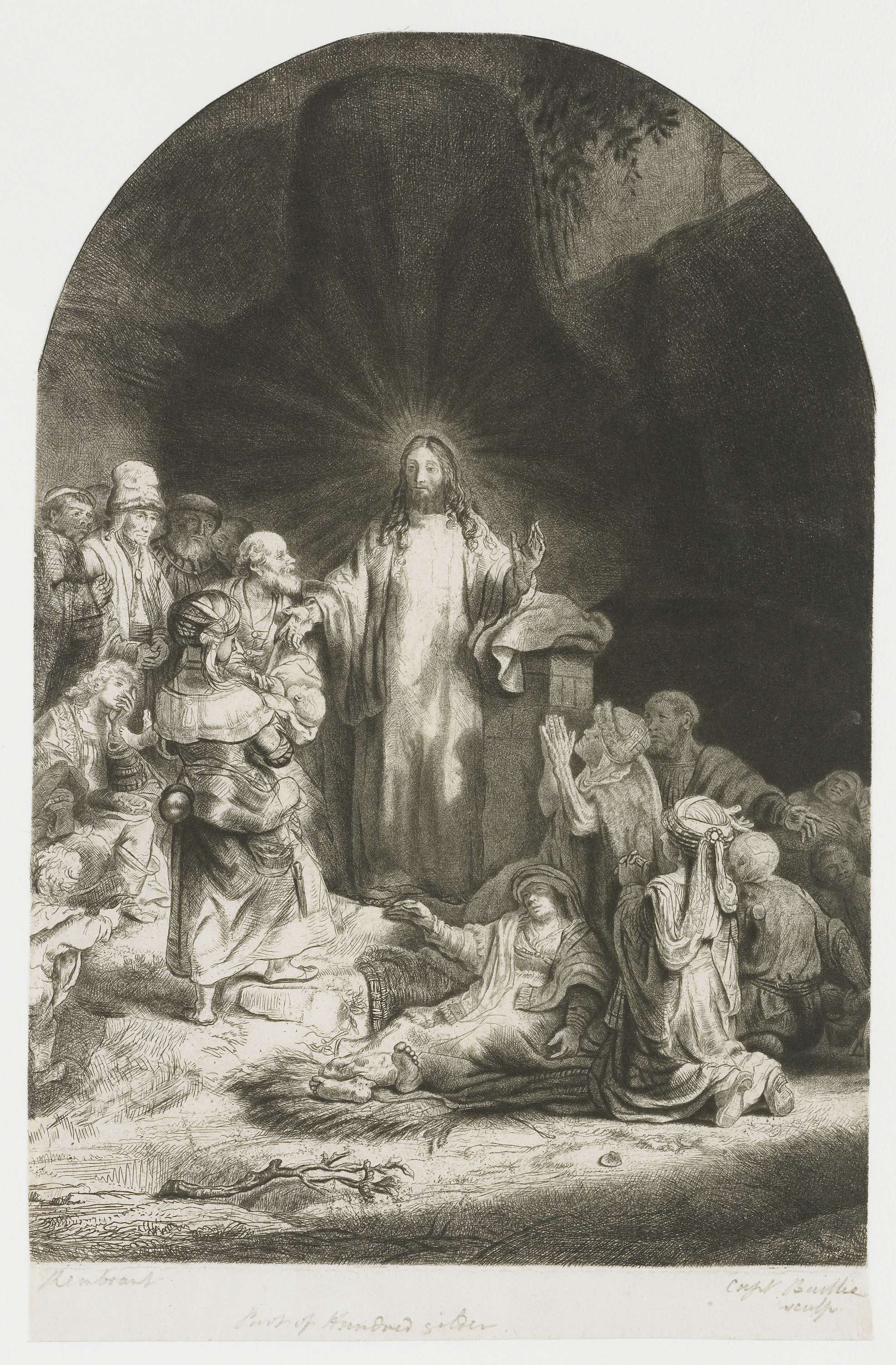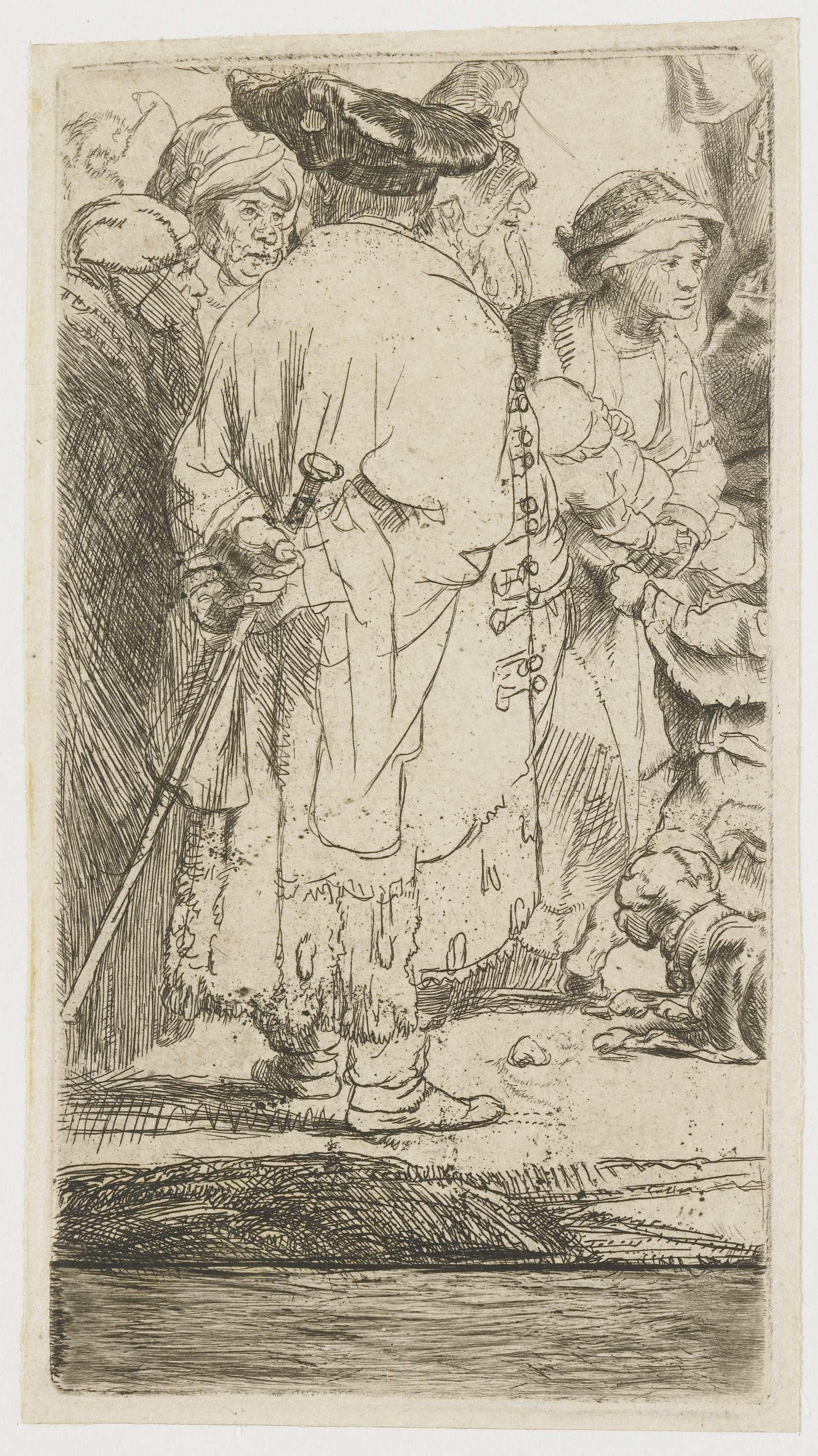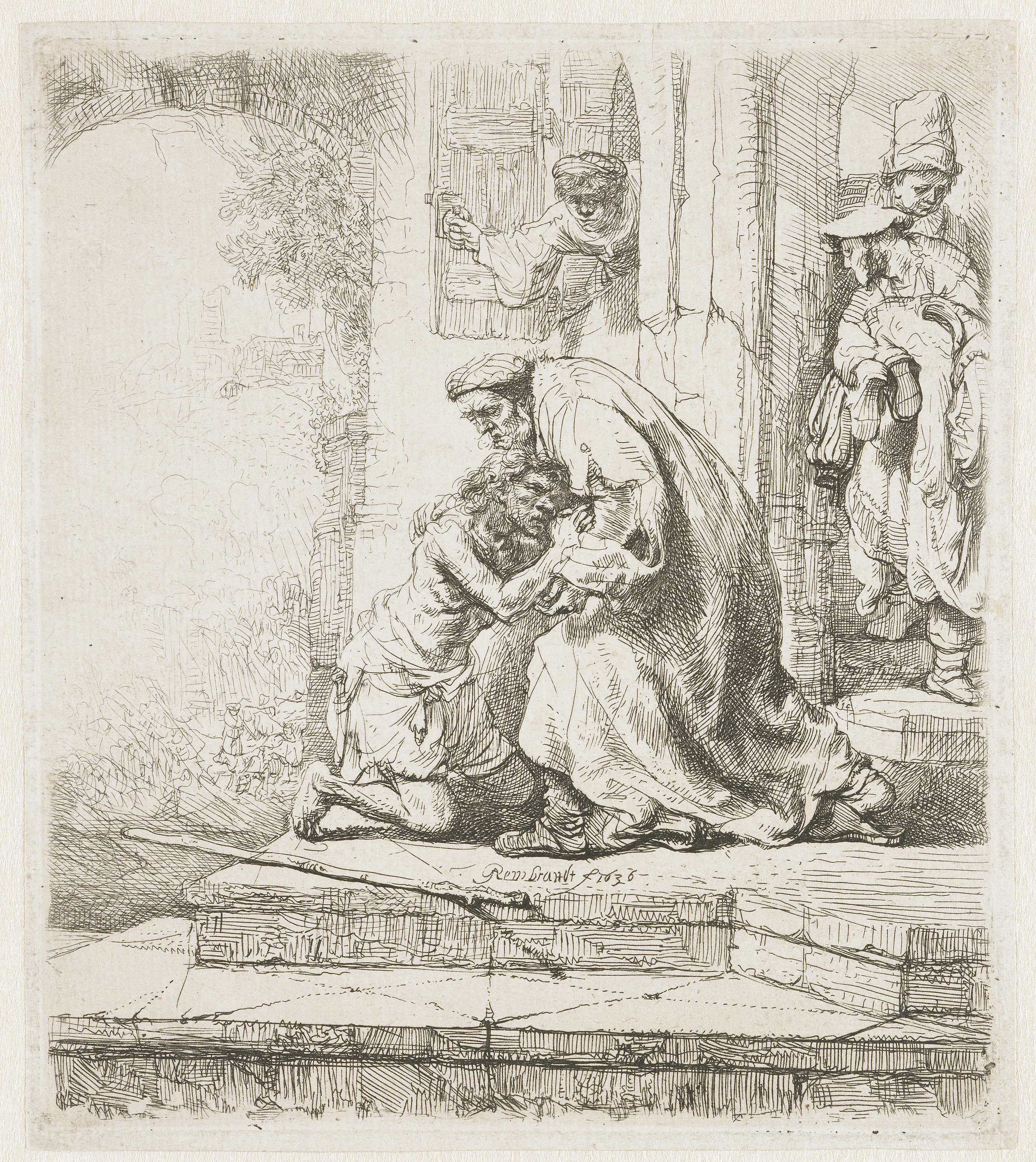
When did color learn to lie? The layers of pigment speak volumes, yet beneath their vibrancy lies a profound sorrow that transcends the canvas. This artwork captures not merely a reunion but the weight of regret, love, and redemption that bows under the burden of grief. Look to the center, where the figures converge in an embrace that seems to suspend time itself. The father, cloaked in rich, earthly tones, envelops his wayward son, whose tattered garments whisper of a turbulent past. Notice how the light illuminates their faces, casting a divine glow that starkly contrasts the shadows lurking at the edges of the scene. The warm hues envelop the father, while the son’s visage remains cloaked in somber shadows, painting a narrative of loss and hope. Within the folds of the father’s robe lies an intricate interplay of forgiveness and sorrow, as if each crease is a memory etched in time. The kneeling son’s posture—bent and vulnerable—hints at the weight of his choices, a silent plea for redemption. In the background, a distant figure, possibly a brother, watches the reunion unfold, encapsulating feelings of jealousy and alienation. Each brushstroke harmonizes with the emotional tapestry, revealing how grief can fracture familial bonds yet also stitch them back together. Rembrandt painted this masterpiece in 1636 during a period marked by personal turmoil and artistic evolution. Living in Amsterdam, he faced financial challenges, but his artistic prowess was undeniable. The work reflects not only his understanding of human emotion but also the shifting tides of the Baroque art movement, emphasizing the complexity of relationships through the lens of profound emotional depth.