The Night Watch: meaning and location
As of November 2026, The Night Watch hangs in the Night Watch Gallery of the Rijksmuseum in Amsterdam, a room the museum calls its heart and says was built for Rembrandt’s most famous work. Rembrandt van Rijn (1606–1669) painted this landmark of the Dutch Golden Age in 1642 for a civic guard’s headquarters, and the City of Amsterdam has lent it since 1808. Its full title is Militia Company of District II under the Command of Captain Frans Banninck Cocq (Dutch: De Nachtwacht).
- A company on the move: the Rijksmuseum says Rembrandt was the first to paint figures in a group portrait actually doing something. The captain, dressed in black, tells his lieutenant to start the company marching while the guardsmen get into formation. Despite its dark tones, the museum stresses, it is a daylight march, not a night watch.
- Light on small figures: Rembrandt used light to pick out details such as the captain’s gesturing hand and the young girl in the background, whom the museum calls the company’s mascot. The museum’s record also lists a girl with a dead chicken at her waist among the soldiers on the left, and a barking dog and the drummer, with his large drum, on the right.
- Names on a shield: a shield beside the gateway carries an inscription listing 18 names, from Captain Frans Banning Cocq and Lieutenant Willem van Ruijtenburch (the shield’s spellings) down to Paulus Schoonhoven. Rembrandt signed and dated the canvas at lower left: ‘Rembrandt f 1642’.
- Cut to fit in 1715: when the painting moved from the Kloveniersdoelen to the Town Hall on the Dam in 1715, pieces were cut off so that it would fit between two doors, the biggest from the left side. They have never been found. A small 17th-century copy attributed to Gerrit Lundens, on loan to the Rijksmuseum from the National Gallery in London, shows that the composition was originally larger.
- Attacks and Operation Night Watch: a visitor slashed the canvas with a bread knife on 14 September 1975, leaving twelve cuts, and in 1990 acid was sprayed on it, which damaged only the varnish. In 2019 the Rijksmuseum launched Operation Night Watch, which it calls the largest-ever project to research the painting.
Sources: Rijksmuseum: collection record SK-C-5 · Rijksmuseum: Night Watch Gallery · Rijksmuseum: 10 things about Rembrandt’s Night Watch · Rijksmuseum: Copy of The Night Watch (SK-C-1453) · Rijksmuseum: How the Night Watch survived a knife attack · Rijksmuseum: Brittle varnish (the attack of 14 September 1975) · Rijksmuseum: Operation Night Watch · Rijksmuseum: linked-data record 200107928 (signature position) · Wikidata Q219831
Questions and answers about the painting
What is the meaning of The Night Watch?
Rembrandt’s painting shows an Amsterdam militia company getting ready to march, and the Rijksmuseum reads it as a story in action rather than a still group portrait. The captain, dressed in black, is telling his lieutenant to start the company marching. The museum also points to the shadow of the captain’s hand on the lieutenant’s coat, which it reads as showing the city safe in the hands of its militia. The nickname is misleading: the scene is a daylight march, and the title is first used in a document in 1797.
Source: Rijksmuseum: collection record SK-C-5 · Rijksmuseum: Organised chaos · Rijksmuseum: 10 things about Rembrandt’s Night Watch · Rijksmuseum: Why is the Night Watch so famous?
Where can I see Rembrandt’s famous militia painting in Amsterdam?
You can see the painting in the Night Watch Gallery of the Rijksmuseum in Amsterdam, where the museum’s collection page lists it as on display as of November 2026 (object number SK-C-5). The Rijksmuseum calls this gallery the heart of the museum and says it was built for the painting. The canvas is on loan from the City of Amsterdam and has been on loan to the museum since 1808. Displays change, so check with the museum before a visit.
Source: Rijksmuseum: collection record SK-C-5 · Rijksmuseum: Night Watch Gallery
How big is Rembrandt’s painting in the Rijksmuseum?
The Night Watch measures 379.5 cm high and 453.5 cm wide in the Rijksmuseum’s record, which gives the remaining original canvas as 363 × 438 cm. It weighs 170 kg without its frame and 337 kg with it. The canvas is smaller than it once was: in 1715, when it moved to the Town Hall on the Dam, pieces were cut off to fit it between two doors, the biggest from the left side, and they have never been found.
Source: Rijksmuseum: collection record SK-C-5 · Rijksmuseum: linked-data record 200107928 (dimension notes, weights) · Rijksmuseum: 10 things about Rembrandt’s Night Watch
How has Rembrandt’s canvas been damaged and restored?
The canvas survived a knife attack in 1975 and an acid attack in 1990, and since 2019 it has been the subject of Operation Night Watch. On 14 September 1975 a visitor slashed it with a bread knife, leaving twelve cuts, and Rijksmuseum conservators treated it; in 1990 a guard’s quick reaction meant that acid damaged only the varnish. Operation Night Watch, which the museum calls the largest-ever research project on the painting, led to a structural treatment that began on 19 January 2022. For the current state of the work, see the museum’s website.
Source: Rijksmuseum: How the Night Watch survived a knife attack · Rijksmuseum: Brittle varnish · Rijksmuseum: 10 things about Rembrandt’s Night Watch · Rijksmuseum: Operation Night Watch · Rijksmuseum: Structural treatment of The Night Watch
Who are the people in Rembrandt’s group portrait?
The two central officers are Captain Frans Banninck Cocq and Lieutenant Willem van Ruytenburch, and the painting shows the rest of their Amsterdam militia company. A shield beside the gateway lists 18 names, among them the ensign Jan Visscher Cornelisen and the sergeants Rombout Kemp and Reijnier Engelen. The museum also points to a girl it calls the company’s mascot and to the drummer, Jacob Jorisz, who did not pay to be in the picture but received a key role.
Source: Rijksmuseum: collection record SK-C-5 · Rijksmuseum: linked-data record 200107928 (inscription on the shield) · Rijksmuseum: the drummer Jacob Jorisz
Is Rembrandt’s 1642 militia painting in the public domain?
Yes. Rembrandt died in 1669, so his paintings are free of copyright everywhere, and this one is no exception. A faithful photograph of a public-domain painting adds no new copyright in the United States or the European Union, so you can download this image and use it in personal or commercial projects. Public Domain Images for Commercial Use explains how.
Source: Rijksmuseum: Rembrandt van Rijn (1606–1669), person record · Wikidata Q5598 (Rembrandt, died 1669)
More Artworks by Rembrandt van Rijn
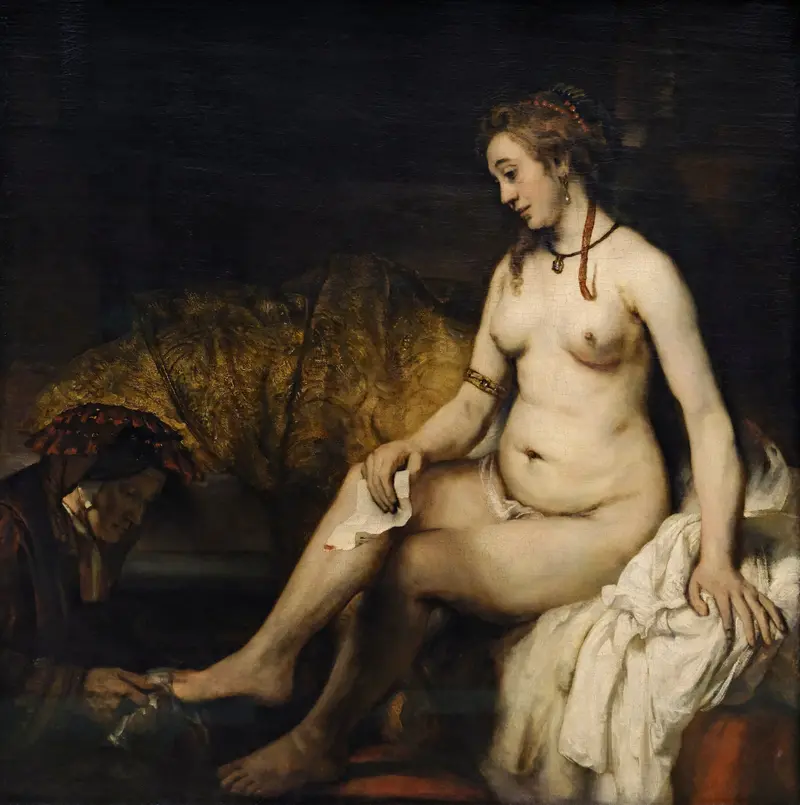
Bathsheba at Her Bath
Rembrandt van Rijn
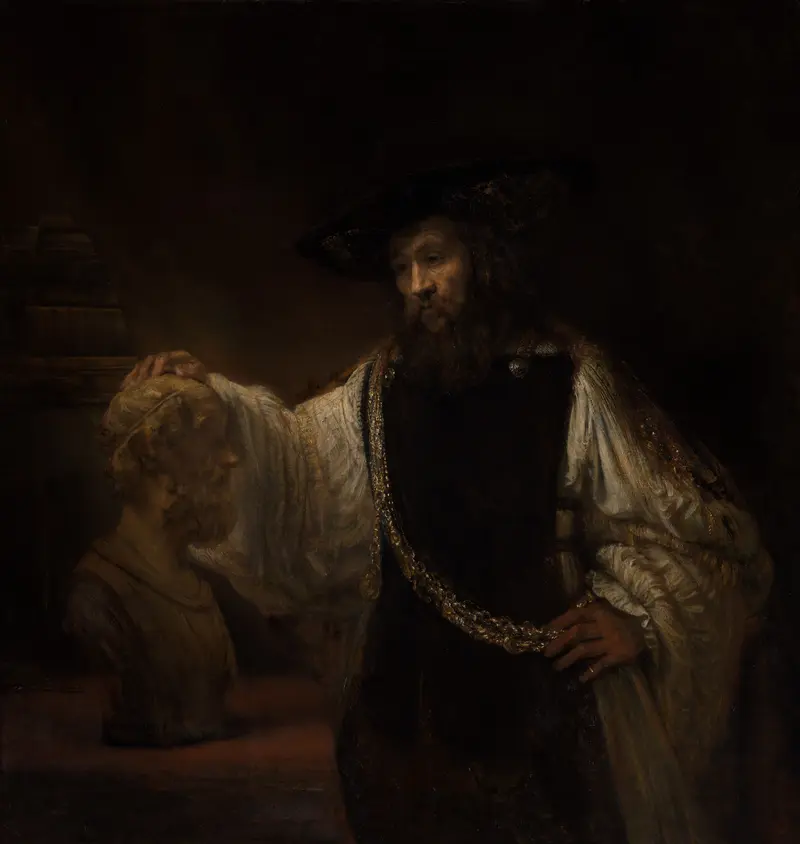
Aristotle with a Bust of Homer
Rembrandt van Rijn
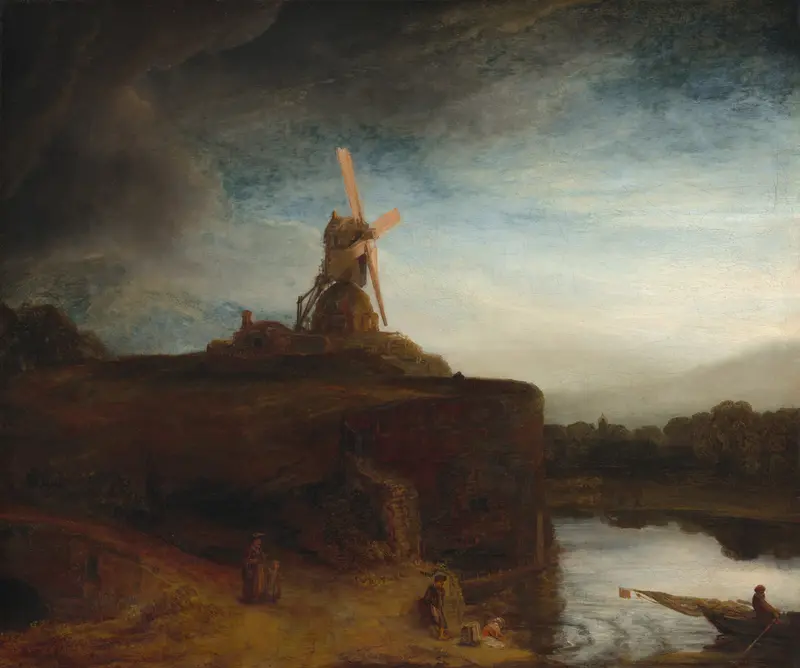
The Mill
Rembrandt van Rijn
A Woman Bathing in a Stream
Rembrandt van Rijn
Belshazzar’s Feast
Rembrandt van Rijn
Portrait of Marten Soolmans
Rembrandt van Rijn
Portrait of Oopjen Coppit
Rembrandt van Rijn

The Prodigal Son in the Tavern
Rembrandt van Rijn
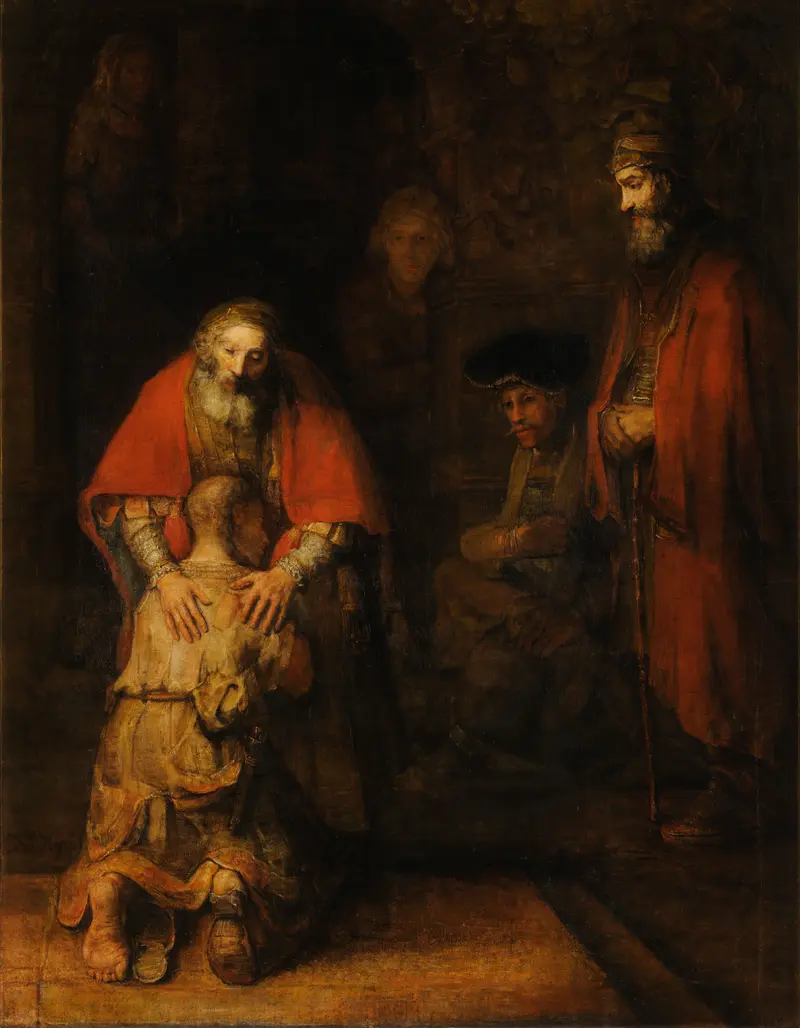
The Return of the Prodigal Son
Rembrandt van Rijn
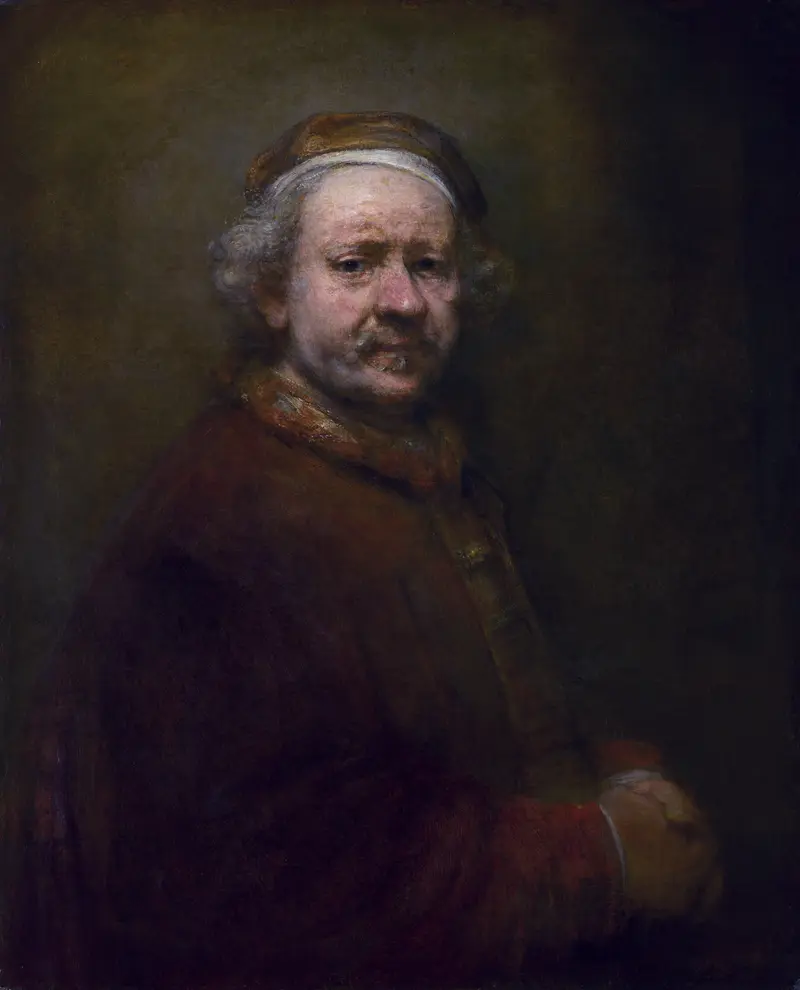
Self-Portrait at the Age of 63
Rembrandt van Rijn