Church of Saint Agnes Outside the Walls (Sant’Agnese fuori le mura), and the Mausoleum of Santa Costanza in Rome — History & Analysis
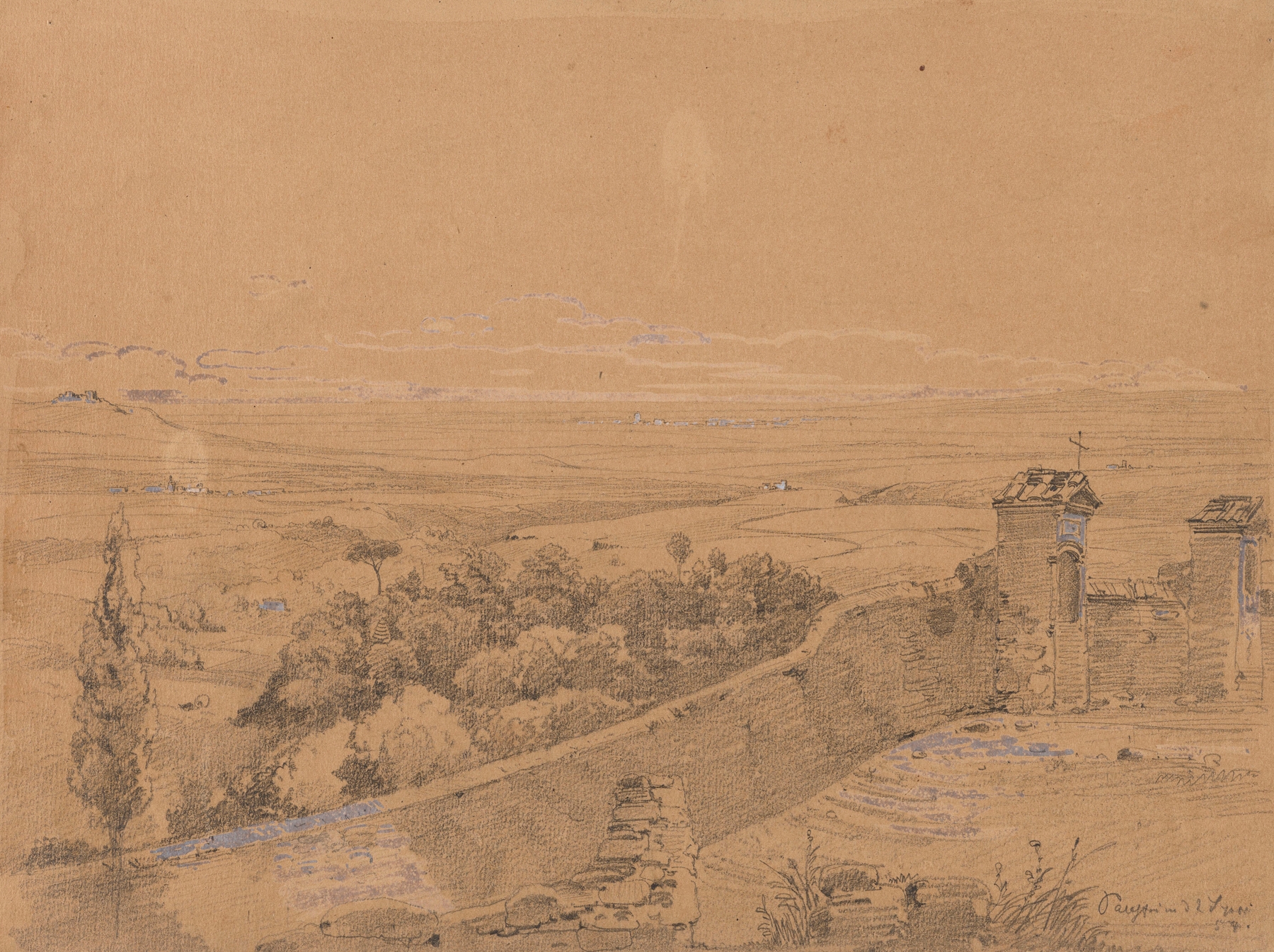
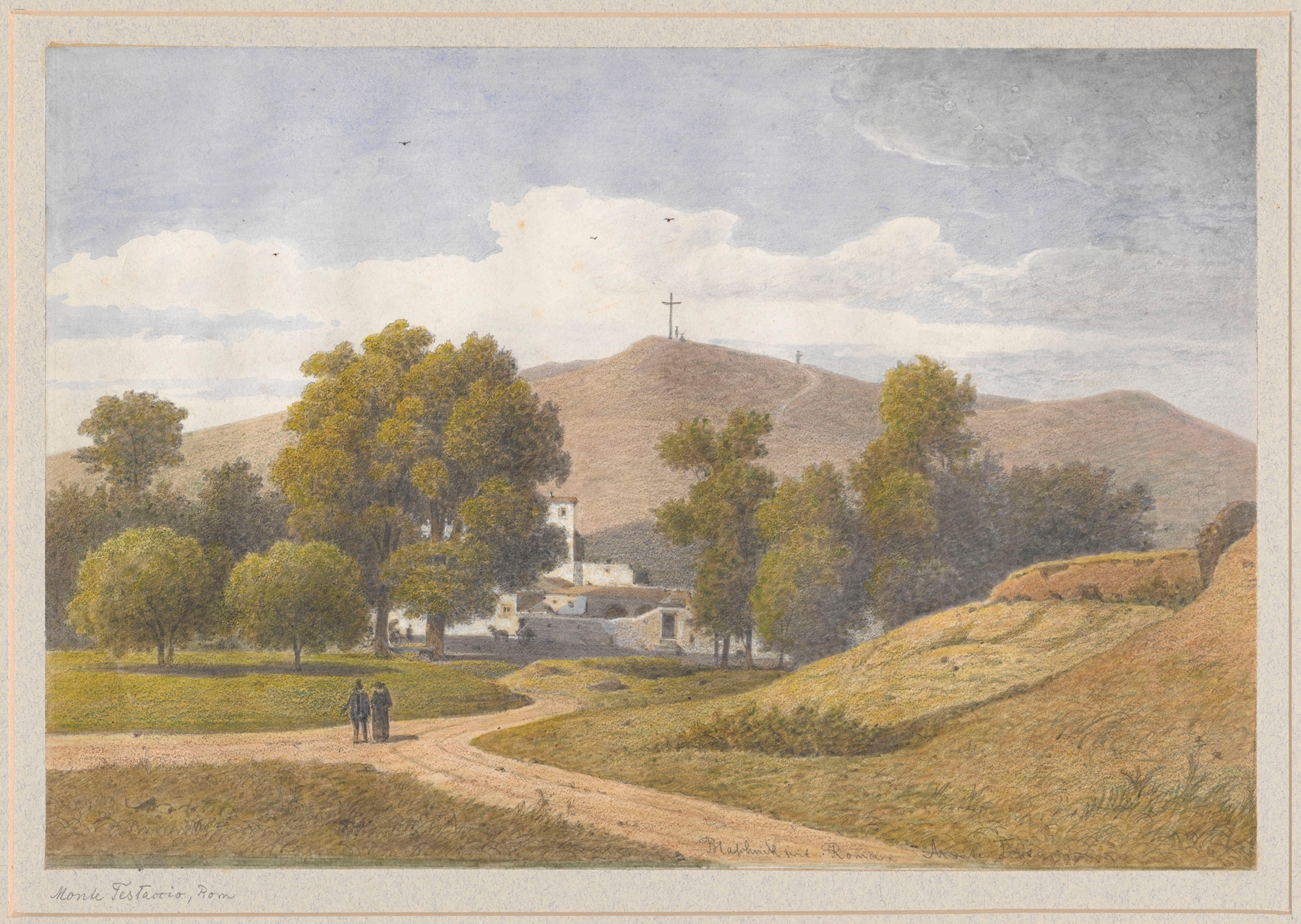
“To paint is to remember what time wants us to forget.” In a world of fleeting moments, the act of capturing eternity through brushstrokes invites transformation and introspection, revealing layers of memory and meaning intertwined with the passage of time. Look to the foreground where the aged stones of the Mausoleum rise, their textures enriched by the soft, golden light that bathes them. Notice how the delicate shadows play along the columned façade of the church, guiding the eye toward the serene dome that looms in the background. Blaschnik’s deft use of light and shadow creates a dialogue between permanence and decay, while the muted palette mirrors the solemnity of the ecclesiastical setting, inviting contemplation.
Within this composition lies a profound contrast between the vibrant life of the city and the quietude of spiritual refuge. The juxtaposition of the lush greenery encircling the structures with the stark stonework reflects a dialogue between nature and man’s creations, hinting at transformation through time. Additionally, subtle details—such as the gentle curve of the trees and the stillness of the entrance—echo a sense of meditation, suggesting that even as architectural forms endure, they are forever altered by the passage of seasons and memories.
In 1854, Arthur Blaschnik was immersed in the vibrant artistic scene of Rome, where the interplay of ancient and contemporary was a constant source of inspiration. This period was marked by a fascination with classical themes and the revitalization of romanticism, as artists sought to depict their surroundings with both reverence and innovation. Embracing these influences, the artist meticulously rendered this scene, capturing not just the physicality of the church and mausoleum, but also the essence of transformation inherent in all things.